Do You Vacuum Wood Floors? Expert Guide for 2027
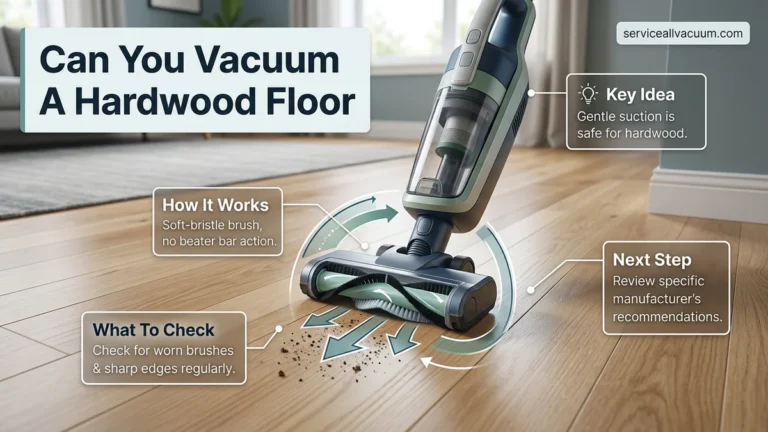
Yes, you can safely vacuum wood floors as long as you use the correct settings and avoid damaging attachments. Using a vacuum with a suction-only mode prevents scratches while effectively removing trapped dirt and grit.
Yes, you can safely vacuum wood floors, provided you use the right settings and attachments to prevent scratching the finish. In fact, modern floor care standards in 2027 recommend vacuuming over traditional sweeping because vacuums capture fine dust particles rather than kicking them back into the air or grinding them into the wood grain.
However, using the wrong vacuum or aggressive cleaning modes will quickly dull your hardwood surface. Protecting your investment requires understanding exactly how vacuums interact with delicate wood finishes and polyurethane coatings.
Key Takeaways
- Always turn off the rotating brush roll or beater bar to protect your floor’s finish.
- Choose vacuums featuring soft-bristle attachments or dedicated bare-floor heads.
- Inspect vacuum wheels regularly for trapped debris that can scratch wood surfaces.
- Use suction-only mode to lift fine dust and pet hair from floor crevices.
- Pair regular vacuuming with dry microfiber mopping for optimal dust removal.
What Causes Wood Floor Scratches When Vacuuming
The Danger of the Rotating Beater Bar
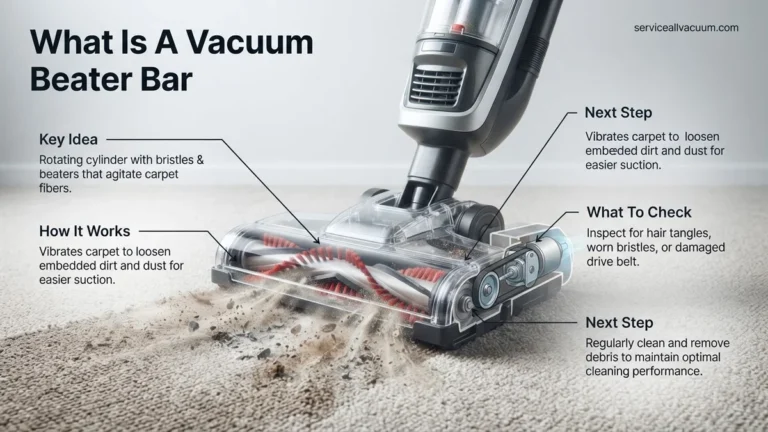
The primary culprit behind scratched wood floors is the rotating brush roll or beater bar found on upright vacuums. These stiff bristles spin at high speeds to agitate carpet fibers, but on hardwood, they act like sandpaper. Hard particles like trapped sand, grit, and small pebbles get caught in the bristles and whipped against your floor finish, leaving a trail of micro-scratches.
Wheels, Debris, and Loss of Suction
Hardware damage also stems from poor maintenance components:
- Hard Plastic Wheels: Worn or rigid plastic wheels can roll over trapped debris, grinding grit directly into soft wood species like pine or cherry.
- Trapped Debris in Nozzles: Large chunks of grit stuck in the vacuum head can drag across the floor under downward pressure.
- Loss of Suction: Weak suction forces you to press the vacuum head harder against the floor, increasing friction and potential surface damage.
How to Safely Vacuum Wood Floors Step-by-Step
Preparation and Setting Adjustments
Before turning on your machine, you need to configure it specifically for hard surfaces. Modern vacuums designed for 2027 typically feature dedicated switch modes. Follow these initial steps for zero-damage cleaning:
- Clear the floor of large debris, coins, or paper clips that could jam the suction port or crack the wood.
- Switch off the rotating brush roll or beater bar completely. If your vacuum lacks an off switch, you must use a dedicated hard floor tool.
- Select the lowest suction setting necessary to pull up dust and pet hair, especially if you have an older, delicate finish.
Using Soft Attachments and Proper Technique
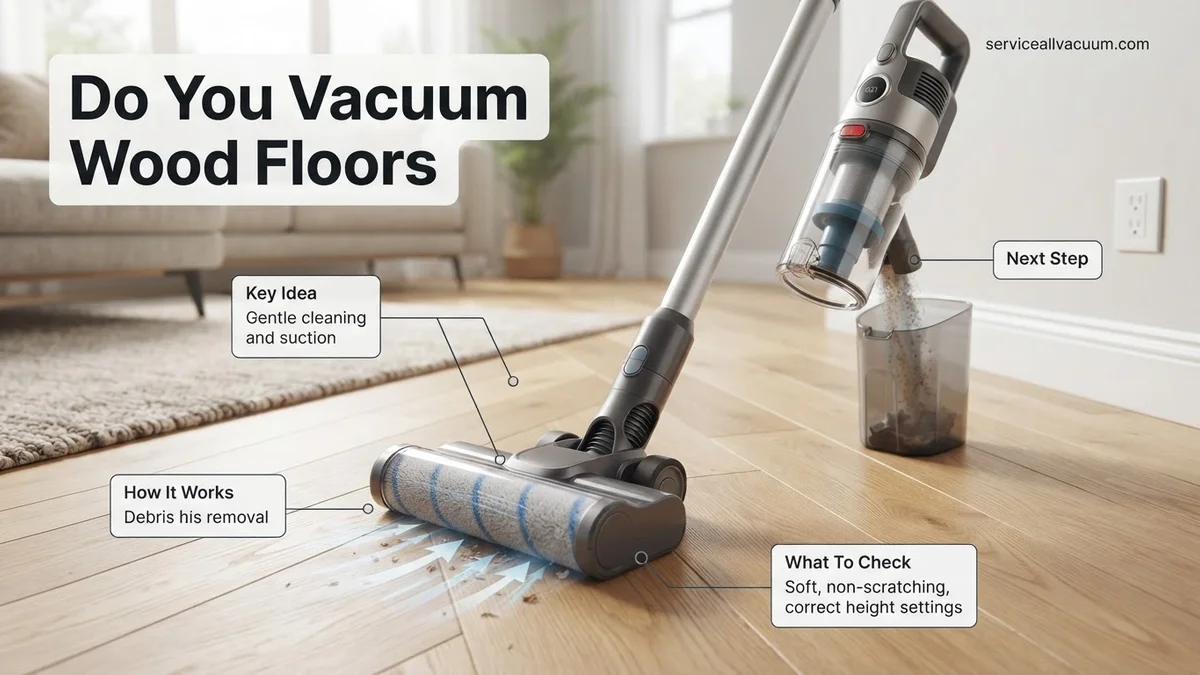
Once your machine is properly configured, your cleaning technique matters just as much as the equipment. Protect your floors by attaching a bare floor brush featuring natural horsehair or soft synthetic bristles. These gently skim the surface without applying abrasive friction.
When you push and pull the vacuum, move in straight lines parallel to the direction of the wood planks rather than across them at diagonal angles. Avoid twisting the vacuum head sharply in place, as this concentrates the weight of the machine onto a small area of plastic or wheels. Empty your dust canister frequently to maintain optimal airflow and prevent heavy debris from scratching the internal intake components.
What If Dust and Dirt Still Remain on Your Hardwood
Sometimes standard vacuuming fails to lift stubborn grit, microscopic dust, or sticky residues nestled deep within wood floor bevels and grain patterns. Leaving this debris behind acts like sandpaper when foot traffic grinds it down, accelerating wear and dulling protective finishes. Industry guidelines from the National Wood Flooring Association emphasize that microscopic abrasive particles require specialized secondary extraction methods rather than aggressive repeated vacuuming.
Addressing Stubborn Debris Zones
High-traffic entryways and kitchen perimeters frequently accumulate bonded grime that suction alone cannot dislodge. According to tests by the NWFA, traditional dry sweeping often redistributes fine particulate matter into the air rather than capturing it. If your vacuum leaves a hazy layer of dust behind, targeted interventions are required to restore a clean surface.
Advanced Extraction Techniques
- Use an electrostatic microfiber dust mop treated with a manufacturer-approved anti-dust formula to pull lingering static-bound particles out of grain recesses.
- Inspect vacuum brush heights to ensure they are not riding too high above deep-beveled flooring planks, which prevents proper airflow extraction.
- Apply a few drops of a pH-neutral, water-based wood floor cleaner specifically formulated for polyurethane or wax finishes onto a damp microfiber pad for localized spot-lifting.
What If It Still Doesn’t Work?
When routine vacuuming and gentle surface cleaning fail to eliminate embedded dirt, dull films, or ingrained stains, the issue usually stems from compromised finish integrity rather than surface dust. If your hardwood continues to look dirty or worn despite meticulous cleaning, consider these fallback steps:
- Perform a water drop test on dull areas. If water absorbs into the wood within minutes, the protective polyurethane or wax topcoat has worn away completely, allowing dirt to penetrate the raw timber.
- Switch to a professional-grade, residue-free hardwood floor cleaner combined with a specialized oscillating microfiber cleaning machine designed to lift deep-seated particulate matter safely.
- Consult a certified NWFA flooring specialist to evaluate whether the floor requires a chemical deep cleaning and professional recoating.
- Hire a local flooring contractor for a dustless screen-and-recoat procedure if surface abrasion is widespread. Professional recoating typically ranges from $1.50 to $3.00 per square foot depending on local labor rates in 2027.
- Schedule a full professional sanding and refinishing service if deep gouges and water stains have permanently trapped dirt beneath the finish layer. Complete refinishing generally costs between $3.00 and $8.00 per square foot.
Conclusion
Vacuuming wood floors is safe and highly effective when utilizing modern vacuums equipped with dedicated hard-floor settings, soft brush rolls, and deactivated beater bars. Establishing a consistent debris-removal routine prevents abrasive grit from wearing down your protective finish prematurely. According to verified research and expert sources from the National Wood Flooring Association, maintaining clean hardwood using approved extraction methods significantly extends the lifespan of your flooring investment. Make your next actionable step an equipment check: inspect your vacuum’s bottom plate today to ensure the agitator brush can be fully disengaged before your next cleaning cycle.
❓ Frequently Asked Questions
Will the beater bar on my vacuum ruin hardwood floors?
Yes, a spinning beater bar or roller brush features stiff bristles designed for carpets that can easily scratch and dull the polyurethane finish on hardwood floors. Always disable this feature or switch to a hard-floor setting.
What type of vacuum wheel material is safest for wood?
Rubberized wheels are the safest option because they roll smoothly across wood without leaving scuff marks or grinding trapped grit into the grain. Hard plastic wheels can embed small rocks and scratch the surface.
Is it better to sweep or vacuum wood floors?
Vacuuming is generally more effective than sweeping because it pulls hidden dirt and fine dust out from floor cracks rather than kicking it into the air. However, you must use a vacuum configured correctly for bare floors.
Can I use a cordless stick vacuum on hardwood?
Cordless stick vacuums are often ideal for hardwood floors because they are lightweight and usually feature specialized soft-roller heads designed specifically to polish and clean hard surfaces.
Do I need HEPA filtration for vacuuming wood floors?
While not strictly required to protect the wood, a HEPA filter ensures that fine dust and allergens pulled from floor gaps are trapped inside the vacuum rather than blown back into the air.
How can I tell if my vacuum is scratching the floor?
Run your hand across the floor after vacuuming to feel for new texture changes, and inspect the surface under bright light for fine linear scuffs or dull spots caused by dirty wheels or brushes.