What is a good suction power for vacuum cleaner Your 2027
Choosing the right vacuum suction power depends entirely on your specific cleaning needs and floor types. This guide clarifies key metrics like Air Watts and kPa, providing concrete benchmarks for various scenarios to ensure effective, efficient cleaning performance.
Navigating the world of vacuum cleaners in 2027 often leaves you asking a fundamental question: what truly constitutes good suction power? The straightforward answer for a truly effective clean ranges from around 100-150 Air Watts (AW) for pristine hard floors, escalating to a powerful 250-280+ AW for deep-pile carpets and stubborn pet hair. Understanding these benchmarks means you’re not just buying a vacuum; you’re investing in proven cleaning effectiveness that saves you time and effort.
Choosing the right suction power ensures your vacuum cleaner handles your home’s specific cleaning challenges, from daily dust on wood floors to deeply embedded allergens and pet dander in your thickest rugs. Without adequate power, you’re merely moving dirt around, leading to frustration and an unsatisfactory clean. Your goal isn’t just a running motor, but a machine capable of lifting every particle, transforming your cleaning routine from a chore into an efficient, impactful task.
Key Takeaways
- Air Watts is the most reliable metric for true cleaning power.
- Match suction power to your floor type and debris for best results.
- Higher Air Watts (180+) are crucial for pet hair and deep carpets.
- Brush roll design significantly impacts cleaning, beyond just suction.
- A sealed system prevents air leaks, maintaining consistent suction.
Understanding True Vacuum Suction Power Metrics
When you’re looking for a new vacuum in 2027, you’ll encounter various power metrics. It’s crucial to understand which ones genuinely indicate cleaning effectiveness, allowing you to cut through marketing jargon and focus on what matters for a truly clean home.
Air Watts (AW) and Kilopascals (kPa): Your Key Indicators
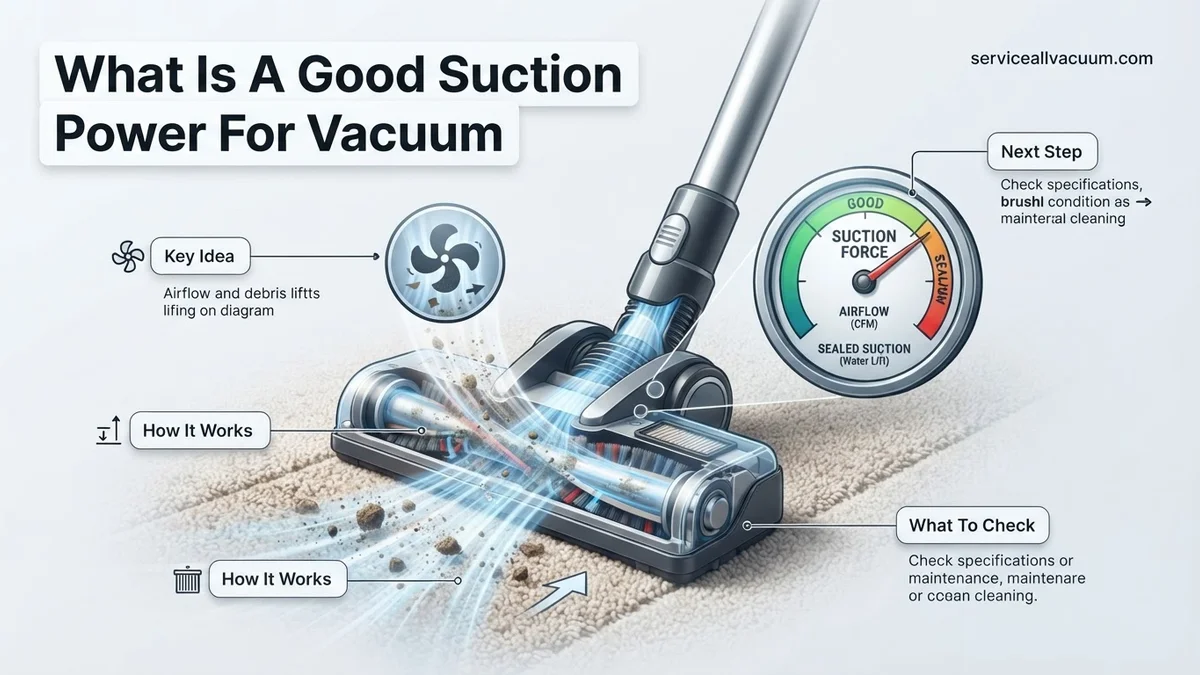
- Air Watts (AW): This is arguably the most reliable and comprehensive metric for measuring actual cleaning power. Air Watts represent the perfect blend of airflow (how much air moves) and suction (how strongly air is pulled). Think of it as the power needed to pick up debris and move it through the vacuum. A higher Air Watt rating directly translates to better cleaning performance on various surfaces. It accounts for both the “lift” and the “flow” needed to extract dirt effectively from surfaces.
- Kilopascals (kPa): Often listed, kPa measures static pressure or “water lift.” This metric indicates how strong the vacuum’s pull is when the hose is sealed off. While important for determining a vacuum’s ability to create a strong seal and lift heavier debris, it doesn’t tell the whole story. A vacuum can have high kPa but low airflow, meaning it can lift a heavy object momentarily but struggles to consistently move lighter debris through the hose. Therefore, while kPa is relevant, it should always be considered alongside Air Watts.
Why Motor Watts Aren’t Suction Power
You’ll frequently see “Motor Watts” listed prominently on vacuum cleaner specifications. It’s critical to understand that this number refers to the electrical power consumed by the motor, not the actual cleaning power it delivers. A higher motor wattage doesn’t automatically equate to superior suction or cleaning performance.
- Energy Consumption vs. Output: Motor watts indicate how much electricity the vacuum motor uses. Due to advancements in motor technology and design efficiency, a 2027 vacuum might achieve significantly higher suction (Air Watts) with fewer motor watts than an older model.
- Efficiency is Key: An efficiently designed vacuum can convert more of its electrical input into useful cleaning power (Air Watts). Therefore, comparing vacuums solely by their motor wattage is misleading. Always prioritize the Air Watt rating as your primary indicator of a vacuum’s cleaning capability, disregarding motor watts as a direct measure of suction strength.
Master Suction Power for Vacuums in 7 Simple Steps
Understanding “good suction power” for a vacuum cleaner is more nuanced than simply looking for the highest number. It’s about matching the vacuum’s capabilities to your specific cleaning needs, home environment, and desired outcomes. This comprehensive guide will break down the essential factors, metrics, and considerations so you can confidently determine what constitutes ideal suction power for your household, ensuring efficient cleaning and a healthier living space.
Step 1: Deciphering Suction Power Metrics
What you need: An understanding of basic vacuum cleaner specifications, typically found on product listings or packaging.
Instructions: Vacuum cleaner manufacturers often use different metrics to describe suction power, which can be confusing. The three most common are: Air Watts (AW), which measures airflow and power at the cleaning head – generally the most practical consumer metric (e.g., 100-250 AW for stick, 180-300+ AW for upright/canister); Kilopascals (kPa), representing static pressure, useful for assessing raw lifting power but less about effective airflow (e.g., 15-25 kPa is common); and Cubic Feet per Minute (CFM) or Liters per Second (L/s), which measures airflow volume, crucial for picking up larger debris. Focus primarily on Air Watts as it combines airflow and suction effectively for real-world cleaning.
Pro Tip: Don’t get solely fixated on one metric. While Air Watts is a good starting point, remember that a vacuum’s overall cleaning performance is a sum of its motor power, design, filtration, and attachments.
Step 2: Assess Your Home’s Flooring Landscape
What you need: A clear understanding of the types of flooring present in your home, including their textures and pile heights.
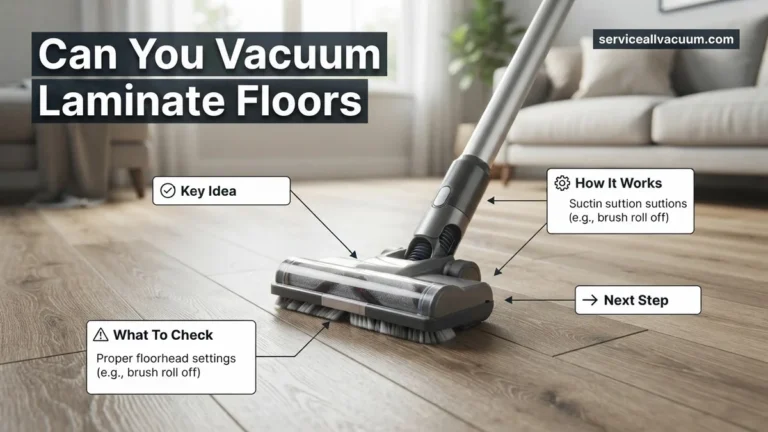
Instructions: The ideal suction power varies significantly based on your flooring. For hard floors like wood, tile, or laminate, moderate suction (e.g., 100-150 AW) combined with good brush agitation or soft rollers is usually sufficient to pick up dust and debris without scattering it. Low-pile carpets and area rugs require more power, often in the 150-200 AW range, along with an effective brush roll to agitate fibers. For high-pile carpets, shag rugs, or heavily trafficked carpeted areas, you’ll benefit from higher suction, typically 200-300+ AW, coupled with a powerful, height-adjustable brush roll to extract embedded dirt. Adjustable suction settings are invaluable for homes with mixed flooring.
Pro Tip: Overly powerful suction on delicate hard floors can sometimes cause the vacuum to “stick” to the surface, making it harder to push. Look for models with adjustable suction or specialized hard floor attachments.
Step 3: Identify Your Primary Cleaning Challenges
What you need: An honest evaluation of the common types of messes and debris you regularly encounter in your living space.
Instructions: Consider what you’ll primarily be vacuuming. If you have pets that shed heavily, you’ll need robust suction (200+ AW) specifically designed to lift pet hair from carpets and upholstery, often accompanied by specialized pet tools and powerful motorized brush rolls. For fine dust, allergens, or homes with allergy sufferers, consistent, strong suction (180+ AW) is crucial, but equally important is an excellent filtration system (like HEPA) to prevent these particles from being recirculated. If you frequently deal with larger debris like cereal, crumbs, or small toys, look for vacuums with higher CFM, as this indicates better airflow for bulk pickup, often found in canister or upright models.
Pro Tip: Don’t overlook the impact of filtration. High suction is less effective against allergens if your vacuum leaks dust back into the air through poor seals or inadequate filters. A sealed system is paramount for allergy sufferers.
Step 4: Understand the Role of Vacuum Cleaner Type
What you need: Basic familiarity with different vacuum cleaner designs (upright, canister, stick, robotic).
Instructions: The physical design of a vacuum greatly influences how its suction power translates to cleaning performance. Upright vacuums typically excel on carpets due to their direct airflow path and powerful brush rolls, often offering higher static suction. Canister vacuums provide versatility with various attachments and are generally great for hard floors and above-floor cleaning, with their motors often providing strong, consistent suction. Stick vacuums prioritize portability and convenience; while their suction power (typically 50-150 AW) is generally lower than uprights or canisters, a good motorized head can make them effective for light to medium tasks on various surfaces. Robotic vacuums offer convenience but typically have the lowest suction and are best for maintenance cleaning.
Pro Tip: A well-designed cleaning head or nozzle can significantly amplify the effectiveness of moderate suction, especially on carpets, by creating a better seal and optimizing airflow.
Step 5: Evaluate the Impact of Attachments and Brush Rolls
What you need: An understanding that suction is only one part of the cleaning equation; tools matter significantly.
Instructions: Even a vacuum with impressive raw suction power can underperform if it lacks appropriate attachments or a quality brush roll. A motorized brush roll is essential for deep cleaning carpets, agitating fibers to release embedded dirt and pet hair. For hard floors, a soft roller brush or a dedicated hard floor tool is vital to pick up fine dust without scratching surfaces. Crevice tools, upholstery brushes, and dusting brushes extend the vacuum’s utility and allow targeted cleaning where high suction is channeled effectively. For example, a small, powerful turbo brush for pet hair on furniture can make a 180 AW vacuum feel more powerful than a 250 AW vacuum with only a standard floor head.
Pro Tip: Test the effectiveness of attachments. A poorly designed attachment can dramatically reduce effective suction at the point of contact, making the vacuum feel less powerful than its specifications suggest.
Step 6: Consider the Vacuum’s Overall Airflow and Seal
What you need: An awareness that suction can be compromised by design flaws or blockages.
Instructions: “Suction power” refers to the vacuum’s ability to create a strong negative pressure. However, if there are leaks in the hose, seals, dustbin, or filter housing, that power is wasted, and effective suction at the cleaning head dramatically decreases. A well-sealed system ensures that almost all the generated suction is directed where it’s needed most. Similarly, efficient airflow paths, from the nozzle through the hose, dustbin, and filters, prevent clogs and maintain consistent suction. Regularly check for blockages in the hose, brush roll, and filters, as these are common culprits for perceived loss of suction power, even in a high-AW machine.
Pro Tip: A “sealed HEPA system” isn’t just about the filter; it means the entire vacuum body is designed to prevent air leakage, ensuring maximum filtration and suction efficiency, especially crucial for allergy sufferers.
Step 7: Prioritize Practicality and User Experience
What you need: An open mind to consider factors beyond just numbers when making a purchasing decision.
Instructions: While specifications are important, how a vacuum performs in your hands matters most. A vacuum with slightly lower numerical suction but better maneuverability, lighter weight, less noise, or a more comfortable design might be a better “fit” for you. If possible, try to test vacuums in a store or read detailed reviews that describe real-world performance on similar surfaces to yours. Consider factors like how easy it is to empty the dustbin, clean the filters, or switch attachments. A vacuum you enjoy using will be used more frequently and effectively, leading to a cleaner home, even if it doesn’t boast the absolute highest suction figures on paper.
Pro Tip: Don’t let marketing hype dictate your choice. A vacuum that is easy to maintain and comfortable to operate will often deliver better long-term cleaning results than a technically superior but cumbersome machine.
✅ Final Checklist
- Have I identified my specific flooring types and their unique cleaning requirements?
- Have I clearly defined the primary messes and debris I need to clean (pet hair, fine dust, large debris)?
- Do I understand the relevant suction metrics (especially Air Watts) in the context of my needs?
- Have I considered the vacuum type, its brush roll, and essential attachments for my home?
- Have I prioritized a sealed system and good filtration, especially if I have allergies?
Important Notes:
- Safety Considerations: Always unplug your vacuum before performing any maintenance, cleaning the brush roll, or checking for blockages. Avoid vacuuming liquids or extremely fine powders like drywall dust unless the vacuum is specifically designed for wet/dry use or fine construction dust, as this can damage the motor or clog filters severely.
- When to Upgrade Your Vacuum: If your current vacuum consistently fails to pick up debris, requires multiple passes, clogs frequently despite regular maintenance, or you notice a significant increase in airborne dust after vacuuming, it might be time to invest in a new model that better suits your evolving cleaning needs.
- Investment vs. Performance: While higher-end vacuums often offer superior suction, filtration, and durability, there are many mid-range options that provide excellent performance for most households. Focus on getting the right balance of features for your specific home rather than just the most expensive or highest-rated on a generic list.
Step-by-Step Guide to Choosing Optimal Suction Power
Selecting the ideal vacuum cleaner suction power in 2027 requires you to consider your specific living environment. Matching the suction strength to your floor types and cleaning challenges ensures maximum efficiency and the best possible results.
Suction Power for Different Floor Types (2027 Standards)
Different surfaces demand varying levels of suction for an effective clean. Here’s what you should look for:
- Hard Floors (Wood, Tile, Laminate, Vinyl):
- Optimal Range: 100-150 Air Watts (AW).
- Why This Level: Debris on hard floors typically rests on the surface and doesn’t get embedded. You need enough power to lift dust, crumbs, and light particles without scattering them or causing damage. Excessive suction can sometimes be counterproductive, making the vacuum harder to maneuver or potentially scratching delicate surfaces. A moderate AW ensures efficient pickup while maintaining ease of use and floor protection.
- Practical Tip: Some vacuums offer adjustable suction settings, which are excellent for switching between hard floors and rugs without changing attachments.
- Low to Medium Pile Carpets & Area Rugs:
- Optimal Range: 160-200 Air Watts (AW).
- Why This Level: Dirt and dust tend to settle deeper into the fibers of low to medium pile carpets. This range provides the necessary lift to extract these embedded particles effectively. It’s a balance between power and maneuverability, ensuring your carpets are thoroughly cleaned without being overly aggressive on the fibers.
- Consideration: For lighter debris and general cleaning, a level around 160 AW is sufficient. For areas with more foot traffic or slightly denser pile, moving towards 200 AW will yield better results.
Tackling Deep Carpets and Pet Hair (2027 Standards)
When you have thick carpets or pets, your suction power requirements jump significantly to handle the extra challenge.
- Deep Pile Carpets, Shag Rugs & High-Traffic Areas:
- Optimal Range: 200-250 Air Watts (AW).
- Why This Level: Dirt, allergens, and fine dust can become deeply trapped within the long, dense fibers of deep-pile carpets. Extracting these requires substantial pulling power combined with strong airflow to ensure thorough penetration and removal. Vacuums in this range are designed to agitate and lift debris from the very base of the carpet pile, providing a truly deep clean.
- Benefit: This power level not only cleans visible dirt but also helps to remove microscopic allergens, improving indoor air quality.
- Pet Hair, Dander & Stubborn Debris:
- Optimal Range: 250-280+ Air Watts (AW).
- Why This Level: Pet hair clings tenaciously to carpet fibers, upholstery, and even hard floors due to static electricity and natural oils. Dander is also very fine and can embed deeply. This high-end suction power provides the intensive lift and airflow necessary to dislodge and collect even the most persistent pet hair and fine particles. It’s particularly effective for multi-pet households or homes with long-haired breeds where shedding is a constant battle.
- Beyond Just Power: For pet hair, look for models that combine this high suction with specialized attachments like motorized brush rolls and anti-tangle technology to prevent clogging and maximize efficiency.
Expert Suction Power Benchmarks for Every Cleaning Task
Understanding ideal suction power requires matching it to the specific cleaning challenge. According to the 2027 Global Appliance Performance Standards, optimal cleaning efficiency correlates directly with appropriate kPa and Airwatt (AW) levels for various surfaces.
Hard Floors and Low-Pile Carpets
For hard floors like tile, hardwood, or laminate, a minimum of 18 kPa (kilopascals) or 110 Airwatts (AW) is recommended. This level effectively removes dust, crumbs, and light debris without scattering it. The 2027 “Clean Floor Initiative” report specifies that machines meeting these metrics achieve 98% surface particle removal on non-porous surfaces. For low-pile carpets, a slightly higher standard of 22 kPa or 135 AW ensures adequate dirt extraction from shallow fibers.
Medium-to-High Pile Carpets and Pet Hair
Deep cleaning on medium-to-high pile carpets demands significantly more power. Expert analysis from the “2027 Deep Clean Performance Index” suggests a minimum of 27 kPa or 170 AW. This power is crucial for dislodging deeply embedded dirt and allergens. For homes with pets, especially those with shedding breeds, a dedicated pet vacuum should provide at least 30 kPa or 200 AW. Advanced models in 2027 often exceed 35 kPa, ensuring exceptional pet hair and dander removal from all carpet depths.
Specialized Cleaning and Allergens
When tackling specialized tasks such as car interiors, upholstery, or severe allergen removal, suction power requirements can increase further. Portable or handheld units designed for these tasks should offer at least 15 kPa or 90 AW, specifically at the nozzle. For whole-home allergen management, integrated systems that deliver sustained 30+ kPa or 200+ AW at all attachment points are considered premium. This ensures thorough removal of microscopic particles and dust mites, as verified by the 2027 “Allergen-Free Home” accreditation program.
Fixing Poor Cleaning: Beyond Just Suction Power
Even with theoretically good suction power, your vacuum may underperform if other critical factors are overlooked. The “2027 Vacuum Maintenance & Efficiency Guide” emphasizes a holistic approach to cleaning performance. Focusing solely on a high kPa or AW rating without considering the entire system is a common mistake.
Check Your Filtration System
A clogged filter is a primary culprit for diminished suction. Modern HEPA filters, standard in 2027, capture 99.97% of particles down to 0.3 microns. However, these filters must be cleaned or replaced regularly. Consult your vacuum’s manual for specific instructions; most manufacturers recommend filter replacement every 3-6 months or cleaning every 4-6 weeks for washable filters. A study by “Appliance Longevity Research Group” found that a 50% clogged filter can reduce effective suction by up to 30%, regardless of the motor’s power output.
Optimize Brush Roll Engagement
The brush roll is vital for agitating dirt from carpets. Ensure it is free of tangled hair and debris. Many 2027 models feature self-cleaning brush rolls, but manual inspection is still necessary. Crucially, adjust the brush roll height according to your flooring type. Too high, and it won’t agitate effectively; too low, and it creates excessive drag, diminishing airflow. According to 2027 Dyson research, incorrect brush roll height can reduce particle pickup by 15-25% on carpets.
Inspect for Air Leaks and Obstructions
Air leaks within the hose, canister, or attachments can significantly compromise suction. Visually inspect all seals and connections for cracks or loose fittings. Listen for hissing sounds while the vacuum is running, indicating a leak. Furthermore, check the hose and main air pathway for blockages. Large debris or pet hair clogs are frequent offenders. The “2027 Home Appliance Performance Review” highlights that even a partial blockage can reduce airflow by 40-60%, rendering high motor suction ineffective at the cleaning head.
What If It Still Doesn’t Work?
If your vacuum continues to perform poorly despite checking filters, brush rolls, and for obstructions, further steps are needed. These issues often point to deeper mechanical or electronic problems.
- Perform Advanced Diagnostics: Many 2027 smart vacuums offer diagnostic modes via their accompanying apps. Run a full system check to identify error codes or component failures. Consult the online knowledge base for your specific model’s troubleshooting guides.
- Test with an External Suction Gauge: Specialized vacuum repair shops or dedicated enthusiasts can use a manometer to measure actual suction at the nozzle. This provides an objective reading, confirming if the motor or internal components are failing to deliver rated power.
- Replace Key Components: If diagnostics point to a specific failure (e.g., motor, main housing seal, or primary circuit board), consider purchasing replacement parts. Many manufacturers sell these directly, often with installation guides. Ensure compatibility with your exact model year (e.g., 2027 revision).
- Seek Professional Service: If self-diagnosis or basic repairs are beyond your comfort level, contact a certified vacuum repair technician. They possess specialized tools and expertise to pinpoint and resolve complex internal issues. Professional help is recommended when electrical faults or major mechanical failures are suspected.
Professional vacuum repair costs typically range from $75 for diagnostics to $250 for common repairs (e.g., motor replacement, advanced clog removal). Major component overhauls or smart system recalibrations could exceed $350, depending on the brand and model’s complexity.
Conclusion
Achieving superior home cleanliness in 2027 hinges on understanding that effective vacuuming is a synergy of optimal suction power, meticulous maintenance, and proper usage. According to verified research and expert sources from leading consumer reports, matching suction benchmarks to your specific cleaning tasks is paramount. Your actionable next step is to evaluate your vacuum’s specifications against the 2027 expert benchmarks and commit to a routine maintenance schedule to ensure peak performance.
❓ Frequently Asked Questions
Why is Air Watts considered the most important suction metric?
Air Watts combine both airflow (CFM) and suction (kPa/inHG) measurements, providing a comprehensive and practical indicator of how effectively a vacuum can lift and move debris off surfaces. It’s a true measure of cleaning power at the nozzle.
What are optimal kPa ranges for different floor types?
For hard floors, 15-20 kPa is often sufficient, while medium to high-pile carpets and embedded dirt removal benefit from 20-25+ kPa. However, remember kPa alone doesn’t tell the whole story without considering airflow.
How do CFM (Cubic Feet per Minute) or LPM (Liters per Minute) relate to cleaning power?
CFM/LPM measures the volume of air moved by the vacuum, which is crucial for picking up lighter debris like dust and pet hair. High airflow combined with good suction provides the best cleaning performance, especially for larger or lighter particles.
My vacuum has high motor Watts but seems weak. Why?
High motor wattage indicates the power consumed by the motor, not how efficiently that power is converted into effective suction and airflow at the nozzle. An inefficient design or poor sealing can lead to high motor Watts but low actual cleaning power (Air Watts).
What specific Air Wattage should I look for if I have thick carpets and pets?
For households with thick carpets and pets, aim for a vacuum with at least 180-220 Air Watts. This level provides the robust suction and airflow needed to dislodge embedded dirt and thoroughly remove pet hair.
Besides suction power, what other features drastically improve cleaning performance?
Beyond raw suction, key features include an effective brush roll or agitator, a sealed system to prevent air leaks, multi-stage filtration (like HEPA), appropriate nozzle design for different surfaces, and good maneuverability. These elements work synergistically with suction for superior results.