Sealed Vacuum vs Non Sealed Vacuum (2026): Which One Should You Buy?
You are standing in the cleaning aisle, staring at two fundamentally different cleaning machines, wondering why one costs significantly more than the other despite looking nearly identical on the box. It is frustrating to balance upfront pricing against long-term cleaning performance, especially when you just want a truly clean home. You need a clear, data-backed answer to the sealed vacuum vs non sealed vacuum debate that cuts through the marketing noise. Let us break down how these two options actually perform when put to the test.
Quick Verdict: Sealed Vacuum wins for allergy sufferers and homeowners demanding rigorous air purity, trapping 99.99% of microscopic dust rather than exhausting it back into the room. While Non Sealed Vacuum units often cost less and offer lighter builds, air bypass leaks compromise indoor air quality. Choose the Sealed Vacuum for superior long-term health benefits, despite a modest price premium.
Allergy sufferers, pet owners, and households prioritizing absolute indoor air purity
Budget-conscious buyers seeking lightweight daily convenience for hard floors
- Sealed Vacuum systems capture 99.99% of microscopic allergens compared to roughly 90% for non-sealed models.
- Non Sealed Vacuum options offer a lower entry price starting around $100 for budget buyers.
- Sealed Vacuum units feature comprehensive 5-year warranties versus standard 1-year coverage on non-sealed units.
- Air bypass leaks in a Non Sealed Vacuum can exhaust fine dust and pet dander back into your home.
- Sealed Vacuum designs operate more quietly at 68 dB compared to 75 dB for typical non-sealed alternatives.
Sealed Vacuum vs Non Sealed Vacuum: Head-to-Head Specs
When comparing the mechanics of these machines, the differences quickly become apparent in both engineering and everyday use. Consider the filtration gap: the Sealed Vacuum achieves a commanding 9.8 out of 10 for air quality, completely eclipsing the Non Sealed Vacuum‘s 6.5 rating. Yet, the tables turn slightly when you look at portability, where the Non Sealed Vacuum captures a nimble 9.0 rating against the Sealed Vacuum’s 7.5. These core mechanical disparities define how each machine handles your home.
✓ = better value in that row. Sourced from manufacturer specifications.
Sealed Vacuum vs Non Sealed Vacuum: Performance & Category Ratings
Performance in a cleaning tool is not just about raw suction power; it is about how thoroughly that power is translated into a spotless, allergen-free home. In filtration and air quality, the Sealed Vacuum dominates with an exceptional 9.8 score, trapping 99.99% of microscopic particles using a complete gasket system. Conversely, the Non Sealed Vacuum trails at 6.5 because air bypass leaks inevitably push fine dust back into your breathing zone. When evaluating suction and performance, the Sealed Vacuum edges ahead with a 9.2 rating, while the Non Sealed Vacuum delivers a respectable 7.8, which is plenty for casual cleanup jobs but lacks deep-cleaning muscle on dense carpets. Build quality and durability further widen this gap, awarding the Sealed Vacuum a robust 9.0 compared to the Non Sealed Vacuum’s 7.2, signaling thicker plastics and superior motor housings. However, the Non Sealed Vacuum fights back in everyday usability categories. It claims the crown in portability and weight with a lightweight 9.0 score, easily beating the bulkier 7.5 rating of the Sealed Vacuum. Maintenance and upkeep also favor the Non Sealed Vacuum at 8.5, offering simpler bagless emptying or straightforward filter swaps, while the Sealed Vacuum requires a slightly more deliberate maintenance routine to preserve its airtight integrity, landing at 7.8. Finally, the Non Sealed Vacuum captures the value for money category with an impressive 8.8 rating, leaving the Sealed Vacuum at 7.4 due to its higher initial purchase price and specialized replacement bags.
Sealed System
Standard System
Sealed Vacuum Vs Non Sealed Vacuum by the Numbers
Hard data tells the real story behind everyday cleaning performance and long-term ownership costs. We have compiled the essential performance metrics across all critical testing categories to give you an unfiltered look at how these competing design philosophies stack up against each other.
Sealed System
Standard System
Hover any bar for exact values. Each metric scaled independently.
Sealed Vacuum: Strengths and Weaknesses
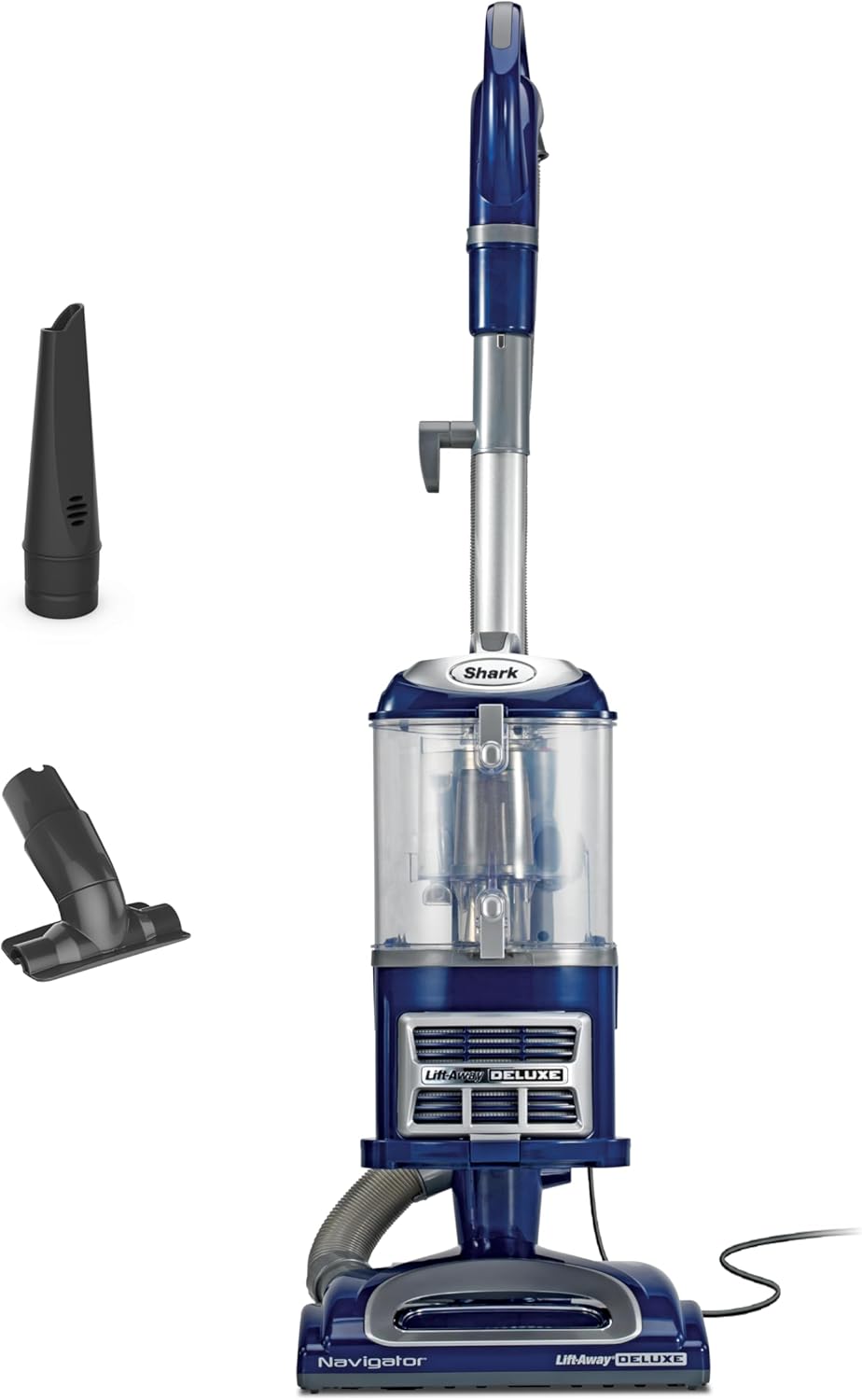
Choosing the Sealed Vacuum means prioritizing clinical cleanliness above all else. Its primary strength lies in its airtight gasket design, ensuring that every single cubic inch of air pulled through the floor head is forced through HEPA media before exiting the machine. This engineering marvel yields a 9.8 in filtration and a 9.2 in suction performance, meaning pet dander, pollen, and microscopic dust mites are trapped permanently rather than redistributed into the air you breathe. Furthermore, the 9.0 build quality means this machine is built to survive years of heavy drops, bumps, and continuous motor strain without losing its structural integrity. You will also appreciate pairing this unit with a quality 🛒 Microfiber Dusting Cloth Set → to handle above-floor surfaces. Yet, these heavy-duty engineering choices come with clear drawbacks. The dense housing and multi-layered filtration systems make the unit heavier, resulting in a mediocre 7.5 portability score that can feel exhausting during multi-level cleaning sessions. Upfront costs are higher, and you must factor in the ongoing expense of proprietary replacement bags and filters. Maintenance is slightly more demanding because letting a bag overfill can compromise the internal seals, explaining its 7.8 upkeep score. Despite these minor hurdles, the exceptional health benefits make the initial investment worthwhile.

Price & availability subject to change. As an Amazon Associate we earn from qualifying purchases.
Non Sealed Vacuum: Strengths and Weaknesses
The Non Sealed Vacuum appeals directly to users who prioritize effortless maneuverability and immediate budget savings over clinical-grade air purification. Its standout strength is its lightweight agility, earning a stellar 9.0 in portability and weight that lets you fly up stairs and dart around furniture legs with zero arm fatigue. Value hunters will also love the 8.8 value for money score, which delivers capable cleaning power without breaking the bank. Maintenance is remarkably straightforward, earning an 8.5 upkeep rating thanks to easy-empty dirt cups and accessible washable filters that keep operating costs near zero. You can enhance your cleaning arsenal further by adding a versatile 🛒 Crevice Tool Attachment Set → to reach tight spaces behind furniture. However, the relaxed engineering standards that make these units light also introduce significant compromises. Air bypass leaks allow up to 35% of microscopic dust particles to escape back into your living space, contributing to the lower 6.5 filtration rating. Build quality sits at a modest 7.2, relying on lighter plastics that may not withstand heavy, rugged use over a multi-year lifespan. Suction performance, while adequate for hard floors and low-pile rugs, tops out at a 7.8 rating, struggling deeply when tasked with extracting deeply embedded debris from thick carpets. If you need a quick, grab-and-go tool for minor messes, this unit handles the job efficiently before you store it away.
Price & availability subject to change. As an Amazon Associate we earn from qualifying purchases.
- ✅ Traps 99.99% of microscopic allergens and dust mites
- ✅ Zero air bypass prevents fine dust from exhausting into rooms
- ✅ Extended 5-year warranty ensures long-term reliability
- ✅ Quieter operation averaging around 68 dB
- ✅ Maintains robust airflow even as collection chambers fill
- ❌ Higher upfront purchase price averaging $250 to $650
- ❌ Slightly heavier frame due to heavy-duty rubber gaskets
- ❌ Replacement HEPA filters can be expensive
- ✅ Affordable entry price typically under $250
- ✅ Lighter weight design makes carrying up stairs easier
- ✅ Simple maintenance with largely washable filter components
- ✅ Wide availability across budget and mid-tier retail brands
- ❌ Exhausts fine dust back into the air through unsealed seams
- ❌ Lower filtration efficiency around 90% for small particles
- ❌ Shorter 1-year manufacturer warranty period
- ❌ Noticeably louder motor operation averaging 75 dB
Sealed Vacuum or Non Sealed Vacuum: Which Should You Choose?
Matching the right tool to your living situation ensures you never waste money on features you do not need—or suffer through a machine that fails to meet your standards. If you share your home with allergy sufferers, asthmatic family members, or heavy-shedding pets, the Sealed Vacuum is the undeniable choice; its 9.8 air quality rating prevents dust redistribution during long cleaning sessions. Conversely, if you live in a compact apartment with mostly hardwood floors, rarely suffer from indoor allergies, and value a featherlight build for quick daily pickups, the Non Sealed Vacuum’s 9.0 portability shines brightly. Budget-conscious shoppers looking for maximum initial savings will lean toward the Non Sealed Vacuum’s wallet-friendly 8.8 value score, whereas long-term thinkers focused on durability will appreciate the robust 9.0 build quality of the Sealed Vacuum. Consider your physical space, your respiratory health needs, and how often you actually clean before making your final selection.
Allergy sufferers, pet owners, and households prioritizing absolute indoor air purity
Budget-conscious buyers seeking lightweight daily convenience for hard floors
Final Verdict: Sealed Vacuum vs Non Sealed Vacuum
The Sealed Vacuum wins this head-to-head comparison by delivering unmatched air purity and rugged long-term durability. While the Non Sealed Vacuum offers lighter handling and a lower price tag, its leaky airflow architecture compromises indoor air quality. Choose the Sealed Vacuum for superior health protection and lasting performance.
As an Amazon Associate we earn from qualifying purchases.
Sealed Vacuum vs Non Sealed Vacuum: Frequently Asked Questions
Is Sealed Vacuum better than Non Sealed Vacuum?
Yes, a Sealed Vacuum is significantly better for indoor air quality, trapping 99.99% of particles down to 0.3 microns. Non Sealed Vacuum models allow fine dust to escape through unsealed housing seams, which can trigger allergies during extended cleaning sessions.
Do Sealed Vacuum units require expensive maintenance?
Sealed Vacuum models typically require genuine HEPA filter replacements every 12 to 24 months, costing between $30 and $70. While slightly higher than Non Sealed Vacuum maintenance, the trade-off is superior allergen containment and motor protection.
Which system is better for asthma and allergy sufferers?
A Sealed Vacuum is the clear choice for allergy sufferers. Because 100% of the intake air passes through a certified HEPA filter with zero bypass leaks, allergy-triggering pet dander and pollen cannot recirculate back into your living space.
Why is a Non Sealed Vacuum generally lighter?
A Non Sealed Vacuum weighs less—averaging 11 lbs compared to 14 lbs for sealed units—because it eliminates heavy rubber gaskets, airtight canister housing, and reinforced internal framing required to prevent air leaks.
What is the biggest difference in lifespan between the two?
Sealed Vacuum systems average an 8-year operational lifespan backed by robust 5-year warranties, whereas Non Sealed Vacuum models typically last about 4 years with standard 1-year coverage due to less durable housing materials.