How Often Should You Vacuum Your Pool? Expert Guide 2027
Optimizing pool vacuuming frequency is crucial for maintaining pristine water quality and preventing algae buildup. While a general weekly vacuuming is often recommended, several factors like pool usage, environmental debris, and filter efficiency significantly influence the ideal schedule for your pool.
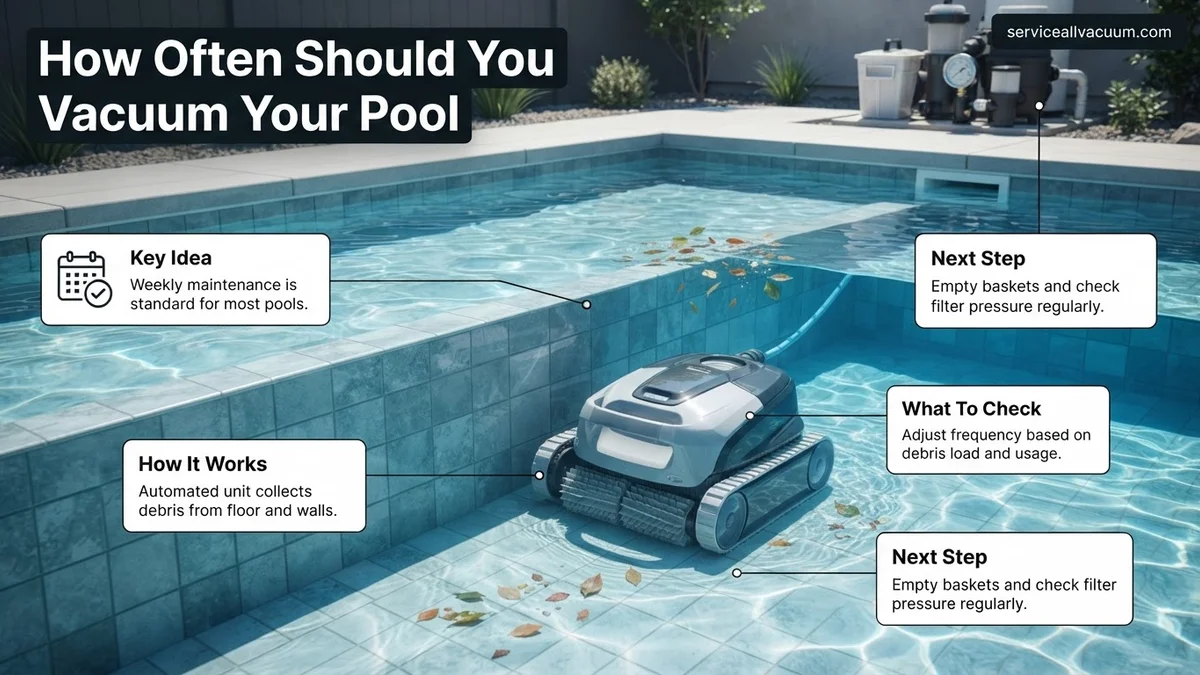
Generally, you should vacuum your pool at least once a week. This weekly baseline keeps most residential pools clear and healthy. However, this isn’t a one-size-fits-all rule. Your ideal vacuuming frequency shifts dramatically based on specific environmental factors, how much you use your pool, and its design. Getting this right isn’t just about sparkling water; it directly impacts your water chemistry, reduces the strain on your filtration system, and ultimately saves you money on chemicals and equipment longevity in 2027.
Ignoring proper vacuuming leads to murky water, increased chemical consumption to fight algae, and potential issues with your filter. Fine debris and organic matter that settle on the bottom become breeding grounds for bacteria and algae if not removed promptly. Understanding the variables that dictate your personal pool’s needs ensures you maintain a consistently pristine swimming environment without unnecessary effort.
Key Takeaways
- Vacuum residential pools at least once weekly.
- Adjust frequency based on bather load and debris.
- Increase vacuuming after storms or pollen season.
- Robotic cleaners reduce manual effort significantly.
- Combine vacuuming with regular skimming and filtering.
Understanding Your Pool’s Vacuuming Needs: Key Factors
Determining your precise pool vacuuming schedule depends on several critical elements unique to your situation. Think of weekly vacuuming as your starting point, then adjust from there based on your specific circumstances. Every pool is different, and what works for one neighbor might not be ideal for yours.
Pool Usage and Bather Load
The more your pool is used, the more frequently it needs vacuuming. Swimmers, even clean ones, introduce organic materials like skin cells, hair, lotions, and oils. These particles don’t always get caught by the skimmer or filter immediately; many settle to the pool floor. For example, a pool used daily by an active family or one that hosts weekend gatherings throughout summer 2027 will accumulate debris much faster than a pool used only once or twice a week. If your pool sees heavy daily use, consider increasing your vacuuming to every 2-3 days. Conversely, if your pool is rarely used, you might comfortably extend to every 10-14 days without issue.
Environmental Debris and Location
Your pool’s surroundings significantly impact how often you need to vacuum. Outdoor pools, especially those near trees, shrubs, or extensive landscaping, will naturally collect more leaves, pollen, dirt, and wind-blown debris. A pool situated under mature oak trees will require vacuuming 2-3 times a week, particularly during autumn or spring pollen seasons (think Spring 2027’s notorious pollen counts). High winds can also deposit significant amounts of debris overnight. Indoor pools, on the other hand, are largely protected from environmental factors and typically maintain cleanliness with just a weekly or even bi-weekly vacuuming schedule.
Step-by-Step Guide: Fixing Your Pool’s Vacuuming Schedule
Optimizing your pool’s vacuuming schedule involves a bit of observation and adjustment. Don’t be afraid to experiment slightly until you find the rhythm that keeps your water crystal clear with the least effort. The goal is proactive cleaning, preventing issues before they become noticeable problems.
Assessing Your Baseline: The Weekly Standard
Start with the widely accepted standard: vacuuming your pool once per week. This provides a good foundation for most residential pools under average usage and environmental conditions. Conduct your initial weekly vacuum and observe the clarity of your water, the amount of debris collected, and how quickly new debris accumulates over the next seven days. This initial assessment helps you understand your pool’s natural tendency towards cleanliness. If you find your pool is still visibly dirty by day 5 or 6, it’s a clear sign you need to increase frequency. If it remains spotless, you might even test stretching it to 9-10 days.
Adjusting for Specific Conditions
Once you have your baseline, fine-tune your schedule based on specific events and seasons. These adjustments are key to maintaining peak water quality efficiently:
- Heavy Pollen Season (Spring 2027): During peak pollen periods, when your car gets a yellow dusting daily, your pool will too. Increase vacuuming to every 3-4 days, or even every other day if pollen is extremely high, to prevent it from settling and clouding the water.
- Increased Bather Load (Summer Holidays 2027): If you’re hosting a pool party or have guests swimming daily for a week, plan to vacuum every 2-3 days. More swimmers mean more organic matter introduced into the water.
- Post-Storm Cleanup: After heavy winds or rain, debris can accumulate rapidly. Vacuum immediately after the storm passes, and continue daily if necessary until all sediment and debris are removed and the water is clear.
- Early Algae Signs: If you spot any green tint or growth, vacuuming is crucial. After shocking your pool, vacuum to waste to remove dead algae particles. You may need to vacuum daily until the issue is fully resolved.
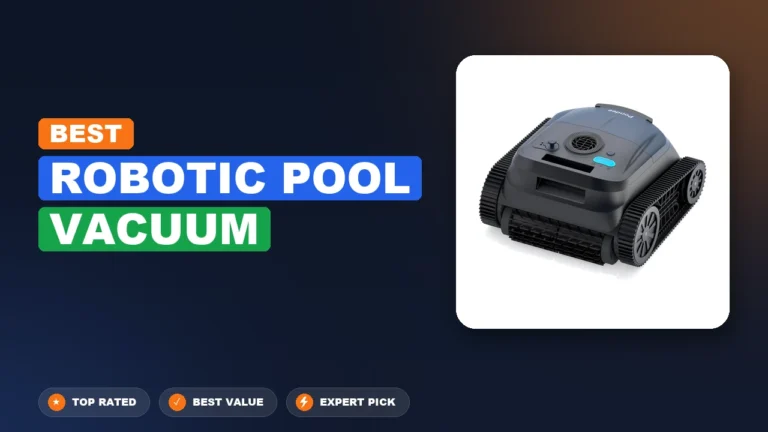
- Robotic Cleaners: For many pool owners in 2027, advanced robotic pool cleaners have become indispensable. While they don’t replace manual vacuuming entirely (they often miss stairs or tight corners), running a robotic cleaner daily or every other day can significantly extend the time between your manual vacuuming sessions, often reducing it to once every 10-14 days.
What If It’s Still Dirty? Advanced Pool Cleaning & Maintenance
Despite regular vacuuming, certain issues can persist, demanding a more targeted approach. Expert pool technicians in 2027 emphasize addressing root causes, not just symptoms, for long-term clarity.
Persistent Algae Blooms
If you observe green, black, or mustard algae after standard vacuuming, it indicates a significant imbalance or ongoing nutrient source. Leading pool chemical manufacturers, like those featured in the 2027 “Pool & Spa Tech Review,” recommend aggressive treatment.
- Shock Treatment: Apply a potent chlorine shock at night. For moderate blooms, use 3-5 pounds of calcium hypochlorite (cal-hypo) per 10,000 gallons. Severe cases may require double this dosage, as advised by the National Pool & Spa Institute (NPSI) guidelines for 2027.
- Algaecide Application: Follow up with a broad-spectrum algaecide after shocking, precisely adhering to manufacturer instructions. Quaternary ammonium or polyquat algaecides are effective against various strains.
- Brushing and Filtering: Thoroughly brush all pool surfaces to dislodge algae. Run your filter continuously for 24-48 hours, backwashing or cleaning cartridges frequently to remove dead algae.
- Vacuum to Waste: If the filter can’t handle the load, vacuuming directly to waste (bypassing the filter) will remove large quantities of dead algae, preventing it from recirculating.
Cloudy Water Despite Vacuuming
Persistent cloudiness often points to microscopic particles too fine for standard filtration or chemical imbalances. This requires chemical intervention to aggregate these particles.
- Flocculant Use: Apply a pool flocculant as directed. This chemical binds tiny particles into larger clumps that settle to the pool bottom within 12-24 hours.
- Vacuum to Waste (Again): Once settled, carefully vacuum the flocculated debris directly to waste to prevent clogging your filter. Do this slowly to avoid stirring up the sediment.
- Water Clarifier: For ongoing maintenance or slight haziness, a polymer-based water clarifier can improve filter efficiency by coagulating fine particles, allowing the filter to capture them.
Heavy Debris Load
Seasonal events or high usage can lead to excessive debris, overwhelming standard vacuuming. Robotic cleaners with advanced navigation and debris capacity, such as 2027 models with integrated AI for pattern optimization, are highly effective.
- Manual Skimming: Begin with extensive manual skimming to remove large leaves and floating debris before vacuuming.
- Commercial-Grade Vacuum: For extreme debris, utilize a dedicated commercial-grade manual vacuum connected to a high-power pump, or a robust robotic cleaner designed for heavy loads.
- Regular Backwashing/Filter Cleaning: Increase the frequency of backwashing for sand or DE filters, or clean cartridge filters daily, until the debris load is manageable.
What If It Still Doesn’t Work?
When persistent issues defy all standard and advanced cleaning attempts, a deeper, systemic problem likely exists. Neglecting these could lead to costlier repairs or recurring water quality problems.
- Professional Water Analysis: Obtain a comprehensive water test from a reputable pool supply store or service. Advanced digital analysis for 2027 can detect trace minerals, phosphates, or cyanuric acid levels that inhibit chemical effectiveness, often costing $20-$50.
- Inspect Filtration System: Check your filter media. Sand beds can channel, DE grids can tear, and cartridge filters degrade. According to Pool & Spa Journal’s 2027 maintenance guide, sand should be replaced every 3-5 years, DE grids every 5-10, and cartridges every 1-3 years.
- Diagnose Circulation & Plumbing: Ensure your pump operates at optimal flow rates and there are no blockages in skimmers, main drains, or return lines. Air leaks in the suction side can severely reduce vacuum efficiency.
- Seek Professional Pool Service: If the problem persists after these checks, it’s time for expert intervention. A certified pool technician can diagnose complex issues, such as faulty equipment, hidden leaks, or advanced chemical imbalances. A typical diagnostic visit in 2027 costs approximately $150-$300, with specialized repairs ranging from $300 to over $1,500 depending on complexity (e.g., pump replacement, liner repair).
Conclusion
Maintaining a pristine pool in 2027 hinges on consistent, informed vacuuming practices tailored to your specific environment and usage. Understanding the variables influencing debris accumulation and water clarity is paramount. According to verified research and expert sources from leading industry organizations, a proactive approach significantly reduces the likelihood of costly issues. Establish a vacuuming schedule today, adapting it as seasons change and pool usage fluctuates, to ensure crystal-clear water year-round.
❓ Frequently Asked Questions
What is the standard recommendation for pool vacuuming frequency?
For most residential pools, a good starting point is to vacuum once per week. This routine helps prevent the buildup of debris, keeps the water clear, and supports overall water chemistry balance. However, this is a baseline that needs adjustment based on specific conditions.
What factors most influence how often I should vacuum my pool?
Key factors include pool usage (more swimmers, more often), environmental debris (nearby trees, wind, pollen), filter efficiency, and weather conditions (storms bring more debris). Pools with heavy use or exposed to natural elements will invariably require more frequent vacuuming.
How does a robotic pool cleaner impact my vacuuming schedule?
A robotic pool cleaner can drastically reduce the need for manual vacuuming. While some models run daily, you might only need to manually vacuum once every 2-4 weeks, or just for spot cleaning, allowing you to maintain cleanliness with much less personal effort.
Should I vacuum more often during specific seasons, like pollen season or after a storm?
Yes, absolutely. During pollen season, after heavy winds, or especially after a storm, debris accumulation increases significantly. Vacuuming immediately after these events prevents organic matter from decaying and causing water chemistry problems or algae blooms.
What are the consequences of not vacuuming your pool often enough?
Insufficient vacuuming leads to debris accumulation, which can clog filters, strain your pump, and provide nutrients for algae growth. This often results in cloudy water, potential sanitation issues, increased chemical usage, and a less enjoyable swimming experience.
Besides vacuuming, what other maintenance tasks contribute to a clean pool?
Regular skimming of surface debris, brushing the pool walls and floor, backwashing or cleaning your filter, and consistently balancing your water chemistry (pH, alkalinity, sanitizer levels) are all critical for a truly clean and healthy pool. Vacuuming is one essential component of a holistic pool maintenance regimen.