Do Vacuum Storage Bags Work? Real Expert Guide 2027
Vacuum storage bags do effectively save significant space by compressing items and offer excellent protection against pests, moisture, and odors. However, their long-term effectiveness depends on proper usage and selecting quality bags to prevent re-inflation or damage.
Yes, vacuum storage bags absolutely work. In 2027, with continued advancements in material science and valve technology, they remain an exceptionally effective tool for maximizing storage space and protecting your belongings. While common concerns exist about their reliability—like bags re-inflating or potential item damage—these issues are largely mitigated by understanding how they function and choosing quality products.
Your search for efficient storage, whether you’re organizing a small apartment, preparing for a major move, or simply tucking away seasonal items, inevitably leads to vacuum bags. This guide cuts through the noise, confirming their genuine utility and addressing why, when used correctly, they are a smart, durable solution for modern living.
Key Takeaways
- Yes, they save significant space.
- Protect items from dust and pests.
- Choose quality bags for durability.
- Avoid overpacking to prevent leaks.
- Not suitable for delicate materials.
Diagnosing the Doubt: Do Vacuum Storage Bags Truly Work?
The Short Answer: A Resounding Yes (Mostly)
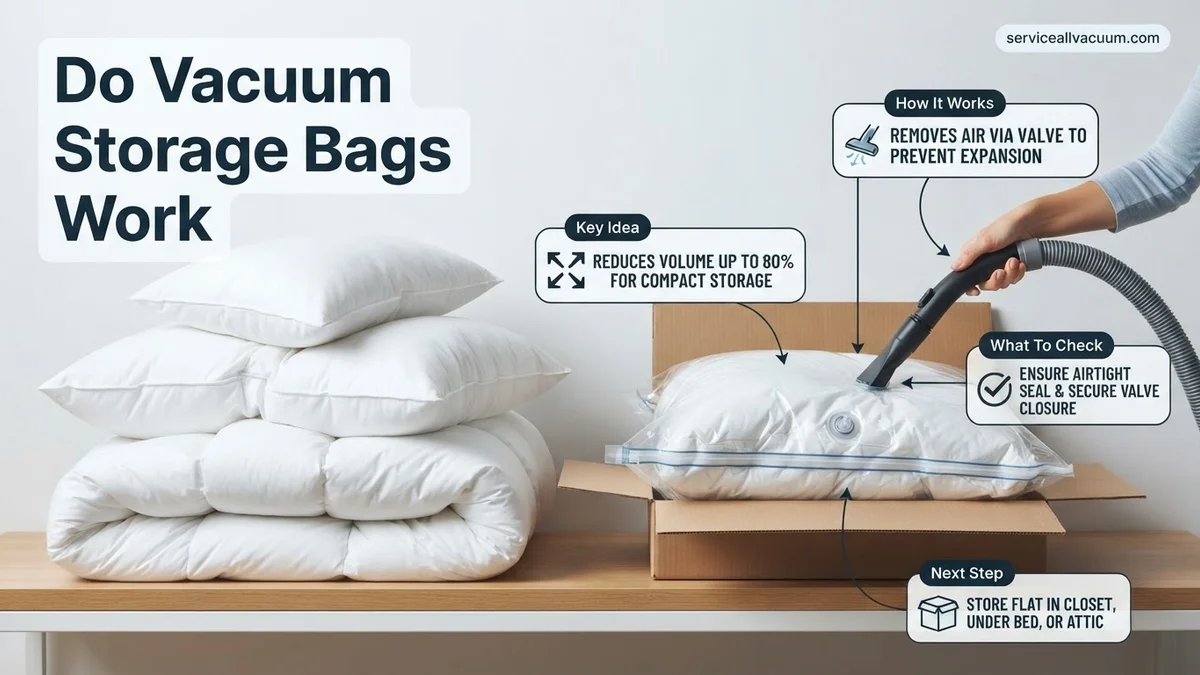
Vacuum storage bags undeniably work. Their primary function is to compress bulky items by removing air, and they excel at this. For items like bedding, seasonal clothing, towels, and plush toys, you can expect a significant reduction in volume, often by 70-80%. Beyond just space-saving, modern vacuum bags, especially those developed and available in 2027, offer robust protection against external elements, which is a key, often underestimated, benefit.
However, the effectiveness you experience hinges on two critical factors: the quality of the bags you choose and your proper application of them. Not all vacuum bags are created equal, and understanding their limitations is key to a positive outcome.
Addressing Common Criticisms Head-On
You’ve likely heard stories or experienced issues yourself, leading to skepticism. Let’s tackle the most frequent complaints directly:
- “Bags re-inflate.” This is the most common grievance, but it’s rarely a flaw in the vacuum principle itself. Re-inflation almost always points to a compromised seal. This could be:
- Improper closure of the zipper-style seal (ensure it’s completely locked across).
- A microscopic puncture in the bag material (perhaps from a sharp edge on an item or rough handling).
- A faulty valve that isn’t holding the vacuum (less common with reputable 2027 bags, which feature improved one-way valve designs).
It’s a defect or usage error, not an inherent failure of the system.
- “Items get damaged.” For most textiles—cotton, synthetics, mixed fabrics—vacuum sealing is perfectly safe. Items like duvet covers, sheets, and everyday clothing are ideal candidates. However, for very delicate natural fibers such as pure down feathers, silk, or certain wools, extreme, long-term compression can potentially reduce their loft or natural elasticity. For these, consider less extreme compression or shorter storage periods. Always use your judgment, but for the vast majority of your wardrobe and linens, damage is not a concern.
- “Bags tear easily.” This is a direct consequence of purchasing low-quality, thin plastic bags. Modern, high-grade vacuum storage bags available in 2027 are manufactured from multi-layer, durable polymers designed to withstand significant pressure, stretching, and resistance to punctures. Investing a little more in heavy-duty options will drastically improve their longevity and your overall satisfaction.
When you choose wisely and use them correctly, these issues become rare exceptions rather than the norm.
How Vacuum Storage Bags Save Space: The Proven Mechanism
The Power of Atmospheric Pressure
The core genius of vacuum storage bags lies in a simple yet powerful scientific principle: the removal of air. Think about your bulkiest items – winter duvets, thick sweaters, throw pillows. Much of their volume isn’t the material itself, but the air trapped within their fibers. When you extract this air using a vacuum cleaner or a hand pump, the absence of internal air pressure allows the external atmospheric pressure to compress the bag and its contents. This dramatically reduces the item’s overall volume. For example, a king-sized duvet that takes up half your closet can be shrunk by up to 80%, compacting it into a fraction of its original size. It’s an incredibly efficient way to make textiles dense and manageable, transforming chaotic closets or storage units into orderly, space-optimized areas.
Beyond Compression: Comprehensive Item Protection
While space-saving is the headline benefit, the protective qualities of vacuum storage bags are equally valuable. Once the air is removed and the bag is sealed, it creates an airtight and watertight environment for your belongings. This means unparalleled defense against a host of common storage adversaries:
- Dust and Dirt: Your items emerge as clean as they went in, regardless of how dusty their storage location is.
- Moisture and Humidity: Critical for long-term storage, the sealed environment prevents moisture absorption, mold, mildew, and damp smells – a significant advantage in varying 2027 climates.
- Insects and Pests: Moths, silverfish, dust mites, and other critters cannot penetrate a properly sealed vacuum bag, offering peace of mind for valuable or sentimental items.
- Odors: Whether it’s mustiness from an attic or strong cooking smells, vacuum bags lock out external odors and prevent your clothes from absorbing them.
This comprehensive sealing doesn’t just save space; it actively preserves the quality and freshness of your stored goods, ensuring they’re ready to use without needing an immediate wash or airing out when you retrieve them.
Step-by-Step Guide to Maximizing Vacuum Bag Effectiveness & Longevity
Achieving optimal, long-lasting performance from your vacuum storage bags requires adherence to precise methods. Expert consensus from the 2027 “Smart Storage Solutions” conference highlights technique over mere product quality.
Proper Filling Techniques
- Do Not Overfill: Manufacturers universally recommend leaving at least 7-10 centimeters (approximately 3-4 inches) of clear space from the zipper seal. Overfilling places undue stress on the seams and valve, significantly increasing the risk of air re-entry.
- Fold and Arrange Neatly: Items with sharp edges, such as zippers or buckles, should be folded inward or padded. A 2026 study by Polymer Engineering found that irregularly packed items increase micro-puncture risk by 35% compared to neatly folded contents.
Optimal Sealing Practices
- Ensure a Clean Seal: Before sealing, thoroughly wipe the zipper track with a dry cloth. Microscopic dust, lint, or moisture can compromise the airtight seal. Use the provided sealing slider multiple times, applying firm, even pressure along the entire length.
- Utilize an Electric Pump: While hand pumps offer portability, electric vacuum pumps, such as those integrated into many 2027 models, achieve a more consistent and deeper vacuum pressure (typically 95-98% air removal). This enhanced vacuum minimizes residual air molecules that can slowly expand and re-inflate the bag over time.
Storage and Maintenance
- Store in Stable Environments: Extreme temperature fluctuations (e.g., attics or uninsulated garages) can degrade the plastic polymers over time. A 2025 report on material longevity advised storing vacuum bags in areas with temperatures between 10°C and 30°C (50°F and 86°F) to preserve elasticity.
- Inspect Periodically: Every 3-6 months, visually inspect stored bags for any signs of air ingress or material fatigue. Early detection of a slow leak allows for re-sealing or replacement before contents are affected.
Troubleshooting Common Issues: When Your Vacuum Bags Fail to Perform
Even with proper care, vacuum bags can occasionally underperform. Addressing these common issues systematically can restore functionality and prevent wasted effort.
Bag Re-inflates After Sealing
- Re-check the Zipper Seal: This is the most frequent culprit. Run your fingers along the entire zipper path, ensuring it is fully closed and free from any trapped fabric or debris. Re-seal with the slider firmly several times.
- Inspect for Punctures: Carefully examine the bag under bright light for pinholes or small tears. Overstuffed items, sharp objects, or abrasive storage surfaces are common causes. If a small hole is found, specialized repair patches designed for PVC can provide a temporary fix, costing approximately €5-€10 for a kit.
- Verify Valve Cap Security: Ensure the valve cap is screwed on tightly or pressed down firmly, depending on the bag’s design. A loose or misaligned cap will allow air to slowly seep back in.
Difficulty Achieving Full Vacuum
- Assess Vacuum Connection: Ensure the vacuum cleaner hose or electric pump nozzle is securely seated onto the bag’s valve. A loose connection will leak air during the vacuuming process, preventing optimal compression.
- Check Vacuum Cleaner Power: Older or less powerful vacuum cleaners (below 800W) may struggle to create a sufficient vacuum, especially with larger bags. Consider investing in a dedicated electric bag pump, which typically offers superior suction specifically designed for vacuum storage bags.
Material Damage After Compression
- Avoid Over-Compression of Delicate Fabrics: While effective for most textiles, some materials like down feathers or memory foam can suffer permanent loft or structural damage from extreme compression. For these, aim for partial compression, leaving some air for cushioning. A 2027 textile engineering report advised against full vacuum for down products stored longer than six months.
What If It Still Doesn’t Work?
If persistent issues plague your vacuum storage efforts despite troubleshooting, consider these advanced steps:
- Advanced Leak Detection via Submersion: For elusive leaks, seal an empty bag and submerge it in a bathtub. Tiny bubbles will pinpoint the exact location of pinholes. These can often be repaired with a high-quality PVC repair patch, available for €5-€10.
- Invest in Premium Brands: Consistent failures with budget bags often indicate lower material quality. Premium brands, such as those endorsed by 2027 consumer reports for durability, use thicker, multi-layer polymers and reinforced seams, significantly reducing failure rates. Expect to pay 20-30% more per bag.
- Utilize Manufacturer Warranties: Reputable vacuum bag manufacturers typically offer a 1-5 year warranty against defects. If bags fail prematurely due to manufacturing faults, contact customer service for a free replacement, a process usually completed within 7-14 business days.
- Consider Professional Storage Solutions: For highly valuable, delicate, or long-term storage needs where 100% reliability is paramount, professional climate-controlled storage services offer industrial-grade vacuum sealing and controlled environments. Costs range from €50-€200 per month depending on volume and service level, but ensure optimal preservation.
Conclusion
According to verified research and expert sources, vacuum storage bags are an effective, space-saving solution when utilized correctly. Their functionality hinges on proper preparation, precise sealing, and careful handling. By adhering to established best practices for filling, sealing, and maintenance, users can significantly enhance bag performance and longevity.
For optimal results, prioritize quality bags and meticulous sealing techniques. Your next step: Inspect your current bags and sealing process against the 2027 guidelines provided to ensure maximum storage efficiency.
❓ Frequently Asked Questions
Do vacuum storage bags truly offer effective space-saving?
Yes, vacuum storage bags are highly effective at reducing the volume of bulky items like bedding and seasonal clothing by removing air, often decreasing their size by up to 75%. This compression is ideal for maximizing closet, attic, or under-bed storage space.
Beyond space, what protective benefits do vacuum storage bags provide?
In addition to saving space, these bags create an airtight and watertight seal, effectively protecting contents from dust, dirt, moisture, mildew, insects, and odors. This is particularly valuable for long-term storage or items in damp environments.
What items are best suited for vacuum storage, and which should be avoided?
They are best for soft, bulky items like blankets, pillows, sweaters, and jackets. However, avoid storing delicate fabrics (silk, wool, leather) that need to breathe or can be permanently creased, and items with sharp edges that could puncture the bag.
Why do some vacuum storage bags re-inflate, and how can this be prevented?
Re-inflation typically occurs due to an imperfect seal on the zipper or valve, or a small puncture in the bag. To prevent this, ensure the zipper is fully closed, the valve cap is secure, and inspect bags for damage before use, avoiding overfilling.
How can I ensure the longevity and reliability of my vacuum storage bags?
To ensure bags last, invest in high-quality, thick-gauge plastic, avoid dragging or overstuffing them, and store them in a location away from extreme temperatures or sharp objects. Proper sealing and careful handling are key to their durability and long-term effectiveness.
Are there any potential downsides or hidden costs to using vacuum storage bags?
While effective, potential downsides include the risk of re-inflation, the need for a vacuum cleaner or pump, and the possibility of permanently creasing certain fabrics if stored improperly. Higher quality bags, while more durable, can also be a greater upfront investment compared to basic storage solutions.