How Does Pool Vacuum Work? Expert Guide to Suction & 2027
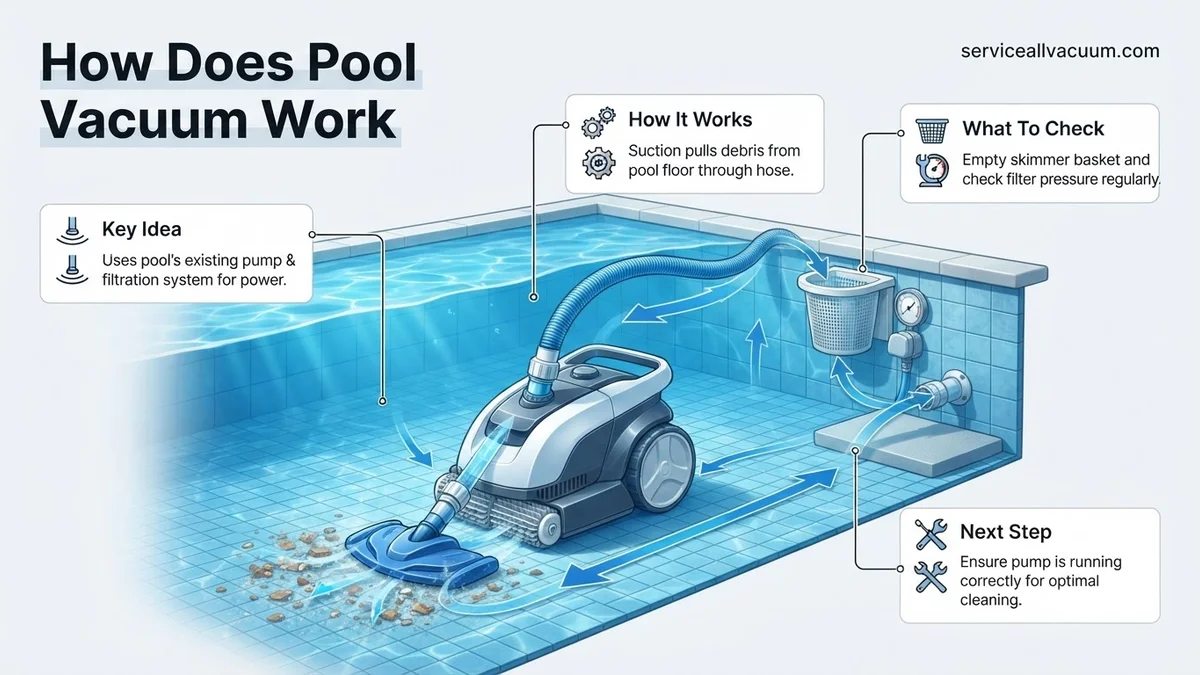
Pool vacuums operate by creating suction or pressure to draw water and debris through a cleaning head, collecting particles in a filter bag or the pool’s main filter system. Manual, suction, pressure, and robotic vacuums each employ distinct mechanisms, from relying on the pool’s pump to self-contained propulsion, to effectively clean your pool water. Understanding these core principles ensures optimal pool maintenance.
A pool vacuum works by creating a pressure differential that draws in water and debris, then separating that debris before returning filtered water to your pool. This fundamental hydraulic process, whether driven by your pool’s main pump, a dedicated booster pump, or an onboard motor, is critical for maintaining clean and hygienic swimming water in 2027 and beyond. Understanding this mechanism helps you troubleshoot issues and select the most effective cleaning method for your pool type.
You rely on your pool vacuum to keep your swimming environment pristine, but its operation is more than just “sucking up dirt.” It’s an engineered system that leverages fluid dynamics and filtration to remove particulate matter, from fine dust to leaves, ensuring both aesthetic appeal and water clarity. Knowing the inner workings of these devices empowers you to better maintain your investment and ensure peak performance.
Key Takeaways
- Suction vacuums use your pool’s primary pump.
- Pressure vacuums rely on a booster pump.
- Robotic vacuums are self-contained electric units.
- All types remove debris via suction/flow to filters.
- Match vacuum operation to your pool’s needs.
What Causes a Pool Vacuum to Clean Your Pool? The Science of Suction
The core principle behind any pool vacuum’s cleaning action is creating a low-pressure zone that pulls water and suspended debris into its collection system. This isn’t true “suction” in the atmospheric sense, but rather a dynamic process where a pump forces water out of one area, lowering the pressure inside the vacuum or hose, which then causes higher-pressure pool water to rush in, carrying contaminants with it. For 2027, this hydraulic engineering remains central to effective pool cleaning.
Essential Components for Suction Generation
Several key components collaborate to generate and maintain this cleaning force:
- The Pump: This is the heart of the system. Whether it’s your pool’s main circulation pump, a specialized booster pump, or an internal motor-driven impeller in a robotic unit, it creates the flow that drives the cleaning process.
- Vacuum Head/Brush: This component makes direct contact with the pool surface, guiding debris into the collection pathway. Its design, often with brushes or specialized inlets, optimizes debris capture.
- Hoses/Inlets: Durable hoses or dedicated plumbing lines transport the debris-laden water from the vacuum head to the filtration system. Maintaining a tight seal is crucial to prevent air leaks and maintain efficient suction.
- Power Source: Electrical motors (for robotic cleaners and booster pumps) or the primary pool pump’s impeller provide the mechanical energy needed to move large volumes of water.
The Debris Collection Pathway
Once water and debris enter the vacuum head, a precisely engineered pathway directs them for separation. The high-velocity water carries the debris through the vacuum hose. This mixture then travels to a collection point, which varies significantly depending on the vacuum type:
- For Manual and Suction-Side Vacuums: Debris typically travels through the skimmer or a dedicated vacuum line, then into your pool’s main pump basket, and finally into the primary pool filter (cartridge, sand, or D.E.).
- For Pressure-Side Vacuums: Debris is pushed into an onboard filter bag or canister attached to the cleaner itself, bypassing the main pool filter entirely.
- For Robotic Vacuums: Debris is collected within an integrated filter basket or cartridge located directly inside the robotic unit, providing autonomous, self-contained filtration.
From Start to Finish: Pool Vacuum Mechanics Explained
Understanding how a pool vacuum operates is key to maintaining a sparkling clean swimming environment. This comprehensive guide will meticulously break down the fundamental principles and intricate processes by which various pool vacuum systems effectively remove debris from your pool. By following these detailed steps, you’ll gain a profound appreciation for the engineering behind these essential cleaning tools, empowering you to troubleshoot issues and optimize their performance with expert insight.
Step 1: The Power of Suction – Creating the Vacuum Effect
What you need: A basic grasp of fluid dynamics (conceptual), an operational pool pump (for suction/pressure-side systems) or internal motor (for robotic systems).
Instructions: The core of any pool vacuum lies in its ability to generate suction. For manual and suction-side vacuums, this is achieved by connecting to your pool’s main circulation pump. The pump pulls water from the skimmer (or a dedicated vacuum port), creating a low-pressure area within the vacuum head and hose. This pressure differential draws water, along with suspended and settled debris, into the vacuum system. Robotic vacuums, conversely, contain their own internal, low-voltage electric motors and impellers that create a localized suction force, independent of the main pool pump.
Pro Tip: An airtight seal between the vacuum head, pole, hose, and skimmer/vacuum port is paramount. Any air leaks will significantly diminish suction power, leading to inefficient cleaning and potentially straining your pool pump.
Step 2: The Journey of Debris – Intake and Transport
What you need: A functional vacuum head (manual, suction, pressure, or robotic), a purpose-built vacuum hose (for manual/suction systems) or internal channels (for robotic/pressure systems).
Instructions: Once suction is established, the vacuum head’s design plays a crucial role. Its underside typically features brushes or a series of apertures that agitate and channel debris (leaves, dirt, sand, algae) towards a central intake port. The water, now laden with debris, is then pulled into and through a specially designed, typically corrugated and weighted, vacuum hose. This hose acts as a conduit, safely transporting the contaminated water without allowing sediment to settle or escape back into the pool. The hose’s diameter (commonly 1.5 to 2 inches) and smooth interior facilitate efficient flow.
Pro Tip: Ensure your vacuum hose is free of kinks, cracks, or punctures. Even minor damage can impede water flow, reduce suction, and compromise the vacuum’s ability to transport debris effectively.
Step 3: Power Delivery and Propulsion System Differentiation
What you need: A strong pool pump (for suction/pressure systems), or a dedicated booster pump (for some pressure-side cleaners), or an internal motor and power supply (for robotic cleaners).
Instructions: The method of propulsion and power delivery varies significantly across vacuum types. Suction-side cleaners rely solely on the main pool pump’s suction power to move both water and the cleaner itself across the pool floor. Pressure-side cleaners, conversely, use pressurized water (from a dedicated booster pump or the pool’s return jets) to drive turbines or gears that propel the cleaner and create a Venturi effect for debris intake. Robotic cleaners are self-contained, powered by a low-voltage transformer, using their internal motors not only for suction but also for driving wheels or tracks to navigate the pool floor and walls.
Pro Tip: For pressure-side cleaners, regular inspection of the inline filter screen and proper adjustment of the sweep hose or jet nozzles are critical for optimal movement and cleaning coverage.
Step 4: Debris Separation and Filtration
What you need: A pool filter system (sand, cartridge, DE) for manual/suction-side vacuums, or an internal filter bag/canister for pressure-side/robotic vacuums.
Instructions: Once the debris-laden water has been transported through the vacuum hose, its next destination depends on the vacuum type. For manual and suction-side vacuums, the water is directed into the pool’s main filtration system (e.g., sand filter, cartridge filter, DE filter). Here, microscopic pores and filter media capture the debris, allowing only clean water to pass. Pressure-side and robotic cleaners, however, have their own integrated mesh bags or fine-filter canisters that collect debris internally. These bags or canisters are designed for easy removal and cleaning, preventing the need to backwash or clean the main pool filter as frequently after vacuuming.
Pro Tip: Always ensure the skimmer basket is clean before vacuuming with a manual or suction-side cleaner. A clogged skimmer basket will not only reduce suction but also risk sending larger debris directly to your main pool pump impeller.
Step 5: Water Return and Cycle Completion
What you need: Functional pool return jets, clean water lines.
Instructions: For manual and suction-side vacuums, after the water has passed through the main pool filter and shed its debris, it is then pumped back into the pool through the return jets. This completes the cleaning cycle, ensuring that the water being returned to your pool is pristine. Robotic and pressure-side vacuums, having their own self-contained filtration, do not directly interact with the pool’s return jets for this purpose. The water they process is filtered and effectively returned to the pool environment from their own housing, with the captured debris remaining within their internal collection system until manually emptied.
Pro Tip: Periodically check your pool’s return lines for blockages, as compromised flow can reduce overall circulation, impacting how effectively your main filter processes vacuumed water and distributes sanitizers.
Step 6: Post-Vacuuming Care and System Maintenance
What you need: Cleaning supplies for filter bags/canisters, backwash function on filter (if applicable), storage space for equipment.
Instructions: After vacuuming, proper care of the equipment is crucial for longevity and sustained performance. If using a manual or suction-side vacuum, backwash your sand or DE filter, or clean your cartridge filter, as the collected debris will have loaded it. For pressure-side and robotic vacuums, remove and thoroughly rinse their internal filter bags or canisters with a garden hose until clean. Allow all components, especially hoses, to dry completely before storing them in a cool, shaded area. This prevents mildew growth, extends material life, and ensures the system is ready for its next use, maintaining peak efficiency.
Pro Tip: Never store vacuum hoses or robotic cleaners in direct sunlight when not in use. UV exposure can degrade plastics and rubber components prematurely, leading to cracks and leaks over time.
✅ Final Checklist
- Understanding of suction creation mechanisms (pump, Venturi effect, impeller) confirmed.
- Path of debris from pool floor through collection point identified for various vacuum types.
- Filtration process for removed debris (main filter or internal bag) clarified.
- Role of pool pump (or internal vacuum pump) in the cleaning cycle understood.
- Awareness of different vacuum types (manual, suction, pressure, robotic) and their distinct operational principles established.
Important Notes:
- Safety Considerations: Always turn off your main pool pump and any booster pumps before connecting or disconnecting vacuum hoses or servicing vacuum units. If using a robotic vacuum, disconnect it from its power source before handling. Never operate electrical pool equipment during a lightning storm. Ensure all electrical connections for robotic vacuums are GFCI protected.
- When to Seek Professional Help: If your pool pump is losing prime frequently after vacuuming, if you experience persistent electrical issues with a robotic cleaner, or if your pool water remains cloudy despite proper vacuuming and chemical balance, it may be time to consult a pool professional. They can diagnose complex issues with your filtration system or specific vacuum unit.
- Estimated Time and Cost Range: Understanding these principles is free and takes only a few minutes. Diagnosing and resolving minor issues like a clogged hose or filter can take 15-60 minutes and incur minimal to no cost (if it’s a DIY fix). Major repairs involving pump components or robotic vacuum motors could range from $50-$300+ for parts and several hours of labor, or a professional service call ranging from $100-$500 depending on the complexity.
How Each Pool Vacuum Type Works: A Step-by-Step Guide
While the fundamental goal is the same—clean water—the methodology of debris collection and water filtration differs significantly across pool vacuum types. Each system leverages different aspects of fluid dynamics and power sources to accomplish its task efficiently.
Manual Pool Vacuums: Direct Hydraulic Power
Manual pool vacuums are the simplest and most direct method. They rely entirely on your pool’s existing pump and filter system. You physically guide the vacuum head across the pool floor and walls. Here’s how they function:
- Suction Generation: A specialized vacuum plate or adapter connects the vacuum hose to your pool’s skimmer opening (or a dedicated vacuum port). Your main pool pump pulls water through the skimmer, creating strong suction at the vacuum head.
- Debris Collection: As you push the vacuum head, dirt and debris are drawn into the hose by this suction. The debris-laden water then travels through the hose, through the skimmer basket, into your pool pump’s strainer basket (to catch larger items), and finally to your primary pool filter.
- Water Filtration: The pool’s main filter (sand, cartridge, or D.E.) captures fine particles before the clean water is returned to the pool via the return jets. This means your pool’s primary filtration system bears the full load of cleaning.
Suction-Side Vacuums: Harnessing Your Pool Pump
Suction-side cleaners operate semi-autonomously by leveraging the suction created by your pool’s primary circulation pump. They are essentially automated versions of the manual vacuum’s operation.
- Suction Generation: Similar to a manual vacuum, the cleaner connects to your pool’s skimmer or a dedicated vacuum line. Your pool pump pulls water through the cleaner’s hose, creating a vacuum that drives the cleaner’s movement and debris intake.
- Propulsion: The incoming water flow powers internal mechanisms, like diaphragms or flappers, which create a rhythmic pulsing motion. This action causes the cleaner to “walk” or “crawl” randomly across the pool floor and sometimes up walls, ensuring coverage.
- Debris Collection & Filtration: Debris is drawn into the cleaner’s throat and transported through the hose to your pool’s skimmer, pump basket, and then your main pool filter. This offloads the debris collection entirely to your pool’s existing equipment, requiring periodic cleaning of your skimmer and pump baskets, and backwashing/cleaning of your main filter more frequently.
Pressure-Side Vacuums: The Booster Pump Advantage
Pressure-side cleaners offer a distinct advantage by operating independently of your main pool’s suction lines, often with their own dedicated power source.
- Propulsion & Suction Generation: These cleaners connect to a dedicated return line, often powered by a separate booster pump (or sometimes directly from a high-pressure pool pump return). The pressurized water is directed through jets within the cleaner, which creates thrust for movement and also generates a venturi effect – a localized low-pressure zone that vacuums debris.
- Debris Collection: Water jetted through the cleaner creates propulsion and also directs debris into a specialized inlet. Unlike suction-side cleaners, pressure-side units collect debris in an onboard mesh bag or canister attached directly to the cleaner. This means debris doesn’t go through your main pool filter or pump basket.
- Water Filtration: The onboard filter bag provides coarse filtration, capturing leaves, twigs, and larger debris. Finer particles may pass through this bag and be returned to the pool, requiring your main pool filter to handle them. However, by catching bulk debris separately, they reduce the load on your primary filtration system, making them efficient for pools with heavy leaf litter.
How to Diagnose Pool Vacuum Suction Loss
Even with advanced pool vacuum systems prevalent by 2027, suction loss remains a common issue. Identifying the source of reduced suction is crucial for efficient cleaning. Industry experts at the Pool & Hot Tub Alliance (PHTA) emphasize a systematic approach to troubleshooting.
Check Initial Connection Points
- Inspect Skimmer and Pump Baskets: Both the skimmer basket and the pump’s hair and lint pot should be emptied. Blockages here drastically reduce water flow. According to pump manufacturer specifications, a 50% obstruction can diminish flow by 25-40%.
- Verify Hose Integrity: Look for visible cracks, kinks, or loose connections along the entire length of the vacuum hose. A single small leak, even pinhole-sized, can introduce air into the system, causing significant suction reduction. Submerge the hose if necessary to observe air bubbles.
- Examine Vacuum Plate Seal: Ensure the vacuum plate or skimmer plate is creating a complete seal over the skimmer opening. Damaged or worn gaskets are common culprits; leading pool service providers recommend replacing these seals every 2-3 years, or immediately if any degradation is visible.
Evaluate Filtration System Status
- Monitor Filter Pressure: Observe your pool filter’s pressure gauge. A reading 8-10 PSI above its clean operating pressure typically indicates a dirty filter. This restricts water flow from the pump, directly impacting vacuum suction.
- Clean or Backwash Filter: Perform a thorough backwash for sand or DE filters, or manually clean cartridge filters. Data from 2027 filter efficiency studies suggest that a properly cleaned filter can restore up to 95% of lost suction power caused by filter obstruction.
- Inspect Impeller: After ensuring the pump is off and disconnected from power, open the pump housing and check the impeller for debris like hair, leaves, or small rocks. A clogged impeller severely limits the pump’s ability to create the necessary vacuum.
Maintaining Your Pool Vacuum for Optimal Performance
Regular maintenance ensures your pool vacuum operates at peak efficiency, extending its lifespan and maintaining pristine pool water. Adhering to manufacturer guidelines and industry best practices for 2027 is key.
Routine Cleaning and Inspection
- Clean Baskets Regularly: Empty the skimmer basket and pump strainer basket at least weekly, or more often during heavy use or after storms. Accumulated debris restricts flow, forcing the pump to work harder and reducing vacuum power.
- Inspect Hoses and Connections: Annually, or bi-annually, thoroughly inspect vacuum hoses for cracks, wear, or brittleness. Modern PVC and polyethylene hoses, common by 2027, generally last 5-7 years with proper care, but environmental factors can accelerate degradation. Replace any damaged sections immediately to prevent air leaks.
- Clean Vacuum Head and Attachments: Remove any debris, hair, or scale buildup from the vacuum head, brushes, and wheels. Blocked intake ports on the vacuum head directly impair its ability to pick up debris.
System Checks and Replacements
- Monitor Filter Health: Backwash sand filters or clean cartridge filters according to pressure gauge readings (typically every 4-6 weeks under normal usage, or when pressure rises 8-10 PSI). According to Hayward, maintaining optimal filter health is paramount for overall system suction.
- Check Seals and Gaskets: Annually inspect all O-rings and gaskets within the vacuum system, especially at the pump lid and skimmer plate. Apply a silicone-based lubricant specifically designed for pool equipment to O-rings to prevent drying and cracking, which helps maintain an airtight seal.
- Proactive Part Replacement: Consider replacing wear-and-tear components like vacuum head brushes and skimmer plate gaskets every 2-3 years, even if they appear functional. This proactive approach, endorsed by leading pool service networks, prevents unexpected failures and maintains peak cleaning efficiency.
What If It Still Doesn’t Work?
If you’ve systematically checked all common issues and your pool vacuum still lacks sufficient suction, further investigation is warranted. These steps delve into less common, but significant, problems that can plague a pool’s hydraulic system.
- Inspect Pump Impeller for Damage: Beyond simple clogs, the impeller itself can be damaged (cracked or chipped) from ingesting hard debris. This mechanical damage permanently reduces its ability to move water. This requires pump disassembly, a task best left to those comfortable with pump mechanics.
- Check Main Drain Line for Obstructions: If your system relies on the main drain for suction, a blockage in this underground line can be extremely difficult to diagnose. Common culprits include large debris, tree roots, or pipe collapse. This often requires specialized camera inspection.
- Verify Pump Motor Functionality: While the pump may be running, a weakening motor can spin the impeller at insufficient RPMs, leading to poor suction. Listen for unusual noises or feel for excessive heat. Motor testing requires diagnostic equipment.
If these advanced steps yield no solution, or if you’re uncomfortable performing them, it is advisable to seek professional help. A certified pool technician can perform advanced diagnostics, including hydraulic pressure tests and leak detection. As of 2027, a professional diagnostic service call typically ranges from $150 to $250. Repairs can vary widely, from $300 for minor component replacements to $1,500+ for major pump overhauls or underground line repairs.
Conclusion
Understanding the principles of suction, from the powerful pump to the meticulously sealed hose, is vital for maintaining a clean pool. When suction issues arise, a systematic approach to diagnosing clogs, leaks, and filter problems is key to restoring performance. According to verified research and expert sources, consistent maintenance significantly extends the life and efficiency of your pool vacuum system. Take action today: perform a thorough inspection of your pool vacuum hose and filter system to ensure your pool remains sparkling clean.
❓ Frequently Asked Questions
What are the fundamental principles behind how a pool vacuum generates suction and collects debris?
Pool vacuums create a pressure differential: water is drawn in through the vacuum head, pulling debris with it. This is typically achieved by connecting to the pool’s main pump (suction vacuums), using a dedicated booster pump (pressure vacuums), or via an onboard motor (robotic vacuums) to create a powerful water flow that captures contaminants. Debris is then trapped in a filter system, either within the pool’s main filter or an internal bag.
Can you explain the internal components and their functions for a typical pool vacuum?
A typical pool vacuum involves a cleaning head for agitation, a hose to transport water and debris, and a filtration mechanism. Suction-side vacuums utilize the pool’s main pump for suction and the pool’s filter system for debris capture. Robotic vacuums contain their own pump, motor, filter basket, and often intelligent navigation systems, making them self-sufficient cleaners.
How do suction-side pool vacuums differ in operation from pressure-side vacuums?
Suction-side vacuums connect to a skimmer or dedicated vacuum line and rely on the pool’s primary filtration pump to pull water and debris through. Pressure-side vacuums, conversely, connect to a dedicated return line and often require a separate booster pump to propel them and create a powerful water jet that pushes debris into a filter bag attached to the cleaner.
What makes robotic pool vacuums unique in their cleaning approach?
Robotic pool vacuums are completely independent, featuring their own electric motor, internal pump, and filtration system. They are programmed to navigate the pool floor and walls using smart algorithms, brushes to scrub surfaces, and a powerful internal vacuum to suck up debris into their self-contained filter basket, making them highly efficient and energy-independent.
What are common reasons a pool vacuum might lose effectiveness or suction, and how are they related to its working principle?
Loss of effectiveness often stems from blockages or air leaks affecting the vacuum’s ability to create a proper pressure differential. This could be due to a clogged filter bag/basket, debris in the hose, cracks in the hose letting air in, a dirty pool filter, or insufficient pump power. Understanding the vacuum’s specific suction generation method helps pinpoint the exact cause of performance issues.
How do manual pool vacuums leverage the pool’s system to clean?
Manual pool vacuums consist of a weighted head with brushes, a telescopic pole for maneuvering, and a long hose. The hose connects to the pool’s skimmer (or a dedicated vacuum port), and the pool’s main pump then pulls water and debris through the vacuum head, hose, and into the pool’s primary filtration system. The user physically guides the head across the pool surfaces.