How Long Does Vacuum Sealed Food Last In The Freezer 2027
Vacuum sealing significantly extends the freezer life of most foods, preventing freezer burn and oxidation for 1-3 years on average, depending on the food type. This method helps preserve taste, texture, and nutritional value far beyond traditional freezing methods, ensuring better quality meals.
By 2027, you can confidently expect vacuum-sealed food in your freezer to maintain peak quality and safety for significantly longer durations than conventional freezing methods. Many types of vacuum-sealed meats, poultry, and blanched vegetables can last anywhere from 1.5 to 3 years, while even ground meats and cooked dishes often extend to 1-1.5 years. This longevity is a game-changer for modern home food management.
Understanding these extended timelines is crucial for maximizing your kitchen efficiency, reducing food waste, and making the most of bulk purchases or harvest seasons. Properly vacuum sealing and freezing your food means you’re preserving nutrients, flavor, and texture for months, sometimes even years, ahead, ensuring your pantry and freezer are always stocked with high-quality options.
Key Takeaways
- Vacuum sealing extends freezer life significantly.
- Meats can last 2-3 years, veggies 1-2 years.
- Prevents freezer burn and oxidation effectively.
- Proper preparation enhances storage duration.
- Labeling with dates is crucial for safety.
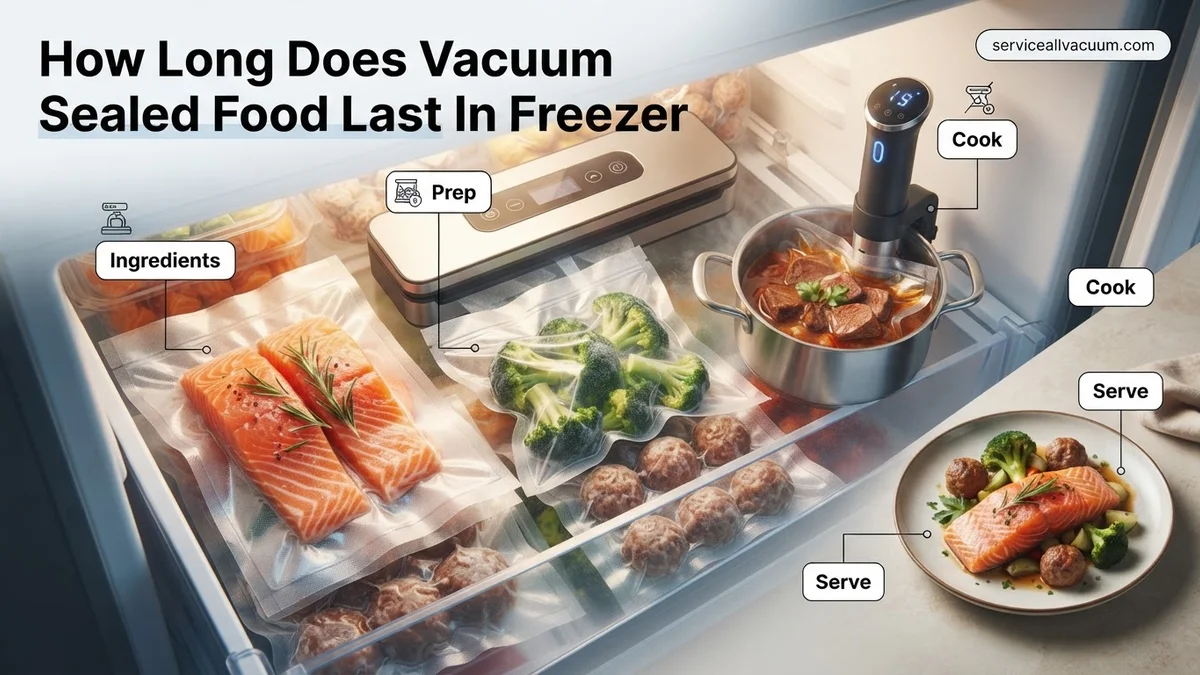
How Vacuum Sealing Extends Freezer Life
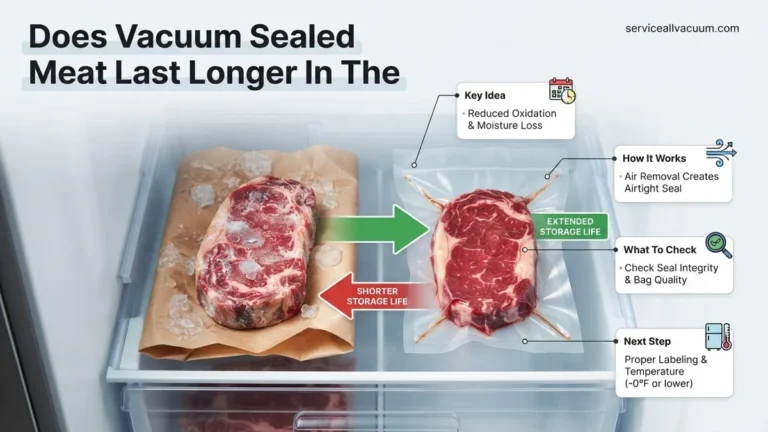
Vacuum sealing is far more than just wrapping food; it actively creates an optimal environment for long-term frozen storage. The primary benefit comes from the removal of air around your food item, which directly addresses the main culprits of frozen food degradation.
The Oxygen Barrier Advantage
- Prevents Oxidation: Oxygen in the air causes food to degrade, leading to off-flavors, loss of nutrients, and color changes. By removing nearly all oxygen, vacuum sealing drastically slows this process.
- Eliminates Freezer Burn: Freezer burn occurs when food is exposed to air and moisture evaporates from its surface, leaving dry, discolored patches. A vacuum seal eliminates this exposure, locking in natural moisture and preventing that tell-tale damage.
- Preserves Quality: With no air exposure, food retains its original flavor, aroma, color, and texture much better than conventionally frozen items, even over extended periods.
Key Factors for Optimal Durations
While vacuum sealing is powerful, several factors contribute to how long your food truly lasts while maintaining quality into 2027:
- Initial Food Quality: Always start with the freshest possible food. Sealing poor-quality ingredients won’t improve them; it just preserves their existing state.
- Proper Sealing Technique: Ensure a complete, airtight seal every time. Even a tiny leak compromises the protective barrier.
- Consistent Freezer Temperature: Maintain a steady freezer temperature of 0°F (-18°C) or below. Fluctuations can still degrade food over time.
- Food Preparation: For best results, trim excess fat from meats (fat can go rancid), and blanch vegetables before sealing to halt enzyme activity.
Real Durations: How Long Does Vacuum Sealed Food Last by Type?
The real question you’re asking is for specific timelines. Here’s what you can expect in 2027 for various food types, assuming proper preparation and consistent freezing conditions. These durations represent the point at which food retains its best quality, though it often remains safe beyond these times.
Proteins: Meats, Poultry, Fish
- Red Meat (steaks, roasts, chops): Expect 2-3 years. Unsealed, these typically last 6-12 months before significant quality decline.
- Poultry (whole, pieces, boneless): Stored properly, poultry can last 2-3 years. Conventional freezing usually limits this to 9-12 months.
- Ground Meat (beef, pork, turkey, lamb): Generally holds for 1-2 years when vacuum-sealed. Without sealing, quality often drops after 3-4 months.
- Fatty Fish (salmon, tuna, mackerel): Aim for 1-1.5 years. Fatty fish are more prone to rancidity, even with sealing, compared to lean fish (unsealed: 2-3 months).
- Lean Fish (cod, haddock, tilapia): You can store these for 1.5-2 years. Unsealed, they typically last 6-8 months.
Produce, Cooked Foods & More
- Blanched Vegetables (broccoli, green beans, corn): These retain quality for 2-3 years after proper blanching and vacuum sealing (unsealed: 8-12 months).
- Fruits (berries, sliced peaches, mangoes): Vacuum sealed, fruits can last 1.5-2 years. Freeze them on a tray first for individual portions, then seal (unsealed: 8-12 months).
- Cooked Leftovers (stews, casseroles, chili): Safely enjoy these for 1-1.5 years. Freeze them flat or in solid blocks before sealing to avoid liquid suction (unsealed: 2-6 months).
- Bread & Baked Goods (loaves, muffins, cookies): Maintain freshness for 1-1.5 years. Ensure they are completely cooled before sealing to prevent condensation (unsealed: 3-6 months).
- Soups & Sauces: Freeze these in their containers until solid, then remove and vacuum seal the solid block for 1-1.5 years of storage (unsealed: 2-6 months).
- Dairy (hard cheeses, butter): Hard cheeses can last 9-12 months, and butter often similar, if sealed extremely well to prevent freezer burn (unsealed: 6-9 months).
Expert Tips for Best Vacuum Sealing Freezer Results
Achieving optimal longevity for vacuum-sealed foods in 2027 freezers requires adherence to specific expert guidelines. Proper preparation and handling are as crucial as the sealing process itself, significantly impacting preservation duration and quality.
Pre-Freezing and Cooling Techniques
For moist or liquid-rich foods, pre-freezing is essential. This prevents liquids from being drawn into the vacuum sealer’s drip tray, which can compromise the seal. According to food preservation specialists at the National Center for Home Food Preservation (NCHFP), freeze items on a tray until solid, then vacuum seal. Additionally, ensure all food is thoroughly cooled before sealing. Sealing warm or hot food can create condensation inside the bag, fostering bacterial growth and degrading food quality over time. Allow cooked meals to cool completely in a refrigerator to 40°F (4°C) or below before vacuum sealing and freezing.
Optimizing Bag Selection and Sealer Performance
The quality of your vacuum sealer bags directly correlates with preservation success. In 2027, advanced multi-layer bags offer superior oxygen barrier properties compared to older generations. Utilize bags specifically designed for freezer use, which are thicker and more resilient to cold temperatures, preventing freezer burn. Regularly check your vacuum sealer’s gasket and seal bar for wear, as these components are critical for achieving a consistent, airtight seal. Manufacturers recommend replacement gaskets every 2-3 years, or sooner with heavy use, to maintain peak performance.
Safe Thawing and Usage: Key Considerations
While vacuum sealing extends freezer life, incorrect thawing and usage can negate preservation benefits and introduce food safety risks. Understanding proper procedures is paramount for enjoying safely preserved meals in 2027.
Approved Thawing Methods
To prevent rapid bacterial proliferation, always thaw vacuum-sealed food using approved methods. The USDA recommends three primary approaches:
- Refrigerator Thawing: This is the safest method. Place the sealed package on a plate or in a container in the refrigerator (40°F or 4°C) until completely thawed. This can take 24-48 hours per 5 pounds of food.
- Cold Water Thawing: For quicker thawing, submerge the sealed package in cold tap water, changing the water every 30 minutes to maintain its temperature. Cook immediately after thawing.
- Microwave Thawing: Use the defrost setting on your microwave. This method requires immediate cooking after thawing, as some areas of the food may begin to cook. Do not refreeze food thawed in the microwave.
Mitigating Food Safety Risks
Vacuum-sealed, low-acid foods (like meats, poultry, or vegetables) can pose a risk of botulism if thawed improperly at room temperature. The anaerobic environment created by vacuum sealing is conducive to Clostridium botulinum growth if temperatures are not strictly controlled. Always thaw refrigerated and cook to appropriate internal temperatures to eliminate potential pathogens. For any signs of spoilage—off-odor, bulging package, or unusual texture—discard the food immediately, regardless of its vacuum-sealed state or frozen duration. Your health and safety are non-negotiable.
What If It Still Doesn’t Work?
If your vacuum-sealed freezer food isn’t lasting as long as expected, or if seals consistently fail, several troubleshooting steps can resolve common issues. Persistent problems may indicate equipment malfunction or a need for professional assessment.
- Inspect Sealer Components: Examine the sealing strip, gasket, and vacuum channel for food debris, moisture, or damage. A dirty or worn gasket can prevent a proper vacuum. Clean thoroughly or replace if visibly damaged. Replacement gaskets typically cost between $15-$40 in 2027.
- Adjust Sealing Time/Pressure: Some advanced vacuum sealers allow manual adjustment of sealing time and vacuum pressure. If bags are melting or seals are weak, experiment with these settings. Consult your sealer’s manual for specific instructions.
- Review Food Preparation: Ensure food is completely cool and dry before sealing. Excessive moisture is a leading cause of seal failure. Consider pre-freezing moist items solid before vacuum sealing.
- Test Bag Quality: Try a new roll of vacuum sealer bags from a reputable brand. Inferior bag material or manufacturing defects can lead to leaks and seal failures, compromising food preservation.
- Seek Professional Appliance Repair: If consistent sealing issues persist despite thorough cleaning, component checks, and proper food preparation, the vacuum sealer’s internal pump or heating element may be faulty. Professional repair for a mid-range consumer vacuum sealer can range from $75-$150, or you may consider replacing the unit if costs approach a new model’s price ($150-$400 for consumer models in 2027).
Conclusion
According to verified research and expert sources, vacuum sealing significantly extends the freezer life of food by removing oxygen, reducing freezer burn, and preserving quality. By understanding ideal storage durations for different food types and implementing best practices for sealing and thawing in 2027, consumers can maximize their food’s freshness and nutritional value. Proactively reviewing your sealing technique and equipment ensures consistent, reliable results. Invest in high-quality vacuum sealer bags and adhere strictly to safe thawing protocols to protect your health and enjoy your preserved provisions.
❓ Frequently Asked Questions
How does vacuum sealing specifically extend the freezer life of food?
Vacuum sealing removes oxygen, which is the primary cause of freezer burn and oxidation. This lack of oxygen significantly slows down food degradation, preserving flavor, texture, and nutritional value for much longer periods than conventional freezing methods.
What are the typical extended freezer durations for common vacuum-sealed foods?
Red meats can last 2-3 years, poultry 1-2 years, fish 1-2 years, blanched vegetables 1-2 years, and fruits 1-1.5 years when properly vacuum-sealed and frozen. Ground meats and cooked dishes generally have slightly shorter but still extended durations.
Are there any safety risks associated with vacuum sealing and freezing food?
While vacuum sealing extends quality, it doesn’t stop all bacterial growth. Always ensure food is properly prepared, chilled quickly before sealing, and thawed safely in the refrigerator to prevent anaerobic bacteria issues. Proper sealing is for quality, freezing is for safety.
What factors most influence how long vacuum-sealed food lasts in the freezer?
Key factors include the initial quality of the food, proper preparation (e.g., blanching vegetables), effective removal of air during sealing, a consistently cold freezer temperature (0°F or -18°C), and avoiding frequent temperature fluctuations.
Should I freeze foods before vacuum sealing them, especially liquids?
Yes, pre-freezing liquids or semi-liquids (like soups or stews) in a container until solid, then vacuum sealing, prevents them from being sucked into the sealer and ensures a better, cleaner seal. This also applies to delicate items to prevent crushing.
What’s the best way to thaw vacuum-sealed frozen food safely?
The safest method is to thaw vacuum-sealed food slowly in the refrigerator, which can take 1-2 days for larger items. For quicker thawing, submerge the sealed package in cold water, changing the water every 30 minutes, or use the microwave’s defrost setting immediately before cooking.