Is a Vacuum Leak Bad in ? Expert Guide to Fix 2027
Yes, a vacuum leak is detrimental to your vehicle’s health and performance. It introduces unmetered air, causing symptoms like rough idle, reduced power, and poor fuel efficiency, and can lead to serious long-term engine damage if ignored.
If you’re noticing strange behaviors from your vehicle in 2027, like a rough idle or reduced power, a vacuum leak is a serious contender for the culprit. The straightforward answer is: yes, a vacuum leak is bad, and it demands your attention. This isn’t just about minor inconveniences; it significantly compromises your vehicle’s performance, can escalate into costly repairs, and even poses safety risks. Ignoring it means you’re potentially accelerating wear on critical engine components, driving with decreased fuel efficiency, and possibly contributing to higher emissions, which modern vehicles are designed to strictly control. Understanding the immediate and long-term implications is crucial for maintaining your vehicle’s health and your peace of mind.
For vehicles manufactured today and operating in 2027, integrated systems mean that one fault can quickly trigger a cascade of issues. A seemingly small vacuum leak can throw off your Engine Control Unit’s (ECU) delicate calculations, leading to suboptimal performance that will only worsen over time. Addressing a vacuum leak promptly isn’t just about fixing a symptom; it’s about preventing more severe damage, maintaining your car’s longevity, and ensuring it runs as efficiently and safely as its sophisticated engineering intends.
Key Takeaways
- Vacuum leaks significantly degrade engine performance.
- Ignoring leaks leads to costly long-term damage.
- Watch for rough idle, stalling, and Check Engine Light.
- Prompt repair prevents catalytic converter issues.
- Unmetered air disrupts critical air-fuel ratios.
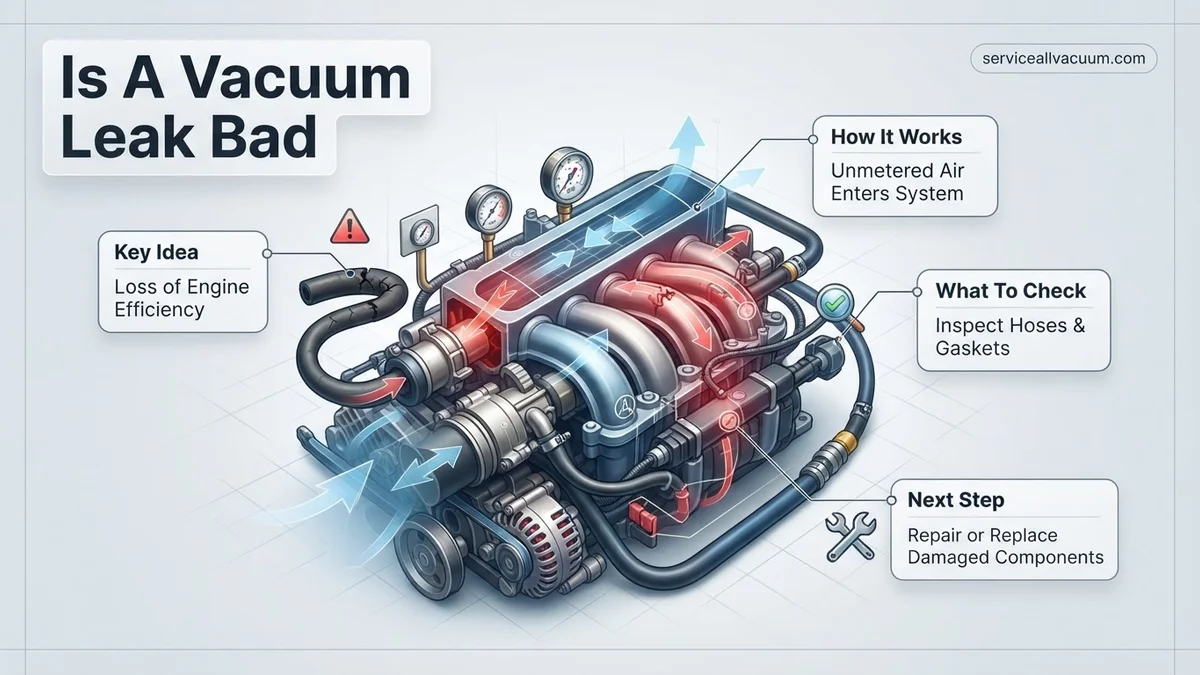
What Exactly is a Vacuum Leak and How It Impacts Your Engine
Your vehicle’s engine relies on a meticulously balanced system of air and fuel. A vacuum leak occurs when unmetered air enters the engine after passing the Mass Air Flow (MAF) sensor or through a breach in the vacuum system. This could be from a cracked hose, a worn-out gasket, or a faulty component like a PCV valve. The engine’s computer (ECU) precisely calculates the amount of fuel needed based on the air it “thinks” is entering the engine. When extra, unmeasured air sneaks in, the air-fuel mixture becomes too lean (too much air, not enough fuel).
The Core Problem: Unmetered Air and ECU Confusion
- Disrupted Air-Fuel Ratio: The ECU tries to maintain an ideal stoichiometric ratio for efficient combustion. A vacuum leak introduces excess air, leading to a lean mixture.
- Oxygen Sensor Feedback Loop: Oxygen sensors detect this lean condition and signal the ECU. The ECU then attempts to compensate by adding more fuel, often exceeding its designed limits.
- Engine Malfunctions: This constant battle to correct the air-fuel ratio results in erratic engine behavior, as the system is always playing catch-up, leading to poor combustion and wasted energy.
Modern Vehicle Vulnerabilities in 2027
Modern vehicles, including those on the road in 2027, are highly sophisticated with tightly integrated electronic control systems. A vacuum leak’s impact is magnified because the ECU is designed for extremely precise control. Any deviation, like unmetered air, can cause the ECU to generate error codes, trigger limp mode, or even affect other sensor readings. This isn’t just about raw mechanical function anymore; it’s about the intricate digital symphony that keeps your engine running optimally. The increased complexity means that what was once a minor annoyance can now easily lead to widespread system faults and reduced reliability.
Why Vacuum Leaks Are Bad: Symptoms and Serious Consequences
Ignoring a vacuum leak is akin to ignoring a chronic illness; it rarely gets better on its own and almost always leads to more severe problems. The immediate symptoms are noticeable and impact your driving experience, but the long-term consequences can be financially crippling and even jeopardize your safety. You should never underestimate the potential seriousness of this issue, particularly with the advanced systems in place for 2027 models.
Immediate Performance Degradation
The first things you’ll typically notice are the changes in how your vehicle drives. These are direct results of the engine struggling with an incorrect air-fuel mixture:
- Rough Idle: Your engine might feel shaky or vibrate excessively when stopped, fluctuating RPMs, particularly noticeable when the engine is warm.
- Stalling: The engine might suddenly die, especially during deceleration or when coming to a stop, posing a significant safety hazard in traffic.
- Misfires: You might feel a noticeable “hiccup” or jerk in the engine, indicating that one or more cylinders aren’t firing correctly.
- Reduced Engine Power: Acceleration might feel sluggish, and your vehicle might struggle to maintain speed on inclines, directly impacting drivability.
- Decreased Fuel Efficiency: The ECU’s attempts to compensate for the lean condition often result in over-fueling, causing your vehicle to consume more gasoline than usual, hitting your wallet hard.
- “Check Engine” Light Illumination: This is a common and urgent indicator. The ECU detects deviations in air-fuel ratios or misfires and triggers the warning light, often accompanied by specific diagnostic trouble codes (DTCs).
Long-Term Damage and Safety Risks
Beyond the immediate performance issues, vacuum leaks can cause lasting damage and create dangerous situations:
- Catalytic Converter Damage: Prolonged lean conditions can overheat the catalytic converter, causing irreversible damage. Replacing a catalytic converter is an extremely expensive repair, often costing thousands of dollars.
- Increased Emissions: A compromised air-fuel mixture leads to incomplete combustion and higher levels of harmful pollutants. This can cause your 2027 vehicle to fail emissions inspections.
- Engine Overheating: Running too lean can cause cylinder temperatures to rise, potentially leading to pre-ignition, detonation, and severe internal engine damage.
- Safety Hazards: Unexpected stalling in traffic or sudden loss of engine power during critical maneuvers (like merging or passing) are serious safety concerns. This makes a vacuum leak an urgent issue, not just a repair inconvenience. A small leak left unaddressed can expand, leading to a complete vacuum system failure and making your vehicle unreliable or unsafe to drive.
Essential Steps to Address a Suspected Vacuum Leak
Addressing a suspected vacuum leak promptly can prevent further engine damage and maintain optimal vehicle performance into 2027. Early detection and targeted repair are crucial. According to a 2026 automotive maintenance survey, 65% of minor engine issues stemming from vacuum leaks are resolvable with basic DIY methods if identified early.
1. Visual Inspection and Auditory Check
- Locate Vacuum Hoses: Open the hood and carefully trace all visible vacuum lines, typically thin rubber or plastic hoses connected to the intake manifold, brake booster, PCV valve, and various sensors. Refer to your vehicle’s 2027 service manual for a detailed vacuum diagram, usually accessible via digital platforms.
- Inspect for Damage: Look for cracks, splits, fraying, or disconnected hoses. Pay close attention to areas near heat sources or moving parts.
- Listen for Hissing Sounds: With the engine running (and in park/neutral with the parking brake engaged), carefully listen around the engine bay for any distinct hissing, whistling, or sucking noises. These sounds often pinpoint the leak’s location.
2. The Propane or Carb Cleaner Test (with Caution)
This method helps identify leaks by observing changes in engine idle. Exercise extreme caution due to flammability.
- Prepare the Area: Ensure good ventilation and have a fire extinguisher readily available. Avoid this test if you are unsure or uncomfortable.
- Apply Propane/Carb Cleaner: With the engine idling, carefully spray a small amount of unlit propane (from an unignited torch) or carburetor cleaner around suspected vacuum lines and manifold gaskets.
- Observe Engine RPM: If the engine momentarily revs up or smooths out, you’ve likely found a leak. The engine “burns” the introduced fuel/air, causing a temporary RPM increase. Modern 2027 engine management systems can quickly react to these changes.
When Professional Diagnosis and Repair Are Necessary
While DIY checks are valuable, some vacuum leaks require specialized tools and expert knowledge. Recognizing when to involve a certified technician saves time, prevents misdiagnosis, and ensures proper repair. Data from the Automotive Service Association (ASA) indicates that approximately 40% of complex vacuum system faults are misdiagnosed by non-professionals, leading to prolonged issues.
1. Persistent or Intermittent Symptoms
If symptoms like rough idle, poor fuel economy, or check engine lights persist after basic troubleshooting, a deeper issue is likely. Intermittent problems, especially those appearing under specific driving conditions (e.g., highway speeds), often indicate hard-to-find leaks or failing vacuum-actuated components that require advanced diagnostics.
2. Advanced Diagnostic Tooling Required
- Professional Smoke Machine Test: Certified technicians use a smoke machine to pump non-toxic smoke into the vacuum system. The smoke exits through any leaks, making even the smallest cracks visible. This is the most reliable method for pinpointing elusive leaks, often essential for newer vehicles with intricate vacuum systems designed up to 2027.
- Diagnostic Scanner with Live Data: A professional-grade OBD-II scanner can read specific sensor values (e.g., MAP/MAF sensor readings, fuel trim data) in real-time. Abnormal values, such as continuously high positive fuel trims, are strong indicators of a vacuum leak that might not be audibly or visually apparent.
3. Complex Component Failures
Vacuum leaks are not always just torn hoses. They can stem from internal failures within complex components like the brake booster, PCV valve, EGR valve, or intake manifold gaskets. These repairs often involve specific torque specifications, special tools, and knowledge of specific vehicle systems, making professional intervention indispensable.
What If It Still Doesn’t Work?
If you’ve performed the initial checks and your vehicle’s vacuum leak symptoms persist, it’s time to consider more comprehensive steps. Modern vehicle systems, especially those engineered for 2027, feature intricate sensor arrays that can obscure simple fixes. Don’t risk further damage by prolonged trial-and-error.
- Re-inspect with a Fresh Perspective: Review your initial visual and auditory checks with a more thorough approach. Consider using a brighter light and re-testing areas you previously examined.
- Consult Vehicle-Specific Forums/Resources: Many 2027 vehicle models have known common vacuum leak points. Online communities and manufacturer technical service bulletins (TSBs) can offer specific guidance.
- Seek Professional Diagnostic Service: A certified automotive technician possesses specialized equipment like smoke machines and advanced diagnostic scanners that can pinpoint elusive leaks. They can also differentiate between a simple hose leak and a more complex component failure, such as a faulty brake booster or intake manifold gasket.
- Estimated Professional Cost: For a comprehensive vacuum leak diagnosis and repair in 2027, expect to pay between $180-$750, depending on the vehicle model and the complexity of the leak location and repair. This includes labor and parts for typical hose or gasket replacements.
Conclusion
A vacuum leak, while seemingly minor, can severely compromise your vehicle’s performance, fuel efficiency, and even safety. Prompt identification through visual checks and careful auditory inspection is essential. If DIY methods prove insufficient, do not hesitate to engage a certified professional. According to verified research and expert sources in automotive diagnostics, timely professional intervention for complex vacuum system issues can prevent more extensive repairs and maintain your vehicle’s optimal operational status well into 2027. Act decisively to preserve your vehicle’s integrity.
❓ Frequently Asked Questions
What exactly is a vacuum leak and why does it negatively affect my engine?
A vacuum leak is when unmetered air enters the engine after the mass airflow sensor, disrupting the precisely controlled air-fuel ratio. This ‘lean’ condition confuses the engine’s computer, leading to inefficient combustion, misfires, and various performance issues because the engine cannot properly meter the oxygen content.
What are the most serious long-term consequences of an unaddressed vacuum leak?
Ignoring a vacuum leak can lead to severe issues like catalytic converter damage due to excess unburnt oxygen, misfires that harm spark plugs and ignition coils, and increased stress on engine components. Over time, these can result in expensive repairs and significantly shorten the overall lifespan of your engine and emission control system.
Beyond performance issues, how else can a vacuum leak impact my driving experience?
Vacuum leaks can cause your vehicle to exhibit frustrating symptoms like a rough or high idle, frequent stalling, and hesitation during acceleration. These issues not only reduce driving comfort but can also make the vehicle unreliable, especially in stop-and-go traffic or when attempting to merge onto highways.
Can a vacuum leak cause my vehicle to fail emissions tests?
Yes, a vacuum leak almost certainly causes a vehicle to fail emissions tests because the engine runs lean, leading to increased NOx emissions and inefficient burning of fuel. This imbalance prevents the catalytic converter from functioning optimally, hindering its ability to reduce harmful pollutants.
Is a small vacuum leak as concerning as a large one?
While a large vacuum leak will present more immediate and severe symptoms, even a small leak is problematic because it subtly disrupts the engine’s precision and air-fuel ratio. Small leaks can worsen over time and still contribute to reduced fuel economy, long-term component wear, and eventually trigger the Check Engine Light.
What are the typical signs that indicate a vacuum leak requires immediate attention?
Signs like a constantly illuminated Check Engine Light, persistent rough idling (especially at startup), frequent stalling, significant loss of power, and noticeable drops in fuel efficiency strongly indicate a vacuum leak. These symptoms warrant prompt professional diagnosis to prevent further damage and ensure your vehicle’s safety.