Do You Need Vacuum Seal for Sous Vide? Expert Guide 2027
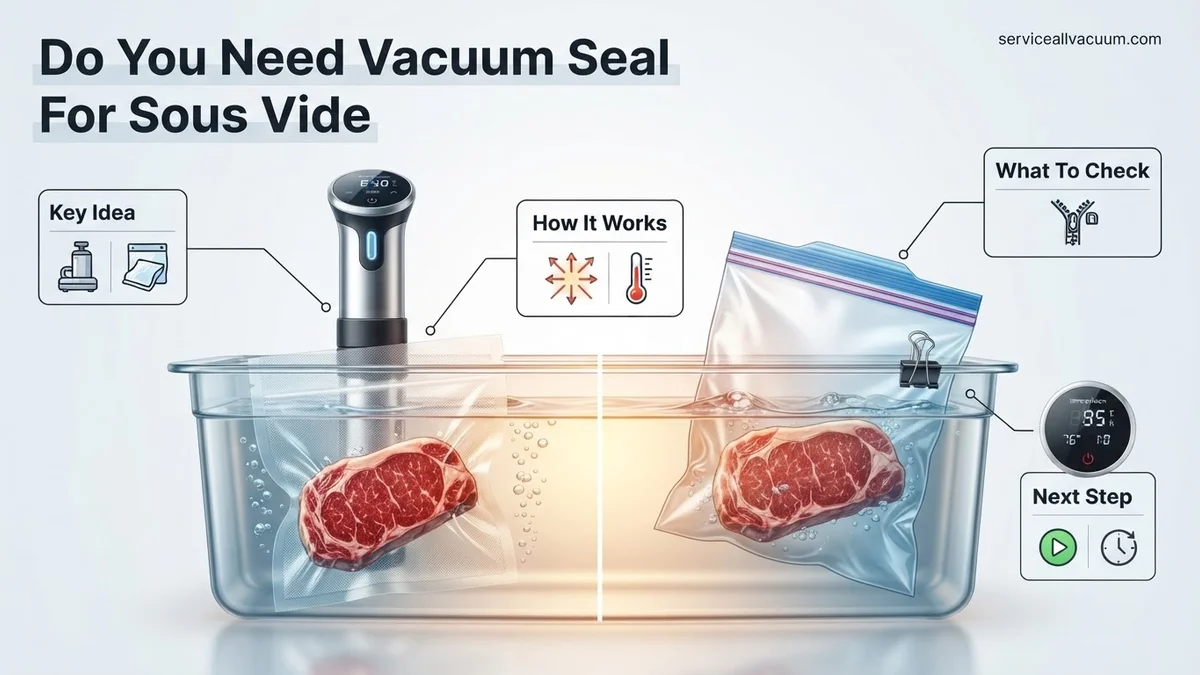
While vacuum sealing is the ideal method for sous vide, it’s not strictly required. The water displacement method offers a reliable alternative for removing air from bags, ensuring efficient heat transfer and consistent cooking.
No, a dedicated vacuum seal isn’t an absolute requirement for successful sous vide cooking in 2027, but it remains the undisputed gold standard for consistent, high-quality results. While you can achieve excellent outcomes with alternative methods, understanding why vacuum sealing is so effective helps you make informed choices. This isn’t just about sealing food; it’s about optimizing heat transfer, ensuring food safety, and guaranteeing the perfect texture every time. Your choice of bagging method directly impacts how evenly your food cooks and how safe it is to consume.
The primary goal in sous vide is uniform temperature control. Any air trapped around your food creates an insulating barrier, preventing the precise heat of the water bath from reaching every surface efficiently. This practical consideration is paramount for anyone serious about mastering this revolutionary cooking technique, whether you’re preparing a weeknight meal or a celebratory feast.
Key Takeaways
- Vacuum seal isn’t strictly required for sous vide.
- Water displacement is a proven, effective alternative.
- Crucially, remove all air for even cooking.
- Vacuum sealing offers the best consistency.
- Choose bagging method based on cook time.
What Causes Uneven Sous Vide Cooking Without a Vacuum Seal?
The Air Pocket Problem: Why It Matters
The core issue when not vacuum sealing is trapped air. Air is a poor conductor of heat compared to water. When air pockets surround your food in a bag, they create insulating zones. This means that while your sous vide circulator maintains the water bath at a perfect 130°F (54°C) for a steak, those air pockets can prevent that exact temperature from reaching certain parts of the meat. The result? Unevenly cooked food – some parts perfectly tender, others still slightly undercooked or overcooked, especially around the edges of the air bubble. This directly contradicts the fundamental principle of sous vide: precise, even cooking from edge to edge. In 2027, with cooking science more refined than ever, we know minimizing these thermal inconsistencies is key to culinary perfection.
Beyond Heat: Floating and Food Safety Concerns
Beyond inefficient heat transfer, trapped air causes buoyancy. Your food bag will float to the surface of the water bath, partially or entirely. When food isn’t fully submerged, the exposed sections are no longer in the temperature-controlled environment, leading to drastically uneven cooking. Worse, if certain parts of the food remain above the waterline for extended periods, they can fall into the “danger zone” (40°F to 140°F or 4°C to 60°C) where harmful bacteria proliferate. While modern sous vide circulators are incredibly reliable, neglecting proper air removal introduces significant food safety risks that are entirely preventable. A properly sealed bag, with all air removed, sinks and ensures every inch of your food receives consistent heat, mitigating both floating and safety hazards.
How to Achieve Perfect Sous Vide Results: Proven Bagging Methods
The Gold Standard: Vacuum Sealing for Peak Performance
For ultimate precision and peace of mind, vacuum sealing remains the industry benchmark. A dedicated vacuum sealer machine actively removes virtually all air from the bag before sealing it. This creates a tight, form-fitting seal around your food, ensuring maximum contact with the heated water. The benefits are manifold: superior heat transfer eliminates cold spots, perfect submersion prevents floating, and the anaerobic environment inside the bag enhances food safety by inhibiting certain bacterial growth (though proper cooking temperatures are still vital). For advanced sous vide cooking in 2027, especially for long cooks or delicate items, a vacuum sealer delivers the most consistent, repeatable, and safest results.
Effective Alternative: The Water Displacement Method
If a vacuum sealer isn’t part of your kitchen arsenal, don’t despair; the water displacement method is a highly effective and widely used alternative. This technique utilizes the pressure of the water bath itself to remove air from a resealable plastic bag, such as a sturdy Ziploc freezer bag. To perform this, place your food in the bag, leaving it mostly open. Slowly submerge the bag into the water bath, allowing the water pressure to push the air out around your food. As the air escapes, carefully seal the bag just above the waterline. This creates a near-vacuum seal that’s incredibly efficient for most home sous vide applications. It ensures good food-to-water contact, prevents floating, and makes high-quality sous vide accessible to everyone without specialized equipment.
What If Your Sous Vide Bag Still Floats or Fails?
Even with meticulous water displacement, some sous vide bags may still float. This indicates persistent air pockets or potential bag compromise, preventing efficient heat transfer and consistent cooking. Addressing this swiftly is critical to food safety and quality, as per 2027 culinary guidelines.
Bag Constantly Floats Despite Water Displacement
If your bag refuses to stay submerged, a small amount of trapped air might be the culprit. Gas-producing foods, such as certain vegetables or fermentation processes in some pre-prepared items, can also generate gas during cooking, leading to buoyancy.
- Re-Submerge and Re-Seal: Carefully remove the bag from the water bath. Open the seal slightly, gently press out any remaining air using the water displacement method again, ensuring the waterline is as high as possible before sealing.
- Add Weights: For stubborn cases, sous vide weights provide a reliable solution. Specialized silicone-coated magnetic weights are available in 2027, attaching to the pot sides and holding the bag down. Alternatively, place a food-safe ceramic pie weight inside a separate, sealed bag and place it atop your cooking bag. Ensure weights are rated for sustained 95°C temperatures.
- Monitor and Adjust: Throughout the cooking process, periodically check the bag. If it begins to float, gently push it back down or adjust weights. For long cooks, a small amount of gas release is sometimes unavoidable, requiring minor intervention.
Visible Leaks or Bag Failure
A leaking bag compromises food safety by allowing water ingress and potential bacterial contamination. This requires immediate action.
- Inspect the Bag: Remove the bag immediately. Visually inspect the seal area for creases, food particles, or manufacturing defects. Check the bag material itself for punctures or tears. High-quality 2027 sous vide bags are designed for durability, but no bag is entirely impervious.
- Double Bagging: For delicate items, high-value proteins, or extended cooking times (over 12 hours), experts in 2027 often recommend double-bagging. Place your sealed bag inside another, larger sous vide bag, and seal the outer bag using either water displacement or a vacuum sealer. This provides a robust secondary barrier against leaks.
- Transfer and Restart: If a leak is confirmed, transfer the food to a fresh, clean bag. Re-seal carefully, using water displacement or a vacuum sealer. If the water bath shows signs of contamination (e.g., cloudiness, food particles), empty, clean, and refill it before resuming cooking.
What If It Still Doesn’t Work?
If you consistently encounter issues with bags floating, leaking, or failing to maintain proper immersion despite following best practices, it indicates a deeper problem. Persistent issues can compromise food safety and waste ingredients, necessitating a comprehensive review of your methods and equipment.
- Evaluate Bag Quality and Type: Not all plastic bags are suitable for sous vide. Ensure you are using certified BPA-free, food-grade bags specifically designed for sous vide or freezer-grade Ziploc-style bags. Budget bags from unknown brands may have inconsistent seals or weaker material. Research reputable 2027-compliant brands.
- Review Your Sealing Technique: Even with vacuum sealers, improper technique can lead to failure. Ensure the sealing strip is clean and dry. Avoid overfilling bags, leaving at least 3-4 cm of space from the seal. For water displacement, ensure the bag opening is fully clear of food particles.
- Consider Equipment Upgrade: If manual methods are consistently failing, investing in a basic hand-pump vacuum system (estimated cost: $30-$70 USD in 2027) can significantly improve air removal. For ultimate reliability, a dedicated entry-level external vacuum sealer (estimated cost: $80-$150 USD) provides consistent, powerful air extraction.
- Professional Equipment Check: If you are using a dedicated vacuum sealer and bags still fail frequently, the machine itself might be faulty. Issues could include a worn sealing bar, a weak vacuum pump, or damaged gaskets. Contact the manufacturer’s support or a small appliance repair specialist. Repair costs for common vacuum sealer issues can range from $50-$200 USD, depending on the complexity and part availability in 2027.
Conclusion
According to verified research and expert sources in 2027, vacuum sealing is generally not a mandatory requirement for effective sous vide cooking. The water displacement method, when executed correctly, provides sufficient air removal for most applications. However, for certain foods, extended cooking times, or maximum convenience, a dedicated vacuum sealer offers superior results and reliability. Your actionable next step: Master the water displacement technique for immediate sous vide success, and consider a vacuum sealer if advanced sealing precision becomes a priority.
❓ Frequently Asked Questions
Why is removing air important for sous vide cooking?
Removing air is crucial for efficient heat transfer, ensuring the food cooks evenly at the precise water bath temperature. Air acts as an insulator, preventing direct contact between the food and the heated water, which can lead to undercooked spots and food safety risks.
What are the primary benefits of using a vacuum sealer for sous vide?
Vacuum sealers provide the most consistent and effective air removal, preventing floating and ensuring optimal heat transfer. They also offer superior long-term storage, reduce the risk of bag leaks, and create an ideal anaerobic environment for certain cooking processes.
How exactly does the water displacement method work with regular bags?
To use the water displacement method, place your food in a high-quality, resealable freezer bag, leaving a small corner unsealed. Slowly submerge the bag into the water bath, allowing the water pressure to push out the air around the food, then seal the remaining corner just before it goes under water.
Are there any specific types of bags I should use if I don’t have a vacuum sealer?
For the water displacement method, always use high-quality, heavy-duty freezer bags (e.g., Ziploc brand freezer bags) specifically designed for food storage. Avoid thinner sandwich bags, as they are more prone to tearing or leaking during the extended cooking times of sous vide.
When is it okay to use an alternative to a vacuum sealer, and when is vacuum sealing strongly recommended?
Alternatives like water displacement are perfectly fine for shorter cooks (under 4-6 hours) or for foods that aren’t overly delicate. Vacuum sealing is strongly recommended for longer cooks, delicate foods like fish or eggs, and when maximum consistency or meal prepping for storage is a priority.
What are the potential food safety concerns if air isn’t properly removed from a sous vide bag?
If air isn’t adequately removed, pockets can float, preventing even cooking and leaving portions of food in the “danger zone” temperature. This can promote bacterial growth, especially during longer cooking times, making proper air removal essential for food safety.