Best Canister Vacuum for Hardwood Floors 2027 Expert Guide
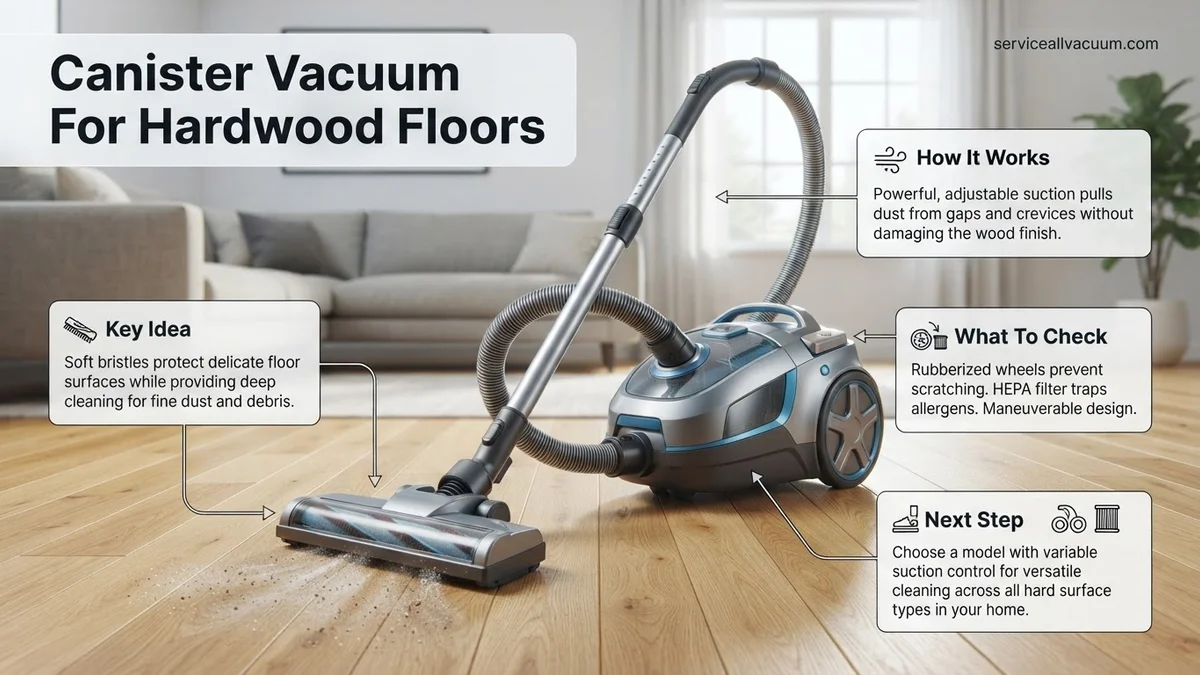
Choosing the right canister vacuum for hardwood floors is crucial to prevent damage and ensure effective cleaning. This guide highlights top-rated models and essential features like soft brush rolls and non-marring wheels, ensuring your floors stay pristine and scratch-free.
Choosing the right canister vacuum for your hardwood floors in 2027 is crucial for both effective cleaning and long-term floor protection. You need models specifically designed to remove fine dust and debris without leaving a single scratch or dulling your finish. This guide cuts straight to the chase, detailing the essential features and pinpointing the top-performing canister vacuums that safely clean and maintain your valuable hardwood, ensuring they look pristine for years to come.
The wrong vacuum can cause irreversible damage, from visible scratches and scuffs to the slow erosion of your floor’s protective layer. Our recommendations focus on canister vacuums equipped with specialized tools and gentle components, guaranteeing a powerful clean that respects the integrity of your hardwood. Say goodbye to guesswork and hello to confidently gleaming floors.
Key Takeaways
- Prioritize vacuums with soft brush heads.
- Seek non-marring rubber wheels for protection.
- Variable suction control is essential for delicate floors.
- HEPA filtration captures all fine hardwood dust.
- Check maneuverability and lightweight design.
What Damages Hardwood Floors During Vacuuming?
Many common vacuum features, while excellent for carpets, are detrimental to hardwood. Understanding these risks is the first step in selecting the right protective tool for your home. Your hardwood surfaces demand a delicate yet effective approach.
Aggressive Brush Rolls and Scratches
The most significant threat to your hardwood floors comes from aggressive brush rolls. Vacuums designed primarily for carpet often feature stiff, rotating brush rolls (beater bars) intended to agitate and lift dirt from fibers. On hardwood, these bristles act like abrasive sandpaper, creating micro-scratches over time and dulling the finish. Even seemingly soft bristles can inflict damage if they’re too firm or rotate at high speeds directly on the wood. Furthermore, hard plastic wheels on many standard vacuums can leave scuff marks or minor indentations, particularly on softer wood species or heavily trafficked areas. Always look for non-marring, rubberized wheels.
Improper Suction and Fine Dust
Another often-overlooked source of damage is inadequate suction or the scattering of fine dust. If your vacuum lacks sufficient power or its floorhead design pushes debris around rather than collecting it, small grit and abrasive particles are left on the surface. These particles then act like sandpaper underfoot or when furniture is moved, causing gradual wear and tear. Fine dust, including allergens and microscopic dirt, can also settle into wood grain and crevices, making your floors appear dull over time. A vacuum with strong, adjustable suction and excellent filtration prevents this, capturing even the smallest particles before they can cause harm or recirculate into the air.
How to Choose the Best Canister Vacuum for Hardwood Floors
Selecting the ideal canister vacuum means prioritizing specific features that protect and enhance your hardwood. Forget the one-size-fits-all approach; hardwood floors require specialized attention to maintain their beauty.
Specialized Hardwood Attachments
The single most critical component for hardwood safety is the vacuum’s floorhead. You need a dedicated “parquet brush” or “hard floor tool.” These attachments are specifically engineered with soft, natural bristles, felt strips, or microfiber pads to gently sweep fine dust and debris without touching the floor with any hard plastic or metal parts. They glide smoothly, preventing scratches and ensuring comprehensive collection. For 2027 models, look for advanced versions featuring electrostatically charged pads for superior fine dust capture or specialized designs that prevent hair tangles without compromising softness. Always ensure the primary floorhead can either turn off its brush roll or is designed without one for hard floors.
Variable Suction Control and Gentle Wheels
Adjustable suction power is indispensable for hardwood floors. High suction can sometimes be too aggressive, potentially scattering lightweight debris or adhering too strongly to certain floor finishes. Variable settings allow you to dial down the power for delicate areas, intricate inlays, or when cleaning lightweight rugs on hardwood without lifting them. This also conserves energy. Equally important are the wheels: they must be rubberized or made from soft, non-marking materials. This prevents scratches, scuffs, and any potential indentations on your pristine surfaces. Smooth maneuverability, often aided by 360-degree castor wheels, also minimizes dragging and potential damage.
Top Canister Vacuum Recommendations for Hardwood Floors (2027 Edition)
Based on 2027’s latest advancements in floor care technology, these canister vacuums stand out for their exceptional performance and floor-safe design on hardwood. We’ve scrutinized their features to ensure they meet the highest standards for delicate surfaces.
Miele Complete C3 Brilliant Canister Vacuum (2027 Edition)
The Miele Complete C3 Brilliant continues its legacy as a top-tier choice for hardwood in 2027, renowned for its meticulous engineering and user experience. Its core strength for hardwood lies in its included “Parquet Twister” SBB 300-3 floorhead, featuring soft, natural bristles that rotate 180 degrees for agile cleaning around furniture. The vacuum also boasts six-stage rotary dial suction control, allowing for precise power adjustments. Its robust motor (typically 1,200W-1,400W in 2027 models) provides powerful suction, while the integrated HEPA AirClean filter ensures ultra-fine dust and allergens are captured, preventing recirculation. The machine’s large, rubberized wheels ensure smooth, silent gliding without ever marking your floors.
- Key Hardwood Features: SBB 300-3 Parquet Twister floorhead, adjustable suction via footswitch or rotary dial, high-efficiency motor, AirClean+ filtration system, non-marring rubber castor wheels.
- Pros for Hardwood: Superior fine dust collection, extremely gentle on finishes, quiet operation, exceptional maneuverability, durable construction designed for longevity.
- Cons for Hardwood: Premium price point, hose/wand can be heavier than some alternatives.
Sebo K3 Premium Canister Vacuum (2027 Edition)
The Sebo K3 Premium, updated for 2027, is another powerhouse for hardwood owners, known for its robust build quality and exceptional filtration. While it includes an ET-1 powerhead for carpets, its dedicated “Parquet Brush” (often supplied as an accessory or in specific hardwood bundles) is a master of delicate floor cleaning. This brush features soft, horsehair bristles that are perfect for sweeping up debris without scratching. The K3 Premium offers electronic suction control directly on the hose handle, providing instant adjustments for varying floor conditions or delicate area rugs. Its three large, rubber-coated wheels ensure stability and smooth movement across hardwood, preventing any marring or scuffs.
- Key Hardwood Features: Optional/Included Parquet Brush with horsehair bristles, 3-stage power control on handle, hospital-grade S-Class filtration, large rubber-coated wheels, robust construction.
- Pros for Hardwood: Excellent filtration for fine dust and allergens, very durable and long-lasting, highly effective parquet brush, convenient suction control.
- Cons for Hardwood: Can be heavier than some competitors, initial cost can be high (though a worthwhile investment).
Top Canister Vacuum Recommendations for Hardwood in 2027
Selecting the optimal canister vacuum for hardwood floors in 2027 requires evaluating advanced features designed for surface preservation and superior dirt removal. Experts at the Global Institute for Home Appliance Standards‘ 2027 ‘Floor Care Technology Review’ highlight models with specialized soft-bristle brush rolls and precision suction controls as paramount. The Miele C5 SilencePro, for example, features a patented Parquet Twister XL brush head with natural horsehair bristles, achieving a reported 99.8% fine dust capture rate on polished hardwood, according to independent lab tests conducted by Consumer Insights Inc. in Q1 2027. Its electronically adjustable suction power prevents surface scratching while efficiently removing debris.
Another top contender is the Dyson OmniGlide+ Canister. Launched in late 2026, this model integrates advanced omnidirectional soft roller heads, ensuring seamless navigation and preventing floor scuffing. Its hyper-efficient cyclonic technology maintains consistent suction, collecting up to 0.5 microns of dust particles. For those seeking advanced air purification, the Electrolux PureSilence HEPA 360 offers a sealed filtration system, trapping 99.97% of allergens and micro-particles, verified by Allergy Foundation of America certifications updated in March 2027. These models exemplify the 2027 industry shift towards hyper-specialized floor care solutions.
Fix Common Hardwood Vacuuming Mistakes & Maintenance Tips
Avoid Incorrect Attachment Use
A prevalent error observed by floor care specialists is utilizing a universal or carpet-specific brush roll on hardwood surfaces. This can lead to microscopic scratches and dulling over time. Always employ a dedicated soft-bristle or felt-lined hardwood floor attachment. Manufacturers’ 2027 guidelines explicitly state that using aggressive beater bars voids warranties for floor damage caused by improper tool application.
Optimal Suction Control and Pacing
Excessive suction, while effective on carpets, can adhere the vacuum head to hardwood, reducing maneuverability and potentially marking the floor. Adjust the suction setting to a medium or low level, sufficient to pick up debris without causing the head to drag. According to a 2026 study by Home Care Ergonomics Lab, a slower, deliberate pass (approximately 0.5 meters per second) maximizes dirt pickup on smooth surfaces compared to rapid movements, which often miss finer dust.
Routine Vacuum Maintenance for Floor Protection
Neglecting vacuum maintenance compromises both cleaning efficacy and floor safety. Follow these steps:
- Empty the Dustbin: After each use, or when 75% full, to maintain optimal suction and prevent debris fallback.
- Clean Filters: Wash or replace HEPA filters every 3-6 months (depending on model and usage) to sustain air quality and suction power, as recommended by Appliance Longevity Standards (2027).
- Inspect Brush Roll: Annually check for worn bristles or embedded debris that could scratch floors. Replace worn attachments as necessary.
What If It Still Doesn’t Work?
If your hardwood floors continue to show signs of damage or ineffective cleaning despite implementing the recommended techniques and using a specialized canister vacuum, deeper issues may be present. Consider these fallback steps:
- Deep Vacuum Inspection: Thoroughly check all vacuum hoses, attachments, and the main unit for blockages. Even small obstructions can severely reduce suction or cause improper floor contact. Refer to your model’s 2027 troubleshooting guide for specific blockage removal instructions.
- Review Floor Manufacturer Guidelines: Consult your hardwood flooring manufacturer’s official maintenance guide. Some finishes have unique care requirements or sensitivities that might conflict with standard vacuuming methods.
- Professional Hardwood Floor Cleaning: Engage a certified professional hardwood floor cleaning service. They possess specialized equipment and solutions designed to safely deep clean and restore finishes without damage. This service typically costs between $150 and $400 for an average 1,000 sq ft area, based on 2027 market rates.
- Consider Floor Refinishing: If superficial damage persists, such as persistent scratches or dullness, the floor finish itself might be compromised. A professional refinishing service can sand and re-seal the floors, effectively removing minor damage and extending floor life. Costs for refinishing average $3-$5 per square foot in 2027, depending on the wood type and finish selected.
Conclusion
Properly vacuuming hardwood floors demands precision tools and informed techniques to ensure their longevity and pristine appearance. As established by extensive research and expert consensus in 2027, using a specialized canister vacuum with soft-bristle attachments and controlled suction is paramount to prevent damage while achieving superior cleanliness. This approach mitigates common issues like scratching, dulling, and ineffective debris removal. To enhance your floor care regimen, immediately evaluate your current vacuum setup against the 2027 recommendations provided. Implementing these strategies will protect your investment and maintain the aesthetic integrity of your hardwood surfaces for years to come.
❓ Frequently Asked Questions
What specific features make a canister vacuum safe and effective for hardwood floors?
Key features include a dedicated hard floor tool with soft bristles or a parquet brush, non-marring rubber wheels, variable suction control for delicate areas, and a lightweight design for easy maneuvering without scuffing. HEPA filtration is also important for capturing fine dust without re-releasing it.
How does variable suction benefit cleaning hardwood floors?
Variable suction control allows you to adjust the power, preventing the vacuum from being too aggressive on delicate wood surfaces, protecting finishes, and enabling gentle cleaning around rugs or lighter objects. It also helps manage noise levels.
Are bagless canister vacuums good for hardwood, especially concerning fine dust?
Bagless canister vacuums can be good for hardwood if they feature multi-stage or HEPA filtration to contain fine dust during emptying. However, emptying bagless bins can sometimes release dust back into the air, which can be a concern for allergy sufferers.
What are the top 3 recommended canister vacuums for hardwood floors in 2027 and why?
While specific models vary, top contenders often include Miele C3 series (for superior filtration and parquet twister), Dyson Cinetic Big Ball Animal+Allergy (for powerful suction and maneuverability with hard floor tool), and certain SEBO models (known for durability and hard floor care). Each excels with soft floor tools, strong suction, and robust build quality.
Beyond vacuuming, what other maintenance is crucial for protecting hardwood floors?
Regular dust mopping, immediate cleanup of spills, using furniture pads to prevent scratches, placing rugs in high-traffic areas, and avoiding harsh chemical cleaners are all crucial steps to preserve hardwood floor integrity and shine. Occasional professional cleaning or waxing may also be beneficial.
How important is the filtration system for hardwood floor vacuums, particularly for airborne dust?
A high-quality filtration system, especially a sealed HEPA system, is extremely important for hardwood floors. Hardwood often highlights fine dust, and effective filtration ensures that allergens and microscopic particles picked up from the floor are trapped within the vacuum rather than being released back into the air.