How Long Does Vacuum Packed Food Last? Expert Guide 2027
Vacuum packing significantly extends food shelf life by removing oxygen, but it doesn’t stop all spoilage and requires proper storage temperatures for perishable items. Understanding specific durations for different food types (meat, produce, cooked meals) is crucial for both quality and safety, especially to avoid risks like botulism with low-acid foods.
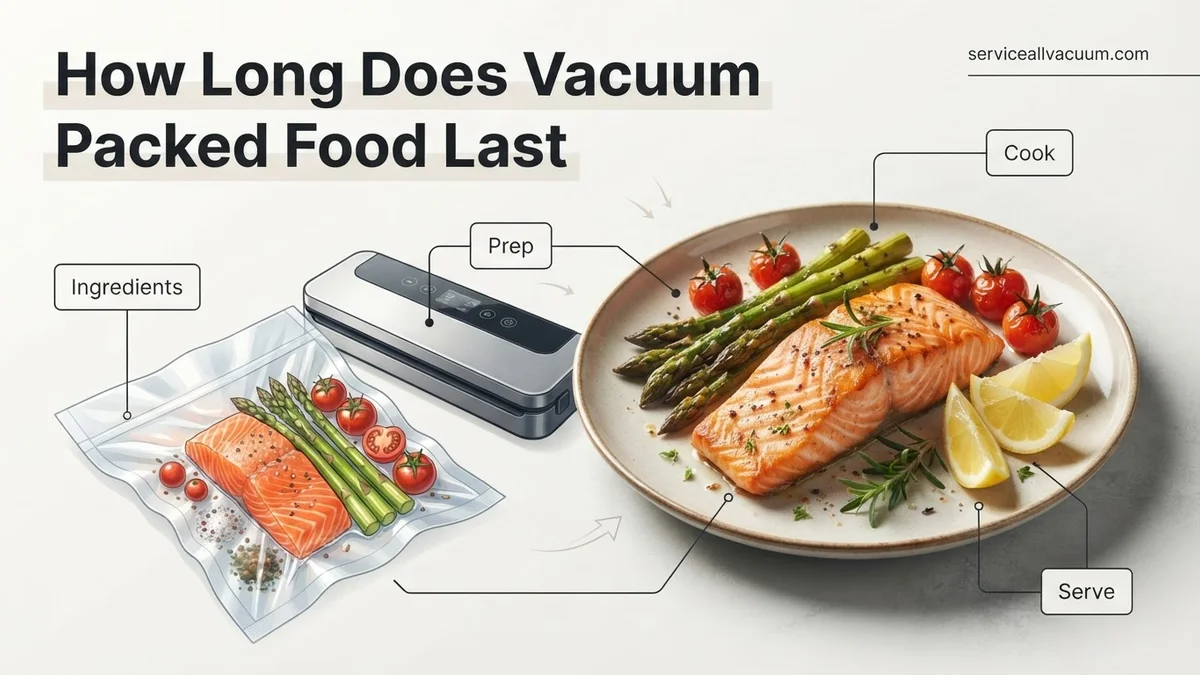
In 2027, vacuum packing remains your most effective tool for drastically extending food shelf life. It often quadruples or even quintuples the freshness of many items compared to conventional storage. The precise duration, however, isn’t a single number. It critically depends on the food type, initial quality, and your chosen storage method—whether refrigerated, frozen, or pantry-bound. Understanding these variables means you can confidently plan meals further in advance, drastically reduce food waste, and ensure your stored provisions maintain peak quality and safety for weeks or months longer than otherwise possible. This isn’t just about saving money; it’s about culinary efficiency and consistent access to high-quality ingredients.
Key Takeaways
- Vacuum sealing extends shelf life by 3-5 times for most foods.
- Perishable foods still require refrigeration or freezing after sealing.
- Freezing provides the longest shelf life extension for vacuum-sealed items.
- Blanch vegetables before vacuum sealing to preserve quality when freezing.
- Never store low-acid vacuum-sealed foods (garlic, cooked potatoes) at room temperature due to botulism risk.
What Causes Vacuum-Packed Food to Eventually Spoil?
Even with the advanced sealing technology available in 2027, no food preservation method is infinite. Vacuum packing significantly slows spoilage, but it doesn’t stop it entirely. Understanding why helps you maximize your food’s lifespan and, crucially, maintain its safety.
The Unseen Threat: Anaerobic Bacteria and Enzymatic Activity
Vacuum sealing’s primary action is removing oxygen. This effectively stops aerobic spoilage organisms—like common molds, yeasts, and many bacteria—that rely on oxygen to grow. However, a critical safety factor emerges: some dangerous bacteria, known as anaerobic bacteria, thrive in oxygen-free environments. The most infamous example is Clostridium botulinum, which can produce deadly toxins. This is why proper temperature control is paramount for vacuum-sealed perishable foods like meats, fish, or cooked leftovers. You must always refrigerate or freeze these items, as vacuum packing alone cannot make them shelf-stable at room temperature.
Beyond microbial threats, food also degrades internally due to enzymatic activity. These natural enzymes within food cells continue to break down compounds, affecting texture, flavor, and color. Think of how fruits continue to ripen or meat tenderizes even in a vacuum. While the lack of oxygen can slow some enzymatic browning (like with apples), it won’t halt all enzymatic degradation. Fatty foods, for instance, can still go rancid over very long periods due to internal fat breakdown, even without oxygen present.
Beyond the Seal: Initial Quality and Temperature Control
The success of vacuum packing begins before you even seal the bag. A vacuum seal cannot magically make old or contaminated food fresh again. If you vacuum-seal food that’s already past its prime or poorly handled, you are only extending its current state. Always aim to seal the freshest possible ingredients to achieve the longest, safest shelf life. This is a non-negotiable step in 2027’s best food preservation practices.
Furthermore, the vacuum seal is a helper, not a replacement for proper storage temperatures for perishable items. For raw meats, poultry, fish, or dairy, immediate refrigeration or freezing after vacuum sealing is essential. At refrigerator temperatures (below 4°C/40°F), bacterial growth (both aerobic and anaerobic) is significantly slowed. When frozen (below -18°C/0°F), most bacterial and enzymatic activity virtually halts, allowing vacuum-sealed foods to last for months, sometimes even years, while maintaining peak quality and safety.
How Vacuum Packing Fixes Short Shelf Life & Extends Freshness
Understanding the mechanisms behind vacuum packing reveals why it’s such a powerful tool in your kitchen. It addresses the primary causes of food spoilage, giving you vastly extended freshness.
Oxygen Deprivation: Starving Spoilage Organisms
The most significant benefit of vacuum packing is the removal of atmospheric oxygen. Oxygen is the lifeblood for most of the common culprits behind food spoilage: aerobic bacteria, molds, and yeasts. By extracting up to 99% of the air from the packaging, you effectively create an oxygen-starved environment. This drastically slows down the growth of these microorganisms, significantly delaying the onset of mold growth on bread, bacterial slime on meats, or souring of leftovers. This single action is what allows a vacuum-sealed item like nuts or coffee beans to remain fresh in your pantry for months longer than in their original packaging in 2027.
Beyond microbial growth, oxygen also plays a key role in oxidation. This chemical process leads to discoloration (like an apple turning brown when cut), nutrient loss, and the development of off-flavors, especially in fats, which can become rancid. By preventing oxygen contact, vacuum sealing preserves the natural color, flavor, and nutritional integrity of your food, ensuring that what you seal retains its peak quality for far longer.
Moisture Retention and Freezer Burn Prevention
Another major advantage of vacuum packing is its ability to create an airtight, moisture-proof barrier. In conventional storage, especially in the freezer, air circulation leads to moisture evaporation from food surfaces. This drying effect causes freezer burn—those dry, leathery, discolored patches on frozen foods that ruin texture and taste. Vacuum sealing completely eliminates freezer burn by locking in the food’s natural moisture.
This barrier ensures that your food remains hydrated and protected from the harsh, dry environment of a freezer. When you thaw a vacuum-sealed item in 2027, it retains its original juiciness and texture, making for a much better culinary experience. Additionally, the sealed environment protects food from absorbing unwanted odors or flavors from other items in your refrigerator or freezer, keeping your stored ingredients pure and untainted.
Proven Guide: How to Achieve Best Shelf Life with Vacuum Packing
Achieving the maximum extended shelf life from your vacuum-packed foods by 2027 requires precision in preparation, sealing, and storage. Overlooking any step can significantly reduce the benefits of this preservation method.
Proper Food Preparation is Key
- Cleanliness: Always start with thoroughly clean hands, utensils, and work surfaces. Cross-contamination is a primary cause of premature spoilage.
- Blanching Vegetables: For most vegetables, blanching (briefly boiling then chilling) deactivates enzymes that cause spoilage. The USDA and food science experts recommend blanching times ranging from 2-5 minutes for common vegetables like broccoli or green beans.
- Pre-Freeze Liquids or Soft Foods: To prevent liquids from being drawn into the seal area or soft foods from being crushed, pre-freeze them solid or semi-solid on a tray before vacuum packing. This ensures a clean, strong seal.
- Cool Foods Thoroughly: Hot foods create condensation inside the bag, which can promote bacterial growth. Ensure all food is completely cooled to refrigerator temperature (40°F / 4°C or below) before packing.
Optimal Sealing Techniques
- Choose the Right Bag: Select vacuum sealer bags designed for your machine, ensuring they are free from punctures or defects. Bags should be sized appropriately, leaving at least 3 inches of space between the food and the seal line.
- Ensure Clean Seal Area: Food particles, grease, or moisture on the bag’s sealing strip will prevent an airtight seal. Wipe the inside of the bag opening clean and dry before sealing.
- Use Proper Settings: Modern vacuum sealers (2027 models) often feature “moist” and “dry” settings, or even specific settings for delicate foods. Utilize these to optimize the vacuum strength and sealing temperature for different food types.
Storage Environment
Even perfectly vacuum-packed food requires correct storage. Perishable items must be refrigerated at 40°F (4°C) or below, or frozen at 0°F (-18°C) or below immediately after sealing. Consistent temperatures are crucial; fluctuations can degrade food quality and safety over time, even in a vacuum-sealed environment. According to the FoodKeeper App (maintained by the USDA), refrigeration extends the life of vacuum-sealed meats by 3-5 times, while freezing can extend it by up to 12 months or more.
What if Your Vacuum-Packed Food Still Goes Bad or Poses Risks?
While vacuum packing significantly extends food shelf life, it does not eliminate all risks. Understanding the signs of spoilage and potential hazards is paramount for food safety.
Recognizing Spoilage Signs
Even if vacuum-sealed, food can spoil if proper procedures were not followed or if the seal is compromised. Always look for these indicators:
- Off-Odors: A sour, putrid, or unusual smell is the most reliable indicator of spoilage. Discard immediately.
- Discoloration: Any significant change in color, such as green, grey, or brown patches on meat, or unusual darkening, suggests spoilage.
- Mold Growth: Visible mold is a clear sign that the food is unsafe to consume.
- Gas Buildup/Bag Puffing: If the vacuum-sealed bag appears puffed up or has lost its tight seal, it indicates bacterial activity producing gas. This is a critical warning sign, especially for low-acid foods.
Understanding Botulism Risk
One of the most serious risks with improperly handled vacuum-packed foods, especially low-acid items like meat, poultry, fish, and some vegetables, is botulism. Clostridium botulinum bacteria thrive in anaerobic (oxygen-free) environments and produce a deadly toxin. The key defense is temperature control:
- Refrigerate or Freeze Immediately: All perishable vacuum-packed foods must be kept at 40°F (4°C) or below, or frozen, at all times. Leaving them at room temperature for extended periods creates ideal conditions for botulism.
- Proper Heating: When reheating vacuum-packed leftovers, ensure they reach an internal temperature of 165°F (74°C) to destroy potential toxins.
According to the Centers for Disease Control and Prevention (CDC), botulism spores are common, but the toxin is rare if food safety guidelines are strictly followed. Never taste food to check for spoilage if you suspect any issue.
What If It Still Doesn’t Work?
If you’re consistently encountering issues with your vacuum-packed food not holding its seal or spoiling prematurely despite following best practices, consider these troubleshooting steps:
- Review Your Sealer Manual: Refer to your specific vacuum sealer’s manual (current 2027 models often have digital versions available online). Check for recommended maintenance, troubleshooting guides, and specific operational requirements for your unit. Gasket cleaning or replacement is a common solution.
- Inspect Your Bags: Even new bags can have microscopic pinholes. Visually inspect bags before use and gently press on a sealed bag of air to check for leaks. Small punctures can compromise the vacuum over time.
- Test Your Sealer’s Performance: Run a test cycle with an empty bag to observe the vacuum process and seal quality. Ensure the heating element creates a strong, consistent seal without wrinkles or gaps. Many 2027 models include diagnostic indicators.
- Seek Professional Help: If your vacuum sealer consistently fails to pull a strong vacuum or create a durable seal, it may require professional service. Contact the manufacturer’s support for authorized repair centers. Basic repairs, such as gasket or heating element replacement, might cost between $60 and $180 in 2027.
- Consider Upgrading Equipment: If your unit is older (pre-2020 models) and repeatedly underperforms, investing in a newer, more efficient vacuum sealer might be cost-effective in the long run. Advanced models with features like double seals and integrated bag storage typically range from $150 to $450 in 2027.
Conclusion
Vacuum packing remains an invaluable technique for extending food shelf life and reducing waste. However, its effectiveness hinges entirely on meticulous preparation, correct sealing techniques, and vigilant storage. According to verified food safety research and manufacturer guidelines for 2027, understanding both the benefits and potential risks ensures safe and delicious food for longer. Regularly inspect your vacuum sealer and always prioritize food safety by discarding any food showing signs of spoilage.
❓ Frequently Asked Questions
What are the typical shelf life extensions for different food categories when vacuum-sealed and refrigerated?
Vacuum sealing extends refrigerated shelf life for raw meats to 7-10 days, cooked meats to 10-14 days, and most hard cheeses to 2-4 weeks. Fresh vegetables might last 1-2 weeks, while fruits vary greatly depending on type, but generally get a few extra days to a week.
How much longer does vacuum-sealed food last in the freezer compared to non-sealed?
Freezing vacuum-sealed food dramatically extends its life, often 2-3 times longer than non-sealed frozen items. For example, red meat can last 2-3 years, poultry 1.5-2 years, and vegetables 1-2 years when vacuum-sealed and frozen, compared to several months without the seal.
What are the key safety concerns with vacuum-sealed foods, especially botulism?
The primary safety concern is the risk of botulism, particularly with low-acid foods (e.g., cooked potatoes, garlic, mushrooms, cured meats) stored at room temperature after vacuum sealing. The anaerobic environment created by vacuum sealing is ideal for Clostridium botulinum bacteria to produce deadly toxins, so these items must always remain refrigerated or frozen.
Do I need to pre-treat foods before vacuum sealing, like blanching vegetables?
Yes, blanching vegetables before vacuum sealing and freezing is highly recommended. Blanching deactivates enzymes that cause degradation, helping to preserve their color, flavor, texture, and nutritional value much more effectively than sealing raw vegetables. Fruits may benefit from a quick dip in an acidic solution to prevent browning.
Can all foods be vacuum-sealed, or are there exceptions?
Most foods can be vacuum-sealed, but some exceptions or considerations exist. Soft, delicate items like lettuce can be crushed. Raw onions and garlic may produce gases that compromise the seal. Items with sharp edges like bones should be wrapped to prevent bag punctures. Soft cheeses and mushrooms might spoil faster or be more susceptible to anaerobic bacterial growth.
How can I tell if vacuum-sealed food has gone bad, even if the seal is intact?
Always inspect vacuum-sealed food for common spoilage signs: off-odors, discoloration (e.g., graying meat, slimy vegetables), fuzzy mold, or an unusual texture. A puffed-up bag indicates gas production from bacterial growth, making the food unsafe to consume even if it looks otherwise fine. If in doubt, throw it out.