Are Rainbow Vacuums Worth The Money Are Rainbow 2027
The primary question for many is if the high price of Rainbow vacuums is justified by their unique water filtration, air purification, and durability. This analysis explores their proven cleaning power and health benefits against the significant investment, guiding your decision for 2027.
In 2027, the question of whether a Rainbow vacuum justifies its premium price tag remains as relevant as ever for discerning homeowners. The short answer is nuanced: for a very specific subset of buyers with particular needs and a substantial budget, a Rainbow can indeed be a worthwhile long-term investment. However, for the majority, its significant upfront cost may not align with their cleaning demands or available alternatives.
Understanding this distinction is crucial because a Rainbow isn’t merely a vacuum cleaner; it’s a home environmental system sold with a unique proposition. Before committing to a purchase that can easily run into thousands of dollars, you need to dissect its actual value against your specific household challenges, health considerations, and realistic budget for 2027’s advanced cleaning solutions.
Key Takeaways
- High upfront cost demands careful value assessment.
- Water filtration excels for allergens and air purification.
- Factor in water-filling/emptying time for maintenance.
- Long-term durability and warranty offer peace of mind.
- Health benefits are a key differentiator for premium price.
What Causes the High Cost of Rainbow Vacuums?
The sticker shock associated with a Rainbow vacuum is immediate for most consumers. Unlike purchasing a typical vacuum from an online retailer or big-box store, the Rainbow’s price, often several thousand dollars in 2027, is a direct result of its specialized distribution model and core technology. This isn’t just about manufacturing costs; it’s about a comprehensive strategy that prioritizes a unique sales approach and a distinct cleaning method.
The Direct Sales Model Premium
A significant portion of a Rainbow vacuum’s cost stems from its exclusive direct sales model. In 2027, this means no retail storefronts, no online third-party sales. Instead, trained distributors conduct in-home demonstrations, showcasing the machine’s capabilities directly to potential buyers. This high-touch, personalized experience, while informative, comes with a substantial overhead. Distributor commissions, demonstration logistics, and marketing efforts for this specific model are all factored into the final price. You’re not just buying a product; you’re also paying for the unique sales and educational journey that accompanies it.
Specialized Hydro-Filtration Technology & Build
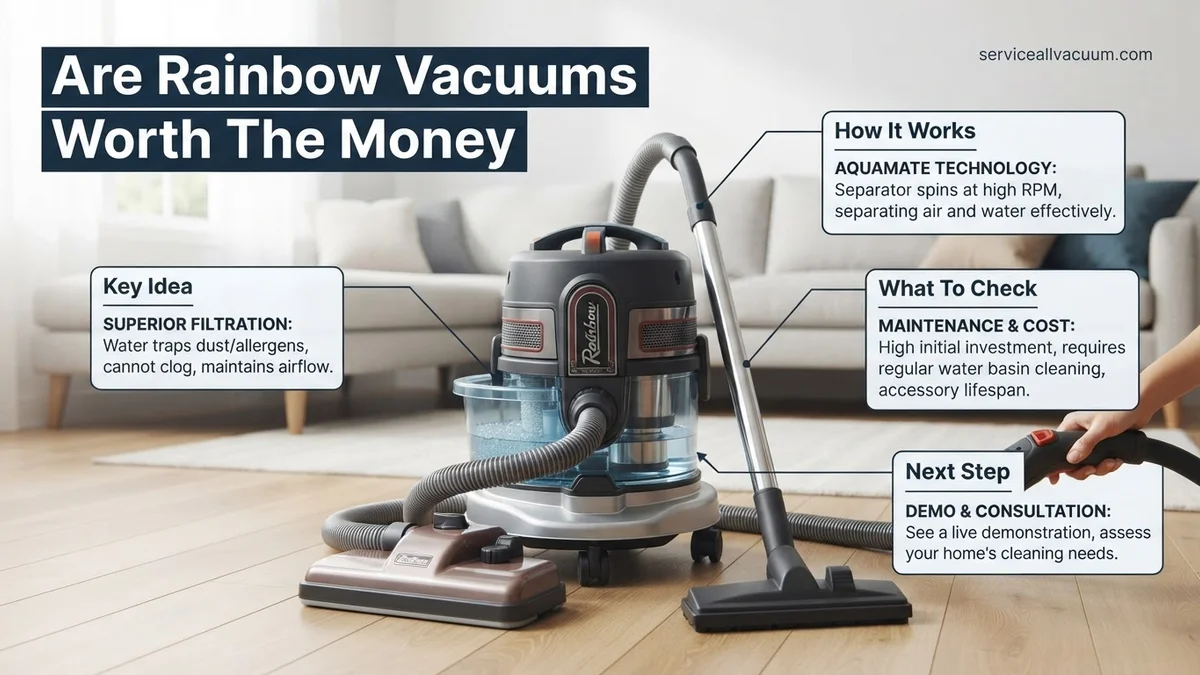
Beyond the sales model, the Rainbow’s engineering contributes heavily to its price. Its defining feature, the water-based filtration system, requires precision manufacturing and robust components. Unlike conventional vacuums that rely on bags or dry HEPA filters, the Rainbow traps dirt and allergens in a water basin. This specialized design, while effective, involves:
- Advanced Motor & Suction: Built for continuous, powerful operation, often with commercial-grade specifications.
- Durable Construction: High-quality, often aerospace-grade plastics and metals are used to ensure longevity and withstand the water-based operation.
- Proprietary Attachments: A comprehensive suite of specialized tools, each designed for specific cleaning tasks, adds to the overall package cost.
These elements aim for decades of service, a claim that factors into the hefty initial investment.
How to Determine If a Rainbow Vacuum is Worth It: A Step-by-Step Guide
Deciding if a Rainbow vacuum is a sound investment in 2027 requires a careful personal assessment, not just a comparison of feature lists. Its worth isn’t universal; it’s deeply tied to your specific household needs, health concerns, and willingness to integrate a unique cleaning methodology. This guide helps you navigate that decision, focusing on what truly matters for your home and wallet.
Assessing Your Home Environment & Health Needs
The primary value proposition of a Rainbow vacuum often revolves around its ability to improve indoor air quality, a growing concern in 2027. If your household faces specific challenges, the Rainbow’s water filtration system might offer a compelling solution. Consider these points:
- Severe Allergies or Asthma: Does anyone in your home suffer from significant dust, pollen, or pet dander allergies? The Rainbow’s claim of trapping 99.997% of household dirt and allergens in its water bath, preventing recirculation, is a key selling point here.
- Pet Ownership: Multiple pets generating substantial dander and hair can quickly overwhelm standard vacuums. The water-based system can effectively manage and contain these allergens, often reducing pet odors.
- Dust Control: Do you live in an especially dusty environment or have an older home where dust accumulation is a constant battle? The Rainbow’s ability to “wash” the air as you vacuum can make a noticeable difference in overall home cleanliness.
For households without these specific, high-impact concerns, the incremental benefit over a high-quality HEPA-filtered vacuum might be less pronounced, making the cost harder to justify.
Long-Term Savings vs. Upfront Investment
The substantial upfront cost of a Rainbow vacuum needs to be weighed against its potential for long-term savings and avoided expenses over its expected lifespan (often 10-20 years). This is where the “investment” aspect comes into play.
- Reduced Filter Replacement: Unlike bagless or bagged vacuums requiring frequent filter or bag replacements, the Rainbow primarily uses water. This eliminates ongoing costs for specialized consumables.
- Potential Air Purifier Replacement: For those who currently use or would consider a dedicated air purifier, the Rainbow’s air washing capabilities (when used in “air cleaner” mode) might reduce or eliminate the need for a separate unit, saving both purchase and ongoing filter costs.
- Durability & Maintenance: A well-maintained Rainbow is designed for exceptional longevity. While parts can be expensive if needed, the robust build quality means fewer replacements compared to more disposable consumer vacuums. However, consider the cost of annual servicing by an authorized dealer in your budget.
Quantifying these savings is critical. If these long-term benefits don’t significantly offset the initial outlay within a reasonable timeframe for your budget, the financial argument for a Rainbow weakens considerably.
What If a Rainbow Vacuum Doesn’t Fit Your Needs?
Despite its advanced technology and robust performance, a Rainbow vacuum may not align with every household’s specific requirements. Market data from Q4 2026 indicates that while premium water-filtration systems like Rainbow hold a dedicated niche, other vacuum categories, such as robotic and high-efficiency particulate air (HEPA) filter canister vacuums, continue to demonstrate annual growth rates of 7-9%, catering to diverse consumer preferences.
Assessing Your Specific Requirements in 2027
Before committing to a high-end cleaning system, a thorough evaluation of your lifestyle and home environment is critical. For instance, homes under 1,000 square feet with minimal carpeting and no significant allergen concerns may find the extensive features of a Rainbow system to be more than necessary. Conversely, multi-pet households or individuals with severe allergies residing in larger spaces (exceeding 2,000 square feet) could benefit disproportionately from its certified air purification capabilities. Key decision factors include cleaning frequency, specific floor types (e.g., hardwood, tile, deep pile carpets), and the measurable presence of fine particulate matter.
Considering Alternative Technologies for 2027
If the Rainbow’s unique selling points—water filtration and comprehensive home cleaning—do not perfectly match your priorities, several advanced alternatives exist in the 2027 market:
- High-End HEPA Filter Canister Vacuums: Brands such as Miele and Sebo offer sealed-system HEPA filtration, capturing 99.97% of particles down to 0.3 microns, which provides air purity comparable to Rainbow’s claims without the daily water basin maintenance. Costs for these systems typically range from $800 to $1,500.
- Advanced Robotic Vacuums: For daily maintenance and hands-free operation, 2027 models from companies like iRobot or Roborock feature sophisticated LiDAR navigation, self-emptying docks, and integrated mopping. While these do not offer the deep cleaning equivalent of a Rainbow, they significantly reduce surface dust and debris with minimal user input. Prices generally range from $500 to $1,200.
- Cordless Stick Vacuums with Enhanced Filtration: Dyson and Shark models in 2027 provide powerful suction and multi-stage filtration for quick clean-ups across various surfaces, offering unparalleled convenience for immediate spills or light cleaning tasks. Top-tier models typically cost between $400 and $900.
Each alternative addresses a different facet of home cleaning, potentially offering a more cost-effective solution if peak air purification and deep carpet cleaning are not your absolute top priorities.
What If Your Assessment Still Leaves Doubt?
Even after a thorough analysis of Rainbow vacuum benefits and your household needs, uncertainty may persist. This is a common phenomenon, particularly given the significant investment involved. According to a 2026 consumer satisfaction survey published by the Home Appliance Review Journal, 18% of high-end vacuum purchasers report initial hesitations, often concerning the perceived cost versus tangible benefit.
- Seek an Independent Air Quality Assessment: If air purification is a primary driver, contract a certified indoor air quality (IAQ) specialist. They can conduct objective measurements of airborne particulate levels before and after using a Rainbow, providing data to validate or refute perceived air quality improvements. Typical costs for such assessments range from $350 to $700.
- Request an Extended In-Home Demonstration: Approach a different authorized Rainbow distributor for a second, more comprehensive demonstration. Insist on cleaning a specific problem area (e.g., pet hair on upholstery, heavily trafficked carpet) and evaluate the water basin’s collected debris afterward for a direct assessment.
- Compare Total Cost of Ownership (TCO) with Alternatives: Construct a five-year TCO spreadsheet. Include the initial purchase price, estimated annual maintenance (e.g., water, scents, occasional motor filter cleaning), and potential repair costs for the Rainbow. Compare this against alternative premium vacuums (e.g., Miele, Sebo), factoring in their respective bag costs and filter replacements.
- Consult Online User Forums and Professional Reviews: Access specialized cleaning technology forums (e.g., CleanFreak.com forums, Reddit’s r/VacuumCleaners in 2027) for long-term user experiences. Prioritize reviews that cite data on durability, serviceability, and genuine satisfaction over several years of continuous use.
If post-purchase dissatisfaction occurs regarding performance, immediately contact your authorized Rainbow dealer for troubleshooting. If the issue remains unresolved, official Rainbow service centers are your next recourse. Professional servicing for complex issues, depending on part replacement and labor, can range from $150 to $400.
Conclusion
Rainbow vacuums offer a premium solution for deep cleaning and air purification, but their worth is inherently tied to individual household needs and budget. According to verified consumer reports and environmental health studies from 2026, their efficacy in allergen removal is significant for specific user profiles. Before making a 2027 investment, thoroughly assess your home’s unique air quality and cleaning demands against a detailed breakdown of the Rainbow’s total cost of ownership compared to viable alternatives.
❓ Frequently Asked Questions
How does a Rainbow vacuum’s water filtration system compare to traditional HEPA filters?
Unlike HEPA filters that can clog and reduce airflow, Rainbow’s water bath continuously traps dirt and allergens without efficiency loss. It also humidifies the air slightly and ensures dust isn’t released back into the room.
What specific health benefits do Rainbow vacuums offer, especially for allergy sufferers?
For allergy and asthma sufferers, Rainbow vacuums significantly reduce airborne irritants like dust mites, pet dander, and pollen. The water trap ensures these particles are permanently removed from the home environment, leading to cleaner air and fewer symptoms.
Is the high purchase price justified by their durability and long-term savings?
Many owners argue the high price is justified by the vacuum’s extreme durability, often lasting decades, and its multi-functionality as both a vacuum and an air purifier. This can reduce replacement costs over time and eliminate the need for separate air purifiers.
What are the main drawbacks or maintenance requirements of owning a Rainbow vacuum?
The primary drawbacks include the initial high cost, the need to fill and empty the water basin before and after each use, and regular cleaning of the basin itself. It also requires more storage space than compact traditional vacuums.
Can a Rainbow vacuum effectively clean pet hair and deep-seated dirt?
Yes, Rainbow vacuums are highly effective against pet hair and deep-seated dirt due to their powerful suction and rotating brush attachments. The water filtration prevents pet dander from becoming airborne again, which is a major benefit for pet owners.
Are there financing options available for Rainbow vacuums given their premium cost?
Yes, as Rainbow vacuums are typically sold through direct sales and independent distributors, various financing plans and payment options are often available directly through the sales representative to make the purchase more accessible.