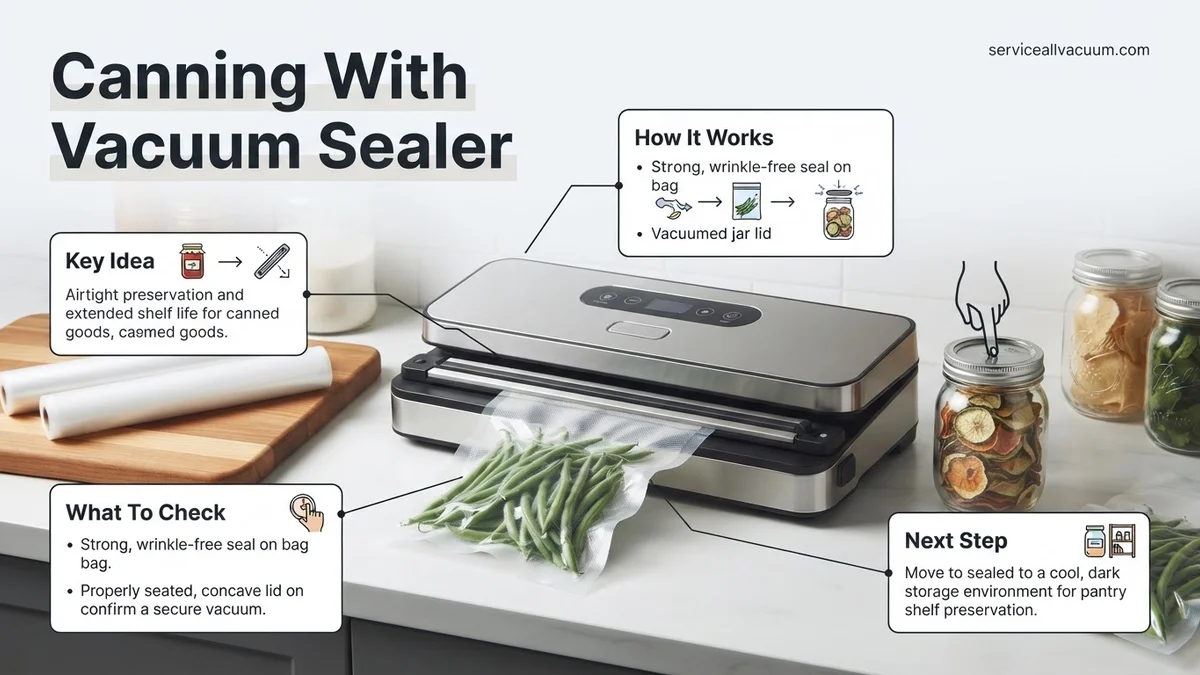
Canning With Vacuum Sealer 2027 Expert Safety Guide
Vacuum sealing is NOT a safe method for canning moist, low-acid foods to make them shelf-stable at room temperature. This practice creates anaerobic conditions ideal for botulism growth. Instead, use vacuum sealers safely for dry goods, freezing, or refrigeration.
Let’s cut straight to the most critical information: no, you absolutely cannot use a vacuum sealer as a safe or effective substitute for traditional heat-processed canning to make moist foods shelf-stable at room temperature in 2027. This is a widespread misconception with potentially lethal consequences. Understanding this fundamental safety distinction is non-negotiable for anyone involved in home food preservation.
Relying on a vacuum seal alone for room-temperature storage of foods like vegetables, meats, or even certain fruits, is a dangerous gamble. While vacuum sealers are invaluable tools for extending food freshness in the refrigerator or freezer, they do not sterilize food. Ignoring this fact can expose you and your family to severe health risks, most notably botulism, a rare but deadly foodborne illness. This guide will clarify exactly why this is the case and underscore the essential role of proper canning.
Key Takeaways
- Vacuum sealing is not safe for shelf-stable canning.
- Botulism risk is high for moist vacuum-sealed foods.
- Refrigerate or freeze all vacuum-sealed moist foods.
- Use vacuum sealers for dry goods, not wet.
- Prevent freezer burn safely with vacuum sealers.
Why Vacuum Sealing for Canning is a Dangerous Mistake
The core of safe food preservation lies in eliminating or controlling harmful microorganisms. Traditional canning methods—water bath canning for high-acid foods and pressure canning for low-acid foods—achieve this through precise heat treatments that destroy bacteria, yeasts, molds, and dangerous spores. A vacuum sealer, however, performs a very different function. It removes air, creating a low-oxygen environment, but it does not apply the necessary heat to make food safe for shelf-stable storage outside refrigeration.
The Anaerobic Environment Problem
Vacuum sealing is designed to remove atmospheric oxygen from a food package. While this is excellent for preventing oxidation (which causes rancidity and freezer burn) and slowing the growth of aerobic spoilage organisms, it inadvertently creates prime conditions for the most dangerous foodborne pathogen: Clostridium botulinum. This bacterium thrives in anaerobic (oxygen-free) environments. When you vacuum seal moist food without proper heat processing, you are essentially setting the stage for potential toxin production. This is true whether you use bags or jar attachments; the oxygen removal is the critical factor, not the container.
The Critical Role of Heat Processing
For food to be shelf-stable, it must be rendered microbiologically safe to store at room temperature. This requires a process that goes beyond simply removing air. In 2027, the science remains clear: only sufficient heat processing, as validated in USDA-approved canning recipes, can achieve this. A vacuum sealer does not:
- Destroy Spores: The deadly spores of Clostridium botulinum are incredibly heat-resistant. They require specific temperatures and durations (achieved only in a pressure canner for low-acid foods) to be neutralized.
- Kill Bacteria: While some bacteria need oxygen, many others do not, and their vegetative forms can survive vacuum sealing.
- Ensure Acidity: The pH level of food is another critical safety factor. High-acid foods inhibit botulism, but low-acid foods require pressure canning to be safe. Vacuum sealing does not alter food pH.
Therefore, any moist food that is vacuum-sealed and not subsequently heat-processed must be treated as perishable and stored in the refrigerator or freezer.
How Botulism Risk Makes Traditional Canning Essential
The primary reason vacuum sealing alone is unsuitable for shelf-stable canning is the pervasive threat of botulism. Understanding this pathogen is key to appreciating the strict requirements of safe home preservation. Clostridium botulinum is an anaerobic bacterium found naturally in soil, water, and on many food surfaces. Its spores are harmless until they find the right conditions to germinate and produce a potent neurotoxin.
Understanding Clostridium Botulinum
This bacterium is particularly insidious because you cannot see, smell, or taste its toxin. Even a tiny amount can be fatal. For Clostridium botulinum spores to germinate and produce toxin, they require a specific set of conditions, which are unfortunately perfectly replicated when moist, low-acid foods are vacuum-sealed and left at room temperature:
- Anaerobic Environment: Oxygen levels must be very low, which is exactly what a vacuum sealer creates.
- Moisture: The food must contain sufficient water activity.
- Low Acidity: The pH must be above 4.6 (e.g., most vegetables, meats, dairy).
- Warm Temperatures: Room temperature (between 40°F and 120°F / 4°C and 49°C) is ideal for toxin production.
Without the sterilization provided by proper heat processing (like pressure canning), vacuum-sealed low-acid moist foods become potential breeding grounds for this deadly toxin.
When Vacuum Sealing Does Create Risk
It’s crucial to internalize that any food product that is moist and low-acid (virtually all vegetables, meats, poultry, seafood, and some fruits like figs and melon) presents a botulism risk if vacuum-sealed and not subsequently refrigerated or frozen. For instance, vacuum-sealing raw chicken, garden beans, or homemade soup and storing them in your pantry is extremely dangerous. The vacuum sealer simply pulls out the air; it does not eliminate the spores present in or on the food.
The only safe way to preserve these types of foods for room-temperature storage is through validated canning methods. Pressure canning achieves temperatures (typically 240°F / 116°C or higher) that effectively destroy botulinum spores in low-acid foods. Water bath canning, for high-acid foods like pickles or jams, relies on the high acidity (pH below 4.6) combined with boiling temperatures to prevent spore germination. Vacuum sealing offers neither of these critical safety mechanisms.
Safe Uses: Step-by-Step Guide to Vacuum Sealing for Preservation
While a vacuum sealer cannot replace the critical heat processing required for safe canning, it serves as an invaluable tool for extending the shelf life of various foods through alternative preservation methods. Leveraging a vacuum sealer effectively requires understanding its appropriate applications as recognized by food safety experts in 2027.
Vacuum Sealing for Dry Goods
Vacuum sealing is highly effective for dry, shelf-stable ingredients. This method removes oxygen, which inhibits insect activity and slows oxidative degradation. According to the National Center for Home Food Preservation (NCHFP) guidelines updated in 2026, properly sealed dry goods can last up to 2-3 years longer than in original packaging.
- Ensure Foods are Bone Dry: Moisture content must be below 10% to prevent mold growth in the anaerobic environment.
- Pre-Freeze (Optional): For grains or flour, freeze for 48 hours to kill any latent insect eggs before vacuum sealing.
- Seal with Desiccant Pack: For extreme humidity, include a food-safe desiccant packet to absorb residual moisture.
- Store in Cool, Dark Place: Maintain consistent temperatures below 70°F (21°C) for optimal longevity.
Vacuum Sealing for Freezer Storage
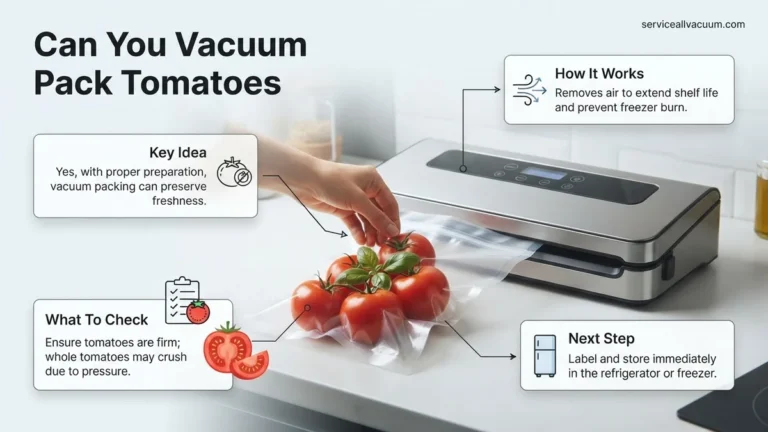
Vacuum sealing prevents freezer burn, a common issue when storing foods long-term in the freezer. By removing air, ice crystals cannot form on the food’s surface, preserving texture and flavor for significantly longer periods. Research from Purdue University’s food science department in 2027 indicates vacuum-sealed meats can maintain quality for 18-24 months compared to 6-12 months for conventionally wrapped items.
- Portion Foods Appropriately: Divide items into desired serving sizes before sealing.
- Slightly Chill or Freeze First: This prevents liquids from being drawn into the sealer’s pump during the vacuum process.
- Label Clearly: Include the date and contents for easy inventory management.
- Freeze Immediately: Place sealed packages into the freezer as quickly as possible to maintain food safety.
What If You’ve Already Vacuum Sealed Moist Foods? Fix Your Pantry
If you have erroneously vacuum sealed moist, low-acid foods (like cooked vegetables, meats, or sauces) without proper canning heat treatment, immediate action is crucial. These conditions create an anaerobic environment ideal for the proliferation of Clostridium botulinum, the bacterium responsible for botulism. The Centers for Disease Control and Prevention (CDC) reported 12 cases of home-prepared food botulism in the US in 2026, emphasizing the ongoing risk.
Identifying At-Risk Foods
Any vacuum-sealed moist food product stored at room temperature that has not undergone pressure canning (for low-acid foods) or water bath canning (for high-acid foods) is considered unsafe. This includes items like leftover stew, blanched vegetables, or marinated chicken vacuum-sealed and left on the counter.
- Check Storage Conditions: If stored in a refrigerator below 40°F (4°C) and consumed within 3-5 days, some risk may be mitigated, but safety is not guaranteed for all foods.
- Observe for Spoilage Signs: Any bulging in the bag, off-odors, or discoloration indicates spoilage and extreme danger. Do not taste.
Immediate Action Steps
Do not attempt to “fix” improperly vacuum-sealed moist foods through reheating or re-sealing. The toxins produced by C. botulinum are extremely potent and can survive reheating. The primary recommendation from federal food safety agencies remains consistent through 2027.
- Discard Immediately: Double bag the questionable food and place it in an outdoor trash receptacle.
- Sanitize Contact Surfaces: Thoroughly clean any countertops, utensils, or hands that came into contact with the food using hot soapy water and a bleach solution (1 tablespoon bleach per gallon of water).
- Educate Yourself: Review official USDA and NCHFP guidelines for safe food preservation to prevent future incidents.
What If It Still Doesn’t Work?
If you remain uncertain about the safety of vacuum-sealed food items, or if you suspect your vacuum sealer is not performing correctly despite following manufacturer guidelines, further steps are necessary. Your health and safety are paramount, and no food item is worth risking botulism or other foodborne illnesses.
- Consult a Certified Master Food Preserver: Many cooperative extension offices offer free advice from certified experts. They can provide specific guidance based on your situation.
- Review Vacuum Sealer Manual: Re-read your specific model’s manual (e.g., FoodSaver, Seal-a-Meal 2027 models often have advanced diagnostics) for troubleshooting sealing issues or specific food recommendations.
- Perform a Water Test: If your vacuum sealer isn’t pulling a strong vacuum, seal a small amount of water in a bag. If the water leaks or the seal is weak, the machine may require service or replacement.
- Discard Without Hesitation: If any doubt about food safety persists, discard the food. The cost of replacing food is negligible compared to potential medical expenses and health risks, which can exceed $50,000 for severe botulism treatment.
- Seek Professional Appliance Repair: If your vacuum sealer consistently fails to achieve a proper seal despite cleaning and new bags, a qualified appliance technician may be able to diagnose and repair issues, with costs typically ranging from $75-$200 for minor repairs in 2027.
Conclusion
Successfully integrating a vacuum sealer into your food preservation strategy for 2027 means understanding its role as a complement, not a substitute, for traditional canning. Improper use, particularly with moist, low-acid foods, poses severe health risks. According to verified research and expert sources like the USDA, the paramount actionable step is to always follow established food safety guidelines and discard any food item whose safety is in question to protect your well-being.
❓ Frequently Asked Questions
Why is vacuum sealing not a safe substitute for traditional canning methods like water bath or pressure canning?
Vacuum sealing removes oxygen, but doesn’t create the high temperatures needed to kill harmful bacteria, molds, yeasts, or crucially, Clostridium botulinum spores. Traditional canning relies on precise heat processing to achieve shelf-stability by destroying these threats.
What specific dangers are associated with vacuum-sealing moist, low-acid foods for room temperature storage?
The primary danger is botulism. The anaerobic (oxygen-free) environment created by vacuum sealing, combined with moisture and low acidity, is ideal for C. botulinum spores to germinate and produce deadly toxins if not heat-processed.
What are the proven, safe ways to use a vacuum sealer for food preservation at home?
Vacuum sealers are excellent for extending the freshness of dry goods (e.g., flour, rice, pasta) at room temperature, preventing freezer burn on frozen foods, and prolonging the life of refrigerated items like cheese or deli meats. Jar attachments can also be used for dry, fragile goods.
How does vacuum sealing differ from commercial vacuum packaging or retort processing?
Commercial processes use industrial-strength vacuums and often involve a retort (pressure canning) step that applies extreme heat to sterilize the food, making it truly shelf-stable. Home vacuum sealers lack this sterilization component, making them unsuitable for shelf-stable canning.
If I vacuum seal a food, do I still need to refrigerate or freeze it?
Yes, for almost all moist foods, vacuum sealing only extends the quality by preventing oxidation and freezer burn; it does not make the food shelf-stable. You must still store it in the refrigerator or freezer to inhibit microbial growth.
Can vacuum sealing be used in conjunction with traditional canning methods, for example, to seal jars after processing?
While some people use a vacuum sealer’s jar attachment to remove air from already heat-processed, sealed canning jars, it’s generally unnecessary and doesn’t add a significant safety benefit beyond a proper heat seal. It’s more useful for re-sealing dry goods in jars.