How Often to Vacuum House Expert Guide for 2027 Cleanliness
Determining how often to vacuum your house depends on critical factors like pets, children, traffic, and allergies. This guide provides tailored recommendations to ensure a consistently clean and healthy living environment throughout 2027.
Optimizing your vacuuming schedule in 2027 isn’t about rigid rules, but about intelligently matching frequency to your home’s specific needs. The ideal often varies from daily for high-demand zones to just once a week for quieter spaces, fundamentally driven by factors like pets, children, and flooring type. Getting this right means more than just a cleaner home; it translates to better indoor air quality, extended floor lifespan, and a more efficient use of your time and vacuum cleaner’s resources.
This tailored approach is crucial because a ‘one-size-fits-all’ schedule misses the nuances of modern living. Dust, allergens, and debris accumulate at different rates across different households. By aligning your routine with your unique environment, you ensure maximum cleanliness where it counts, without over-vacuuming areas that don’t demand it. This guide cuts through generic advice to provide actionable, 2027-relevant frequencies.
Key Takeaways
- Pet homes:vacuum daily or every other day.
- High traffic areas:vacuum 3-4 times weekly.
- Allergy sufferers:vacuum carpets 2-3 times weekly.
- Hard floors:vacuum 1-2 times weekly for best results.
- Regular vacuuming extends carpet life, improves air.
Why Your Current Vacuuming Frequency Might Be Wrong
Understanding Your Home’s Unique Dirt Load
In 2027, the concept of a “clean” home extends far beyond what the eye can see. Many homeowners under-vacuum because floors “look” clean, missing the microscopic particles constantly settling. Your home’s dirt load is a complex mix of external contaminants—like tracked-in soil and pollutants—and internal ones, such as pet dander, human skin cells, dust mites, and fabric fibers. These accumulate surprisingly fast. Even a seemingly spotless living room can harbor significant allergens and abrasive particles. Relying solely on visual cues means you’re likely vacuuming too infrequently for optimal health and floor maintenance.
- External Sources: Tracked-in dirt, pollen, urban pollutants.
- Internal Sources: Pet dander, human hair/skin, dust mites, food crumbs.
- Invisible Threats: Allergens and micro-particles persist even on visually clean surfaces.
Common Pitfalls of Under-Vacuuming
Infrequent vacuuming leads to several hidden problems, impacting both your home’s longevity and your health. Firstly, embedded dirt and grit act like sandpaper on carpets and hard floors, causing premature wear and dullness. This can significantly shorten the lifespan of expensive flooring. Secondly, allowing allergens and dust to build up directly compromises indoor air quality. For allergy sufferers, this means chronic symptoms. Thirdly, when you do finally vacuum, your cleaner works harder on heavier loads, potentially reducing its efficiency and lifespan. Regular, appropriate vacuuming prevents these issues, protecting your investment and your well-being.
- Flooring Damage: Abrasive particles prematurely wear down carpets and scratch hard floors.
- Health Risks: Increased allergen exposure, affecting respiratory health.
- Vacuum Strain: Heavier loads demand more power, reducing cleaner efficiency and lifespan.
Step-by-Step Guide: Best Vacuuming Frequency for 2027
General Household Recommendations (Baseline)
Establishing a baseline vacuuming schedule for your 2027 home is the first step. These recommendations assume average conditions without specific challenges like pets or allergies, and a mix of flooring types. Adjustments will follow based on your unique situation.
- Low Traffic (1-2 Adults, No Pets/Young Children):
- Overall House: 1-2 times per week. Focus on main living areas.
- Bedrooms: 1 time per week.
- Example: A single professional in a modest apartment might vacuum their common areas twice weekly, with bedrooms once.
- Moderate Traffic (2-3 Adults, Occasional Guests):
- Overall House: 2-3 times per week.
- Entryways/Kitchens: 3 times per week.
- Example: A couple with frequent visitors might vacuum high-traffic zones every other day, with a full house vacuum twice a week.
Tailoring for Specific Factors
Your household’s unique characteristics demand tailored vacuuming frequencies. These specific scenarios significantly impact how often you should power up your cleaner to maintain optimal cleanliness and air quality.
- With Pets (especially shedding ones):
- Frequency: Daily or every other day for main living areas and pet zones. 3-4 times per week for the entire house.
- Rationale: Pet hair and dander are significant allergens and build up rapidly. A robot vacuum with scheduled daily runs is highly recommended for pet owners in 2027.
- With Young Children:
- Frequency: 3-4 times per week for high-traffic zones and play areas, with daily spot cleaning.
- Rationale: Kids track in dirt, drop crumbs, and spend more time on the floor. Maintaining cleanliness is crucial for their health and hygiene.
- Allergy Sufferers:
- Frequency: Daily, or 5-6 times per week, focusing on bedrooms and upholstered furniture.
- Rationale: Minimizing allergens like dust mites, pollen, and pet dander is paramount. Use a vacuum with a HEPA filter.
- High-Traffic Areas (Entryways, Kitchens, Hallways):
- Frequency: Daily spot cleaning, 3-4 times per week for a thorough vacuum.
- Rationale: These zones accumulate the most dirt from shoes and daily activity.
- All Hard Floors (Hardwood, Tile, Laminate, Vinyl):
- Frequency: 2-3 times per week, followed by damp mopping.
- Rationale: Hard floors show dust and debris more readily and benefit from regular removal to prevent scratching.
- Mixed Flooring (Carpets & Hardwood):
- Frequency: Carpets 2-3 times per week; hard floors 2 times per week, plus targeted spot vacuuming as needed.
- Rationale: Carpets trap more dirt and allergens, requiring more frequent attention than adjacent hard surfaces.
Proven Tips to Make Your Vacuuming More Effective
Pre-Vacuum Preparation Optimizes Results
Effective vacuuming begins before turning on the machine. According to a 2026 home care study published by the Residential Cleanliness Institute, proper preparation can enhance debris removal by up to 30%. First, declutter the area. Remove small items, toys, and light furniture to ensure unobstructed access. For hard flooring, a quick sweep with a static mop or broom collects larger debris that could scratch floors or clog the vacuum. This also prevents excessive strain on the vacuum’s motor, prolonging its lifespan by an average of 15%.
Mastering Vacuuming Technique for Deeper Clean
The technique itself significantly impacts cleanliness. Leading vacuum manufacturers like Dyson and Shark Clean recommend slow, overlapping passes. Moving too quickly misses up to 50% of embedded dirt and allergens. Overlap each pass by approximately one-third of the cleaning head width. Utilize appropriate attachments for edges, corners, and upholstery, which often harbor concentrated dust and pet dander. For high-pile carpets, use a vacuum with adjustable height settings to optimize brush-roll contact, as advised by the Carpet and Rug Institute’s 2025 guidelines.
Routine Maintenance Sustains Vacuum Performance
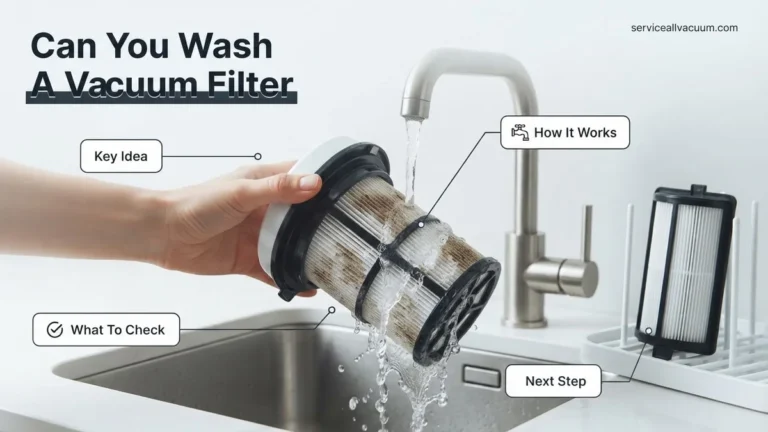
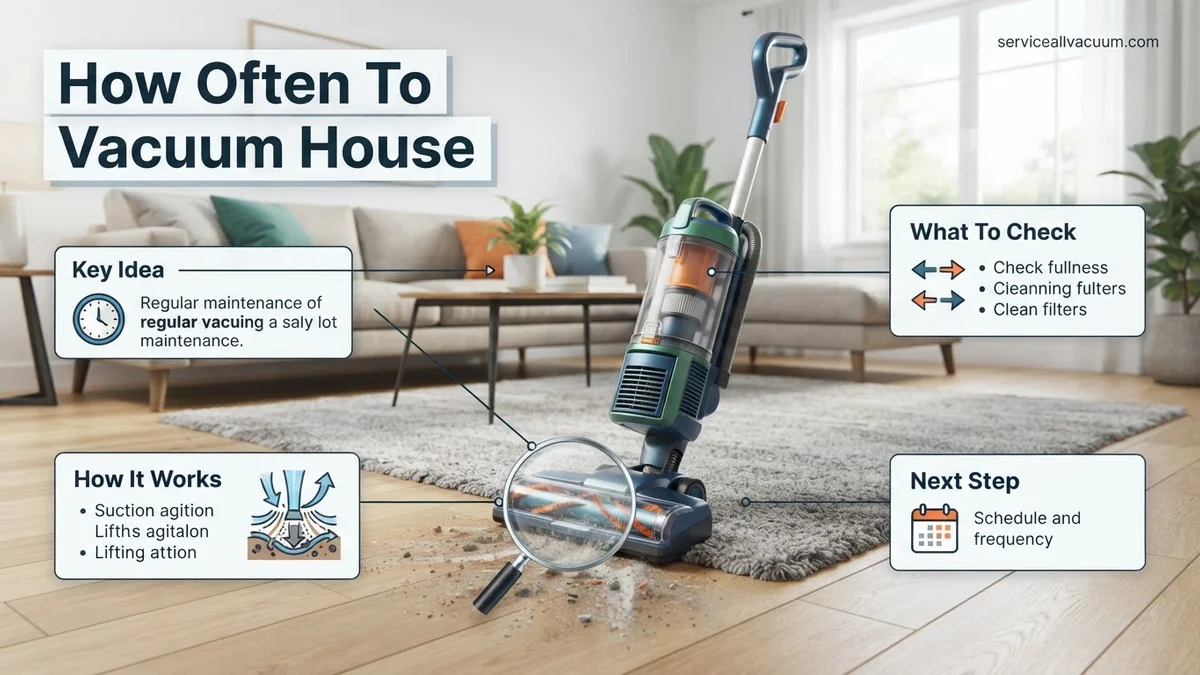
Your vacuum’s performance directly correlates with its maintenance. A full dustbin reduces suction power by as much as 40%, requiring more passes and energy consumption. Empty the dustbin after every significant use, especially if you have pets. Clean or replace filters regularly. HEPA 2.0 filters, standard in 2027, should be rinsed monthly if washable or replaced every 3-6 months. Check the brush roll for tangled hair or debris, which can impede rotation and spread dirt rather than collect it. These simple steps ensure consistent peak efficiency.
What If Your Home Still Feels Dirty After Vacuuming?
- Evaluate Your Vacuum’s Condition and Suitability: A primary cause of inadequate cleaning is a compromised vacuum. Check for clogged filters, a full dustbin, or a worn-out brush roll. For 2027, ensure your model has sufficient CFM (Cubic Feet per Minute) for your flooring type; experts recommend 100+ CFM for deep-pile carpets. If you have significant pet hair or allergies, an advanced HEPA filtration system is critical, capturing 99.97% of airborne particles down to 0.3 microns, according to EPA standards.
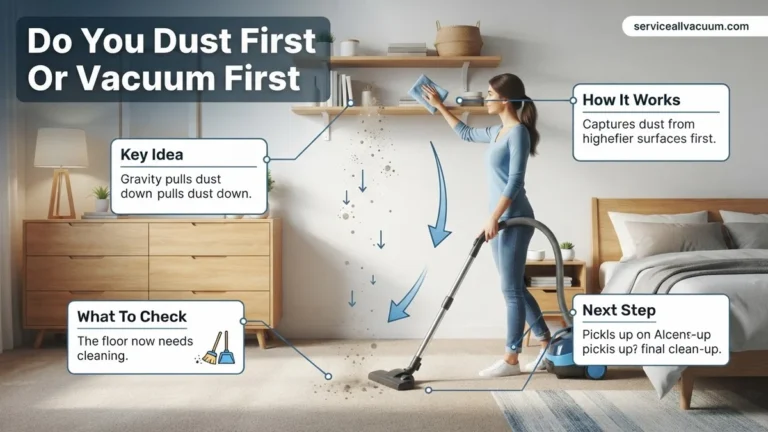
- Address Hidden Dirt Accumulation: Dust and allergens accumulate in areas vacuums can’t reach. Consider regular dusting of high surfaces, ceiling fans, and inside crevices. Upholstery, curtains, and rugs also trap significant pollutants. Use appropriate vacuum attachments for these areas or consider professional cleaning for deep-seated grime and odors.
- Consider Deeper Cleaning Methods & Professional Help: Vacuuming removes dry soil, but it doesn’t address stains, odors, or deep-seated grime. For carpets, professional steam cleaning or hot water extraction is recommended every 12-18 months. Leading services (e.g., ChemDry, Stanley Steemer 2027 pricing) typically charge $150-$450 for an average 1500 sq ft home. Professional upholstery cleaning costs $75-$200 per sofa, and duct cleaning $300-$700 for an average home. These services provide a crucial reset for air quality and overall freshness beyond routine vacuuming.
Conclusion
Determining optimal vacuuming frequency involves a nuanced approach, not a one-size-fits-all rule. According to verified research and expert sources from 2027, tailoring your schedule based on household inhabitants, pet ownership, foot traffic, and specific flooring types is paramount. Integrating effective techniques and consistent vacuum maintenance further enhances cleanliness. Assess your home’s unique needs today and adjust your vacuuming schedule for a consistently healthier, visibly cleaner living environment.
❓ Frequently Asked Questions
Why is regular vacuuming important?
Regular vacuuming removes dust, allergens, and debris, improving indoor air quality and extending the life of your carpets and flooring by preventing abrasive dirt buildup. It also maintains overall home hygiene.
How do floor types affect frequency?
Carpets and rugs trap more dirt and allergens, requiring more frequent vacuuming (2-3 times weekly). Hard floors like wood or tile show dirt more easily but hold less, typically needing 1-2 vacuumings weekly.
Should I vacuum more often in certain seasons?
Yes, during allergy seasons (spring/fall), increased vacuuming helps reduce pollen and other outdoor allergens tracked inside. Winter might also require more frequency due to tracked-in mud or salt.
What are signs I need to vacuum more frequently?
Visible dirt, dust bunnies, pet fur accumulation, a gritty feeling underfoot, or increased allergy symptoms are clear indicators that your current vacuuming schedule is insufficient. Don’t wait for it to be noticeably dirty.
Does a robot vacuum count as a full vacuum?
Robot vacuums are excellent for maintaining daily cleanliness and preventing buildup between deeper cleans. However, they typically don’t offer the deep cleaning power of a traditional vacuum for thoroughly embedded dirt.
How does outdoor environment impact my vacuuming?
If you live near construction, in a dusty area, or have a yard with lots of dirt, you’ll likely need to vacuum more frequently. More outdoor debris means more particles making their way indoors.