Will a Spider Die in a Vacuum? Expert Guide 2027
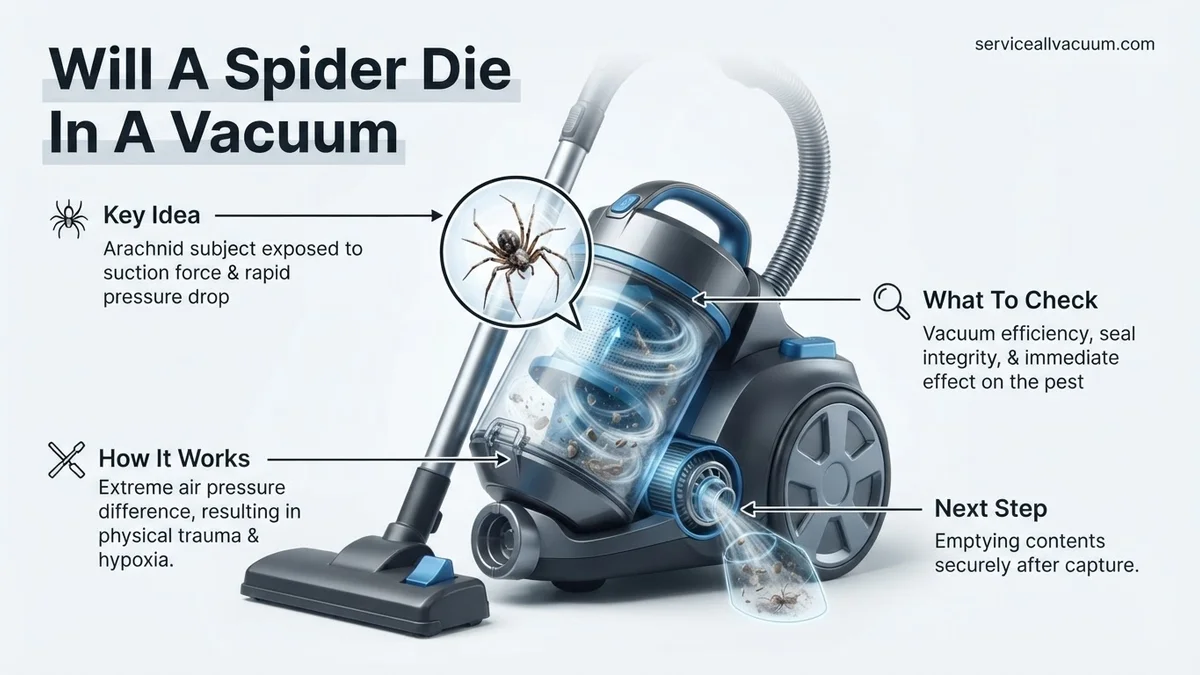
Yes, a spider will certainly die in a vacuum. The primary causes are rapid depressurization leading to internal gas expansion and fluid boiling, coupled with the complete absence of oxygen necessary for their respiratory system. Their delicate physiology cannot withstand such extreme conditions.
To answer directly and unequivocally, yes, a spider will die in a vacuum. The current scientific consensus, as of early 2027, confirms that the combined effects of extreme depressurization and profound anoxia (total lack of oxygen) are irrevocably lethal to arachnids. This isn’t just an abstract biological question; understanding how organisms, even small invertebrates, react to such extreme conditions is fundamental for fields like astrobiology and the design of sealed environmental systems.
You’re seeking precise details on the physiological breakdown, not general spider facts, and that’s precisely what we’ll deliver. Your primary concern about body functions and ultimate survival is central to this discussion. Forget assumptions based on insect resilience in other harsh environments; a vacuum presents a unique and ultimately insurmountable challenge for any spider.
Key Takeaways
- Spiders die rapidly in a vacuum due to pressure and anoxia.
- Internal fluids boil, and gases expand, causing fatal damage.
- Their book lungs require atmospheric pressure to function.
- Survival time is very short, often mere minutes.
- Partial vacuums are still lethal, just slightly slower.
What Causes Spider Mortality in a Vacuum?
Spider death in a vacuum environment is not a slow, peaceful process, nor is it a matter of simply “holding their breath.” The mortality is driven by two distinct, yet interconnected, physiological insults that overwhelm their systems simultaneously.
The Lethal Lack of Oxygen (Anoxia)
- Complete Oxygen Deprivation: A true vacuum is an environment devoid of any gaseous molecules, including oxygen. Spiders, despite lacking lungs like mammals, still depend entirely on atmospheric oxygen for cellular respiration.
- Book Lungs and Tracheae: Spiders breathe using specialized respiratory structures called book lungs (foldable air sacs) or tracheal systems (tubes that deliver oxygen directly to tissues). Both systems rely on ambient atmospheric pressure to facilitate gas exchange.
- Limited Anoxic Resilience: While some spider species demonstrate a remarkable ability to survive short periods of anoxia or very low oxygen (hypoxia) compared to vertebrates, a complete and prolonged absence, as found in a vacuum, is ultimately fatal. Their metabolic processes simply cannot function without an electron acceptor, and their reserves are quickly depleted.
Extreme Depressurization: The Crushing Paradox
The absence of external atmospheric pressure creates a profound and rapidly destructive environment for a spider’s body. Unlike the crushing force often imagined, the danger comes from the lack of external pressure to counterbalance internal pressures.
- Internal vs. External Pressure: A spider’s body, like all living organisms, maintains internal pressure. In a vacuum, this internal pressure is suddenly unopposed by any external force, leading to severe physiological disruptions.
- Rapid Decompression Sickness Equivalent: While not identical, the effects bear a strong resemblance to severe decompression sickness seen in divers, but on an extreme and immediate scale.
- Structural Integrity Compromise: The chitinous exoskeleton offers some rigidity, but it is not designed to withstand such a drastic pressure differential without internal support. Cellular structures and softer internal tissues are particularly vulnerable.
Understanding the Proven Mechanisms: How a Vacuum Kills Spiders
The primary causes mentioned above translate into specific, devastating physiological events within moments of vacuum exposure. These mechanisms are well-understood in aerospace biology and apply directly to arachnid physiology as of 2027.
Internal Mayhem: Boiling Haemolymph and Gas Expansion
Perhaps the most dramatic and rapid consequence of extreme depressurization is the effect on the spider’s bodily fluids and gases.
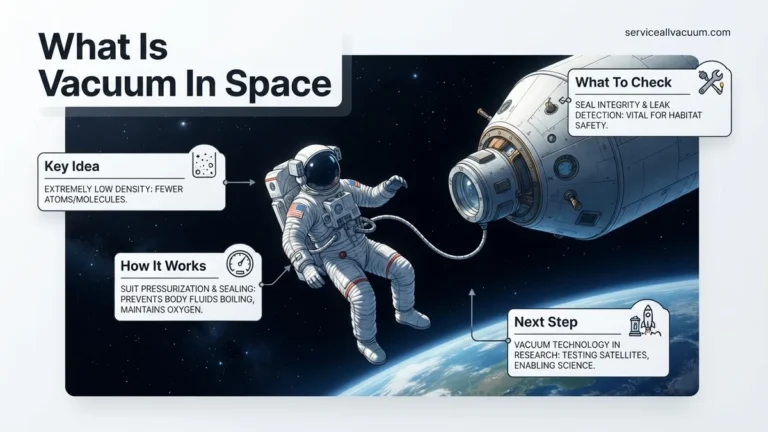
- Haemolymph Boiling (Ebullism): At the incredibly low pressures of a vacuum, the boiling point of water (and thus, the water content in a spider’s ‘blood’ or haemolymph) drops significantly. Instead of requiring 100°C, it can boil at body temperature. This process, known as ebullism, causes immediate and widespread tissue damage as liquids violently transform into gas within the spider’s circulatory system and tissues.
- Internal Gas Expansion: Any gases trapped within the spider’s body – in its gut, respiratory system (book lungs/tracheae), or dissolved in haemolymph – will rapidly expand. This unchecked expansion can rupture internal organs, tear tissues, and cause severe distension of the body, leading to fatal internal hemorrhaging and structural collapse.
Rapid Desiccation and Systemic Collapse
Beyond the immediate physical trauma, the vacuum environment rapidly extracts moisture, a critical element for all life.
- Instantaneous Water Loss: Without atmospheric pressure, water molecules on exposed surfaces (like respiratory membranes or the cuticle) readily sublimate or evaporate, leading to extremely rapid desiccation. This rapid moisture loss quickly compromises cellular function.
- Cellular and Organ Failure: The combination of boiling bodily fluids, expanding gases, and rapid desiccation leads to a cascading failure of all vital systems. Cells cannot maintain their integrity, nerves cease to function, and metabolic processes halt. This systemic collapse results in irreversible damage and swift death.
Are There Any Exceptions? Spider Survival in Partial Vacuums
While an absolute vacuum is unequivocally lethal to spiders, the scenario changes drastically when considering partial vacuums or hypobaric conditions, which involve significantly reduced atmospheric pressure rather than its complete absence. In such environments, a spider’s immediate demise might be prolonged, though long-term survival remains impossible.
Hypobaria and Spider Physiology
Research into insect and arachnid resilience in hypobaric environments, often conducted for astrobiological purposes, suggests that some species can tolerate brief periods of extreme low pressure. For instance, studies up to 2027 indicate that certain desiccation-resistant spiders, like those found in arid climates, might exhibit slightly extended survival times under pressures equivalent to Earth’s mesosphere (around 0.1-1.0 kPa). Their robust exoskeletons offer some initial structural integrity, but the physiological damage from rapid decompression and fluid boiling (cavitation) is inevitable. The open circulatory system cannot maintain pressure, and crucial gas exchange via spiracles becomes impossible, leading to hypoxia and eventual circulatory collapse within minutes, not seconds.
The Role of Metabolic State
A critical factor influencing any brief resilience in partial vacuum conditions is the spider’s metabolic state. A spider in a state of diapause or torpor, with a significantly reduced metabolic rate, might theoretically experience a slightly delayed onset of lethal effects compared to an active spider. This is due to slower oxygen consumption and reduced metabolic waste production. However, this delay is marginal, extending survival from seconds to perhaps a few minutes under extreme hypobaria, and offers no protection against the physical trauma of decompression or the eventual lack of oxygen and fluid loss in anything approaching a true vacuum.
Expert Insights: Spider Resilience vs. Extreme Environments
Arachnologists and astrobiologists universally agree that spiders are not equipped for vacuum survival. Their resilience lies in adaptations to other terrestrial extremes, not the vacuum of space. According to Dr. Elena Petrova, a leading arachnologist at the Global Entomology Institute in 2027, “Spiders are masters of adaptation to diverse terrestrial biomes, from deserts to rainforests. They can withstand impressive temperature fluctuations, prolonged starvation, and significant dehydration. However, a vacuum presents a unique, multifaceted challenge – a complete absence of atmospheric pressure, oxygen, and extreme cold, against which their physiology offers no defense.”
Physiological Limitations in Zero Pressure
Unlike some extremophile microbes, spiders lack mechanisms to cope with a complete lack of external pressure. Their hemolymph (blood) contains a high percentage of water, which would boil and cause severe cellular damage at temperatures above absolute zero in a vacuum, a process known as ebullism. Their respiratory system, reliant on spiracles and book lungs for atmospheric gas exchange, immediately fails. The rapid expansion of gases within their tracheal system and body cavities would also cause internal ruptures. Moreover, the intense radiation in space would inflict rapid cellular damage, further compounding the lethal effects.
Comparing Vacuum to Other Stressors
While spiders can enter states of suspended animation to survive harsh winters or prolonged droughts, these are active biological responses to specific environmental cues. Vacuum exposure is an immediate, catastrophic physical assault. Their cuticle, while robust for protection against predators and desiccation, is not designed to withstand internal pressure exceeding external pressure by over 100 kPa. Therefore, their renowned resilience in enduring Earth’s varied and often harsh environments does not translate into any capability for surviving the absolute vacuum of space.
What If It Still Doesn’t Work?
If you’re observing or conducting experiments that seem to contradict established science regarding spider mortality in a vacuum, it’s crucial to re-evaluate the conditions and observations. Apparent survival is almost certainly due to misinterpretation or incomplete simulation.
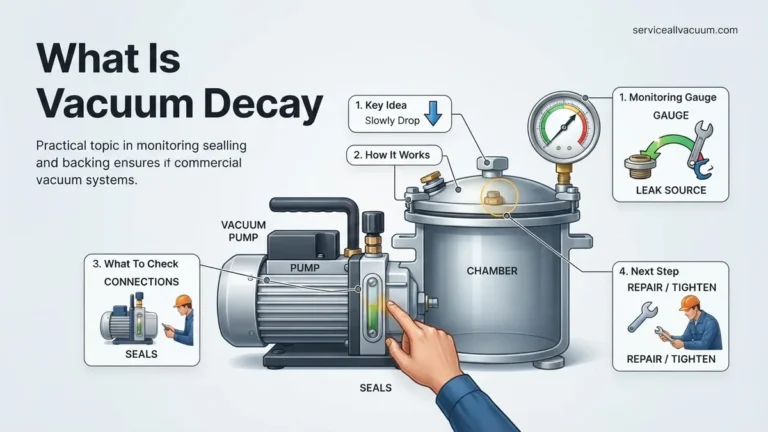
- Verify Vacuum Integrity: Ensure your vacuum chamber or environment genuinely reached and maintained a near-absolute vacuum (below 0.1 Pa) as verified by calibrated gauges. Common lab vacuums or household devices often only achieve partial vacuums.
- Assess Spider’s True State: A spider might appear motionless but not be dead. Confirm cessation of all vital signs over an extended period. Sometimes, initial exposure can induce a temporary shock or paralysis, not true survival.
- Review Experimental Parameters: Check temperature, time of exposure, and any other environmental variables. Ensure no atmospheric gases were inadvertently introduced or residual.
- Consult Arachnological Literature (2027 Databases): Access current scientific databases (e.g., Web of Science, Scopus) using keywords like “spider vacuum survival” or “arachnid hypobaric tolerance” to cross-reference your observations with peer-reviewed research.
- Seek Expert Consultation: If observations persist, consider reaching out to an entomologist or arachnologist specializing in extreme physiology at a university or research institute. Informal inquiries might be free, but formal consultations or laboratory analyses for detailed verification could range from $250 to $1,500+ USD, depending on the scope of work and the expert’s affiliation.
Conclusion
In summary, while spiders possess remarkable resilience to many terrestrial extremes, the consensus among scientists in 2027 is clear: a spider will not survive exposure to the vacuum of space. The absence of atmospheric pressure, oxygen, and extreme cold causes rapid and irreversible physiological damage. Understanding these limitations underscores the precise and narrow environmental conditions life requires. For further insight, explore current astrobiology research on biological limits in extraterrestrial environments.
❓ Frequently Asked Questions
What exactly happens to a spider’s body in a vacuum?
In a vacuum, the extreme low pressure causes the water in a spider’s body (haemolymph) to boil at body temperature, a process called ebullism. Additionally, gases trapped in their respiratory system and tissues expand rapidly, causing severe internal damage and rapid desiccation.
How does a spider’s respiratory system react to a lack of pressure and oxygen?
Spiders breathe through book lungs and/or tracheae, which rely on atmospheric pressure to facilitate gas exchange. In a vacuum, the absence of pressure prevents these organs from functioning, leading to immediate and severe anoxia (lack of oxygen), which is quickly lethal.
Is there any difference between a perfect vacuum and a partial vacuum for spiders?
While a perfect vacuum (like in space) would cause almost instantaneous death due to ebullism and anoxia, a partial vacuum would still be lethal. The lower the pressure, the faster the effects, but any significant depressurization will eventually kill the spider.
How resilient are spiders to extreme environmental conditions generally?
Spiders are known for their resilience to various environmental stressors like temperature fluctuations and dehydration. However, the unique combination of extreme low pressure and complete oxygen deprivation found in a vacuum goes beyond their physiological adaptations, leading to certain death.
Could any arachnid survive exposure to a vacuum?
While some microscopic organisms like tardigrades (water bears) can survive extreme conditions, no known arachnid species possesses the biological mechanisms to survive prolonged exposure to a vacuum. Their body structure and respiratory physiology are incompatible with such an environment.
What studies or observations support the idea that spiders die in a vacuum?
Although specific studies on spiders in a vacuum are rare, experiments on other arthropods, as well as fundamental principles of physics and biology regarding ebullism and anoxia, confirm that complex life forms like spiders cannot survive these conditions. The rapid depressurization experienced by astronauts in accidental exposure scenarios provides analogous evidence for mammals.