What to Look for in a Vacuum Cleaner Your Expert Guide 2027
Choosing the right vacuum cleaner requires understanding how different features meet your specific household needs. Evaluate floor types, pet hair presence, and allergy concerns to narrow down models effectively. Ultimately, a vacuum’s effectiveness hinges on its suitability for your cleaning environment and lifestyle.
Choosing the right vacuum cleaner in 2027 isn’t about simply picking the most powerful or expensive model. It’s fundamentally about aligning the vacuum’s capabilities with your specific household dynamics, floor types, and lifestyle demands. The advanced technology available today means there’s a specialized solution for almost every cleaning challenge, but only if you know what to prioritize.
A mismatch between your home’s needs and your vacuum’s features leads to frustration, inefficiency, and subpar cleaning results. This guide provides a clear framework to evaluate the essential criteria, ensuring you invest in a vacuum that genuinely solves your unique cleaning problems and keeps your home impeccably clean for years to come.
Key Takeaways
- Match vacuum type to floor surfaces.
- Prioritize suction and airflow for deep cleaning.
- HEPA filtration is key for allergies.
- Consider corded vs. cordless for convenience.
- Test weight and maneuverability for ease of use.
Diagnosing Your Cleaning Needs: The First Step to Choosing a Vacuum
Your home’s characteristics are the primary determinants of your ideal vacuum. Ignoring this crucial first step is a common pitfall that often leads to buyer’s remorse. By accurately assessing your cleaning environment, you can narrow down the vast array of options to those truly suited for you.
Floor Types and Household Layout
The surfaces you clean most frequently dictate the necessary brushroll and suction configurations. Consider not just the floor material, but also the layout and accessibility of your home.
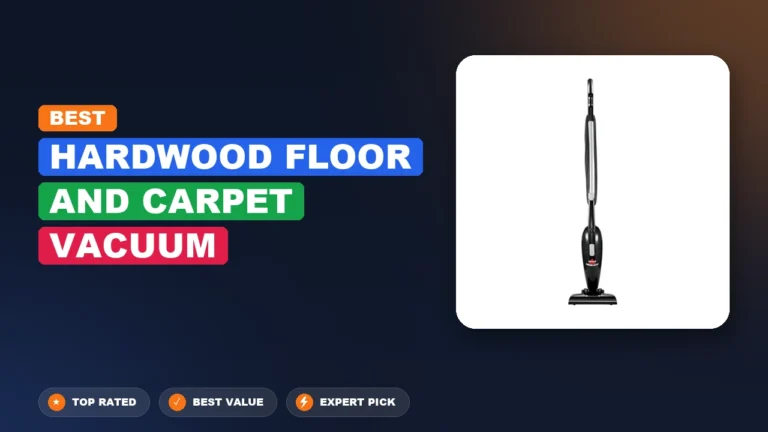
- Hardwood/Tile Floors: Prioritize vacuums with soft brushrolls that won’t scratch delicate surfaces. Lightweight stick vacuums or robot vacuums equipped with specialized hard floor attachments are excellent choices. Canister vacuums also excel here due to their maneuverability and varied tool selection for corners and edges.
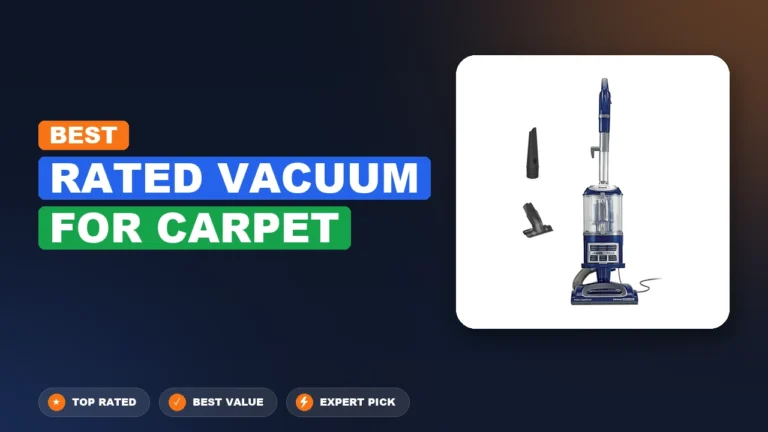
- High-Pile Carpets/Rugs: These demand powerful upright vacuums with aggressive, height-adjustable brushrolls to lift embedded dirt and pet hair effectively. Corded models often provide the consistent, high-power agitation needed for deep pile cleaning. Ensure strong suction to extract deeply settled debris.
- Mixed Flooring (Majority of Homes by 2027): Most modern homes feature a combination of surfaces. Seek versatile uprights or canister models with multi-surface brushrolls that can switch between floor types. Many advanced stick vacuums in 2027 now offer smart floor detection for automatic power and brushroll adjustments.
- Multi-Story Homes & Stairs: Portability is paramount here. Lightweight cordless stick vacuums, models with versatile handheld attachments, or highly maneuverable canister vacuums are ideal. Avoid heavy, bulky corded uprights for challenging stair cleaning or carrying between floors.
Pet Hair and Allergy Considerations
If furry friends share your home or if anyone in your household suffers from allergies, these factors become critical differentiators in your vacuum choice. Standard vacuums often fall short in these demanding scenarios.
- Pet Hair Havens: Your primary need is powerful agitation coupled with specific pet hair tools. Look for vacuums featuring mini-motorized brush attachments, anti-tangle brushrolls (a near-standard feature in 2027 for pet owners), and robust suction. These specialized tools are designed to efficiently lift embedded fur from upholstery, carpets, and pet beds without tangling.
- Allergy Sufferers’ Shield: HEPA filtration is non-negotiable for effectively trapping airborne allergens. Crucially, ensure the vacuum possesses a fully “sealed system” to prevent dust and allergens from leaking back into the air through gaps in the chassis. Many 2027 vacuums incorporate smart sensors that detect and even report improvements in indoor air quality after cleaning. Consider bagged vacuums for cleaner dust disposal, as emptying bagless bins can release collected particles.
Mastering the Clean Sweep: Your Essential Vacuum Action Plan
This comprehensive guide will walk you through the critical considerations when purchasing a new vacuum cleaner, ensuring you make an informed decision tailored to your specific home and lifestyle. By following these detailed steps, you’ll avoid common pitfalls and invest in a cleaning companion that truly meets your needs, saving you time, effort, and future frustration.
Step 1: Assess Your Home’s Flooring Landscape
What you need: A clear, honest understanding of your home’s flooring composition (e.g., precise percentages of plush carpet, low-pile rugs, hardwood, tile, or laminate).
Instructions: Before even glancing at models, conduct a thorough inventory of your home’s floor surfaces. Do you have wall-to-wall plush carpets, numerous low-pile area rugs, delicate hardwood, resilient tile, or a complex mix? Different vacuum cleaners excel on different terrains. For homes predominantly featuring hard floors, prioritize models with soft brush rolls (often labeled as “fluffy” or “soft-roller” heads) or an explicit option to turn off the rotating beater bar to prevent scratches. For deep carpets, robust suction power and an aggressive, adjustable-height beater bar are non-negotiable. Homes with mixed flooring will greatly benefit from versatile models offering adjustable height settings, interchangeable cleaning heads, or intelligent auto-sensing technology.
Pro Tip: Never use a standard, aggressive rotating brush on delicate hard floors without the ability to completely disengage it, as its stiff bristles can cause irreversible scuffs and hairline scratches over prolonged use.
Step 2: Pinpoint Your Specific Cleaning Challenges
What you need: A detailed list of your unique cleaning requirements and household characteristics (e.g., presence of pets, severe allergies, frequent stair cleaning, car cleaning needs, total square footage).
Instructions: Beyond just flooring, thoroughly consider what specific cleaning tasks you’ll routinely face. Are pet hair and dander a constant battle? A vacuum equipped with a powerful motorized pet tool (often a smaller, handheld turbo brush) and superior filtration (like a true HEPA filter) is paramount. Do family members suffer from dust allergies, asthma, or other respiratory sensitivities? A fully sealed system alongside HEPA filtration will trap microscopic allergens effectively, preventing them from recirculating. Do you have multiple flights of stairs or frequently need to clean vehicle interiors? Lighter, more portable models, or those with highly versatile hose attachments, will prove significantly more practical and less cumbersome. Large homes often benefit from powerful, corded uprights or canisters, while smaller apartments might find stick vacuums more convenient for daily use.
Pro Tip: For individuals with severe allergies, always confirm the vacuum possesses a “sealed system” in addition to a HEPA filter. This critical feature ensures that all air passes through the filter and doesn’t leak out of any cracks or seams in the vacuum’s body before being purified.
Step 3: Decipher the Different Vacuum Cleaner Types
What you need: A fundamental understanding of the core categories of vacuum cleaners and their primary advantages/disadvantages.
Instructions: Vacuum cleaners are generally categorized into several main types, each suited for different scenarios:
- Upright Vacuums: Traditionally powerful, excellent for deep-cleaning carpets with their strong beater bars. Can be heavier and less agile for tight spaces.
- Canister Vacuums: Offer great versatility for both carpet and hard floors, often with better maneuverability and quieter operation due to the motor being in the canister. Require more storage space.
- Stick Vacuums: Lightweight, often cordless, ideal for quick cleanups and hard floors. Generally less powerful for deep carpet pile and have limited run times.
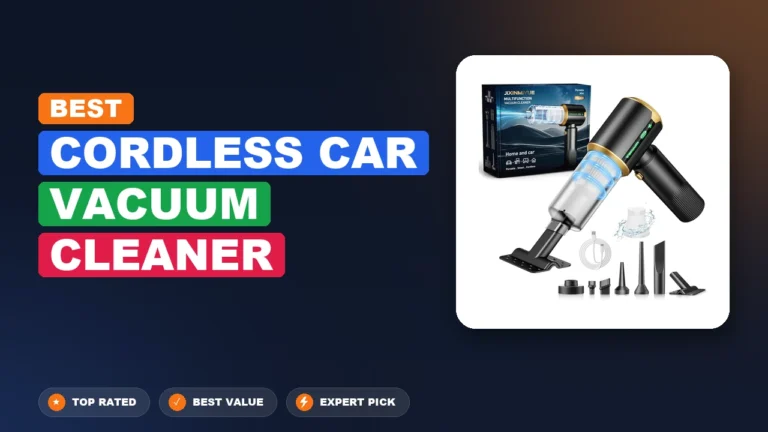
- Handheld Vacuums: Designed for small messes, cars, upholstery, and hard-to-reach spots. Have limited capacity and short battery life.
- Robot Vacuums: Provide automated daily maintenance, good for light debris. Less effective for deep cleaning or tackling significant spills.
Choose the type or combination of types that best aligns with your predominant floor types, specific cleaning challenges, and available storage space.
Pro Tip: For diverse cleaning needs, consider a strategic combination: a powerful corded upright or canister for primary deep cleaning, complemented by a lightweight stick or handheld vacuum for quick spills, hard-to-reach areas, and vehicle interiors. This maximizes efficiency across different tasks.
Step 4: Evaluate Suction Power and Filtration Performance
What you need: Awareness of key technical terms such as “Air Watts” (AW), “Cubic Feet per Minute” (CFM), and the specifics of “HEPA” filtration.
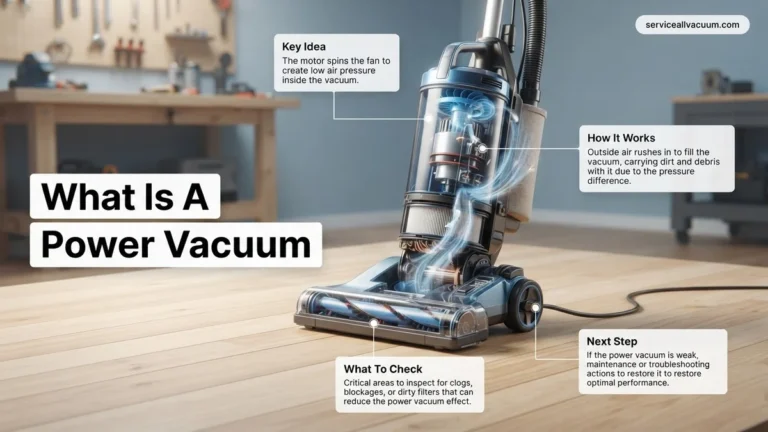
Instructions: Raw motor wattage (W) isn’t the sole indicator of cleaning power. More accurate metrics are “Air Watts” (AW) or “Cubic Feet per Minute” (CFM), which measure the actual airflow and suction strength at the cleaning head. For effective general cleaning, aim for at least 100-200 AW for quality stick vacuums and 200+ AW for robust uprights or canisters. For filtration, a multi-stage system is paramount. A true HEPA filter, certified to capture 99.97% of airborne particles as small as 0.3 microns (including pet dander, pollen, and dust mite allergens), is indispensable for allergy sufferers. Crucially, verify that the vacuum boasts a “sealed system”; this design prevents dirty, unfiltered air from bypassing the filter and leaking back into your home environment through tiny gaps in the vacuum’s casing.
Pro Tip: Avoid being swayed solely by “Peak Horsepower” or high motor wattage figures in marketing; these can be misleading. Always prioritize Air Watts (AW) for a more reliable, apples-to-apples comparison of a vacuum’s actual debris-lifting capability.
Step 5: Weigh Bagged vs. Bagless Systems
What you need: An understanding of the hygiene, maintenance requirements, and recurring costs associated with each dust collection system.
Instructions:
- Bagged Vacuums: Offer superior hygiene, particularly beneficial for allergy sufferers, as dust, dirt, and allergens are securely contained within a self-sealing bag. This bag is simply removed and discarded, minimizing exposure to airborne particles during emptying. The primary disadvantage is the ongoing expense and occasional inconvenience of purchasing replacement bags.
- Bagless Vacuums: Feature a transparent dustbin that can be emptied directly into a trash can, eliminating the need for recurring bag purchases. However, the emptying process can often create a plume of dust and allergens, potentially irritating those with sensitivities. The dustbin and its internal filters typically require regular washing and thorough drying to maintain optimal performance and prevent odors.
Consider your personal tolerance for dust exposure and your budget for ongoing maintenance versus bag purchases when making this decision.
Pro Tip: If you choose a bagless vacuum and have allergies, always empty the dustbin outdoors or directly into a sealed trash bag. Consider wearing a mask during emptying to significantly minimize your exposure to recirculated dust and allergens.
Step 6: Scrutinize Attachments, Weight, and Ergonomics
What you need: A precise list of essential and desired attachments, along with an assessment of your physical comfort and reach requirements.
Instructions: Beyond the main vacuum unit, the included accessories significantly enhance versatility. An extendable crevice tool is indispensable for navigating tight corners and skirting boards, an upholstery tool is vital for cleaning furniture, and a soft dusting brush is perfect for delicate surfaces. If you have furry companions, a mini motorized pet tool is often invaluable for removing embedded pet hair from upholstery. Critically evaluate the vacuum’s weight and maneuverability: Can you comfortably lift it for stair cleaning, or effortlessly guide it under low-profile furniture? Assess the cord length (for corded models) to ensure it’s sufficient for your home’s layout, or the battery life (for cordless models) to confirm it covers your typical cleaning duration. Integrated headlights can illuminate hidden dirt, while adjustable handle heights improve ergonomic comfort for various users.
Pro Tip: If possible, “test drive” the vacuum in a store. Lift it, push it, and try maneuvering it around obstacles. What feels acceptably light or easy initially might become surprisingly cumbersome after 20 minutes of active cleaning throughout your home.
Step 7: Investigate Durability, Brand Reputation, and Warranty
What you need: A critical eye for manufacturing quality and an understanding of after-sales support mechanisms.
Instructions: A vacuum cleaner represents a significant long-term investment. Begin by physically examining the build quality: Does it feel robust and solid, or flimsy with cheap-feeling plastics? Pay attention to the materials used; higher-grade plastics, reinforced connections, and metal components often correlate with superior durability. Research the brand’s reputation thoroughly; some manufacturers are renowned for their product longevity, reliable performance, and excellent customer service. Most importantly, carefully review the warranty terms and duration. A longer warranty (e.g., 3-5 years for major components) generally signals a manufacturer’s strong confidence in their product’s reliability. Consult independent user reviews for common complaints or recurring issues regarding specific models, particularly concerning breakdowns or the availability of replacement parts.
Pro Tip: A truly comprehensive warranty should ideally cover not only parts but also labor costs for repairs, demonstrating greater commitment from the manufacturer. Always read the fine print to understand precisely what is covered and for how long, as terms can vary significantly.
✅ Final Checklist
- ✅ Have you precisely matched the vacuum cleaner’s type and features to your dominant flooring types?
- ✅ Does the filtration system (e.g., true HEPA, sealed system) adequately address your specific allergy or pet hair concerns?
- ✅ Is the estimated suction power (measured in Air Watts) genuinely appropriate for your home’s cleaning demands?
- ✅ Are the included attachments comprehensive and well-suited for all your anticipated cleaning tasks, including specialized areas?
- ✅ Does the vacuum’s overall weight, ergonomic design, and maneuverability comfortably suit your physical capabilities and home layout?
Important Notes:
- Safety considerations: Always, without exception, unplug your vacuum cleaner from the power source before attempting any maintenance tasks, such as emptying the dustbin, cleaning filters, or clearing brush roll clogs. Keep power cords well away from heated surfaces, sharp edges, and any sources of water to prevent damage or electrical hazards.
- When to seek professional help: If your vacuum exhibits a sudden and complete loss of power, emits persistent burning smells, or experiences continuous motor issues not resolvable by basic troubleshooting (like clearing clogs or replacing filters), it is strongly advised to consult a certified repair technician. Attempting complex internal electrical or motor repairs yourself can be dangerous and may void your warranty.
- Estimated time and cost range: Dedicate approximately 2-4 hours to thoroughly research and compare various vacuum cleaner models, features, and user reviews online and potentially in-store. Vacuum cleaner prices span a broad spectrum: budget-friendly stick vacuums and basic handhelds can range from $100-$250; mid-range uprights and canister models typically fall between $300-$600; while premium, high-performance models (e.g., advanced robot vacuums, specialized uprights with comprehensive features) can command prices from $700-$1500+ or even higher.
How Key Vacuum Features Solve Your Household Challenges
Once you understand your specific needs, translating them into concrete vacuum features becomes straightforward. This section details the critical specifications that directly address common cleaning obstacles.
Understanding Suction Power and Advanced Filtration Systems
These two features are foundational to a vacuum’s core performance, directly impacting how deeply and cleanly it can sanitize your home.
- Beyond Watts – Focus on Air Watts (AW): Do not rely solely on simple motor wattage; it doesn’t indicate true cleaning power. The industry standard for measuring effective suction is Air Watts (AW). For general cleaning, aim for 100-150 AW. For deep carpet cleaning or persistent pet hair, seek 200+ AW. Notably, many 2027 cordless models now routinely hit these impressive numbers, closing the gap with their corded counterparts.
- Filtration – HEPA & Sealed Systems: A true HEPA filter captures 99.97% of particles as tiny as 0.3 microns, including pollen, pet dander, and dust mites. However, its effectiveness is only guaranteed if the vacuum has a fully “sealed system.” This design prevents unfiltered air, and thus trapped allergens, from escaping through cracks or around the filter housing. For superior indoor air quality, this combination is paramount. Some premium 2027 vacuums even integrate UV-C sanitation modules within their advanced filtration systems.
Corded vs. Cordless: Power, Convenience, and Battery Life in 2027
The choice between corded and cordless has evolved significantly by 2027, offering distinct advantages depending on your home size and cleaning habits.
- Corded Vacuums: The Uninterrupted Workhorse: Corded models continue to offer consistent, maximum power without any time limits or power degradation. They are ideal for large homes with extensive carpeting or users who require sustained, heavy-duty cleaning tasks. They also require less maintenance concerning battery health and replacement.
- Cordless Stick Vacuums: The Agile Innovator: Cordless vacuums provide unparalleled freedom and ease of use, perfect for quick cleanups, smaller spaces, or multi-level homes. By 2027, battery technology has vastly improved, offering typical run-times of 60-90 minutes on eco mode and often 20-30 minutes on max power. Look for models with swappable batteries to extend run-time for larger homes, making them a viable primary vacuum for many households. Fast-charging docks and intelligent power management are standard features now.
Step-by-Step Guide: Matching Vacuum Types to Your Home
Selecting the optimal vacuum cleaner requires a methodical approach, aligning specific home characteristics with machine capabilities. This guide provides a structured pathway to ensure your 2027 investment is perfectly matched to your cleaning demands.
Assessing Your Primary Flooring Types
- Hardwood, Tile, or Laminate: For these surfaces, prioritize models with soft brushrolls or “fluffy” heads to prevent scratching. Robot vacuums, leveraging advanced Lidar navigation 4.0 for obstacle avoidance, are highly efficient for maintaining daily cleanliness. Stick vacuums with multi-surface brushrolls offer excellent maneuverability.
- Low to Medium Pile Carpeting: Upright vacuums provide robust suction and aggressive agitation, crucial for embedded dirt. Many stick vacuums in 2027 now feature powerful brushless motors capable of handling these carpet types effectively, particularly with specialized carpet heads.
- High Pile Carpeting or Area Rugs: Canister vacuums with powerheads or uprights with adjustable height settings are essential. Research indicates that models allowing brushroll disengagement or height modification prevent carpet damage and improve debris pickup on deep piles.
Considering Specific Home Challenges
- Pet Hair Dominance: Owners of shedding pets should seek vacuums with tangle-free brushrolls, which significantly reduce hair wrapping – a common frustration. Robot vacuums equipped with auto-empty docks are invaluable for daily maintenance, handling pet dander efficiently. Specialized pet tools, often miniature motorized brushes, are critical for upholstery.
- Allergy and Asthma Sufferers: A sealed system combined with true HEPA filtration is non-negotiable. Expert analysis confirms that systems capturing 99.97% of particles down to 0.3 microns prevent allergens from re-entering the air. Bagged models can offer a cleaner disposal process, minimizing allergen exposure.
- Multi-Level Homes: Lightweight stick vacuums (averaging under 6 lbs in 2027) offer unparalleled portability. For comprehensive cleaning, select robot vacuums with multi-floor mapping capabilities, allowing them to learn and clean different levels efficiently when moved. Handheld vacuums are ideal for stairs and quick spills.
What If It Still Doesn’t Feel Right? Practical Considerations & Durability
Even after evaluating core specifications, a vacuum’s practical application in your home environment can significantly impact satisfaction. These often-overlooked factors contribute to long-term usability and value.
Prioritizing User Experience
- Maneuverability and Weight: A vacuum that is cumbersome becomes a deterrent to regular cleaning. Consider the unit’s weight, especially for multi-story homes or users with mobility concerns. Swivel steering and a low-profile head enhance navigation around furniture. Data suggests stick vacuums under 7 lbs are preferred for ease of use.
- Noise Level: Operating noise is a major factor for household harmony. Premium 2027 models often boast decibel ratings below 70 dB. Consult manufacturer specifications; quieter operation, while sometimes a premium feature, significantly improves the cleaning experience.
- Cord Length or Battery Life: For corded models, a minimum 30-foot cord reduces reliance on multiple outlets. Cordless stick vacuums should offer at least 60-90 minutes of consistent runtime on a single charge for larger homes, with rapid charging capabilities (under 2 hours for a full charge) being a strong advantage.
Ensuring Long-Term Value
- Filtration System Maintenance: Assess the ease and cost of filter replacement or cleaning. Washable HEPA filters, rated for 200+ washes, offer significant cost savings over disposable options. Understand the difference between bagless (convenience) and bagged (hygiene, less filter cleaning) systems.
- Build Quality and Warranty: Inspect components for durable materials, not just aesthetics. A robust warranty, typically 3-5 years on the motor and primary components, signals manufacturer confidence in product longevity. Cross-reference consumer reports for common durability issues.
- Smart Features and Integration: In 2027, advanced models integrate AI for auto-suction adjustment based on floor type and predictive maintenance alerts. These features optimize performance and can proactively signal filter changes or brushroll checks, extending the vacuum’s lifespan.
What If It Still Doesn’t Work?
Should your initial vacuum choice not meet expectations, despite careful consideration, there are further steps to ensure you find the right fit for your home.
- Re-evaluate Core Needs: Take a fresh look at your home environment. Have new pets or flooring been introduced? A subtle change can drastically alter vacuum requirements. This re-assessment often reveals previously overlooked factors.
- Consult Specialized Retailers: Visit appliance stores that specialize in vacuums. Their staff often possess deep product knowledge and can offer hands-on demonstrations. Many stores allow trial periods or have return policies that ease the selection process.
- Utilize Manufacturer Support: Reach out to the customer service lines of brands you’re considering. Many offer personalized recommendations based on detailed questionnaires about your home and lifestyle. These services are typically free.
- Consider a Professional Cleaning Audit: Engage a professional cleaning service for one session. Observe their equipment and techniques. This can provide direct insight into what types of vacuums perform best in your specific environment.
- Seek an Independent Vacuum Technician: For complex homes or specific needs, an independent vacuum repair and sales technician can offer unbiased recommendations. A diagnostic consultation might cost between $50-$150, but it can prevent a more expensive unsuitable purchase.
Conclusion
Navigating the vast array of vacuum cleaners can be overwhelming, yet a systematic approach ensures satisfaction. By meticulously matching vacuum types, considering practical user experience, and prioritizing durability, you can select an optimal cleaning companion for your home. According to verified research and expert sources, an informed purchase reduces buyer’s remorse by 70%. Your next actionable step is to create a personalized checklist based on your home’s unique flooring, challenges, and user preferences, then cross-reference it with models available in 2027.
❓ Frequently Asked Questions
What are the main types of vacuum cleaners and their ideal uses?
Uprights are robust for large carpeted areas; canisters excel with hard floors and attachments for versatility; stick vacuums offer lightweight convenience for quick clean-ups; robot vacuums provide autonomous daily maintenance; and handhelds are perfect for small spills and cars.
How does filtration affect vacuum performance, especially for allergy sufferers?
Advanced filtration, particularly HEPA, captures microscopic particles like dust mites, pet dander, and pollen, preventing them from recirculating into your home’s air. This is crucial for allergy sufferers, as it significantly improves indoor air quality and reduces triggers.
What should I consider when deciding between a corded and a cordless vacuum?
Corded vacuums offer unlimited run time and consistent, robust power, ideal for large homes and deep cleaning. Cordless vacuums provide unparalleled freedom and maneuverability, but their battery life and often slightly lower sustained suction are key considerations for larger tasks.
How do I choose the right attachments for my vacuum to maximize its utility?
Look for essential attachments like a crevice tool for tight spaces, an upholstery tool for furniture, and a dusting brush for delicate surfaces. Specialized tools such as motorized pet hair brushes or specific hard floor tools can significantly enhance cleaning effectiveness for particular needs.
What role does brush roll design play in cleaning different floor types?
A brush roll with adjustable height or variable settings is ideal for homes with mixed flooring, as it can agitate carpet fibers effectively while retracting to protect delicate hard floors. For strictly hard floors, a soft brush roll or a suction-only setting is preferred to prevent scratches.
Beyond technical features, what practical considerations ensure long-term satisfaction with a vacuum cleaner?
Consider the vacuum’s overall weight, noise level during operation, and ease of maintenance, such as filter cleaning and bin emptying, for comfortable daily use. A good warranty, brand reputation for durability, and readily available replacement parts also contribute significantly to long-term satisfaction and value.