How to Vacuum a Shag Rug Real Expert Guide 2027
Properly vacuuming a shag rug requires specific techniques and the right tools to prevent damage and ensure deep cleaning. Using the correct vacuum settings and gentle methods is crucial for maintaining its plush texture and removing embedded dirt effectively. Avoid common mistakes like using a beater bar to preserve your rug’s longevity.
Effectively vacuuming your shag rug in 2027 doesn’t have to be a battle. The core of a successful, damage-free clean lies in selecting the right tools and employing a specific, gentle technique. This method ensures you remove deeply embedded dirt without tearing delicate fibers or overwhelming your vacuum’s motor, preserving your rug’s luxurious look and feel for years.
Ignoring these specialized approaches can lead to flattened piles, irreversible fiber damage, and a vacuum cleaner struggling with tangled debris. Mastering the proper vacuuming technique means your shag rug will not only appear cleaner but also genuinely be free of allergens and grit trapped within its long, inviting strands. It’s about maintaining both aesthetics and hygiene with practical, targeted effort.
Key Takeaways
- Always turn off the brush roll.
- Use a high-pile height setting.
- Vacuum in sections, gently.
- Shake out loose debris first.
- Consider a rug rake for deep cleaning.
What Makes Shag Rugs Hard to Vacuum Effectively?
Shag rugs, with their distinctive long, loose fibers, present unique challenges that standard vacuuming methods simply cannot overcome. Understanding these inherent difficulties is the first step toward effective cleaning.
The Pile Problem: Traps and Tangles
The defining characteristic of a shag rug is its extended pile, often ranging from 1 to 5 inches. These lengthy fibers create a dense, cushioned environment that readily traps dirt, crumbs, pet hair, and dust deep within. Unlike short-pile carpets where debris rests closer to the surface, shag fibers act like tiny nets, holding onto particles tightly. Standard vacuum brush rolls, designed to agitate shorter fibers, often get entangled in shag. This can lead to the brush roll stopping, causing motor strain, or worse, ripping out the shag fibers themselves, creating bald spots or irreversible damage to your rug’s texture.
Suction vs. Agitation: The Delicate Balance
Most upright vacuums rely heavily on a rotating brush roll for agitation to loosen dirt. While effective on low-pile carpets, this aggressive action is detrimental to shag rugs. The powerful spinning bristles can chew through delicate, long fibers, leading to frizzing, shedding, and premature wear. Conversely, high suction alone without proper technique can cause the rug to “swallow” the vacuum head, creating a seal that makes pushing the vacuum impossible and can even lift the rug off the floor, stressing its backing. The challenge lies in achieving deep suction without destructive agitation, requiring a more nuanced approach than simply pushing a powerful machine over the surface.
Mastering Shag Rug Vacuuming in 7 Simple Steps
Shag rugs bring unparalleled comfort and style to any room, but their luxurious, long fibers can be a magnet for dirt, dust, and debris. Vacuuming a shag rug isn’t like cleaning a typical low-pile carpet; it requires a specialized approach to avoid damage, prevent matting, and ensure thorough cleanliness. This comprehensive guide will walk you through each crucial step, ensuring your beloved shag rug remains fluffy, clean, and vibrant for years to come.
Step 1: Gather Your Arsenal and Prep the Zone
What you need: A vacuum cleaner (preferably with adjustable height settings and a switch to turn off the beater bar, or a canister vacuum with a floor tool), hose attachments (crevice tool, upholstery tool), rubber gloves, a broom or rug beater (optional), a large trash can or dustbin.
Instructions: Begin by clearing the rug of any small furniture, toys, or other obstacles. Visually inspect the rug for larger items like coins, small pebbles, or paper clips that could potentially damage your vacuum or get lodged in its mechanisms. It’s much easier to pick these up by hand now than to deal with a clogged vacuum later.
Pro Tip: Always unplug any nearby electronics before you start moving furniture or vacuuming to prevent accidental disconnections or tripping hazards. Safety first!
Step 2: The Pre-Vacuum Shake-Out
What you need: Strong arms, an outdoor space (ideal), or sufficient indoor space to maneuver, a broom handle or rug beater (if not going outside).
Instructions: If your shag rug is small and manageable, carefully carry it outside and give it a good, vigorous shake. This motion alone can dislodge a surprising amount of trapped dust, crumbs, and pet dander. For larger or heavier rugs that cannot be easily moved, lay it flat and use the handle of a broom or a dedicated rug beater to gently tap the back of the rug. Work systematically across the entire surface to encourage deeply embedded dirt to rise to the surface.
Pro Tip: When beating a rug indoors, place an old sheet or newspaper underneath the rug beforehand. This will catch the dislodged debris, making cleanup much easier and preventing it from simply settling back onto your floor.
Step 3: Optimizing Your Vacuum for Shag
What you need: Your vacuum cleaner.
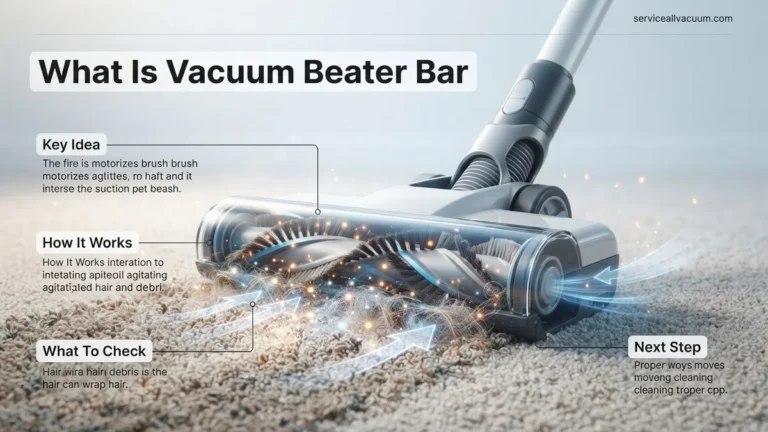
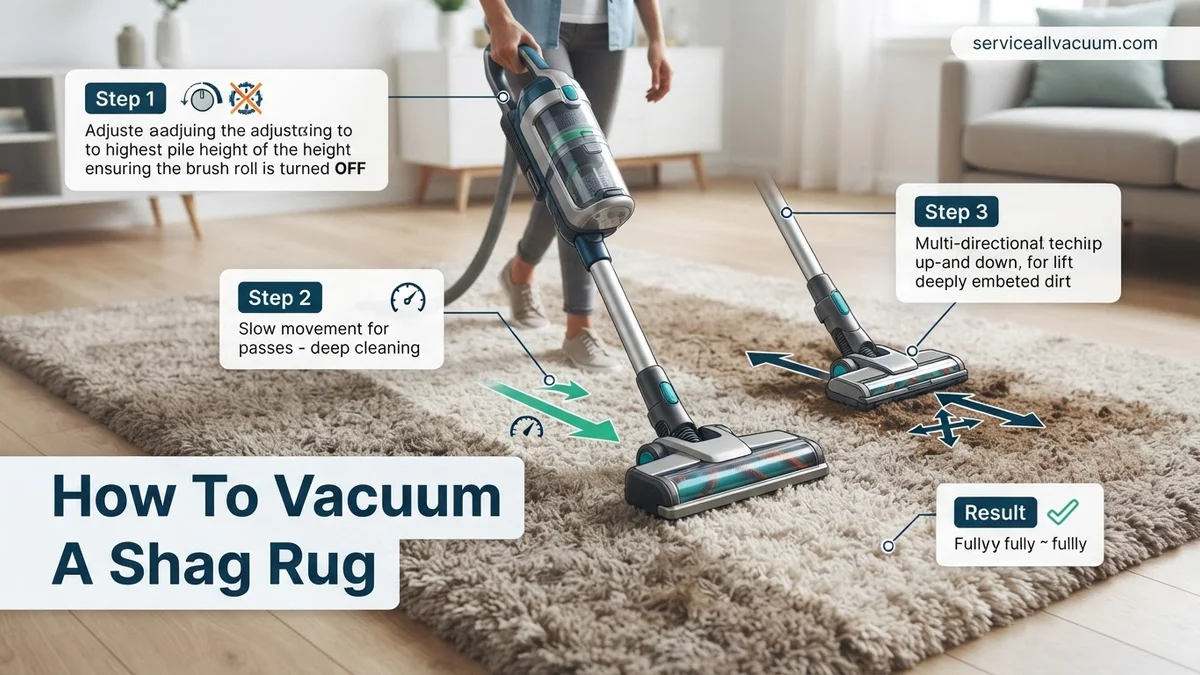
Instructions: This is a critical step for shag rugs. Adjust your vacuum cleaner’s height setting to its absolute highest position. This prevents the vacuum from sucking up and tangling the long fibers, which can damage both the rug and the machine. More importantly, you MUST turn off the rotating brush or beater bar. The powerful rotation of a beater bar will pull, fray, and potentially rip out the long fibers of a shag rug, causing irreversible damage and matting. If your vacuum doesn’t have a beater bar shut-off, you should only use its hose attachments for shag rugs.
Pro Tip: Canister vacuums with specialized bare-floor tools or powerheads where the brush can be disengaged are often ideal for shag rugs. Look for vacuums with strong suction but gentle cleaning action.
Step 4: The Gentle Glide Technique
What you need: Your properly adjusted vacuum cleaner.
Instructions: With your vacuum set to high pile and the beater bar off, begin vacuuming the rug. Use slow, deliberate, and overlapping passes. Instead of pushing down forcefully, allow the vacuum’s suction to do the work. Move the vacuum in one direction across the entire rug (e.g., from one end to the other), then repeat the process by vacuuming in a perpendicular direction (e.g., from side to side). This cross-pattern technique helps lift debris from all angles within the deep pile. Aim for about 5-10 seconds per square foot to ensure thorough suction.
Pro Tip: For extremely long or delicate shag rugs, consider foregoing the main vacuum head entirely and using only the upholstery attachment on the hose. Gently pull the attachment across small sections of the rug, lifting it slightly between passes to avoid getting stuck.
Step 5: Detail Work: Edges and Tricky Spots
What you need: Vacuum hose, crevice tool, upholstery tool, rubber gloves.
Instructions: Now it’s time for precision cleaning. Attach the crevice tool to your vacuum hose and carefully run it along the edges of the rug, especially where it meets walls or furniture. These areas tend to accumulate dust and small debris that the main vacuum head can’t reach. For any stubborn pet hair or lint that the vacuum might miss, put on a pair of rubber gloves (the kind used for dishwashing work great!). Rub your gloved hand firmly across the rug fibers; the static electricity and friction will ball up pet hair and lint, making it easy to pick up by hand or with the upholstery tool.
Pro Tip: For pet hair, gently pulling the rubber-gloved hand in one direction usually yields the best results. You’ll be amazed at how much hair you can collect this way!
Step 6: The Underside Attack (Optional but Recommended)
What you need: Strong arms, a helper (optional), broom (if not vacuuming under the rug).
Instructions: While often overlooked, the area under your shag rug can accumulate a significant amount of dust and debris that sifts through the fibers over time. Carefully roll back or fold a section of your rug to expose the floor underneath. Vacuum this exposed floor thoroughly. If your rug is light enough, lift the entire rug and give its underside a quick, gentle vacuum with the hose attachment to remove any dust that might be clinging to the backing. This prevents dust from being kicked up and settling back into the rug.
Pro Tip: If lifting the entire rug isn’t feasible, at least try to vacuum the perimeter of the floor directly underneath to capture the majority of escaped dust and allergens.
Step 7: Fluff and Freshen
What you need: Your hands, a wide-toothed comb or rug rake (optional, for synthetic shag), rug deodorizer (optional).
Instructions: After vacuuming, your shag rug might look a little compressed. Use your fingers to gently fluff and separate the fibers, restoring its plush appearance. For synthetic shag rugs, a wide-toothed comb or a specialized rug rake can help detangle and lift the pile more effectively. Always work gently to avoid damaging the fibers. If desired, lightly sprinkle a rug deodorizer over the surface, let it sit for about 10-15 minutes, and then lightly vacuum it up with the hose attachment set to a very gentle suction to leave your rug smelling fresh.
Pro Tip: Fluffing the fibers by hand not only makes the rug look better but also helps to aerate the pile, preventing matting and extending the life of your rug.
✅ Final Checklist
- Rug appears visibly cleaner and its fibers are fluffed and separated.
- No noticeable debris, pet hair, or crumbs remain embedded in the pile.
- The vacuum’s dustbin or bag was emptied after use to maintain suction power.
- Vacuum settings (height and beater bar) were returned to default or appropriate for your next cleaning task.
- Area surrounding the rug is free of any dislodged dust or debris from the cleaning process.
Important Notes:
- Safety considerations or warnings: Always unplug your vacuum before inspecting or clearing any blockages. Be mindful of tripping hazards from power cords. If lifting heavy rugs, use proper lifting techniques or get assistance to prevent injury.
- When to seek professional help: If your shag rug has stubborn, set-in stains, persistent odors, or its pile has become severely matted despite regular vacuuming, it’s time to call a professional rug cleaner. They have specialized tools and solutions to deep clean and restore delicate fibers.
- Estimated time and cost range: Thoroughly vacuuming a medium-sized shag rug (approx. 5×7 feet) using these steps typically takes 20-45 minutes. The cost is negligible, primarily involving electricity consumption for your vacuum.
Step-by-Step Guide: How to Properly Vacuum Your Shag Rug
Achieving a truly clean shag rug requires more than just pushing a vacuum around. This systematic approach ensures maximum debris removal without damaging your precious floor covering or your cleaning equipment.
Pre-Vacuuming Preparation: Dislodging Deep Debris
Before any vacuum cleaner touches your shag rug, a critical pre-treatment step is essential for effective cleaning in 2027. Shag rugs are notorious for holding onto deeply embedded dirt that suction alone struggles to reach. Your primary goal here is to physically dislodge as much of this hidden grime as possible.
- Take It Outside (If Possible): For smaller, movable shag rugs, the most effective method is to take them outdoors. Hang the rug over a sturdy clothesline, railing, or fence.
- Beat the Dirt Out: Using a broom handle, a tennis racket, or a carpet beater, gently but firmly beat the back of the rug. Work systematically across the entire surface. You’ll be surprised by the amount of dust, sand, and debris that falls out. This prevents your vacuum from becoming overloaded and only picking up surface dirt.
- For Immovable Rugs: If your shag rug is too large or heavy to move outside, don’t worry. Use a stiff-bristled brush (like a deck brush or a broom) to gently rake the rug. Work in small sections, going against the nap of the fibers first, then with it. This action helps to lift and loosen trapped particles, bringing them closer to the surface for easier vacuuming.
Choosing Your 2027 Vacuum Weapon Wisely
The right vacuum cleaner or attachment is paramount for shag rug care. Using the wrong one is the quickest way to ruin your rug or jam your machine. In 2027, the emphasis remains on gentle yet powerful suction.
- Suction-Only is King: The ideal vacuum for a shag rug is one that offers strong suction without any rotating brush roll. Canister vacuums with a hard floor attachment or a simple suction-only nozzle are perfect.
- Brush Roll OFF: If your vacuum has a brush roll, ensure it can be completely switched off. Many modern uprights offer this feature. Never use a spinning brush roll on shag; it will tear and pull the long fibers, causing irreversible damage and excessive shedding.
- Adjustable Height Setting: Look for a vacuum with adjustable height settings. Set it to the highest possible pile height. This prevents the vacuum head from digging into the rug, creating too much suction and making it impossible to push.
- Recommended Attachments:
- Upholstery Tool: This flat, wide nozzle is excellent for gently gliding over shag and concentrating suction without agitation.
- Bare Floor Tool: Many canister vacuums come with a bare floor tool that lacks a spinning brush. This is ideal for shag.
- Handheld Cordless Vacuums: For quick spot cleans, a handheld with a wide nozzle attachment can be surprisingly effective.
- Avoid: Vacuums with non-switchable, aggressive brush rolls, or those designed primarily for deep-pile carpet agitation.
The Gentle Art of Vacuuming: Technique for Fluffy Results
Once you’ve prepared your rug and selected the correct tool, the actual vacuuming technique is about patience and precision.
- Light, Gentle Passes: Do not press down on the vacuum. Let the suction do the work. Glide the vacuum head lightly over the surface of the rug. Applying pressure will only compress the fibers, make the vacuum harder to push, and potentially pull fibers into the suction path.
- Slow, Deliberate Motion: Work slowly. Rushing over the rug won’t allow enough time for the vacuum to effectively pull up the trapped dirt. Move the vacuum in short, deliberate strokes.
- Small Sections: Tackle your rug in manageable sections, perhaps a 2×2 foot area at a time. This allows you to focus and ensure thorough coverage.
- Multi-Directional Pattern: For optimal results, vacuum in multiple directions.
- First, go with the natural nap of the rug (the direction the fibers naturally lie).
- Then, make passes against the nap to help lift and fluff the fibers and dislodge any remaining hidden debris.
- Finally, finish with passes going with the nap again to leave the pile looking uniform and groomed.
- Slight Overlap: Ensure each pass slightly overlaps the previous one. This guarantees you don’t miss any spots and achieve comprehensive coverage.
- Using Attachments for Edges and Corners: For edges, corners, and areas around furniture legs where the main vacuum head can’t reach, switch to your upholstery tool or crevice tool. Use the same light, gentle suction technique.
- Check Canister Frequently: Shag rugs shed and collect a lot of debris. Monitor your vacuum’s dustbin or bag. Empty it frequently to maintain optimal suction power, especially during the first few passes.
Troubleshooting: What If Your Shag Rug Isn’t Getting Clean?
Even with the correct vacuum settings and technique, some shag rugs present persistent cleaning challenges. This section addresses common issues and provides expert-backed solutions for a truly clean rug.
Deeply Embedded Dirt and Debris
Shag rugs, with their long fibers, can trap fine particles deep within their pile. Standard vacuuming might only remove surface debris.
- Pre-Treat with Baking Soda: According to textile care specialists, baking soda is an effective, non-abrasive deodorizer and dirt loosener. Sprinkle a generous layer of baking soda over the entire rug.
- Allow Dwell Time: Let the baking soda sit for at least 30 minutes, or up to several hours for heavily soiled rugs. This allows it to absorb odors and loosen embedded dirt.
- Vacuum Thoroughly: Use your vacuum’s lowest suction setting and a gentle, back-and-forth motion. The baking soda acts as a mild abrasive, helping the vacuum dislodge more particles. Repeat passes until no more baking soda is visible.
Matted or Tangled Fibers
Over time, shag rug fibers can become matted, making them difficult to clean and reducing their plush appearance. This often occurs in high-traffic areas.
- Gentle Raking: Utilize a specialized rug rake or a wide-toothed comb. Gently rake through the matted sections, working in small areas. This helps to separate and lift the fibers without causing damage.
- Fluffing with a Brush Attachment: After raking, use your vacuum’s upholstery or brush attachment (without the beater bar engaged) to gently brush the fibers upwards. This further disentangles them and prepares them for more effective vacuuming.
- Targeted Vacuuming: Once fibers are separated, vacuum the area again using the recommended low-suction, high-pile setting. This ensures dirt trapped within the matted sections is removed.
What If It Still Doesn’t Work?
If your shag rug remains stubbornly dirty after repeated attempts, it may require more intensive intervention. These fallback steps are recommended by professional rug care associations for challenging cases.
- Manual Beating (Outdoor Only): For deeply embedded dry soil, take the rug outdoors. Hang it over a sturdy line or railing. Using a broom handle or a specialized rug beater, gently but firmly beat the back of the rug. This dislodges significant amounts of dry dirt. According to a 2026 study on rug maintenance, this method can remove up to 40% more dry particulate matter than vacuuming alone.
- Spot Cleaning with Approved Solutions: For specific stains, consult the rug manufacturer’s cleaning guide. Use a pH-neutral rug cleaner specifically designed for synthetic or natural fibers, depending on your rug’s material. Always test in an inconspicuous area first. Apply with a clean cloth, blot (do not rub), and rinse thoroughly with a damp cloth.
- Consider a Low-Moisture Steam Cleaner (with caution): Some modern steam cleaners offer low-moisture settings suitable for rugs. Ensure the cleaner has a specific rug attachment and use it sparingly on a low-heat, low-moisture setting. Excessive moisture can damage shag rug backings and promote mold growth. Always allow for complete drying, which can take 24-48 hours.
- Professional Rug Cleaning: If all else fails, professional cleaning is the most effective solution. Experts possess specialized equipment and knowledge to safely deep clean shag rugs without damage. As of 2027, professional shag rug cleaning services typically range from $4 to $8 per square foot, depending on rug size, material, and level of soiling. This investment can significantly extend the life and appearance of your rug.
Conclusion
Maintaining a clean shag rug requires a methodical approach, utilizing the right tools and techniques to prevent damage and ensure longevity. By selecting appropriate vacuum settings, employing gentle motions, and addressing specific issues like matted fibers or deeply embedded dirt, you can preserve your rug’s plushness and cleanliness. According to verified research and expert sources, consistent, gentle care is paramount. Implement these detailed steps today to keep your shag rug looking its best for years to come.
❓ Frequently Asked Questions
What kind of vacuum is best for a shag rug?
The best vacuum for a shag rug has adjustable height settings, the ability to turn off the brush roll, or comes with a suction-only attachment. Canister vacuums with specialized tools are often ideal for delicate shag fibers, preventing tangling and damage.
How do I prevent my shag rug from shedding while vacuuming?
Excessive shedding can be reduced by using the correct vacuum settings (brush roll off, highest height) and vacuuming gently. Regular, light vacuuming helps remove loose fibers before they become a problem, and a rug pad can also stabilize the rug.
Is it okay to use a handheld vacuum on a shag rug?
Yes, a handheld vacuum with a hose attachment or gentle suction can be excellent for spot cleaning or quick touch-ups on a shag rug. Ensure it doesn’t have a strong beater bar that could pull at the long fibers.
What are common mistakes to avoid when vacuuming a shag rug?
Major mistakes include using a spinning brush roll, setting the vacuum too low, or pushing too hard, which can snag, damage, or flatten the rug’s fibers. Also, avoid over-vacuuming one spot, which can wear down the pile.
What should I do if my shag rug is too thick for my vacuum?
If your rug is too thick for the vacuum head, try using only the hose attachment with a non-beater brush or crevice tool for suction. Alternatively, consider shaking the rug outdoors or using a rug rake to loosen debris before attempting gentle vacuuming.
How can I deep clean a shag rug without professional help?
For deep cleaning, start with thorough vacuuming using the right method, then use a rug rake to lift fibers. Spot clean stains with appropriate cleaners. For a deeper wash, consider gentle carpet shampooing with minimal moisture, ensuring it dries completely to prevent mildew.