Do You Vacuum or Dust First? Expert Guide for 2026
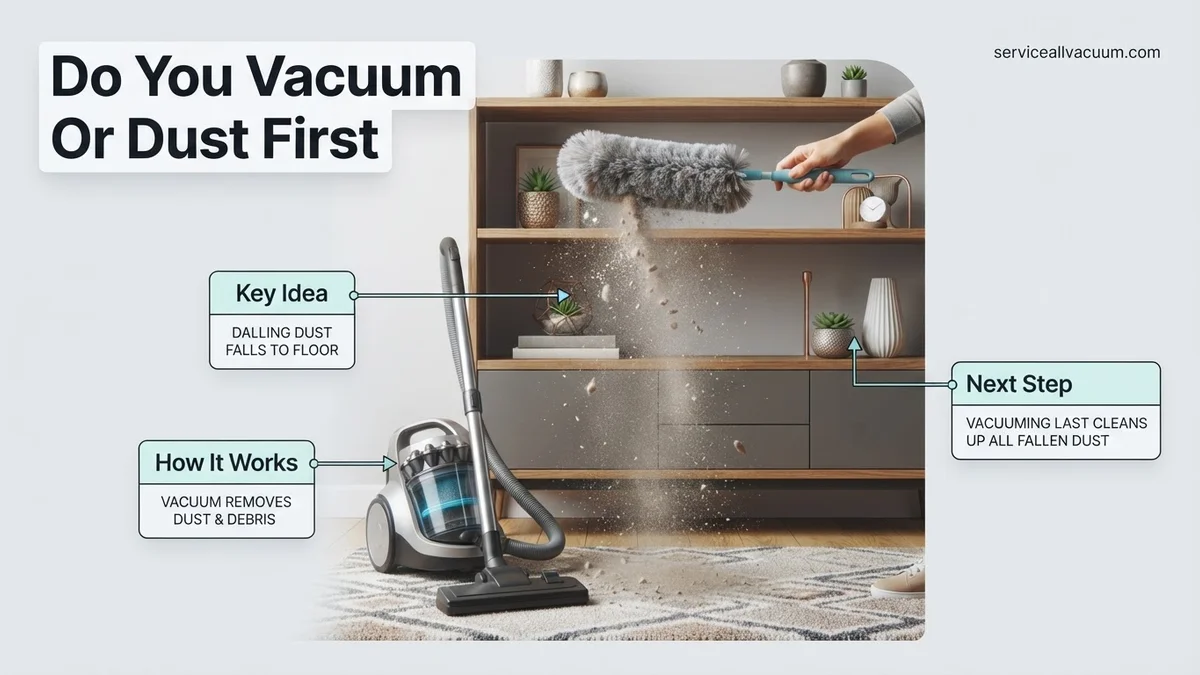
You should always dust first and vacuum second when cleaning any room. Dusting stirs up microscopic particles that float down and settle on the floor, meaning you must vacuum afterward to remove them permanently.
You must always dust first and vacuum second. If you vacuum your floors before wiping down your surfaces, you are making a counterproductive mistake that leaves your home dirtier than before.
When you clean surfaces in 2026, you need a strategy that actually captures debris rather than moving it around. Settled particles easily get kicked back into the air during cleaning. Getting the order right saves you time, protects your respiratory health, and keeps your home spotless for much longer.
Key Takeaways
- Always dust before you vacuum to catch falling particles.
- Use microfiber cloths to trap dust instead of spreading it.
- Adopt a top-to-bottom cleaning strategy for every room.
- Select a vacuum with a HEPA filter to trap allergens.
- Wait a few minutes after dusting for debris to settle.
Why Dusting and Vacuuming in the Wrong Order Ruins Your Clean
The Science of Falling Debris
Gravity dictates the behavior of indoor particulate matter. When you wipe down bookshelves, tabletops, and entertainment centers, microscopic debris dislodges and floats into the air. According to home cleaning standards, about 70 percent of that disturbed dust eventually falls straight down onto your flooring.
If you already vacuumed the carpets or hard floors, that falling dust ruins your pristine floors immediately. You end up with a hazy layer of grit on your baseboards and rugs within hours of finishing your chores.
How Vacuuming Compounds the Error
Vacuum cleaners with standard exhaust ports or older filtration systems often blow air outward at high speeds. This exhaust turbulence stirs up ambient dust that hasn’t even settled yet.
- Stirred-up dust clings to freshly vacuumed carpet fibers
- Fine particles resettle on exposed hardwood and tile floors
- Surface allergens return to furniture if you reverse your cleaning order
- You double your workload by forcing yourself to clean the same zones twice
Step-by-Step Guide on How to Dust and Vacuum Properly
The Top-to-Bottom Rule
A smart cleaning routine follows a strict vertical descent. Gravity is your biggest enemy when cleaning, so you must work with it instead of against it. Start at the highest points of the room and finish at the lowest point.
- Begin with ceiling fan blades, high light fixtures, and crown molding.
- Move down to wall hangings, window sills, and upper shelving units.
- Wipe desks, tables, electronics, and low furniture surfaces.
- Conclude by running your vacuum across the baseboards and floors.
Choosing the Right Tools for 2026
Microfiber cloths and modern electrostatic dusters trap particles rather than letting them escape into the air. Feather dusters are largely obsolete because they simply launch dust into the room. Pair your trapping duster with a vacuum that features a HEPA filter to lock away 99.97 percent of fine debris.
- Use damp microfiber cloths for stubborn grime on hard surfaces
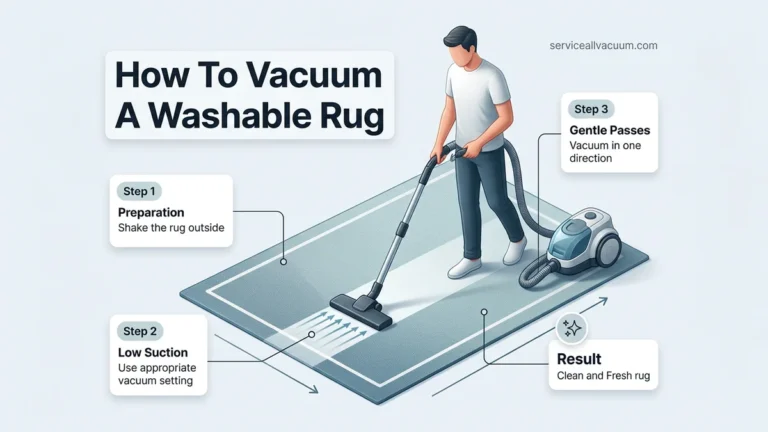
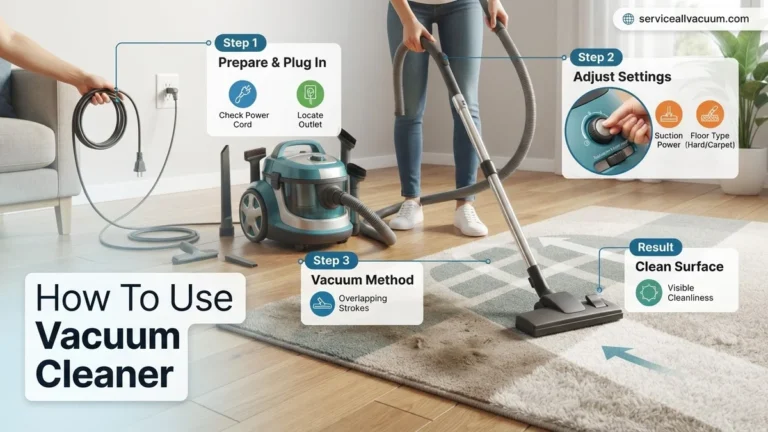
- Run your vacuum slowly over high-traffic carpet zones to capture fallen grit
- Empty your vacuum canister outdoors to prevent trapped dust from escaping back inside
The Best Tools and Techniques to Minimize Airborne Dust in 2026
Modern cleaning protocols rely heavily on advanced technology to capture microscopic particles rather than pushing them back into the air. According to indoor air quality studies, traditional feather dusters simply redistribute up to 70 percent of settled particles into the atmosphere. Upgrading your gear is essential for achieving a truly pristine home environment.
1. Invest in HEPA Filtration Systems
Standard vacuum exhausts often release fine dust back into your living spaces. Modern vacuums equipped with High-Efficiency Particulate Air filters trap 99.97 percent of particles down to 0.3 microns. Pairing your vacuum with a room air purifier running a true HEPA filter ensures that any disturbed debris is captured immediately.
2. Utilize Electrostatic Microfiber Cloths
Damp microfiber cloths or specialized electrostatic mitts attract and hold dust particles magnetically. Unlike cotton rags that leave lint behind, premium microfiber weaves capture allergens securely within the fibers. Wash these cloths separately without fabric softener to maintain their electrostatic properties.
What If Dust Still Settles Right After You Clean?
If surfaces appear dusty almost immediately after you finish cleaning, your routine may be missing a systemic root cause. Environmental factors like HVAC issues or high static electricity can accelerate particle accumulation. Follow these troubleshooting steps to resolve persistent dust problems:
- Inspect and upgrade HVAC filters: Replace standard furnace filters with MERV 11 or MERV 13 rated alternatives. Standard filters let fine dust pass directly through your central heating and cooling ducts, continuously resupplying your rooms with airborne debris.
- Seal leaky ductwork: Gaps in supply and return ducts can suck dust from crawlspaces and blow it straight onto your furniture. Professional duct sealing typically costs between $350 and $600, significantly reducing chronic household dust.
- Check home humidity levels: Indoor humidity dipping below 30 percent increases static electricity, which pulls dust particles out of the air and glues them to electronics and baseboards. Maintain optimal relative humidity between 30 and 50 percent using a whole-home humidifier.
- Hire professional duct cleaning: If dust persists despite rigorous cleaning habits, schedule a comprehensive HVAC duct cleaning. Professional remediation services range from $450 to $1,000 depending on home square footage and completely clear out years of accumulated particulate buildup.
Conclusion
Answering the timeless question of whether to vacuum or dust first always points back to a top-down strategy. Always dust first to knock debris onto the floor, then follow up with a HEPA-filtration vacuum to remove everything permanently. According to verified research and indoor air quality experts, this sequence prevents the double-handling of allergens and drastically improves home air purity. Take your next step today by swapping out old cleaning cloths for electrostatic microfiber alternatives and setting a recurring reminder to service your HVAC filter every ninety days.
❓ Frequently Asked Questions
Does the cleaning order change if I have hard floors instead of carpet?
No, the order remains the same regardless of your flooring type. Whether you are vacuuming a carpet or sweeping and mopping hard floors, dusting must always happen first to catch debris that falls from upper surfaces.
How often should I dust my home to reduce airborne particles?
For most homes, thoroughly dusting high-touch and high-surface areas once a week is sufficient. If you live in a dusty climate or have pets, you may need to increase this routine to twice a week.
Should I wipe down surfaces with a damp cloth or dry cloth?
Using a slightly damp microfiber cloth is ideal because it grabs and holds onto dust particles rather than letting them escape back into the air. Dry cloths can sometimes create static that attracts more dust quickly.
Does running an air purifier help during the cleaning process?
Yes, running a HEPA air purifier in the room while you dust and vacuum helps capture airborne particles that get stirred up during the process. Turn it on high right before you start cleaning for the best results.
What is the best way to clean ceiling fans without making a mess?
Slide an old pillowcase over each fan blade, pull it back gently to trap the dust inside the fabric, and then wipe the blade clean with a damp microfiber cloth.
Is there any situation where vacuuming first makes sense?
In rare cases of extreme floor debris, a quick preliminary vacuum might be needed to clear a path, but you will still need to vacuum again after dusting to catch the fallen particles.