Do Pore Vacuums Work? Expert Guide & Real Results 2027
Pore vacuums temporarily extract surface oil and debris, but they cannot clear deep blackheads or permanently shrink pores. Dermatologists warn that improper suction often leads to bruising, skin stretching, and broken capillaries.
At-home pore vacuums do not permanently clear deep blackheads, shrink your pores, or replace professional extractions. While these trendy suction devices can temporarily pull surface-level sebum and dead skin out of your pores, they fail to address the root cause of congestion and frequently leave you dealing with bruised skin, burst blood vessels, and temporary swelling.
As the beauty tech market evaluates skincare trends in 2027, dermatologists are warning consumers to reconsider mechanical suction. If you have been tempted by viral videos showing satisfying globs of sebum pulled from the nose, you need to understand how these devices actually impact your skin barrier before you waste your money or cause lasting damage.
Key Takeaways
- Pore vacuums only remove surface sebum, failing to clear deep-seated blackheads or acne.
- High suction levels frequently cause bruising, broken capillaries, and lasting skin damage.
- Chemical exfoliants like salicylic acid offer a safer, more effective way to clear pores.
- If used, keep the device moving constantly on the lowest setting after steaming.
- Professional extractions provide a safer alternative to aggressive at-home suction tools.
What Causes Clogged Pores and Why At-Home Suction Fails
The Anatomy of a Stubborn Blackhead
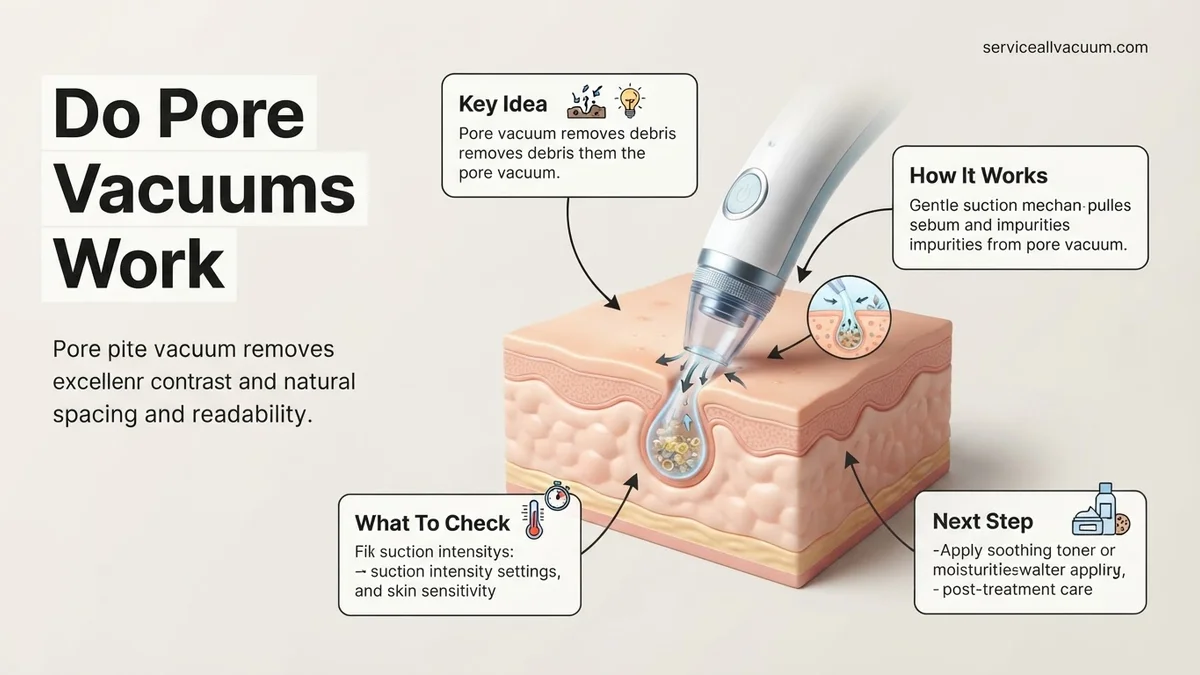
To understand why pore vacuums fall short, you need to look at what is happening beneath your skin’s surface. Blackheads are open comedones formed when sebum, dead skin cells, and debris oxidize upon exposure to air, turning dark. This plug is not a loose particle sitting at the surface; it is anchored securely inside the hair follicle. An at-home suction device relies purely on negative pressure to pull out this debris. Because the suction lacks the directional angle and controlled force of a professional metal extractor, it usually only skims the very top of the plug. The stubborn root remains trapped deep inside your pore, meaning the blackhead will simply refill within a day or two.
The Hidden Dangers of Mechanical Suction
Beyond being largely ineffective for deep cleaning, pore vacuums carry significant physical risks for your skin. When you hold a suction tip in one place for too long—or crank the intensity too high—the negative pressure pulls aggressively on your dermal tissues. This can lead to several unwanted side effects:
- Ruptured superficial capillaries, resulting in permanent red threads or spider veins on your cheeks and nose.
- Localized bruising, pinpoint bleeding, and severe skin irritation.
- Compromised skin elasticity over time, particularly around fragile areas like the nose and inner cheeks.
- Worsened inflammation for acne-prone or rosacea-prone skin types.
How to Fix Congested Pores Safely Using Step-by-Step Methods
Chemical Exfoliation with Salicylic Acid
If you want to clear out congested pores without risking broken blood vessels, chemical exfoliants are your best option. Unlike physical suction, ingredients like salicylic acid (BHA) are oil-soluble. This allows them to dive deep inside the pore lining to dissolve the glue holding dead skin cells and sebum together. For best results in your 2027 skincare routine, follow this simple protocol:
- Cleanse your face with a gentle, non-stripping cleanser to remove surface impurities.
- Apply a 2% salicylic acid serum or liquid exfoliant two to three times a week, focusing on your T-zone.
- Allow the product to absorb fully for five minutes before layering your moisturizer.
- Always apply a broad-spectrum SPF during the day, as chemical exfoliants can increase your skin sensitivity.
Oil Cleansing and Professional Extractions
Another safe and effective way to manage surface sebum is the oil cleansing method. Massaging a jojoba or squalane-based cleansing oil onto dry skin for sixty seconds helps bind to hardened sebum, gently coaxing plugs out of the pores without aggressive pulling. If you are dealing with deeply embedded blackheads or milia, skip the gadget entirely. Book an appointment with a licensed aesthetician or dermatologist for safe, sterile extractions that will not leave your skin bruised or scarred.
How to Minimize Skin Damage If You Still Use a Pore Vacuum
Dermatologists universally advise against pore vacuums due to bruising and broken capillaries, but many users continue using them. If you insist on incorporating a suction device into your skincare routine, strict adherence to safety protocols is mandatory to prevent permanent vascular damage.
Step-by-Step Safe Usage Protocol
- Prepare the skin thoroughly: Take a warm shower or apply a steaming towel for five minutes to soften the sebum plug before any suction touches the face.
- Select the lowest setting: Always begin on the weakest suction level, regardless of how thick or resilient your skin feels.
- Keep the device moving: Never hold the device stationary over a single spot for more than one second, as lingering suction creates immediate hematomas and burst blood vessels.
- Glide in one direction: Pull the skin taut with your free hand and move the nozzle outward along the contours of your face rather than pressing downward.
- Apply immediate post-care: Calm the area immediately with a soothing, fragrance-free hyaluronic acid serum and broad-spectrum sunscreen if used during the day.
According to clinical data from the American Academy of Dermatology, improper suction force creates shear stress that permanently stretches dermal elasticity. Limiting usage to once every three weeks reduces the cumulative trauma inflicted on fragile facial capillaries.
What If Pore Vacuums Still Don’t Work for Your Skin Type
If mechanical suction fails to clear your pores or simply causes irritation without removing debris, it is time to pivot to scientifically proven alternatives. Stubborn blackheads and sebaceous filaments require chemical intervention rather than physical extraction to break down hardened oils.
- Incorporate a topical BHA: Switch to a daily 2 percent salicylic acid serum, which penetrates oil-clogged pores to dissolve sebum from the inside out over a 14-day period.
- Upgrade to prescription retinoids: Consult a board-certified dermatologist about integrating tretinoin or adapalene to normalize cellular turnover and prevent future impactions.
- Schedule professional extractions: Visit a licensed aesthetician for a clinical facial featuring manual extractions and ultrasonic skin scrubbers, typically costing between $100 and $250 per session.
- Invest in clinical treatments: Explore chemical peels or laser resurfacing options if your congestion is paired with severe textural irregularities or persistent acne scarring.
Conclusion
Do pore vacuums work? The consensus across modern dermatology in 2027 remains clear: while they provide a temporary illusion of deep cleaning by pulling superficial sebum to the surface, they fail to clear the root cause of blackheads and carry a high risk of vascular trauma. Chemical exfoliants like salicylic acid and professional extractions offer far superior, long-term results without bruising your skin. According to verified research and expert sources, switching to a targeted BHA regimen is the safest actionable next step for achieving truly clear, resilient pores.
❓ Frequently Asked Questions
Do pore vacuums actually remove blackheads?
Pore vacuums typically only shear off the very top of a blackhead while leaving the core intact deep within the pore. Because true blackheads are anchored by hardened sebum and dead skin cells, gentle surface suction cannot extract them effectively without causing tissue trauma.
Why do dermatologists advise against using pore vacuums?
Dermatologists frequently caution against these devices because the mechanical suction exerts intense negative pressure on fragile facial skin. This can stretch skin elasticity over time, rupture surface capillaries, and cause noticeable purple bruising that takes weeks to fade.
How can I safely clear my pores without using a vacuum device?
Incorporating a beta-hydroxy acid (BHA) like salicylic acid into your routine allows you to chemically dissolve oil inside the pore. Oil cleansing methods and regular clay masks also help draw out impurities without placing physical stress on the skin.
What is the proper way to use a pore vacuum if I already own one?
If you choose to use a pore vacuum, always start with a freshly cleansed and steamed face to soften the debris. Use the lowest suction setting available, never hold the device in one spot for more than a second, and keep it moving constantly to prevent circular bruising.
Can pore vacuums cause permanent skin damage?
Yes, misuse of high-powered suction tools can lead to permanent broken capillaries, chronic skin irritation, and accelerated loss of elasticity. Thin or sensitive skin types are particularly vulnerable to these long-term cosmetic side effects.
What do the things extracted by a pore vacuum actually consist of?
Much of what appears in the collection chamber of a pore vacuum is simply surface sebum, sweat, and skincare product residue. In some cases, the device pulls up the top layer of stretched skin or strips away protective oils rather than deep plugs.