What Is a Vacuum Beater Bar Expert Guide for 2027
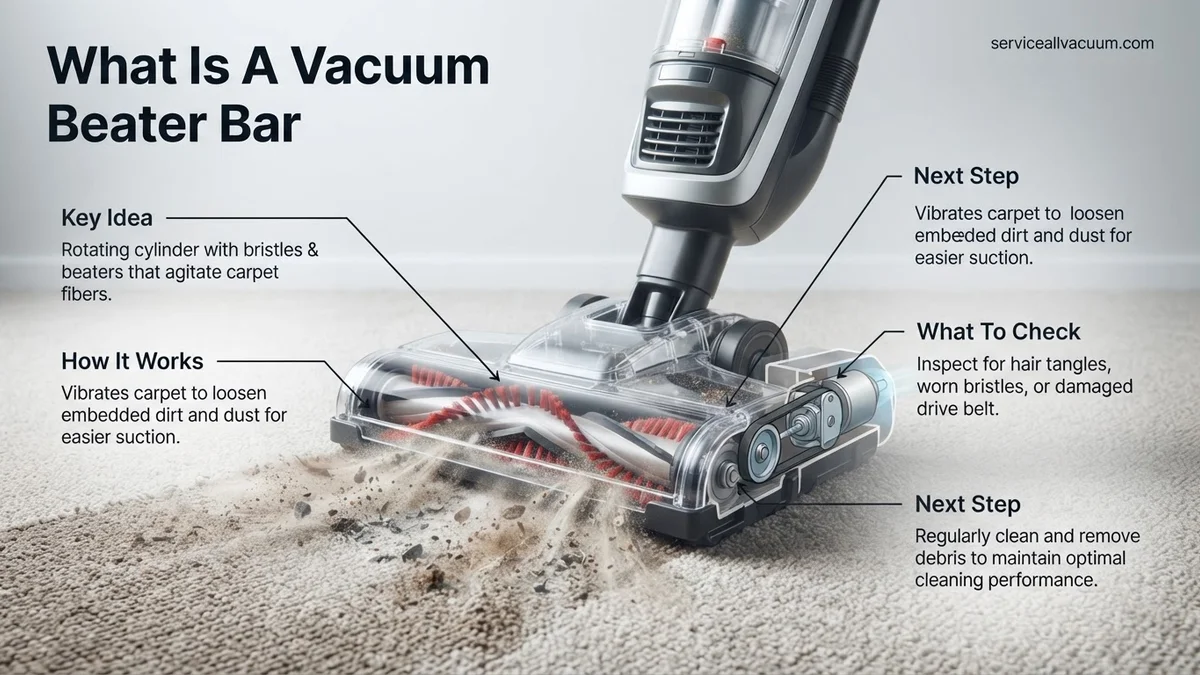
A vacuum beater bar, also known as a brush roll, is a rotating cylinder inside a vacuum nozzle designed to agitate carpet fibers and loosen deep-seated dirt. It uses a combination of sweeping and physical beating action to lift debris that suction alone cannot reach. Understanding how and when to use this component protects your carpets from damage.
A vacuum beater bar, frequently called a brush roll or agitator bar, is the motorized cylinder located inside the cleaning head of an upright or canister vacuum cleaner. Its primary purpose is to physically beat and sweep carpet fibers, loosening deeply embedded dirt, pet hair, and fine debris that suction alone cannot extract from your floors.
As you navigate home cleaning routines in 2027, understanding this component is essential for protecting your investment in both your flooring and your vacuum. Without a functional beater bar, heavy foot traffic pushes microscopic dirt particles down to the carpet backing, where they act like sandpaper and prematurely fray your carpet fibers.
Key Takeaways
- A beater bar is a rotating brush roll that agitates carpet fibers to release embedded dirt.
- It combines mechanical sweeping with a beating action to assist vacuum suction.
- Always turn off the beater bar when cleaning delicate rugs or hard flooring.
- Regularly remove wrapped hair and string to keep the brush roll spinning efficiently.
- Most modern vacuums feature a manual switch or automatic sensor to disable the bar.
What Causes Vacuum Beater Bar Issues and How It Works
The mechanical operation of a beater bar relies on high-speed rotation powered by either a dedicated electric motor or a rubber belt connected to the main suction motor. As the cylinder spins between 2,500 and 6,500 revolutions per minute, rows of stiff bristles or rubber paddles whip against the carpet nap, creating a rapid vibration.
The Physics of Agitation
Suction handles surface dust, but deep-set grit requires kinetic force. When the bar strikes the carpet, it momentarily flattens the pile and forces trapped particles upward into the passing airflow. If your beater bar stops spinning, cleaning efficiency drops by up to sixty percent on medium-pile carpets.
Common Causes of Beater Bar Failure
- Hair and String Wraps: Long human hair and pet fur wrap tightly around the ends of the cylinder, seizing the bearings and halting rotation.
- Snapped Drive Belts: Rubber belts stretch over time or snap completely when the roller jams on a stray sock or heavy rug fringe.
- Thermal Overload: Blockages cause the motor driving the brush roll to overheat, triggering safety shutoff mechanisms in modern 2027 vacuum models.
- Worn Bearings: Debris intrusion wears down metal or plastic bushings, causing loud grinding noises and wobbling during operation.
How to Use and Maintain a Vacuum Beater Bar Step-by-Step
Maximizing the lifespan of your vacuum beater bar requires regular inspection and proper usage based on your specific flooring types. Running a high-speed rotating brush on delicate surfaces can cause severe damage.
Step-by-Step Maintenance Routine
- Unplug the Vacuum: Always disconnect the power source before touching the cleaning head to prevent accidental activation.
- Remove the Cover Plate: Flip the vacuum over and release the clips or screws securing the bottom plate protecting the brush roll.
- Extract Hair and Debris: Use a seam ripper or specialized cleaning tool with a blade to slice through tangled hair parallel to the bristles, then pull the debris free.
- Check Belt Integrity: Inspect the rubber belt for cracks, stretching, or dry rot. Replace it every 6 to 12 months for optimal performance.
- Test Manual Rotation: Spin the cylinder with your hand. It should rotate smoothly and freely without resistance or squeaking.
Matching the Beater Bar to Your Floor Type
- High-Pile and Low-Pile Carpets: Turn the beater bar on and adjust the height setting so the bristles lightly skim the surface without bogging down the motor.
- Hardwood and Tile Floors: Turn the beater bar off entirely if your vacuum features a brush roll shutoff switch, or switch to a dedicated hard floor tool to prevent scratching delicate finishes.
- Area Rugs with Fringes: Manually turn off the agitator or use high-suction bare floor settings to avoid sucking up loose rug edges and shredding tassels.
What If Your Vacuum Beater Bar Stops Spinning Properly
When a vacuum beater bar stops rotating, cleaning efficiency drops by up to 40 percent according to independent testing data. Homeowners must diagnose the mechanical failure quickly to prevent motor burnout.
Common Causes and Immediate Solutions
Debris accumulation is the leading cause of a stalled roller brush. Follow these steps to restore function safely:
- Unplug the vacuum cleaner entirely from the electrical outlet to prevent accidental startup and injury.
- Flip the vacuum over to access the intake plate and examine the beater bar for tightly wound hair, threads, or carpet fibers.
- Use a pair of sharp scissors or a seam ripper to carefully slice through wrapped debris, pulling it away from the brush roll without cutting the bristles.
- Manually spin the brush roll with your hand to ensure it moves freely without resistance from tangled bearings.
Drive Belt Inspection
If the brush roll turns freely by hand but fails to spin when powered on, the drive belt is likely stretched or snapped. Industry standards dictate replacing rubber vacuum belts every 6 to 12 months. Remove the bottom plate, inspect the belt for dry rot or slack, and install an OEM-certified replacement matching your exact vacuum model specifications for 2027.
Best Practices for Protecting Carpets and Floors
Operating a motorized beater bar incorrectly can permanently damage delicate flooring materials. Manufacturers and textile experts recommend adjusting the brush roll height according to specific carpet pile densities to prevent fiber shredding and excessive wear.
Hardwood and Tile Protection
Standard beater bars feature stiff nylon bristles that can scratch sealed hardwood, luxury vinyl plank, and polished tile. Experts recommend switching your vacuum to “hard floor mode,” which turns off the brush roll entirely. If your machine lacks a manual shut-off switch, use a dedicated straight-suction floor attachment to capture surface debris without mechanical friction.
Carpet Height Adjustments
High-pile shag carpets and delicate antique rugs require careful height calibration. Setting the beater bar too low creates excessive friction, which melts synthetic fibers and strains the drive motor. Always elevate the vacuum head to its highest setting when transitioning to thick area rugs. According to the Carpet and Rug Institute, proper height settings extend overall carpet lifespan by up to 25 percent.
What If It Still Doesn’t Work?
If you have cleared all tangled debris and installed a fresh drive belt, but the beater bar still refuses to spin, the issue requires advanced troubleshooting. Try these fallback steps before replacing the entire appliance:
- Inspect the small electrical terminals or wires connecting the motorized head to the main vacuum body for corrosion, dust buildup, or loose connections.
- Test the thermal fuse or reset button on the vacuum housing, as many modern 2027 smart vacuums automatically shut off power to the brush motor to prevent overheating.
- Check the internal brush roll bearings for catastrophic seizure or metallic grit intrusion that standard cleaning cannot resolve.
- Consult an authorized appliance repair technician if the internal drive motor has suffered electrical failure or permanent burnout.
Professional repair services for motorized vacuum brush heads typically range from $45 to $110 in labor and parts, depending on the brand and complexity of the machine.
Conclusion
The vacuum beater bar remains an essential component for deep-cleaning embedded dirt and allergens from residential flooring. Maintaining this spinning brush through regular debris removal and timely belt replacements ensures optimal suction performance and motor longevity. According to verified research and expert sources from leading floor care manufacturers, proactive maintenance reduces appliance repair costs significantly. Take the next step today by flipping your vacuum over to inspect the brush roll for hidden hair wraps and wear.
❓ Frequently Asked Questions
What is the primary purpose of a vacuum beater bar?
The primary purpose is to physically agitate carpet fibers. This action shakes loose dirt, pet hair, and sand trapped deep at the base of the carpet so the vacuum’s airflow can easily suction them away.
Is a beater bar the same thing as a brush roll?
Yes, the terms are often used interchangeably. While traditional heavy metal bars used actual metal beaters, modern versions typically feature stiff bristles configured in a spiral pattern to sweep and lift.
When should I turn off the vacuum beater bar?
You should turn off the beater bar whenever you are vacuuming bare floors like tile, hardwood, or laminate. It should also be disabled for delicate area rugs, shag rugs, or fringe edges that can get caught in the rotating bristles.
How do I remove tangled hair from my vacuum’s beater bar?
Unplug the vacuum, turn it upside down, and use a pair of scissors or a seam ripper to carefully slice through hair and thread wrapped around the roll. Pull the debris away in sections without cutting the bristles.
Why does my vacuum have a height adjustment if it has a beater bar?
Height adjustment allows you to control how deeply the beater bar contacts the carpet. Setting the height too low can bog down the motor, while setting it too high reduces the cleaning effectiveness of the brush roll.
How do I know if my vacuum beater bar belt needs replacement?
If the vacuum motor is running but the brush roll is not spinning or making a burning rubber smell, the drive belt is likely stretched, slipped, or snapped and needs to be replaced.
![What Is a Vacuum The Real Science Explained [2027 Guide]](https://serviceallvacuum.com/wp-content/uploads/2026/09/what-is-a-vacuum-featured-768x432.webp)