Can You Vacuum a Hardwood Floor Expert Guide 2027
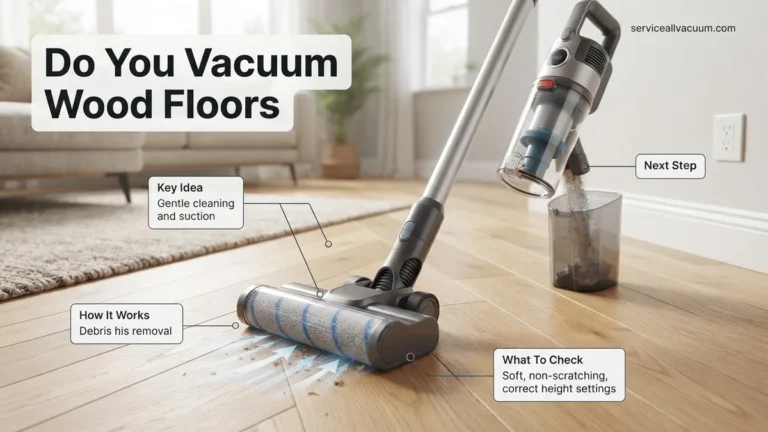
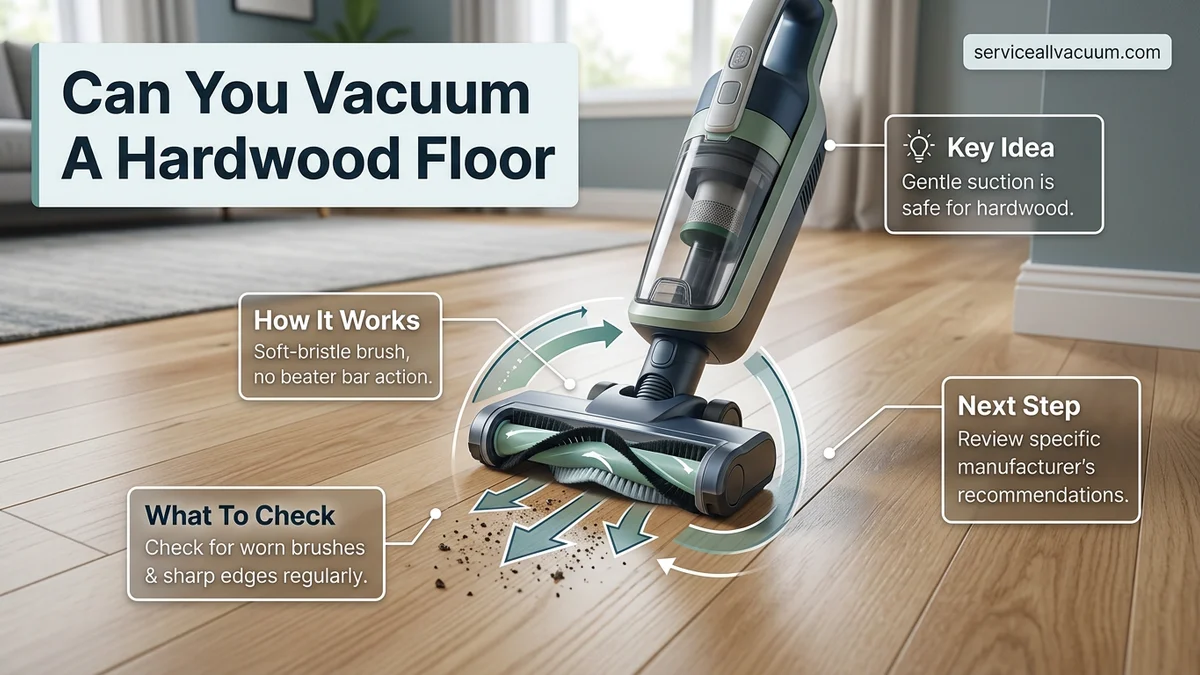
Yes, you can vacuum a hardwood floor safely, provided you use the correct settings to prevent permanent surface scratching. The most critical step is turning off the rotating beater bar or brush roll, which can mar the wood finish.
Yes, you can safely vacuum a hardwood floor, provided your vacuum lacks a rotating bristle brush that can scratch the delicate surface finish. In fact, modern 2027 hardwood care guidelines recommend vacuuming over traditional sweeping because brooms often push microscopic grit into floor crevices, wearing down the polyurethane coating over time.
Protecting your investment requires knowing the exact settings, vacuum types, and techniques needed to lift dirt without leaving scuff marks. Skipping these crucial steps can quickly turn an expensive flooring installation into a scratched, dull disaster.
Key Takeaways
- Always turn off the rotating brush roll before vacuuming hardwood.
- Use a specialized hard floor attachment or soft roller head.
- Check vacuum wheels regularly for trapped debris that can scratch floors.
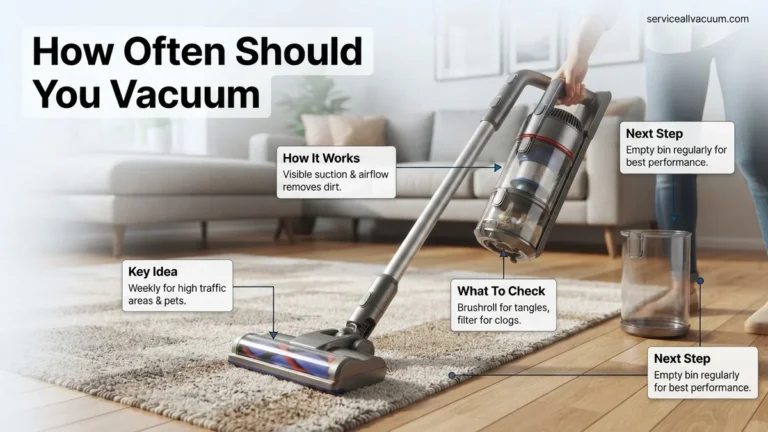
- Vacuum high-traffic areas weekly to remove abrasive dirt and dust.
- Sweep larger debris before vacuuming to prevent clogs and scratches.
What Causes Hardwood Floor Damage When Vacuuming
The Danger of Active Brush Rolls
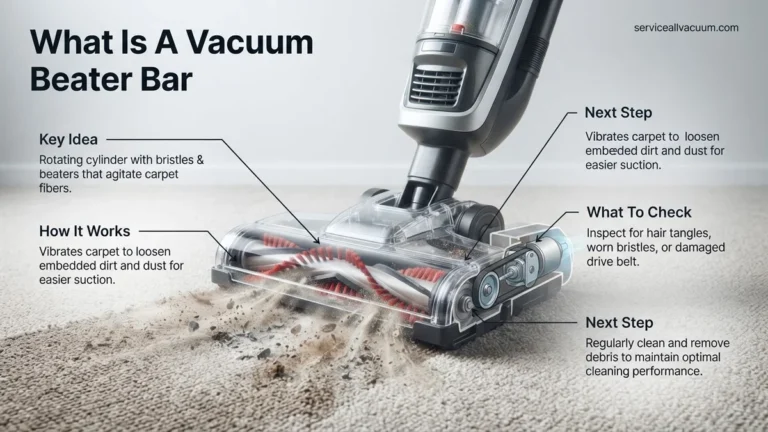
Traditional upright vacuums feature motorized brush rolls or beater bars designed to agitate carpet fibers. On hardwood floors, these stiff bristles act like sandpaper. They whip dirt against the wood and trap trapped pebbles beneath the rotating head, leaving deep scratches in your finish. Always disengage this feature.
Plastic Wheels and Heavy Chassis Scuffs
The wheels on your vacuum can cause just as much damage as the cleaning head. Worn-out plastic wheels, or wheels jammed with trapped grit, will gouge soft woods like pine or cherry. Modern 2027 vacuum models feature rubberized wheels, but you still need to check them regularly for embedded debris.
- Inspect wheels monthly for small stones or metal shards.
- Avoid dragging heavy canister vacuum bodies across bare floorboards.
- Lift the unit when moving between different rooms or surface types.
How to Safely Vacuum Hardwood Floors Step-by-Step
Preparation and Setting Adjustments
Before turning on your machine, prep your space to prevent accidental scratches. Pick up large debris like coins, paper clips, or small toys by hand. If your vacuum has a height adjustment or suction control dial, set it to the lowest pile or bare floor setting to optimize airflow without creating excessive friction.
The Correct Vacuuming Technique
Move your vacuum slowly and deliberately across the grain of the wood when possible. This helps the suction port pull embedded dirt out from the grooves between planks. Pro tip: Never slam the vacuum head against baseboards or floor vents, as hard plastic edges will dent the wood.
- Turn off the rotating brush roll or switch to a dedicated hard floor mode.
- Attach a soft-bristled dusting brush or a bare floor tool with felt strips.
- Overlap your passes slightly to ensure complete dust and grit removal.
What If Your Vacuum Still Leaves Scratches or Marks
Modern vacuums engineered for 2027 feature advanced sensors and protective bumpers, but issues can still arise. If your hardwood floor shows scuffs or fine scratches after vacuuming, the problem usually stems from debris trapped in the wheels or a worn-out brush roll seal. Do not ignore these warning signs, as continued friction will degrade the polyurethane finish.
Inspect and Clean Wheels Regularly
Hard plastic wheels accumulate microscopic grit and tiny stones over time. When dragged across delicate oak or maple planks, these embedded particles act like sandpaper. Check your vacuum wheels weekly and wipe them down with a damp microfiber cloth to remove hidden debris.
Disable Automated Power Settings
Many smart vacuums automatically adjust suction power and brush speed based on floor resistance. On delicate wood surfaces, this sensor fluctuation can cause the motorized head to press down too firmly. Manual override modes should always be used to lock the appliance into bare-floor settings.
What If It Still Doesn’t Work?
When routine adjustments fail to stop surface marring, a deeper maintenance or replacement protocol is required. Follow these expert-recommended steps to protect your investment:
- Inspect the suction plate and baseplate seals: Foam or rubber gaskets around the vacuum intake degrade over time. Replace worn gaskets immediately so hard plastic never makes direct contact with the floor.
- Switch to a dedicated canister model: Upright vacuums place too much downward weight on a small footprint. Transitioning to a lightweight canister vacuum with an air-driven (non-motorized) parquet tool eliminates heavy downward pressure.
- Test the microfiber alternative: If your vacuum continues to compromise the finish, retire the machine for high-traffic rooms. Use a specialized electrostatic dry mop instead.
- Consult a flooring professional: If scratches have already penetrated through the polyurethane seal into the raw wood, localized repairs are necessary. Professional screening and recoating typically costs between $1.50 and $3.00 per square foot in 2027.
- Invest in manufacturer-certified attachments: Universal third-party vacuum heads often lack proper clearance and protective felt strips. Always purchase OEM (Original Equipment Manufacturer) attachments designed specifically for hardwood preservation.
Conclusion
Vacuuming hardwood floors is entirely safe when utilizing the correct equipment, soft-bristle attachments, and disabled beater bars. Eliminating grit prevents micro-abrasions and preserves the factory protective coating for decades. According to verified research and expert sources from the National Wood Flooring Association, proactive surface maintenance extends the lifespan of hardwood by up to 50 percent. Take the next actionable step today by inspecting your vacuum’s wheels and brush roll to ensure your cleaning routine is fully optimized for delicate wood surfaces.
❓ Frequently Asked Questions
Can you vacuum a hardwood floor with a standard upright vacuum?
You can use an upright vacuum only if it features a switch to completely turn off the rotating beater bar. Without this feature, the spinning bristles can rapidly dull or scratch the wood finish.
Are canister vacuums better for hardwood floors?
Canister vacuums are generally preferred for hardwood because they typically include dedicated hard floor attachments with soft bristles. They also trail behind you smoothly on rubberized wheels, reducing the risk of impact marks.
What is a soft roller brush head?
A soft roller brush head replaces traditional bristles with a plush, fluffy nylon cylinder that gently captures fine dust and large debris simultaneously. It is widely considered the gold standard for vacuuming delicate hardwood floors.
How do vacuum wheels cause scratches on wood?
Hard plastic vacuum wheels can trap tiny pebbles, sand, or grit underneath them as they roll across the floor. Inspecting and wiping down your vacuum wheels periodically prevents these abrasive particles from gouging the finish.
Is it better to sweep or vacuum hardwood?
Vacuuming is usually superior to sweeping because vacuums capture fine dust and allergens rather than kicking them into the air or pushing them around. However, sweeping is useful for quickly clearing heavy debris before running the vacuum.
Can robot vacuums be used on hardwood floors?
Yes, many modern robot vacuums work well on hardwood floors if they are set to a hard-floor mode without aggressive beater bars. Ensure the drive wheels are clean and free of embedded grit to avoid track marks.