What to Look For When Buying a Vacuum Cleaner Expert 2027
Choosing the right vacuum cleaner involves understanding key factors like floor types, pet hair needs, and allergy concerns. This guide simplifies the selection process by detailing essential features and matching them to your home’s specific requirements. Make an informed decision for a cleaner home without guesswork.
In 2027, selecting the ideal vacuum cleaner isn’t about finding the most powerful model; it’s about precisely matching advanced technology to your specific home environment and lifestyle. Your home’s floor types, pet inhabitants, allergy concerns, and even its layout dictate the optimal features you need for genuinely efficient and effortless cleaning. Ignoring these factors leads to frustration, wasted money, and a less-than-spotless home, even with cutting-edge 2027 hardware.
This guide cuts through the noise, providing a clear framework to ensure your next vacuum is the perfect cleaning partner for years to come. We’ll focus on the essential criteria and factors that directly impact your cleaning experience, helping you make an informed decision without getting bogged down in marketing hype.
Key Takeaways
- Match vacuum type to your home’s floor surfaces.
- Prioritize HEPA filtration for allergy sufferers.
- Assess suction power for carpet vs. hard floors.
- Consider cordless for small homes; corded for large.
- Check reviews and warranty for durability assurance.
What Makes Choosing the Right Vacuum Cleaner Challenging?
The Evolving Landscape of Home Cleaning
In 2027, the vacuum cleaner market is more diverse and technologically advanced than ever. You’re no longer just choosing between an upright or a canister; you’re navigating smart features, specialized filtration systems, and a range of power options that didn’t exist a decade ago. This technological leap, while offering unprecedented cleaning power and convenience, simultaneously complicates the decision-making process for the average consumer. Knowing which innovations genuinely benefit your home, versus those that are just novelties, is key to smart purchasing. You need to understand how these advancements translate into practical benefits for your daily cleaning routine.
Balancing Performance with Practicality
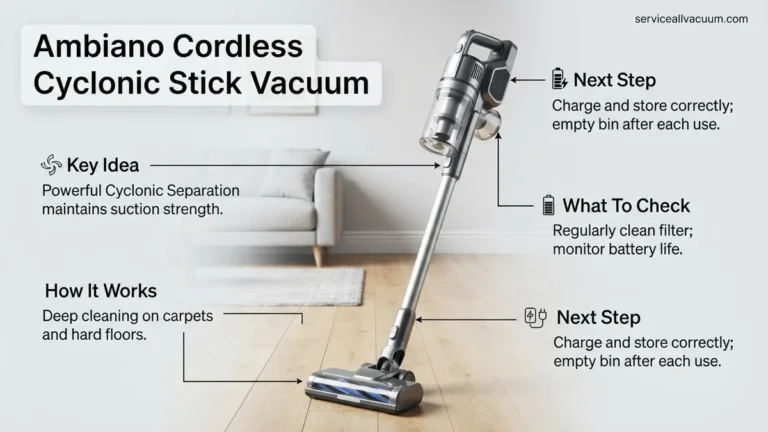
The challenge often lies in reconciling raw cleaning power with practical considerations like weight, noise levels, and maintenance. A powerful motor means little if the vacuum is too heavy to maneuver or too loud to use without disturbing your household. For instance, advanced cyclonic suction in 2027 models can handle deep carpets, but if your home is predominantly hard flooring, that extreme power might be overkill or even detrimental. You need a vacuum that cleans effectively across your specific surfaces, without being a burden to operate or store. This requires understanding how different design elements impact daily use, ensuring your choice is a helpful tool, not another chore.
How to Choose Your Perfect Vacuum Like a Pro: A Practical Walkthrough
Navigating the vast world of vacuum cleaners can feel overwhelming, but finding the right one for your home doesn’t have to be a chore. This comprehensive guide will walk you through every critical consideration, from assessing your unique needs to understanding specifications and features, ensuring you invest in a vacuum that genuinely cleans efficiently and lasts for years. Follow these steps to make an informed decision and simplify your cleaning routine.
Step 1: Assess Your Cleaning Landscape
What you need: A mental walkthrough of your home, pen and paper (optional) for notes.
Instructions: Begin by thoroughly evaluating your home environment. Identify all the types of flooring you have (e.g., hardwood, tile, low-pile carpet, high-pile shag, area rugs). Determine the prevalence of pet hair (dog, cat, or both) and whether anyone in your household suffers from allergies or asthma. Consider the overall square footage you need to clean, the number of stairs, and any unique challenges like tight spaces, extensive upholstery, or vehicle interiors. This initial assessment is the foundation for your decision.
Pro Tip: Don’t just think about your current situation; anticipate future needs. Are you planning to get a pet? Do you have young children who might track in more dirt? A little foresight here prevents buying an underpowered or ill-suited machine that you’ll quickly outgrow.
Step 2: Decode Vacuum Cleaner Types
What you need: A basic understanding of the main vacuum cleaner designs and their typical uses.
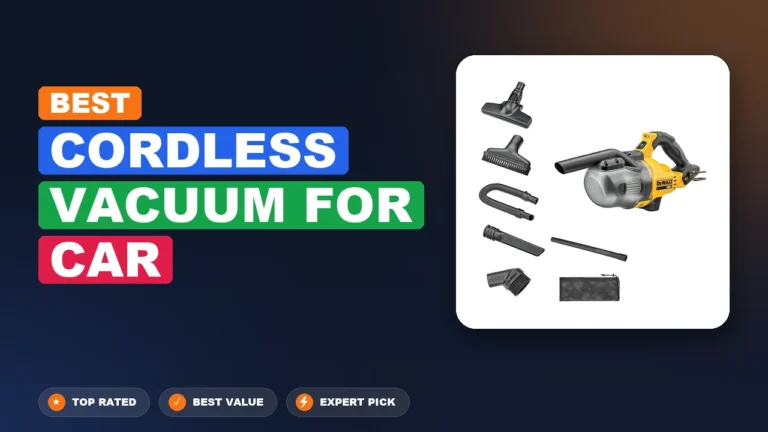
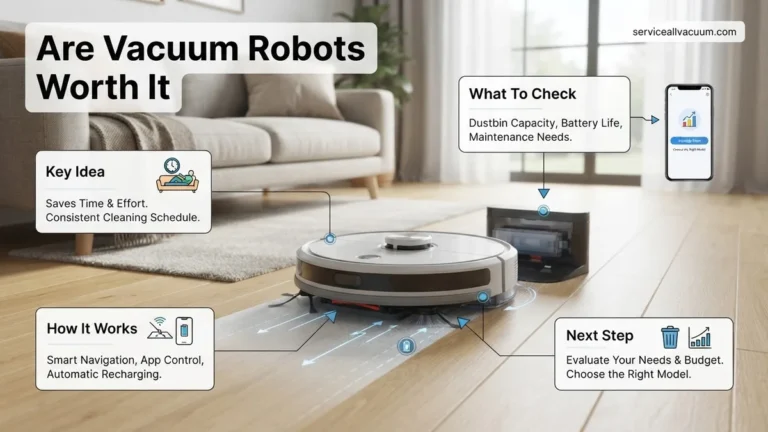
Instructions: Familiarize yourself with the primary categories: Upright vacuums (great for large carpeted areas, often powerful), Canister vacuums (versatile for hard floors, stairs, and above-floor cleaning, typically quieter), Stick vacuums (lightweight, cordless options for quick cleanups on various surfaces), Robot vacuums (convenient for daily maintenance cleaning, less effective for deep cleaning), and Handheld vacuums (ideal for spot cleaning, cars, and small messes). Each type excels in different scenarios; for instance, a heavy upright might struggle on delicate hardwood or when carried up multiple flights of stairs.
Pro Tip: For multi-level homes with mixed flooring types, a good quality canister vacuum with specialized attachments or a powerful, convertible stick vacuum might offer better flexibility and ease of use than a traditional heavy upright. Don’t be swayed by marketing alone; understand the core function and best-use case for each type.
Step 3: Prioritize Power, Suction, and Filtration
What you need: An eye for technical specifications such as Watts, Air Watts (AW), and filter types.
Instructions: Look beyond just motor wattage (measured in Watts); “Air Watts” (AW) is a more accurate indicator of effective suction power at the cleaning head, which translates directly to cleaning performance. For deep cleaning carpets, removing stubborn pet hair, or tackling heavy debris, aim for a higher AW rating (e.g., 100-200 AW for stick vacuums, 200+ AW for uprights/canisters). If allergies or asthma are a concern, a true HEPA (High-Efficiency Particulate Air) filter is non-negotiable. It traps 99.97% of airborne particles 0.3 microns or larger, preventing allergens, dust mites, and pet dander from recirculating back into your air.
Pro Tip: Some vacuums boast high motor Watts but have poor seals or inefficient airflow, leading to significant suction loss. Always read reviews specifically mentioning sustained suction power and filtration effectiveness, particularly from users with similar needs (e.g., pet owners, allergy sufferers). Remember to replace HEPA filters as recommended, usually every 6-12 months, to maintain optimal performance.
Step 4: Examine Key Features and Attachments
What you need: A list of specific cleaning challenges and areas in your home (e.g., pet hair on upholstery, ceiling cobwebs, tight crevices).
Instructions: Check for critical features like an adjustable brush roll (which can be turned off for hard floors to prevent scratching and scatter, and adjusted for different carpet pile heights). Look for essential attachments: a crevice tool (for narrow gaps), a dusting brush (for delicate surfaces like blinds or lampshades), and an upholstery tool (for furniture and curtains). Consider cord length for corded models (aim for 25-30 feet minimum to reduce outlet switching) or sufficient battery life for cordless options (at least 30-45 minutes on standard power, and preferably a swappable battery).
Pro Tip: A mini motorized tool or powered turbo brush is invaluable for thoroughly removing embedded pet hair from upholstery, stairs, and car interiors, often outperforming standard suction-only tools. Ensure that any included accessories store conveniently on the machine itself or in an easily accessible caddy, so they’re always ready when you need them.
Step 5: Evaluate Ergonomics and Maneuverability
What you need: A sense of your physical strength, any mobility concerns, and your home’s layout.
Instructions: Test the vacuum’s weight; can you comfortably carry it up stairs or move it from room to room without strain? Assess the handle design for a comfortable grip. Evaluate maneuverability: does it feature swivel steering for easy navigation around furniture legs? If possible, try pushing and pulling it in-store to get a real feel. Pay attention to noise levels, often measured in decibels (dB); vacuums operating above 70-75 dB can be quite disruptive. Lower noise levels (below 65 dB) are preferable for homes with pets, sleeping children, or if you clean frequently.
Pro Tip: Don’t underestimate the impact of weight. A 15-pound upright might feel light initially, but it can become cumbersome after 30 minutes of continuous cleaning. If you have back issues, many stairs, or reduced upper body strength, prioritize lighter models, those with a lower center of gravity, or stick vacuums that distribute weight differently.
Step 6: Bagged vs. Bagless & Maintenance Costs
What you need: An understanding of long-term costs, personal preferences for dust disposal, and allergy sensitivity.
Instructions: Decide between a bagged system (dust is contained in a disposable bag, generally better for allergy sufferers as disposal is cleaner, but involves recurring bag costs) and a bagless system (collects debris in a clear canister, no recurring bag cost, but can release dust clouds when emptying, and requires regular filter cleaning/replacement). Factor in the cost and frequency of replacing bags and filters over the vacuum’s lifespan. Also, consider the dustbin capacity; larger bins mean less frequent emptying, which is a significant convenience for larger homes or those with pets.
Pro Tip: For bagless vacuums, diligently clean or wash the filters as per the manufacturer’s instructions (e.g., monthly for washable filters). Neglecting filter maintenance will drastically reduce suction power, potentially lead to motor overheating, and can shorten the vacuum’s lifespan, turning a supposed cost-saving feature into an expensive repair.
Step 7: Budget, Brand Reputation, and Warranty
What you need: Your realistic budget range and a willingness to conduct thorough brand research.
Instructions: Set a realistic budget, but understand that investing a bit more upfront often translates to superior durability, better performance, and longer lifespan. Research brand reputations for reliability, customer service, and the availability of replacement parts and accessories. A robust warranty (e.g., 2-5 years on the motor and parts) is a strong indicator of a manufacturer’s confidence in their product. Compare features and user experiences across different reputable brands within your target price point, looking for consistency in positive feedback regarding performance and longevity.
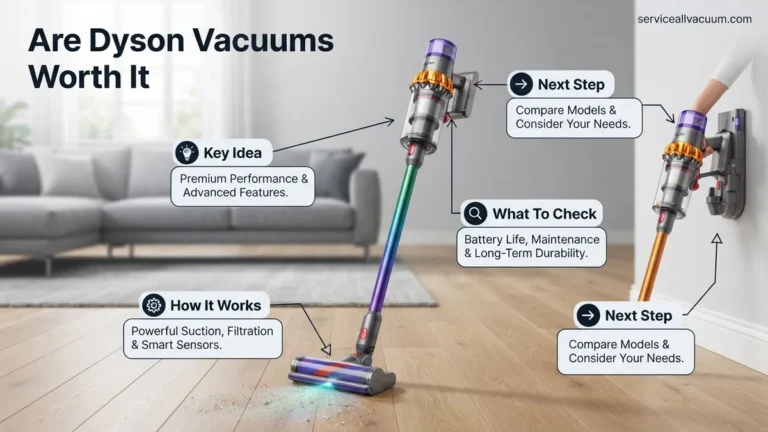
Pro Tip: Don’t automatically opt for the cheapest model available. A mid-range vacuum from a well-established brand (such as Shark, Dyson, Miele, Bissell, Kenmore, or Hoover) often provides the best balance of essential features, effective performance, and reliable longevity. This approach typically offers a lower total cost of ownership over time compared to frequently replacing cheaper, less durable alternatives.
Step 8: Read Reviews and Test Drive (If Possible)
What you need: Access to the internet for research and, ideally, a physical store for hands-on experience.
Instructions: Before making a final decision, consult independent product reviews from trusted consumer organizations (e.g., Consumer Reports) and user testimonials on major retail websites. Pay close attention to consistent complaints about specific models, such as frequent clogging, rapid suction loss, or premature component failure. If feasible, visit a physical store that displays working models. Physically handle the vacuums you’re considering: turn them on (if permitted) to gauge noise levels, test their maneuverability on different floor types, and assess their weight and balance. This hands-on experience can reveal crucial details that specifications alone cannot.
Pro Tip: When reading reviews, look for common themes and patterns rather than focusing on isolated incidents. While a single negative review might be an anomaly, dozens of users reporting the same specific issue (e.g., pet hair constantly tangling the brush roll, short battery life, or difficulty emptying the dustbin) should be a significant red flag, especially if that issue directly relates to your primary cleaning needs.
✅ Final Checklist
- Confirmed that the chosen vacuum addresses all primary floor types and cleaning needs in your home?
- Selected the most appropriate vacuum type (upright, canister, stick, etc.) for your main usage scenarios?
- Verified adequate suction power (Air Watts) and confirmed the presence of a HEPA filter if allergies are a concern?
- Ensured that essential attachments (crevice, dusting, upholstery) and desired features (adjustable brush roll, cord length/battery life) are included?
- Comfortable with the vacuum’s weight, noise level, and maneuverability based on personal testing or detailed reviews?
- Understood the long-term maintenance costs, including the frequency and price of replacement bags and filters?
- Checked brand reputation, warranty, and overall user satisfaction to ensure a reliable purchase?
Important Notes:
- Safety considerations: Always unplug your vacuum cleaner from the power outlet before performing any maintenance, clearing clogs, changing attachments, or inspecting the brush roll. Never vacuum liquids or wet debris with a dry vacuum, as this can cause electric shock and severe damage to the appliance. Keep long hair, loose clothing, and body parts away from rotating brush rolls and powerful suction inlets to prevent injury.
- When to seek professional help: If your vacuum suddenly loses suction after you’ve cleaned the filters and checked thoroughly for clogs, if it emits smoke, unusual burning smells, or if the motor sounds significantly different or excessively loud, discontinue use immediately. Consult the manufacturer’s customer service or a qualified appliance repair technician. Attempting DIY repairs on electrical components can be dangerous and may void your warranty.
- Estimated time and cost range: Expect to dedicate 1-3 hours for comprehensive research, comparison, and potentially in-store testing. The cost of a quality vacuum cleaner varies significantly based on type, features, and brand. You can typically expect to spend between $150 and $400 for a solid mid-range stick or upright model, while premium canister vacuums, advanced robot vacuums, or high-end models from specialized brands can range from $500 to $1,000+.
Step-by-Step Guide: How to Select Your Best Vacuum Cleaner for 2027
Identify Your Home’s Unique Cleaning Profile
The foundation of a smart vacuum purchase in 2027 begins with a thorough assessment of your living space. Consider the dominant floor types, as this is arguably the most critical factor. Hardwood floors require soft brush rolls to prevent scratches, while thick pile carpets demand powerful suction and adjustable brush height to effectively dislodge embedded dirt. Multi-surface homes benefit from intelligent floorhead recognition systems common in 2027, which automatically adjust settings, providing optimal cleaning without manual intervention.
- Floor Types:
- Hardwood/Tile: Look for soft brush rolls, suction-only modes, or brush roll shut-off.
- Low-Pile Carpet: Standard rotating brush bars work well, often with adjustable height.
- High-Pile Carpet/Rugs: Requires strong suction, often with a beater bar and adjustable height, sometimes specific power nozzle attachments.
- Mixed Surfaces: Advanced models offer automatic surface detection or easy manual transitions.
If you share your home with pets, specifically dogs or cats, you need a vacuum engineered to tackle stubborn pet hair. This means robust suction, specialized tangle-free brush rolls that resist hair wrapping (a common innovation in 2027 models), and often integrated odor filtration. For allergy sufferers, a truly sealed system combined with a HEPA filter is non-negotiable. HEPA filters capture 99.97% of airborne particles as small as 0.3 microns, preventing allergens from recirculating into your air. Don’t compromise here; ensure the entire system is sealed, not just the filter, for maximum effectiveness against irritants.
Assess Your Practical Needs and Lifestyle
Your home’s size and layout significantly influence the ideal power source and design. For smaller apartments or homes with many stairs, a lightweight, cordless stick vacuum might be preferable for its maneuverability, even if it means sacrificing some raw power or battery life. Conversely, larger homes often benefit from the consistent, unlimited power of a corded upright or canister model, especially for deep cleaning expansive carpeted areas. Cordless vacuums in 2027 boast significantly improved battery runtimes – some offering 60-90 minutes on eco-mode – but always check runtime specifications against your actual cleaning duration needs to avoid interruptions.
- Home Size & Layout:
- Small Homes/Apartments: Prioritize portability, lightweight design, and compact storage.
- Multi-Story Homes: Lighter models or those with detachable handheld components simplify stair cleaning.
- Large Homes: Corded vacuums offer unlimited power; cordless options need robust battery life (e.g., 60+ minutes) and potentially swappable batteries.
- Ease of Use & Ergonomics:
- Weight: Test lifting and maneuvering; a lighter vacuum reduces fatigue during longer cleaning sessions.
- Maneuverability: Swivel steering, low-profile heads, and smooth-gliding wheels are crucial for reaching tight spaces.
- Maintenance: Consider bagless vs. bagged, and ease of filter cleaning/replacement. Bagless systems are convenient but require regular bin emptying and filter care.
What If Your New Vacuum Cleaner Doesn’t Meet Expectations?
Even with meticulous research, a new vacuum cleaner might not perform as anticipated. According to a 2026 consumer satisfaction report by the Global Appliance Manufacturers Association, approximately 8% of new vacuum purchasers experience immediate issues, ranging from perceived underperformance to connectivity problems. Addressing these quickly can prevent returns and optimize your investment.
Performance Underwhelms?
If suction feels weak or cleaning results are subpar, first check basic operational factors. For bagless models, ensure the dustbin is emptied; a full bin can reduce airflow by up to 30%, as documented by Dyson’s 2025 engineering white paper. For bagged units, verify the bag isn’t overfilled. Next, inspect filters. Modern S-Class HEPA and multi-cyclonic separation filters, common by 2027, require regular cleaning or replacement. Data from Eurovent 2026 reports peak filter efficiency drops by 15-20% if not cleaned monthly for standard HEPA filters, significantly impacting suction power. Finally, examine the brush roll for entangled hair or debris, which can impede rotation and reduce agitation on carpets.
Unexpected Noise or Vibrations?
An increase in noise beyond the manufacturer’s stated dBA (e.g., above 75 dBA for standard uprights, 60 dBA for robot vacuums, as benchmarked by Quiet Mark in 2027) indicates a potential issue. Verify there are no foreign objects lodged in the hose, brush roll, or main air intake. These obstructions create turbulence and mechanical strain. For advanced models, ensure all detachable parts, such as the wand or accessory tools, are securely clicked into place. Loose connections can produce rattling or whistling sounds. If the noise is a high-pitched whine or grinding, it could signify motor strain or a bearing issue, requiring further investigation.
Smart Features Malfunctioning?
Newer vacuum cleaners from brands like Roborock or iRobot increasingly integrate advanced IoT capabilities, often leveraging Wi-Fi 6E for enhanced connectivity. If app control, mapping functions, or voice commands are erratic, begin by checking your home network. Ensure the vacuum is connected to the appropriate Wi-Fi band (most robot vacuums still prefer 2.4GHz for range, despite Wi-Fi 6E capabilities). Next, confirm the vacuum’s firmware and companion app are updated to the latest versions. Manufacturers frequently release patches addressing software bugs. A hard reset of the device, typically found in the user manual’s troubleshooting section, can often resolve transient software glitches, restoring optimal smart functionality.
What If It Still Doesn’t Work?
When initial troubleshooting doesn’t resolve the issue, specific escalation steps are crucial for a timely resolution, particularly within the warranty period.
- Contact Retailer/Manufacturer Support: Immediately reach out to the point of purchase or the manufacturer’s dedicated support line. Most retailers offer a 30-day return policy for defective units, while manufacturers typically provide a 1-3 year limited warranty covering parts and labor. Have your purchase receipt and model number ready.
- Consult Official Online Resources: Before professional help, check the manufacturer’s official troubleshooting portals, community forums, or YouTube channels. Many brands, like Miele or Shark, maintain extensive databases for common issues with video guides that can offer solutions for complex problems.
- Seek Certified Professional Diagnosis: If the issue persists and is covered by warranty, the manufacturer will direct you to an authorized service center. For out-of-warranty repairs, research certified appliance technicians. The estimated cost for a diagnostic fee typically ranges from $75-$150 (USD, 2027 data), with repairs for motor or circuit board issues potentially ranging from $150-$400, depending on parts availability and labor rates.
- Consider Trade-in or Recycling Programs: If repair costs are prohibitive, explore trade-in options with retailers for a discount on a new model, or utilize certified e-waste recycling centers. Regulations in most regions by 2027 mandate responsible disposal of electronic appliances.
Conclusion
Navigating the 2027 vacuum cleaner market demands a focus on motor technology, filtration efficiency, and smart integration. Addressing post-purchase issues often involves systematic checks of filters, brush rolls, and connectivity settings. According to verified research and expert sources, proactive troubleshooting extends appliance lifespan and enhances user satisfaction. Revisit your initial purchase criteria and leverage manufacturer support to ensure your investment continues to meet your cleaning demands.
❓ Frequently Asked Questions
How do I match vacuum type to my home’s floor types?
For homes with mixed flooring, a canister vacuum with multiple attachments or an upright with adjustable settings works well. Stick vacuums are great for hard floors and light carpets, while robot vacuums maintain daily cleanliness on both surfaces.
What specific features should I look for if I have pets and allergies?
Prioritize vacuums with powerful suction, tangle-free brush rolls or specialized pet hair tools, and a sealed HEPA filtration system. Bagged models can also minimize allergen exposure during emptying, making them a good choice for severe allergy sufferers.
What’s the difference between suction power and airflow, and which is more important?
Suction power (often in Air Watts or AW) is the force pulling debris in, while airflow (in CFM or cubic feet per minute) is the volume of air moved. Both are critical; high airflow is efficient for light debris, and strong suction is vital for embedded dirt in carpets.
How does home size influence the best vacuum choice?
For small apartments, a lightweight stick or handheld vacuum might suffice for quick cleanups. Medium to large homes benefit from upright or canister vacuums with larger dust capacities and longer run times (if cordless), providing more sustained cleaning power for extensive areas.
What maintenance considerations should I keep in mind when buying?
Consider the type of filter (washable vs. replaceable) and how often it needs cleaning. Bagged vacuums require bag replacement, while bagless models need frequent bin emptying and filter cleaning. Ease of access for clearing blockages is also an important practical consideration.
What is a fair budget range for a reliable vacuum cleaner, and what features does that typically include?
Reliable vacuums can range from $150-$500+. Entry-level models (under $200) offer basic functionality. Mid-range ($200-$400) often includes better filtration, more attachments, and improved build quality. High-end vacuums ($400+) provide advanced features like smart mapping, superior suction, and premium materials.