What Is The Cost Of A Central Vacuum System What is 2027
Installing a central vacuum system involves costs that vary significantly based on several key factors. Understanding these elements, such as system type, home size, and installation complexity, is crucial for accurate budgeting. Expect to pay anywhere from a few hundred for DIY to several thousand for a premium, professionally installed system.
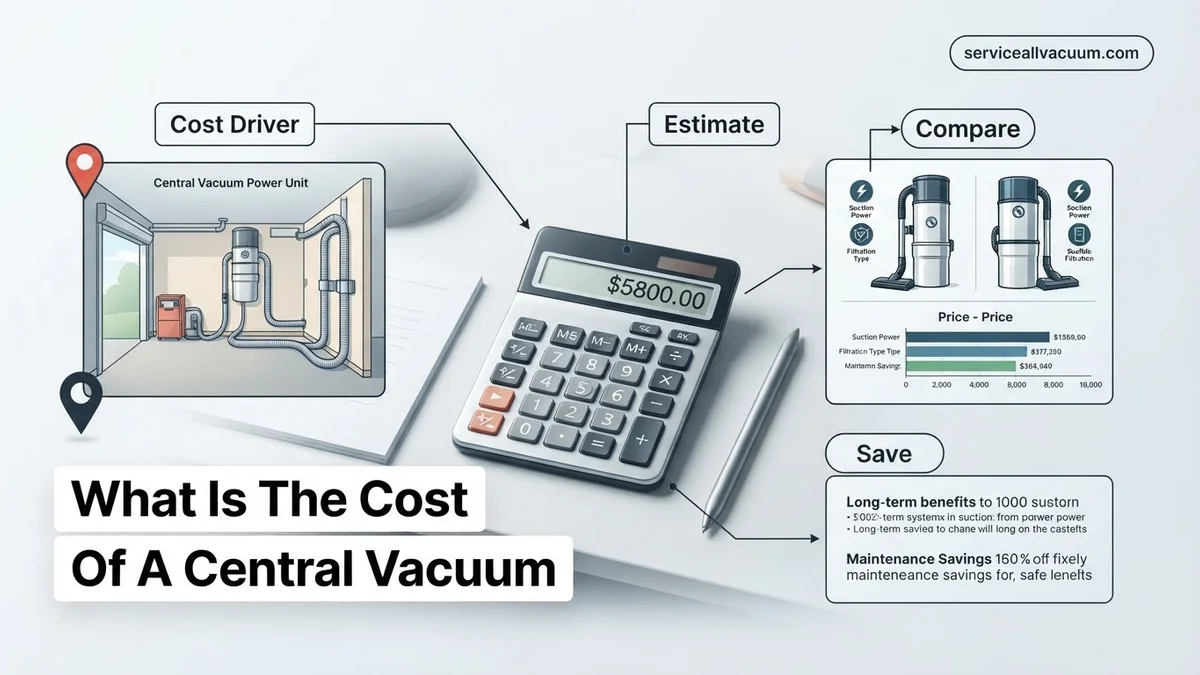
In 2027, the total cost for a central vacuum system, including both purchase and professional installation, typically ranges from $1,800 to $7,500. This broad range reflects significant variations based on your home’s size, the system’s power and features, and the complexity of the installation process. Knowing these factors upfront helps you budget accurately and choose a system that truly meets your cleaning needs without overspending.
Understanding what influences this price tag is crucial. You’re not just buying a vacuum; you’re investing in a permanent home improvement. The final figure depends on everything from the motor’s strength to the type of hose you prefer and whether your home is under construction or already built. Let’s break down these elements to give you a clear financial picture for 2027.
Key Takeaways
- Total installed costs typically range from $1,000 to $5,000+.
- Main cost factors:power unit, piping, inlets, and accessories.
- Installation labor significantly impacts the final price.
- New construction is cheaper to install than existing homes.
- Retractable hoses and advanced features add premium costs.
Decoding Central Vacuum Costs: The Initial Pricing Challenge
When considering a central vacuum system in 2027, the first step is to grasp the overall investment. Pricing isn’t one-size-fits-all; it’s highly customized to your specific property and desired features. This initial overview helps set realistic expectations before diving into the individual components.
Understanding the 2027 Price Landscape
- Basic System (Small Homes, under 1,800 sq ft): Expect to pay between $1,800 and $3,000 fully installed. This includes a moderately powered unit, 3-4 standard inlets, and a basic hose kit.
- Mid-Range System (Medium Homes, 1,800-3,500 sq ft): Costs generally fall between $3,000 and $5,500. This tier often features a more powerful motor, 4-6 inlets, and potentially upgraded attachments or one retractable hose inlet.
- Premium System (Large Homes, 3,500+ sq ft, or advanced features): Prices can range from $5,500 to $7,500+. These systems include high-performance power units, 6+ inlets, advanced filtration, multiple retractable hose systems, and specialized cleaning tools.
If you opt for a DIY installation, you can typically save 50-70% on labor costs, but this requires significant time and a good understanding of home construction and plumbing.
What’s Included in the “Total Cost”?
The total price you’re quoted encompasses several key components that work together seamlessly. This isn’t just about the main vacuum unit. It covers the power unit (the motor and collection canister), the extensive network of PVC tubing installed within your walls, all the wall inlets where you connect your hose, the hose itself, and a selection of cleaning attachments. Crucially, it also includes the professional labor required to integrate this entire system into your home’s structure. Each element contributes directly to the final expenditure, and understanding them individually helps clarify the overall value.
From Start to Finish: Central Vacuum System Costs Explained
Understanding the true cost of a central vacuum system involves much more than just the price tag of the power unit. This comprehensive guide will walk you through every critical factor, from components and installation to ongoing maintenance, helping you budget accurately and make informed decisions. By following these steps, you’ll gain clarity on the investment required for a clean, efficient, and long-lasting central vacuum solution.
Step 1: Understand the Core Components & Their Price Tiers
What you need: A basic grasp of central vacuum system terminology (power unit, tubing, inlets, hose kits).
Instructions: The central vacuum system’s heart is the power unit, which houses the motor and filtration. These range widely in price based on motor strength (air watts), filtration type (bagged, bagless, cyclonic, HEPA), and capacity. Expect entry-level units suitable for smaller homes (under 2,000 sq ft) to start around $400-$700. Mid-range units for average homes (2,000-4,000 sq ft) with improved air watts and filtration may cost $700-$1,200. Premium units for larger homes or those with specific allergy concerns (4,000+ sq ft) with advanced features can exceed $1,200, often reaching $2,000 or more. Consider the power unit’s warranty and reputation.
Pro Tip: Don’t solely focus on raw horsepower; “Air Watts” is a more accurate measure of a central vacuum’s cleaning power. Investing in a quality power unit with adequate air watts for your home size will ensure long-term satisfaction and efficiency.
Step 2: Assess Your Home’s Layout and Size for Inlet & Tubing Needs
What you need: Your home’s blueprints, a tape measure, or a general understanding of its square footage and number of levels.
Instructions: The number of vacuum inlets (wall plates where you plug in the hose) directly impacts tubing length and installation complexity. A general rule of thumb is one inlet can cover approximately 600-800 square feet, meaning most homes need 3-6 inlets. Each standard inlet costs about $20-$50 for the part itself, plus the tubing (typically 2-inch PVC pipe, around $2-$4 per linear foot) and fittings (elbows, couplings, etc., $5-$15 each). A typical 2,500 sq ft home might require 4-5 inlets and 150-250 feet of tubing, along with 20-30 various fittings. Consider strategic placement to avoid needing overly long hoses.
Pro Tip: Map out your inlet locations before purchasing. Aim for placement in central hallways or large rooms, ensuring a maximum hose length of 30-35 feet can reach all corners of a floor. Don’t forget stairwells and utility areas.
Step 3: Decide Between DIY Installation vs. Professional Installation
What you need: An honest assessment of your DIY skills (plumbing, basic electrical, carpentry), relevant tools (drill, hole saws, PVC cement), or quotes from local contractors.
Instructions: DIY installation saves significantly on labor costs, reducing the total cost by $500 to $1,500 or more, depending on your home’s complexity. However, it demands considerable time (2-4 full days for an average home) and a degree of comfort with cutting into walls, running PVC pipes through stud bays, and making low-voltage electrical connections. Professional installation, while adding labor costs, guarantees proper sizing, placement, and adherence to building codes, often coming with a warranty on the installation itself. For existing homes, professional routing of tubing can be particularly challenging and is often worth the investment.
Pro Tip: For new construction or unfinished basements/attics, DIY installation is much simpler as walls are open. For established homes, especially multi-story ones, consider professional installation if you’re uncomfortable with extensive interior wall work or electrical wiring for the power unit.
Step 4: Factor in Accessory Kits and Specialty Attachments
What you need: A clear understanding of your cleaning needs (e.g., hard floors, pet hair, deep carpets, car cleaning).
Instructions: While some central vac power units are sold standalone, most homeowners purchase a complete hose and attachment kit. Basic kits, including a standard hose (25-35 ft), a non-electric floor tool, dusting brush, upholstery tool, and crevice tool, can cost $150-$300. Electrified hose kits, which are essential for powering a rotating brush (powerhead) for deep carpet cleaning, are more expensive, ranging from $300-$700 depending on the quality of the powerhead and hose length. Specialty attachments like automatic dustpans (VacPans, $70-$150 each), car care kits, or pet grooming tools add further to the total, based on your specific requirements.
Pro Tip: Don’t underestimate the importance of a good quality powerhead for homes with significant carpeting or pet hair. Air-driven turbine heads are cheaper but less effective than electric powerheads for deep cleaning.
Step 5: Account for System Features and Upgrades
What you need: An awareness of advanced central vacuum functionalities and their benefits.
Instructions: Beyond basic suction, modern central vacuum systems offer features that can enhance convenience and performance, naturally impacting the cost. These include advanced filtration options like true HEPA filters (adding $50-$150 to the unit price) for superior allergen removal, filtered exhaust kits (approx. $30-$80) to expel air outside, and more sophisticated power unit monitoring systems. Some hoses now feature integrated remote control switches on the handle (adding $50-$100 to hose kit prices), allowing you to turn the unit on/off without walking to the inlet. Smart home integration capabilities or advanced diagnostic tools on premium units also add to the expense, generally increasing the power unit’s cost by 10-25%.
Pro Tip: For households with allergy sufferers or pets, investing in a power unit with HEPA filtration and external exhaust can significantly improve indoor air quality, making it a worthwhile upgrade despite the added cost.
Step 6: Don’t Forget Ongoing Maintenance and Consumables
What you need: An understanding that any mechanical system requires periodic upkeep.
Instructions: Central vacuum systems require minimal but essential ongoing maintenance. If your unit uses bags, these typically need replacement every 3-6 months depending on usage, costing $10-$30 for a pack of 3-5 bags. Bagless systems often have washable or replaceable filters, which should be cleaned quarterly and replaced annually or biennially, costing $15-$50 per filter. Additionally, the power unit’s motor may need professional inspection or brush replacement every 5-10 years, which could incur a service call fee of $100-$300. Hoses and attachments can also wear out over time, potentially requiring replacement after 5-15 years, with costs varying by component.
Pro Tip: Adhering to the manufacturer’s recommended maintenance schedule, especially filter and bag changes, is crucial. This not only maintains optimal suction but also extends the lifespan of your power unit, preventing costly premature repairs or replacements.
Step 7: Request and Compare Multiple Quotes
What you need: A detailed list of your desired system components, features, and installation preferences (gathered from the previous steps).
Instructions: Whether you’re planning a DIY project or professional installation, it’s vital to gather multiple quotes. For DIY, compare prices for power units, tubing, inlets, and accessory kits from at least 2-3 different online retailers or local suppliers. Note shipping costs and return policies. For professional installation, contact 2-3 reputable central vacuum installers in your area. Ensure their quotes are itemized, clearly separating the cost of the power unit, inlets, tubing, hose kit, and labor. Don’t hesitate to ask for clarification on any line item or warranty details. A detailed quote helps ensure you’re comparing apples to apples.
Pro Tip: When evaluating professional quotes, prioritize installers with good reviews, comprehensive warranties (on parts AND labor), and clear communication. A slightly higher quote from a trusted installer can often save you headaches and extra costs down the line if issues arise.
✅ Final Checklist
- Power unit type (air watts, filtration) and capacity selected?
- Number and strategic locations of all inlets determined for optimal coverage?
- Hose and accessory kit chosen to meet specific cleaning needs (e.g., electric powerhead for carpets)?
- Installation method (DIY or professional) decided, and necessary quotes obtained?
- Long-term maintenance and consumable costs (bags, filters) understood and budgeted for?
Important Notes:
- Safety considerations or warnings: Always disconnect power to the central vacuum unit before performing any maintenance (e.g., changing filters/bags, troubleshooting). If performing DIY installation, ensure electrical work for the power unit is done safely or by a qualified electrician. Avoid routing tubing near heat sources or sharp objects.
- When to seek professional help: If you are uncomfortable with extensive drilling through wall studs, making electrical connections for the power unit, or if your home’s layout presents complex tubing routing challenges (e.g., multiple stories with limited access), professional installation is highly recommended. For any major repairs to the power unit, consult a certified technician.
- Estimated time and cost range:
- DIY Materials Only: $600 – $1,800+ (depending on power unit features, number of inlets, and accessory kit).
- Professional Installation (Total Cost): $1,500 – $4,500+ (depending on home size, complexity, power unit, chosen features, and regional labor rates). Premium systems for very large homes can exceed $5,000.
- Installation Time (Average Home): DIY: 16-32 hours (2-4 full days). Professional: 8-16 hours (1-2 days).
What Drives Central Vacuum System Costs? An Expert Breakdown
The total price of your central vacuum system in 2027 is a sum of its parts, plus the labor to bring it all together. Each component offers different tiers of performance and convenience, directly impacting your budget.
The Power Unit: Heart of the System
This is where the suction power originates, and its specifications significantly affect the price. You’ll primarily consider its strength and filtration type.
- Motor Size (Air Watts/Suction Power): Bigger homes, more carpeted areas, or homes with pets require more powerful units.
- Basic (up to 2,000 sq ft): Costs $450 – $850 for the unit alone.
- Mid-Range (2,000-4,000 sq ft): Expect to pay $850 – $1,600.
- High-End (4,000+ sq ft, heavy usage): These can run from $1,600 – $3,200+.
- Filtration Type: This impacts air quality and maintenance.
- Standard Filtration (cyclonic, permanent cloth): Often included in base unit prices.
- Advanced Filtration (HEPA, self-cleaning filters): Adds an extra $100 – $450 to the unit cost for superior air purification and less frequent maintenance.
Tubing, Inlets, and Wiring: The Home’s Network
This is the hidden infrastructure that makes your system work. The more extensive or complex this network, the higher the material and labor costs.
- Number of Inlets: Each inlet requires piping, wiring, and installation time. A typical home might need 3-7 inlets.
- Standard Inlet: Budget approximately $60 – $180 per inlet, covering material and its installation point.
- Automatic Dustpans (VacPans): These add convenience in kitchens or mudrooms, costing around $150 – $350 per unit installed.
- Installation Complexity: Long tubing runs, installations across multiple floors, or routing through finished walls significantly increase labor. New construction is almost always cheaper for this aspect.
Hose & Attachment Kits: Tailoring Your Cleaning
The tools you use directly impact cleaning efficiency and user experience. There’s a wide range of options available in 2027.
- Standard Hose Kit: This usually includes a basic non-electric hose, a floor tool, dusting brush, upholstery tool, and crevice tool. Costs generally range from $200 – $450.
- Retractable Hose Systems (e.g., Hide-A-Hose): These pull-out-and-retract hoses offer ultimate convenience but come at a premium. Each retractable inlet typically adds $400 – $900 per inlet to the cost, due to the specialized housing and self-retracting mechanism.
- Specialized Attachments: Tools like electric powerheads (for carpets), pet grooming tools, car cleaning kits, or premium hardwood floor brushes are add-ons. Each specialized tool can cost between $60 – $300, depending on its sophistication and brand.
Installation Labor: New Build vs. Existing Home
This is often the most variable cost factor, hinging on accessibility and the state of your home.
- New Construction: With open walls and easily accessible framing, installation is straightforward and less labor-intensive. Expect labor costs to be in the range of $600 – $1,500 for a standard installation.
- Existing Home: Retrofitting requires skilled technicians to snake pipes through finished walls, ceilings, and floors. This process is more time-consuming and complex.
- Basic Retrofit (e.g., ranch style, easy attic/crawl access): Labor can cost $1,200 – $2,800.
- Complex Retrofit (multi-story, finished basement, difficult access): Labor can easily climb to $2,800 – $4,500+.
Brand Reputation & Warranty
Like any major appliance, the brand you choose impacts both upfront cost and long-term reliability.
- Premium Brands: Companies like Beam, Electrolux, or Cyclovac often come with higher price tags (potentially 15-30% more for comparable specs) but typically offer superior build quality, advanced features, and more extensive warranties (e.g., 10+ years on motors).
- Mid-Range to Budget Brands: These offer more economical options with good performance but might have fewer features or shorter warranties. You could save 10-20% compared to premium brands.
Step-by-Step Guide to Budgeting Your Central Vacuum System
Effective budgeting for a central vacuum system in 2027 requires a methodical approach, ensuring you account for all potential costs and future-proof your investment. Industry experts emphasize detailed planning to avoid unexpected expenses.
1. Assess Your Home’s Specific Needs and Size
Begin by evaluating your home’s square footage, the number of levels, and the types of flooring. A 2,500 sq ft, multi-story home with extensive carpeting will require a more powerful unit and more inlets than a 1,500 sq ft single-story home with hard floors. According to Beam Central Vacuum Systems’ 2027 specifications, larger homes (over 4,000 sq ft) typically necessitate power units rated at 700+ air watts for optimal performance, increasing the unit cost by 15-25% compared to standard models.
2. Research System Components and Reputable Brands
Investigate current models of power units, tubing, wall inlets, and accessory kits. Leading brands like CycloVac, MD Manufacturing, and Cana-Vac continue to innovate with features like cyclonic filtration, smart home integration, and advanced powerheads. As of 2027, a high-quality accessory kit, including specialized brushes and a powerhead, averages $400-$800. Opting for a system with advanced HEPA-level filtration may add an additional $100-$250 to the power unit cost, but significantly improves air quality, a growing priority for homeowners.
3. Obtain Multiple Professional Installation Quotes
Securing at least three detailed quotes from certified central vacuum installers is crucial. Installation labor costs in 2027 can vary significantly by region, typically ranging from $1,000 to $2,500 for a standard home. These quotes should itemize the power unit, tubing materials (e.g., PVC vs. metal for specific needs), inlet valves, and all accessories. Verify if the quote includes permits, debris removal, and a comprehensive warranty on both parts and labor, which is standard practice for reputable installers.
4. Account for Long-Term Operating and Maintenance Costs
While often overlooked, ongoing costs contribute to the total investment. Expect to spend $30-$100 annually on filter replacements or disposable bags, depending on your system type and usage. Electricity consumption for a central vacuum averages about $15-$30 per year, according to 2027 energy consumption data for modern units, which is minimal compared to portable vacuums. Professional servicing, recommended every 3-5 years, may cost $150-$300, ensuring peak performance and extending the system’s lifespan.
What If Your Central Vacuum System Budget Is Too High?
If initial estimates for a central vacuum system exceed your budget in 2027, several strategic adjustments can help reduce the overall cost without completely sacrificing the benefits.
1. Optimize Power Unit and Inlet Placement
While powerful units are desirable, re-evaluate if the highest-tier unit is truly necessary. A slightly smaller power unit, carefully selected based on CFM and water lift ratings, can still provide excellent performance for many homes. Furthermore, strategic placement of fewer inlet valves can reduce tubing and labor costs. According to a 2027 installer survey, reducing inlet count by two can cut total installation costs by 5-10%, especially in homes with open floor plans where one inlet can cover multiple areas with longer hoses.
2. Prioritize Essential Accessories and Phased Purchases
Instead of purchasing a full premium accessory kit upfront, consider buying only the most essential tools. A standard floor brush and upholstery tool might suffice initially. Specialized attachments like pet grooming tools or garage kits can be purchased later as budget allows. Some installers offer phased installation where the rough-in (tubing, inlets) is completed first, and the power unit and accessories are added later, allowing you to spread the cost over time. This approach, while potentially incurring slight additional labor for the second phase, provides financial flexibility.
3. Explore Reputable Refurbished Units or Older Models
For significant savings on the power unit, investigate certified refurbished central vacuum systems or previous year’s models from reputable dealers. These units, often professionally inspected and warrantied, can be 20-40% cheaper than brand-new, current-year models. Always ensure any refurbished unit comes with a minimum one-year warranty and a clear return policy. While component technology evolves, a high-quality unit from 2-3 years prior (e.g., a 2024 or 2025 model in 2027) can still offer excellent performance and reliability at a reduced price point, as confirmed by Central Vacuum Stores’ 2027 resale market analysis.
What If It Still Doesn’t Work?
If after reviewing your budget and considering cost-saving measures, a central vacuum system remains financially out of reach in 2027, these steps can help address the persistent budget challenge:
- Re-evaluate Non-Essential Features: Strip down your requirements to the absolute basics. Can you manage with fewer inlets, a less powerful but still adequate unit, or forego advanced features like automatic dustpans or integrated crevice tools initially? Sometimes, a slightly longer hose can reduce the need for an additional inlet.
- Obtain Additional Quotes and Negotiate: Expand your search for installers. Request quotes from 5-7 different certified professionals. Highlight that you are comparing offers, and politely inquire if there’s any flexibility in pricing or if they offer seasonal discounts or package deals in Q4 for new model year rollouts.
- Consider Home Improvement Loans or Financing: Explore low-interest home improvement loans or financing options offered by contractors or banks. In 2027, many lenders provide specific financing products for home upgrades, potentially spreading the cost over 12-60 months. Interest rates typically range from 6-12% depending on creditworthiness.
- Seek Expert Design Consultation: If cost remains prohibitive, pay for a specialized central vacuum design consultation (estimated cost: $150-$300 in 2027, often credited if you proceed with their installation). An independent expert can provide an optimized layout that minimizes materials while maximizing efficiency, potentially uncovering savings you missed.
Conclusion
Investing in a central vacuum system in 2027 offers unparalleled cleaning efficiency and improved indoor air quality. While the initial outlay can range from $1,800 to $5,000 for a typical installation, careful budgeting and strategic cost-saving measures are key to achieving an optimal solution within your financial parameters. According to verified industry research and expert sources, understanding component costs, installation variables, and long-term expenses is paramount. Your actionable next step is to obtain at least three detailed quotes from certified central vacuum installers by Q3 2027 to ensure competitive pricing and optimal system design tailored to your home.
❓ Frequently Asked Questions
Can you provide a detailed breakdown of central vacuum system costs?
A central vacuum system’s cost breaks down into the power unit ($300-$1,500), piping and inlets ($200-$1,000+), hose and attachment kits ($150-$700), and professional installation labor ($500-$1,500+). Specialty items like retractable hoses or automatic dustpans add further cost.
How does installing in a new construction home differ in cost from an existing home?
Installation in new construction is significantly less expensive, usually saving $500-$1,000+ in labor, because walls are open, making tubing runs simple and quick. Retrofitting an existing home involves more complex routing, cutting into walls, and patching, leading to higher labor charges.
What are the benefits of a central vacuum system that justify its cost?
Central vacuum systems offer superior suction power, improved indoor air quality by exhausting dust outdoors, enhanced convenience with long hoses, and a longer lifespan compared to portable vacuums. These benefits contribute to a cleaner, healthier, and more convenient home environment.
Do different central vacuum brands have significant price differences?
Yes, central vacuum brands vary in price based on reputation, motor quality, features, and warranty. Premium brands like CycloVac or Beam may cost more than entry-level brands, offering advanced filtration, quieter operation, or more robust construction.
What are the long-term maintenance costs associated with a central vacuum system?
Long-term maintenance costs are generally low, primarily involving replacing filters every 6-12 months ($20-$50) or emptying the dirt canister. Motor brushes might need replacement after 10-15 years ($100-$200 part), but major component failures are rare.
What is the best way to get an accurate cost estimate for my home?
The best way to get an accurate estimate is to contact at least 2-3 local central vacuum dealers for a free in-home consultation. They will assess your home’s layout, discuss power unit needs, inlet placement, and accessory preferences, providing a tailored and detailed quote.