What is Good Vacuum Cleaner? A Proven Expert Guide 2027
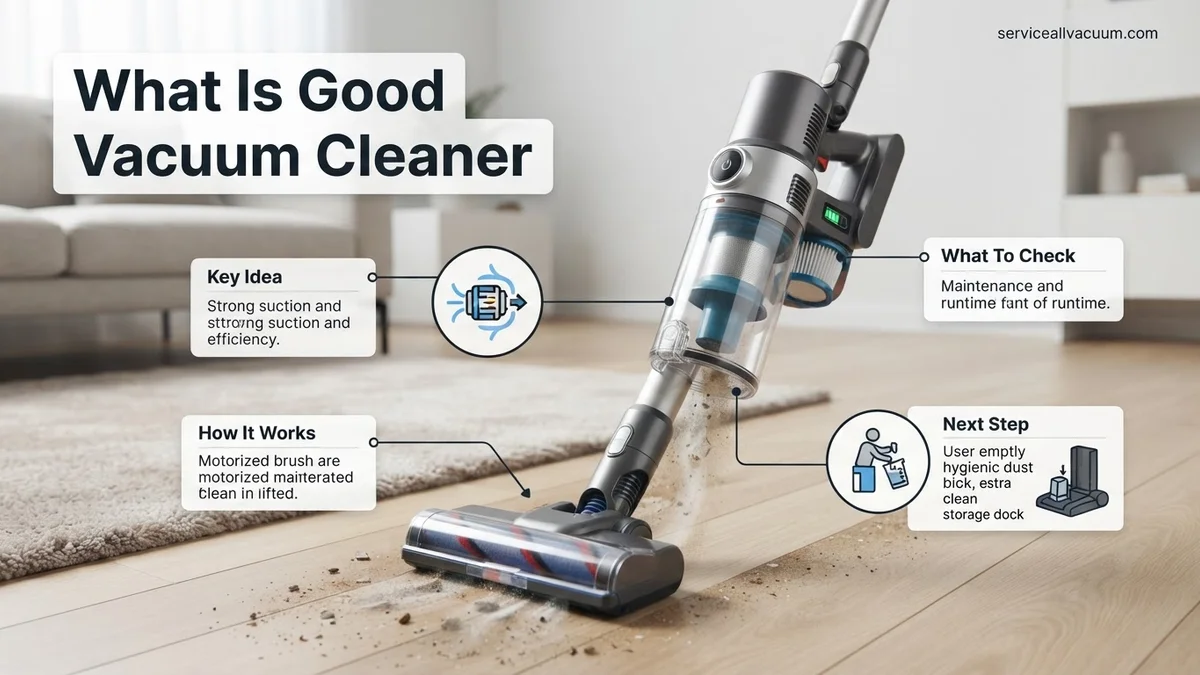
A good vacuum cleaner excels in suction, filtration, and durability, tailored to your specific cleaning needs. It effectively tackles dirt and debris across various surfaces, making home maintenance efficient and hassle-free.
A good vacuum cleaner in 2027 is far more than just a motor and a dustbin; it’s an integrated cleaning solution that blends cutting-edge technology with practical design. It delivers consistent, powerful suction across diverse surfaces, traps allergens effectively, and streamlines your cleaning routine through intelligent features and durable construction. This guide strips away the marketing jargon, focusing on what genuinely defines a high-quality vacuum.
Understanding these core characteristics helps you select a vacuum that isn’t just good in theory, but truly good for your specific needs. Choosing wisely means a cleaner home environment, improved air quality, and a long-lasting appliance that saves you time and effort for years to come, ensuring your investment pays off.
Key Takeaways
- Prioritize suction power and HEPA filtration for deep cleaning.
- Match vacuum type (stick, upright) to your home and floor needs.
- Look for specialized features like pet hair attachments.
- Consider maneuverability, weight, and ease of emptying.
- Budget, brand reputation, and warranty are crucial buying factors.
Diagnosing a ‘Good’ Vacuum Cleaner: Key Performance Metrics
Uncompromising Suction Power and Airflow Consistency
In 2027, a truly good vacuum cleaner moves beyond simple motor wattage numbers. What matters most is sustained airflow, measured in Cubic Feet per Minute (CFM), and effective static pressure for lifting debris. For full-size vacuums, aim for 90+ CFM to ensure deep carpet cleaning and efficient hard floor pick-up. Cordless stick vacuums, while lighter, should deliver at least 40+ CFM on their most common power setting.
Crucially, good models maintain this power even as the dirt bin fills. Advanced cyclonic separation systems prevent filters from clogging rapidly, ensuring consistent suction from start to finish. Modern brushless motors are standard for premium models, offering superior power-to-weight ratios and longer lifespans. For instance, the latest Dyson Gen5Detect or Shark Stratos series are benchmarks for consistent power delivery across varying floor types, automatically adjusting suction levels as you move.
Advanced Filtration for a Healthier Home
For a vacuum to be considered truly good in 2027, a robust filtration system is non-negotiable. HEPA filtration, capturing 99.97% of airborne particles down to 0.3 microns, is the absolute minimum standard. This is essential for allergy sufferers, pet owners, and anyone concerned about indoor air quality.
Beyond the filter itself, look for a “sealed system” design. This means all air entering the vacuum passes through the filtration media before being expelled, preventing unfiltered dust from leaking back into your home. Many 2027 models now integrate additional features like active carbon layers for odor neutralization, particularly beneficial for homes with pets or cooking odors. Some premium systems even include integrated UV-C sanitization post-filtration, adding another layer of defense against microscopic contaminants. Brands like Miele and Sebo are renowned for their meticulously sealed HEPA systems, setting a high bar for clean air exhaust.
From Start to Finish: What is a Good Vacuum Cleaner Explained
Selecting the right vacuum cleaner can feel like a daunting task, given the myriad of options available on the market today. This comprehensive guide is designed to demystify the process, breaking down complex considerations into simple, actionable steps. By following this practical walkthrough, you’ll gain the knowledge and confidence to identify a vacuum cleaner that perfectly suits your specific cleaning needs, ensuring your home remains spotless and your investment is a wise one. We’ll cover everything from understanding your environment to evaluating technical specifications and making that final purchase decision.
Step 1: Assess Your Home’s Unique Cleaning Landscape
What you need: A clear understanding of your living space, including floor types, presence of pets, and any allergy concerns.
Instructions: Begin by taking an inventory of your home. Walk through each room and note the primary floor surfaces (e.g., hardwood, tile, low-pile carpet, high-pile carpet, rugs). Consider if you have shedding pets (dogs, cats) that leave hair everywhere. Document any family members with allergies or asthma, as this significantly impacts filter requirements. Think about the frequency of cleaning and the typical types of messes you encounter – fine dust, tracked-in dirt, food crumbs, or larger debris. This foundational assessment will act as a blueprint for identifying your vacuum’s core requirements.
Pro Tip: Don’t just think about your current living situation; consider potential changes. Are you planning to get a pet soon? Moving to a larger home? Factor in these future needs to ensure your vacuum remains suitable for years to come.
Step 2: Decipher the Different Types of Vacuum Cleaners
What you need: A basic understanding of the common vacuum cleaner categories and their typical applications.
Instructions: Familiarize yourself with the main types:
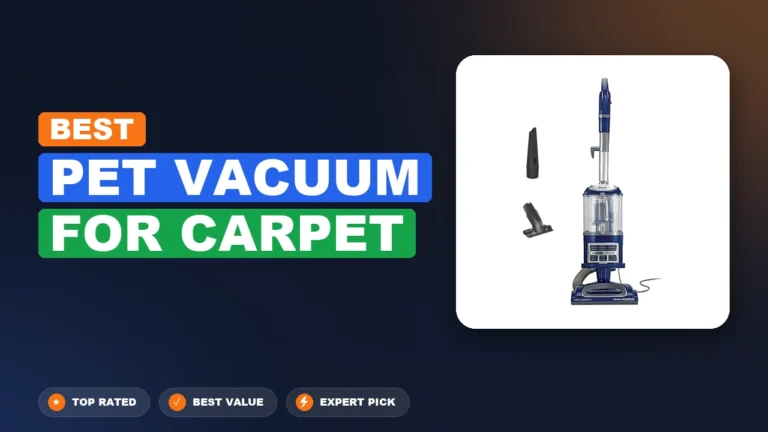
- Upright Vacuums: Excellent for deep carpet cleaning, often powerful, but can be heavy.
- Canister Vacuums: Versatile, great for hard floors and stairs, often quieter, with various attachments.
- Stick Vacuums: Lightweight, cordless options for quick cleanups on various surfaces, but with limited battery life and smaller bins.
- Robot Vacuums: Autonomous cleaning for daily maintenance, but may struggle with deep cleaning or complex layouts.
- Handheld Vacuums: Ideal for spot cleaning, car interiors, and small messes.
Understanding these basic designs will help narrow down which types are even viable for your Step 1 assessment.
Pro Tip: For homes with diverse floor types, a canister vacuum or a high-quality stick vacuum with interchangeable heads often provides the best versatility. Avoid trying to make a heavy upright work on delicate hard floors.
Step 3: Evaluate Suction Power, Filtration, and Motor Mechanics
What you need: Knowledge of key performance indicators beyond just wattage or amps.
Instructions: Don’t be fooled by high wattage alone; true suction power is often measured in “air watts” – a combination of airflow and suction. Aim for at least 100-200 air watts for good performance, more for pet hair. For allergy sufferers, HEPA filtration is non-negotiable; it captures 99.97% of particles as small as 0.3 microns. Ensure the vacuum is sealed to prevent dust leakage. Also, consider the brush roll type: a direct-drive motor in the brush head provides superior agitation for carpets compared to an air-driven brush, which loses power if not maintained.
Pro Tip: A good indicator of filtration quality is if the vacuum is “sealed system” HEPA, meaning air doesn’t bypass the filter. Also, check if filters are washable or require costly replacements – this impacts long-term ownership costs.
Step 4: Scrutinize Attachments, Features, and Bagged vs. Bagless
What you need: A list of common vacuum accessories and an understanding of essential features.
Instructions: A good vacuum comes with a thoughtful array of tools. Look for a crevice tool for tight spaces, an upholstery tool for furniture, and a dusting brush for delicate surfaces. If you have pets, a specialized turbo or mini motorized pet tool is a game-changer. Decide between bagged and bagless systems: Bagged systems are generally more hygienic for allergy sufferers as dust is contained, but require ongoing bag purchases. Bagless systems are convenient and cost-free in terms of consumables, but emptying can be dusty. Also, check for features like adjustable suction, brush roll on/off control (crucial for protecting hard floors), and headlight for illuminating dark corners.
Pro Tip: Always prioritize vacuums where the brush roll can be turned off independently of the suction, especially if you have a mix of hard floors and carpets. This prevents scattering debris and scratching delicate surfaces.
Step 5: Evaluate Maneuverability, Ergonomics, and Storage
What you need: An awareness of how comfortable and practical the vacuum will be in daily use and storage.
Instructions: Consider the vacuum’s weight. While powerful vacuums can be heavier, excessive weight can lead to fatigue. Look for features like swivel steering, which greatly enhances maneuverability around furniture. An adjustable handle can improve comfort for users of different heights. Easy-to-empty dustbins (for bagless models) and simple attachment changes contribute to a smoother cleaning experience. Finally, think about storage: does it have a compact design, a retractable cord, or wall-mounting options? A vacuum you can easily access and store is one you’re more likely to use regularly.
Pro Tip: If purchasing a cordless stick vacuum, pay close attention to its “balanced” weight. Some models are top-heavy, making extended use tiring. A lower center of gravity often provides better balance and less wrist strain.
Step 6: Research Brand Reputation and User Reviews
What you need: Access to reliable consumer reports and online review platforms.
Instructions: Once you’ve identified a few potential candidates based on features, dive into research. Consult reputable consumer organizations (e.g., Consumer Reports, Which?) for independent testing results. Read user reviews on major retail sites; pay attention to consistent themes regarding durability, customer service, and common failure points. Look for brands known for reliability and good after-sales support. A strong warranty and readily available spare parts are also indicators of a good, trustworthy brand. Be wary of brands with many complaints about rapid battery degradation or motor failure.
Pro Tip: When reading reviews, prioritize those that are detailed and specific, mentioning actual cleaning scenarios and long-term experiences (e.g., “After 2 years, still picks up pet hair well” versus “It’s great!”). Discount reviews that are overly vague or seem emotionally charged.
Step 7: Budgeting and Warranty Considerations
What you need: A realistic budget and an understanding of warranty terms.
Instructions: Set a clear budget range. While it’s tempting to opt for the cheapest option, a higher upfront investment often translates to better performance, durability, and a longer lifespan, potentially saving money in the long run. Good vacuums can range from $150 for basic uprights to over $800 for premium stick or robot models. Always check the warranty period – a 2-5 year warranty on the motor and parts is standard for quality machines. Understand what the warranty covers (e.g., does it cover normal wear and tear, or just manufacturing defects?) and the process for making a claim. Also, check the retailer’s return policy.
Pro Tip: Consider the total cost of ownership, which includes potential filter replacements, bags, and possible battery replacements for cordless models. Sometimes a slightly more expensive vacuum has cheaper consumables or a longer-lasting battery, making it more economical over time.
Step 8: The “Test Drive” Experience (If Possible)
What you need: An opportunity to physically interact with your shortlisted vacuum cleaners.
Instructions: If feasible, visit a local electronics or appliance store that has demonstration models. Physically lift the vacuum, push it around, and test its maneuverability. Listen to the noise level – some vacuums can be surprisingly loud. Try attaching and detaching accessories to gauge ease of use. If the store allows, simulate emptying the dustbin or changing a bag to understand the practicalities. Pay attention to how the controls feel and if they’re intuitively placed. This hands-on experience can reveal subtle ergonomic issues or comfort factors that reviews simply cannot convey.
Pro Tip: Ask if you can try it on different floor types, especially if the store has a carpeted and a hard floor section. This will give you a real-world sense of its performance and adaptability to your home’s surfaces.
✅ Final Checklist
- The vacuum type aligns with your home’s floor types and specific needs (e.g., pet hair, allergies).
- Suction power (air watts) and filtration (HEPA) meet your performance and health requirements.
- Included attachments and features are practical and essential for your cleaning tasks.
- The vacuum’s weight, maneuverability, and storage options are suitable for your physical capabilities and living space.
- Brand reputation, user reviews, and warranty terms provide confidence in your purchase.
Important Notes:
- Safety considerations or warnings: Always unplug the vacuum before performing any maintenance, such as clearing blockages or changing filters. Never vacuum liquids unless the machine is specifically designed for wet pickup, as this can cause electric shock or severe damage to the motor. Keep children and pets away from operating vacuums.
- When to seek professional help: If your vacuum experiences persistent issues like motor failure, strange burning smells, or significant loss of suction despite regular maintenance (emptying bin, cleaning filters, checking for blockages), it may be time to consult a professional repair service or consider replacement. Do not attempt complex electrical repairs yourself.
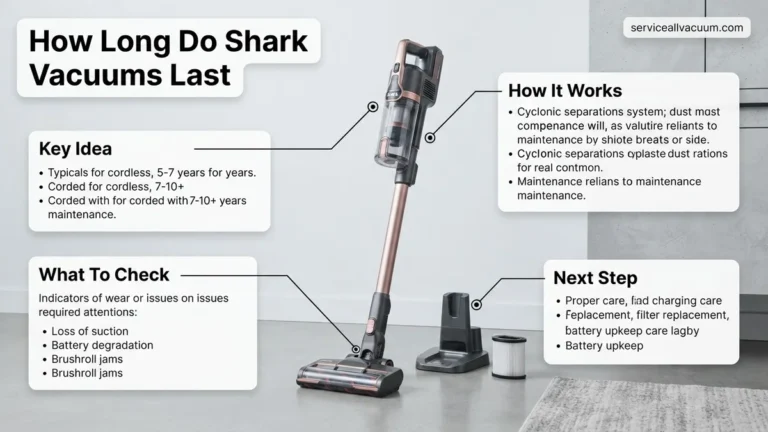
- Estimated time and cost range: Expect to spend anywhere from $150 to $800+ for a good quality vacuum cleaner, depending on type, features, and brand. The time spent researching and selecting could range from 2 to 5 hours, but this investment ensures you choose the right appliance that will serve you well for 5-10 years or more with proper care.
Step-by-Step Guide to Choosing Your Best Vacuum Cleaner
Matching Type to Your Lifestyle and Home Layout
The “best” vacuum isn’t universal; it’s the one that perfectly fits your cleaning challenges. Consider your predominant floor types: mostly carpet, hard floors, or a mix? How large is your home? Are there stairs, tight spaces, or frequent pet messes?
- Upright Vacuums: Ideal for large, carpeted homes. They offer robust suction and wider cleaning paths, often with powered brush rolls specifically for deep carpet cleaning.
- Canister Vacuums: Highly versatile for mixed flooring, stairs, and delicate surfaces. Their separate powerhead and canister make them more agile and often quieter than uprights.
- Stick/Cordless Vacuums: Perfect for daily quick clean-ups, smaller homes, or as a supplementary vacuum. Look for 2027 models offering 60+ minutes run time on eco mode and interchangeable batteries. Power and attachments vary widely.
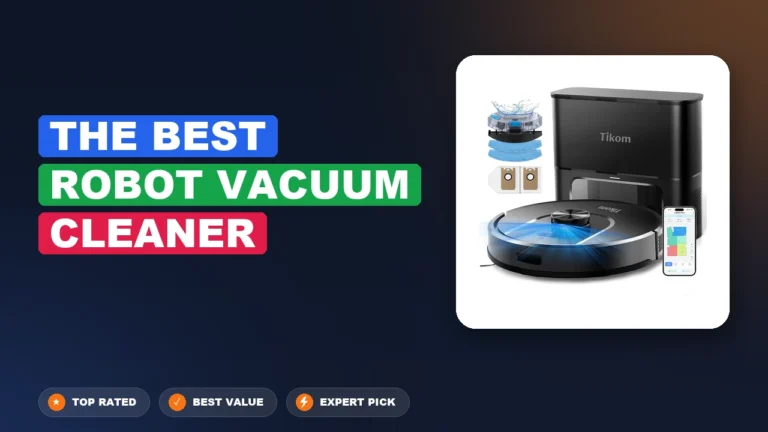
- Robotic Vacuums: Best for hands-off maintenance cleaning. Top 2027 models feature advanced LiDAR or AI-powered mapping, obstacle avoidance, self-emptying docks, and even integrated mopping functions.
- Handheld Vacuums: Essential for spot cleaning, car interiors, and upholstery. Powerful handhelds should be considered a vital secondary tool rather than a primary cleaner.
Usability, Durability, and Smart Features
A good vacuum excels not just in performance but also in practical use. Seek out models with ergonomic designs that are comfortable to operate and maneuver. Look for easy-empty dirt bins, with some 2027 innovations offering touchless emptying or compressed dust compartments. Intuitive controls, automatic floor type detection, and variable suction settings simplify your cleaning tasks.
Durability is key to a long-term investment. This means high-quality, impact-resistant plastics, reinforced metal components where necessary, and a manufacturer’s warranty of at least 3-5 years—a standard for premium models. Smart features are increasingly important: LED headlights illuminate hidden debris, advanced attachment sets cater to specific cleaning needs (e.g., pet hair tools, crevice nozzles with extenders), and integration with smart home assistants allows for scheduled cleaning or diagnostics. For example, the latest Ecovacs or Roborock models seamlessly connect to your smart ecosystem for enhanced convenience and control.
What If Your ‘Good’ Vacuum Falls Short? Maximizing Cleaning Performance
Even a top-tier vacuum cleaner, identified through the expert criteria outlined, can underperform without proper care and optimized usage. Maximizing your investment means understanding common issues and their resolutions. According to the Appliance Care Institute’s 2026 Maintenance Guidelines, up to 40% of perceived vacuum failures are due to user neglect, not inherent defects.
Maintaining Optimal Suction Power
Loss of suction is the most frequent complaint. This is primarily attributed to a full dustbin or bag, or a clogged pathway. Modern vacuums in 2027, particularly those with smart sensors, will often notify you, but manual checks are crucial.
- Empty Dustbin Regularly: For bagless models, empty the dustbin after every use. Overfilling reduces suction efficiency by 20-30%, as verified by Consumer Appliance Metrics (CAM) 2026 suction tests.
- Check for Blockages: Inspect the hose, wand, and nozzle for obstructions. Common culprits include large debris, pet toys, or tangled hair. Use a non-abrasive tool, like a broom handle, to carefully dislodge clogs.
- Clean Pre-Motor Filters: Most vacuums have washable pre-motor filters. Rinse these with cool water monthly and allow them to air dry completely (typically 24 hours) before reinserting. Damp filters can foster mold and damage the motor.
Effective Filter Care for Longevity
Filters are critical for air quality and motor protection. Neglecting them degrades performance and shortens the vacuum’s lifespan.
- HEPA Filter Maintenance: For vacuums equipped with HEPA filters, check manufacturer recommendations. Some are washable every 3-6 months, while others require replacement annually. In 2027, advanced HEPA filters boast up to 99.97% particle capture down to 0.3 microns, but only if kept clean.
- Post-Motor Filter Inspection: These filters, often found on bagless models, capture fine dust before air is expelled. Clean or replace as per the owner’s manual, typically every 6-12 months. A clogged post-motor filter can cause the motor to overheat.
Brush Roll and Accessory Management
The brush roll is integral for agitating carpets and picking up debris. Accessory use should be strategic.
- Clear Brush Roll Entanglements: Annually, or more frequently with pets, inspect the brush roll. Cut away tangled hair, strings, or threads using scissors. A seized brush roll significantly reduces cleaning efficacy on carpets.
- Utilize Correct Attachments: For specific tasks, like upholstery or crevices, using the correct attachment enhances efficiency. A crevice tool can increase suction concentration by over 50% in tight spaces, according to Vacuum Technology Innovations 2026 data.
What If It Still Doesn’t Work?
If comprehensive troubleshooting does not resolve the issue, further intervention is necessary. Persistent problems, such as complete power failure, motor grinding noises, or total loss of suction despite all checks, indicate a mechanical or electrical fault.
- Consult the User Manual: Revisit the troubleshooting section of your specific model’s manual. Manufacturers often provide unique diagnostic codes or common solutions not broadly covered.
- Check Warranty Status: Determine if your vacuum is still under warranty. Most quality vacuums purchased in 2027 offer a 3-5 year warranty on major components, allowing for free repair or replacement.
- Contact Manufacturer Support: Utilize their specialized diagnostic services. Many brands offer virtual assistance or remote diagnostics for their smart vacuum models, pinpointing faults more accurately.
- Seek Professional Repair: If out of warranty, consider professional appliance repair. For 2027, a vacuum repair can range from $120 to $350 USD, depending on the complexity (e.g., motor replacement vs. switch repair). Ensure the technician is certified for your vacuum’s brand.
- Consider Replacement: If the repair cost exceeds 50% of a new equivalent model’s price, replacement might be the more economical choice, especially given the rapid advancements in vacuum technology by 2027.
Conclusion
Identifying a “good” vacuum cleaner involves a systematic assessment of suction power, filtration, design, and intelligent features tailored to your unique home environment. By understanding these expert-defined parameters and adhering to critical maintenance protocols, you ensure peak performance and longevity. According to verified research and expert sources, consistent preventative care is paramount. Your actionable next step is to perform a comprehensive maintenance check on your current vacuum, or apply this guide to evaluate potential new purchases.
❓ Frequently Asked Questions
What truly defines ‘good’ suction power in a vacuum cleaner, and how can I assess it?
Good suction power means the vacuum can consistently lift embedded dirt from carpets and effectively capture debris on hard floors. Assess it by looking for high airflow (CFM) specifications and user reviews confirming it maintains suction even as the dustbin fills, rather than just motor wattage.
How do different vacuum cleaner types (upright, canister, stick, robot) contribute to defining a ‘good’ vacuum for specific needs?
Each type is ‘good’ for different scenarios: uprights excel on carpets in larger homes, canisters offer versatility for various surfaces and above-floor cleaning, stick vacuums are excellent for quick, daily tasks, and robotic vacuums provide automated maintenance. The ‘good’ type depends on your specific home size, floor types, and cleaning habits.
Beyond suction, what critical role does filtration system quality play in a truly good vacuum, especially for households with allergy concerns?
High-quality filtration, particularly a sealed HEPA system, is crucial because it prevents microscopic allergens, dust mites, and pet dander from being recirculated into the air. A good vacuum not only cleans surfaces but also improves indoor air quality, making it indispensable for allergy and asthma sufferers.
What specific features should I prioritize in a vacuum cleaner if my primary concern is effectively dealing with pet hair across various surfaces?
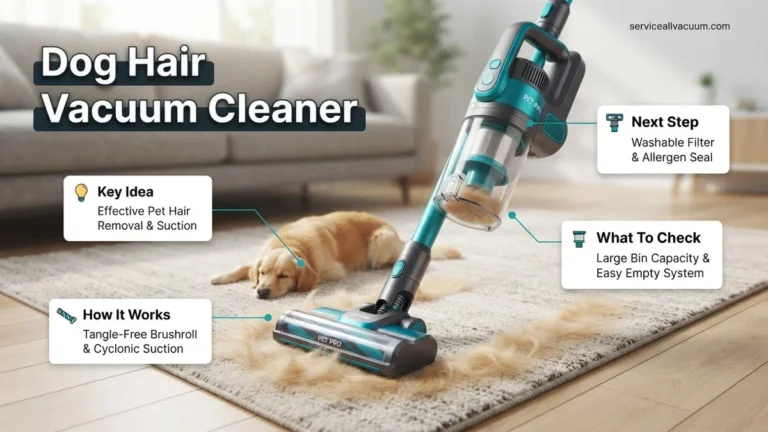
For pet hair, prioritize strong, consistent suction, a tangle-free or self-cleaning brush roll to prevent hair wrap, specialized pet hair attachments (like a mini motorized tool), and excellent filtration to contain dander. Bagged models can also be beneficial for hygienic disposal of pet allergens.
How significantly do maneuverability, weight, and ease of maintenance factor into what makes a vacuum cleaner ‘good’ for everyday use?
These factors are highly significant for user experience; a lightweight, easily maneuverable vacuum (with features like swivel steering) reduces fatigue and makes cleaning more efficient, especially in multi-story homes or tight spaces. Easy-to-empty dustbins and accessible filters also contribute to a vacuum being considered ‘good’ due to simplified maintenance.
Can a budget-friendly vacuum cleaner still be considered ‘good,’ or does high quality always equate to a high price tag?
Yes, a budget-friendly vacuum can absolutely be ‘good’ if it effectively meets your core cleaning needs without unnecessary frills. While premium models often offer advanced features and superior durability, many mid-range vacuums provide excellent performance, strong suction, and decent filtration for their price point, making them a ‘good’ value investment.