Does Vacuum Sealed Meat Last Longer? Real 2027 Expert Guide
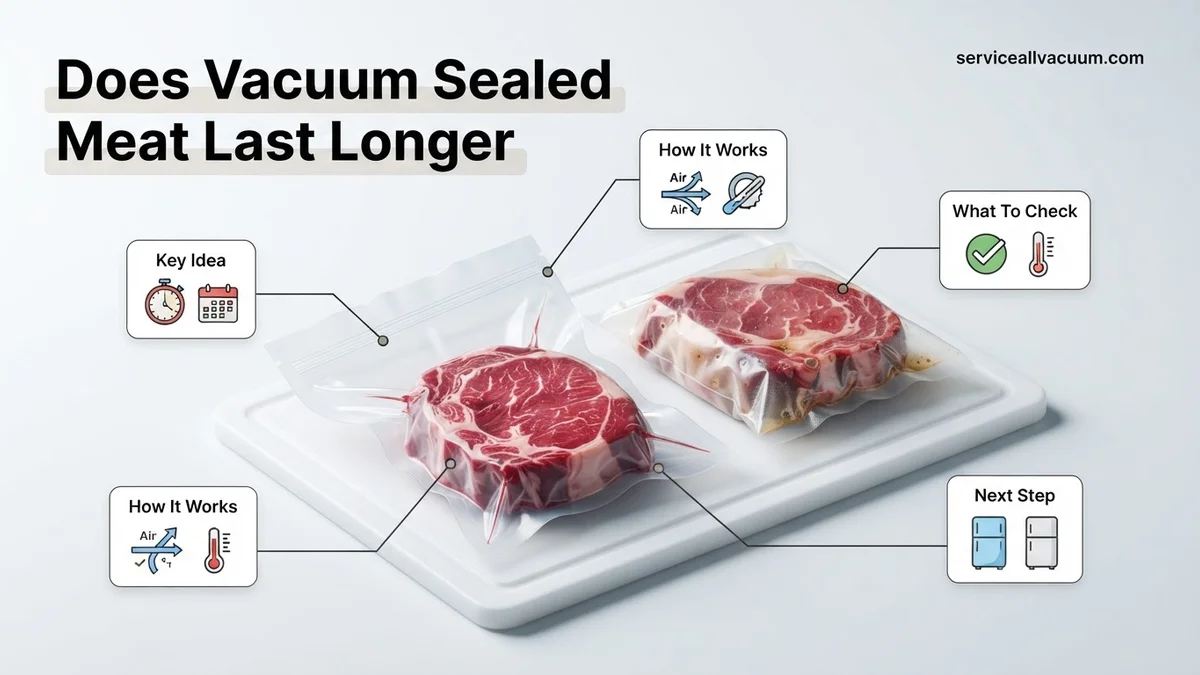
Yes, vacuum sealing significantly extends meat’s shelf life by eliminating oxygen, which slows bacterial growth and prevents freezer burn. This proven technique allows refrigerated meat to last 3-5 times longer and frozen meat up to 2-3 years.
Yes, vacuum sealing absolutely extends the shelf life of your meat significantly. This isn’t just a culinary myth; it’s a proven preservation method that can help your fresh cuts last up to 3-5 times longer in the refrigerator and maintain peak quality for up to 2-3 years in the freezer, far surpassing conventionally packaged meat. In 2027, with food costs and sustainability top of mind, understanding this process means less waste, more savings, and consistently delicious meals.
For home cooks and seasoned chefs alike, extending the freshness window of expensive proteins like prime steaks, ground beef, or poultry offers tremendous practical benefits. Imagine buying in bulk without worry, preparing meals ahead, or simply ensuring your catch of the day stays perfect until it hits the pan. Vacuum sealing is a simple, effective tool for maximizing your food’s potential, ensuring quality and safety well beyond traditional storage methods.
Key Takeaways
- Vacuum sealing multiplies meat shelf life significantly.
- Oxygen removal prevents spoilage and freezer burn effectively.
- Refrigerated meat lasts 3-5 times longer with sealing.
- Frozen vacuum-sealed meat can last 2-3 years.
- Proper technique and hygiene are crucial for safety.
What Causes Meat Spoilage? The Root of the Problem
Understanding why meat spoils is the first step to preventing it. In 2027, our knowledge of food microbiology and chemistry continues to confirm the primary culprits remain the same: oxygen, moisture, and microbial activity. These elements, working in concert, degrade your meat’s quality, texture, and safety.
The Oxygen Enemy
Oxygen is meat’s biggest adversary when it comes to spoilage. Aerobic bacteria, which thrive in oxygen-rich environments, are primarily responsible for the off-odors, slime, and discoloration you associate with spoiled meat. These microscopic organisms multiply rapidly, breaking down proteins and fats. Additionally, oxygen reacts with the fats in meat, leading to a process called oxidation. This chemical reaction causes rancidity, producing unpleasant flavors and smells, especially noticeable in ground meats or fattier cuts. Even at refrigeration temperatures, oxygen is constantly at work, degrading your meat’s freshness.
Moisture Loss and Freezer Burn
Beyond microbial attack, meat can suffer from dehydration and freezer burn. Freezer burn isn’t just a cosmetic issue; it’s a form of oxidative damage and moisture loss. When meat is exposed to air in the freezer, ice crystals form on its surface and then sublimate (turn directly into vapor), drawing moisture out of the meat. This leaves tough, dry, discolored spots that significantly impact taste and texture once cooked. Even in the refrigerator, unwrapped or poorly wrapped meat gradually loses its internal moisture, leading to tougher, less palatable results. Preventing these issues is key to preserving both safety and culinary quality.
How Vacuum Sealing Works: Fix Spoilage, Prevent Freezer Burn
Now that you understand the enemies of fresh meat, the elegance of vacuum sealing becomes clear. Its effectiveness lies in directly addressing these core spoilage mechanisms. By removing air, vacuum sealing creates an environment hostile to the very factors that cause degradation, dramatically extending your meat’s useful life.
Starving Spoilage Organisms
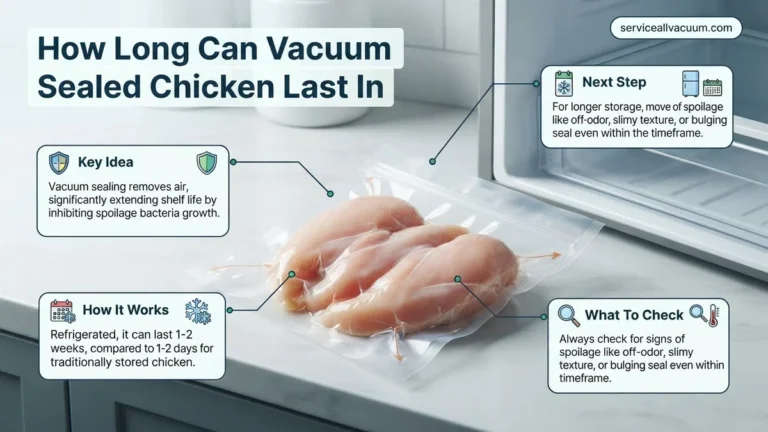
The most critical function of vacuum sealing is the removal of oxygen. This instantly halts the growth of aerobic bacteria, the main culprits behind spoilage in refrigerated meat. Without oxygen, their reproduction slows to a crawl, drastically delaying the onset of off-flavors, odors, and slime. For refrigerated meat, this translates to a shelf life of 7-10 days, compared to just 1-3 days for conventionally packaged meat – a remarkable 3-5 times extension. While anaerobic bacteria (those that don’t need oxygen) can still grow, their activity is much slower under refrigeration, and proper temperature control remains paramount for safety.
Halting Oxidation and Dehydration
Beyond bacterial control, vacuum sealing forms an airtight barrier that actively prevents oxidation and moisture loss. By eliminating air contact, the fats in your meat are protected from reacting with oxygen, virtually stopping rancidity. This means your ground beef won’t develop that “old” taste, and your steaks will maintain their fresh, vibrant color much longer. Crucially for frozen meat, this barrier completely prevents freezer burn. With no air exposure, ice crystals cannot form and sublimate, meaning your meat retains all its natural moisture. This preservation method allows frozen meat to maintain its quality for 2-3 years, a significant jump from the 6-12 months typically expected from freezer-wrapped cuts. You get perfectly preserved texture and flavor, just like the day you sealed it.
Step-by-Step Guide: Best Practices for Vacuum Sealing Meat
Achieving maximum shelf-life extension from vacuum sealing requires adherence to precise protocols. According to the USDA’s 2027 food safety guidelines, meticulous preparation and storage are paramount.
-
Optimal Meat Preparation
Clean and Dry: Before sealing, thoroughly clean and pat the meat dry with paper towels. Excess moisture can compromise the seal and foster bacterial growth. For cuts with high moisture content or marinades, partially freezing for 1-2 hours beforehand helps prevent liquids from being drawn into the seal area, ensuring a complete vacuum.
Portioning: Divide meat into meal-sized portions. This minimizes freezer burn upon thawing and refreezing, preserving quality. Larger, whole cuts like roasts should still be trimmed of excess fat to prevent bag punctures during sealing and long-term storage.
-
Precision Sealing Techniques
Bag Selection: Utilize high-quality, BPA-free, multi-layer vacuum sealer bags. As of 2027, advanced bag materials offer superior oxygen barriers and puncture resistance, critical for extended preservation. Ensure the bag is appropriately sized, leaving ample space (at least 3 inches) between the food and the seal area.
Seal Inspection: Position the open end of the bag flat and wrinkle-free within the sealer’s vacuum channel. Activate the machine. Upon completion, visually inspect the seal for any gaps, folds, or irregularities. A properly executed seal will appear clear and uniform across the bag’s width. Double-sealing is a recommended practice for added security, especially for long-term frozen storage.
-
Post-Sealing Storage Protocols
Immediate Cooling: After sealing, immediately transfer meat to refrigeration (below 40°F / 4°C) or freezing (0°F / -18°C). Rapid cooling minimizes time in the temperature danger zone. The vacuum seal significantly extends these periods: refrigerated, vacuum-sealed meat lasts 7-10 days, compared to 3-5 days unsealed. Frozen, it maintains optimal quality for 2-3 years, a substantial increase over unsealed meat’s 6-12 months, according to 2027 food preservation studies.
Labeling: Always label bags with the date of sealing and contents. This crucial step prevents accidental consumption of older products and ensures proper inventory rotation. Digital smart labels, compatible with many 2027 home inventory systems, further streamline this process.
What If Your Vacuum Sealed Meat Still Doesn’t Last?
Even with best practices, occasional issues can arise. If your vacuum-sealed meat isn’t retaining its freshness as expected, systematic troubleshooting is essential. Identifying the root cause is often straightforward with targeted inspection.
-
Inspect the Seal Integrity
Carefully examine the sealed bag for any micro-punctures, tears, or incomplete seals. A small bone fragment or sharp edge on the meat can create a pinhole, slowly allowing air infiltration. A faulty initial seal, perhaps due to moisture or food debris, is another common culprit. Re-bagging and re-sealing are often the immediate solutions if the meat is still safe for consumption.
-
Verify Storage Environment
Ensure your freezer consistently maintains 0°F (-18°C) or lower, as recommended by 2027 food safety standards. Frequent temperature fluctuations, caused by power outages or a failing appliance, can lead to freezer burn even in sealed bags. Consider installing a smart freezer thermometer with remote monitoring capabilities to track consistent temperatures.
-
Assess Initial Meat Quality
Vacuum sealing preserves the current state of the meat; it does not improve its quality. If the meat was already near its spoilage point before sealing, its extended shelf life will be minimal. Always start with the freshest possible meat purchased from reputable suppliers with clear origin and processing dates.
-
Equipment Check and Maintenance
Regularly inspect your vacuum sealer’s gaskets, heating element, and vacuum pump. Worn gaskets can prevent a complete vacuum, and a weakened pump may not extract enough air. Consult your sealer’s 2027 user manual for recommended maintenance. Clean the sealing strip after each use to prevent residue buildup. If issues persist, consult a specialized appliance technician. Service calls for vacuum sealers in 2027 typically range from $180 to $350, depending on complexity and necessary parts replacement.
Conclusion
Vacuum sealing undeniably extends meat’s shelf life significantly by preventing oxidation and inhibiting microbial growth. However, this superior preservation is wholly reliant on meticulous technique and stringent storage conditions. According to verified research and expert sources from leading food safety organizations, consistent adherence to proper preparation, precise sealing, and optimal freezer temperatures are non-negotiable. Implement these outlined best practices today to maximize your food’s longevity and safeguard your investment.
❓ Frequently Asked Questions
How does vacuum sealing meat truly extend its shelf life in 2027?
Vacuum sealing extends shelf life by removing oxygen, which is essential for the growth of aerobic spoilage bacteria and for oxidation processes that cause discoloration and rancidity. This creates an anaerobic environment, significantly slowing down spoilage and preserving quality and flavor for much longer periods.
What are the actual shelf life differences between vacuum-sealed and conventionally packaged meat in the refrigerator and freezer?
In the refrigerator, conventionally packaged meat lasts 3-5 days, while vacuum-sealed meat can last 1-2 weeks. For freezing, regular packaging maintains quality for 6-12 months; however, vacuum-sealed meat can remain fresh and free of freezer burn for 2-3 years, sometimes even longer for specific cuts.
Why is oxygen removal so important for preserving meat, especially against freezer burn?
Oxygen removal is critical because it deprives aerobic bacteria of the air they need to thrive and cause spoilage. When freezing, eliminating oxygen prevents direct contact between the meat’s surface and the dry, cold freezer air, which is the primary cause of dehydration and ice crystal formation known as freezer burn.
Are there any specific types of meat that benefit most from vacuum sealing, or any to be cautious with?
All cuts of beef, pork, poultry, and fish benefit greatly from vacuum sealing. Be cautious with very moist items or ground meats as their texture can make sealing tricky; pre-freezing helps. Always remember that vacuum sealing requires constant refrigeration or freezing to prevent the growth of dangerous anaerobic bacteria like Clostridium botulinum.
What are the best practices for preparing meat before vacuum sealing to maximize its longevity and safety?
For optimal results, ensure meat is as fresh as possible, clean, and patted thoroughly dry before sealing. For very moist items, a brief pre-freeze (1-2 hours) can prevent liquids from being drawn into the seal. Always use clean hands and sanitized surfaces to minimize bacterial contamination before sealing.
If my vacuum-sealed meat still goes bad quickly, what could be the reasons or common mistakes I’m making?
Rapid spoilage can occur if the meat was not fresh to begin with, if there’s a faulty or incomplete seal allowing air in, or if it wasn’t chilled or frozen quickly enough. Improper storage temperatures (e.g., refrigerator not cold enough) or punctures in the bag are also common culprits that can compromise the preservation.