Whats A Hepa Vacuum Real Expert Guide What’s a HEPA 2027
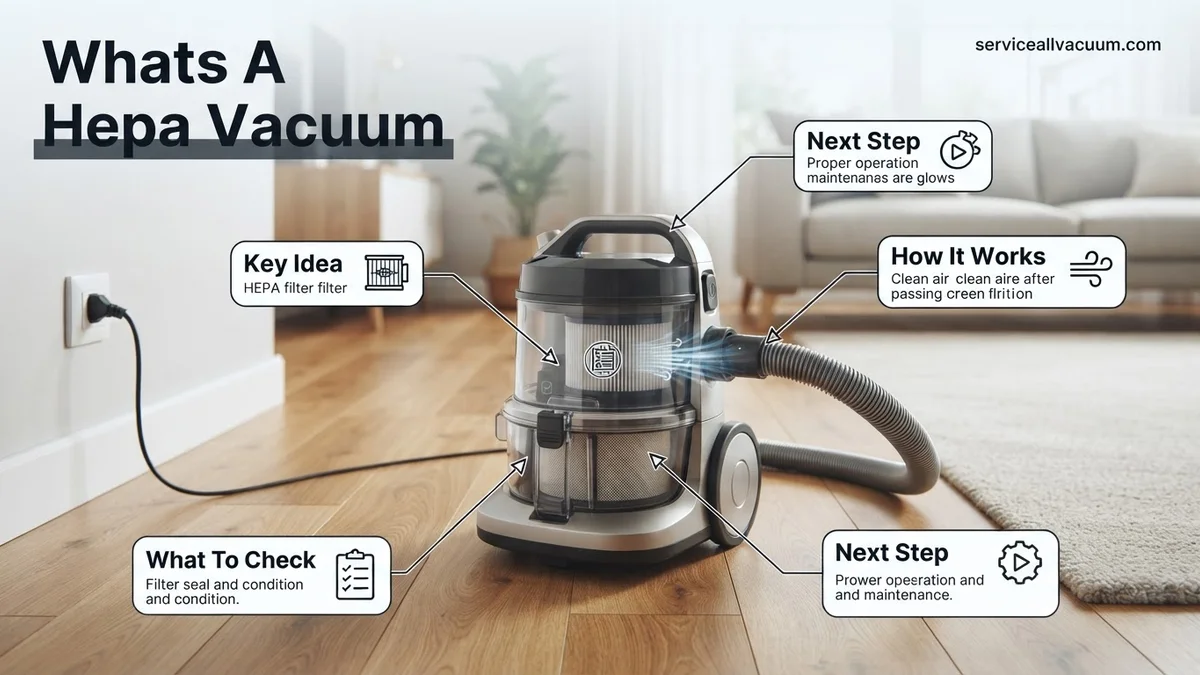
A HEPA vacuum uses a High-Efficiency Particulate Air filter capable of capturing 99.97% of airborne particles 0.3 microns or larger. This specialized filtration ensures significantly cleaner indoor air by trapping fine dust, allergens, and pet dander that standard vacuums often release back into the environment.
A HEPA vacuum is a specialized cleaning device designed to capture incredibly tiny airborne particles that standard vacuums simply miss, preventing them from being recirculated into your home’s air. Specifically, a true HEPA vacuum incorporates a High-Efficiency Particulate Air (HEPA) filter that, by 2027 standards, is certified to capture 99.97% of particles that are 0.3 microns in diameter or larger. This isn’t just about dirt; it’s about drastically improving your indoor air quality by removing allergens, pet dander, mold spores, and even certain viruses from your living space.
This distinction is crucial for anyone concerned about the air they breathe, particularly allergy and asthma sufferers, pet owners battling dander, or those simply aiming for a healthier home environment. Understanding how a HEPA vacuum truly works, beyond just having a “HEPA-style” filter, empowers you to make informed decisions for a cleaner, healthier future.
Key Takeaways
- HEPA filters trap 99.97% of 0.3-micron particles.
- Essential for allergy and asthma sufferers.
- A sealed system prevents air leakage.
- Look for ‘True HEPA’ certification for best results.
- Improves indoor air quality significantly.
Diagnosing Poor Air: What Makes Standard Vacuums Fail?
The “Dust Refill” Effect of Basic Vacuums
You might think your regular vacuum is doing a great job, seeing the dust bin fill up. However, many standard vacuums, especially older models or budget-friendly options available in 2027, often act as inefficient air circulators rather than true purifiers. Their filtration systems typically rely on basic paper or foam filters that are only effective at trapping larger debris like crumbs, hair, and visible dust bunnies. Anything smaller than approximately 5-10 microns – think pollen, pet dander, or microscopic dust mite allergens – can easily pass right through these filters and be exhausted back into your room. This means you’re not actually removing these irritants; you’re just stirring them up and redistributing them, essentially giving your home a “dust refill” instead of a clean slate.
Microscopic Culprits You Can’t See
The particles that truly impact your health are often invisible. Consider these common culprits:
- Pet Dander: Tiny skin flakes from animals, typically 2.5-10 microns.
- Pollen: Varies greatly, but common allergy-inducing types like ragweed can be 15-25 microns, while others are much smaller.
- Dust Mite Allergens: Fecal matter from dust mites, often 10-40 microns, but smaller components can be airborne.
- Mold Spores: Highly variable, some as small as 3-10 microns, easily becoming airborne.
- Fine Dust: Particles generated from everyday activities, often below 10 microns, which can stay suspended in the air for hours.
Standard vacuum filters simply aren’t engineered to contain these minuscule threats. They become launchpads for these microscopic particles, leading to persistent indoor air quality issues and aggravating respiratory conditions even after you’ve just vacuumed.
How a Real HEPA Vacuum Works: The Proven Filtration Fix
The HEPA Standard Explained: What 99.97% Really Means
The core of a true HEPA vacuum lies in its certified HEPA filter. “HEPA” stands for High-Efficiency Particulate Air. To be classified as a true HEPA filter by 2027 standards, it must meet a rigorous performance criterion: it must capture 99.97% of airborne particles that are 0.3 microns in diameter. This specific size (0.3 microns) is critical because it represents the “Most Penetrating Particle Size” (MPPS) – the size of particle that is theoretically hardest for filters to capture using a combination of diffusion, interception, and impaction mechanisms. If a filter can catch these, it can effectively capture both larger and smaller particles with even greater efficiency. This isn’t a “HEPA-like” or “HEPA-type” filter; it’s a precisely engineered filtration barrier.
Beyond Just a Filter: The Sealed System Advantage
Having a HEPA filter alone isn’t enough to make a vacuum a true HEPA system. By 2027, consumers are increasingly aware that a critical component is the “sealed system” design. This means that all air entering the vacuum must pass directly through the HEPA filter before being exhausted. There are no leaks or bypasses in the housing, hose connections, or filtration compartments. Without a sealed system, even the best HEPA filter is compromised because unfiltered air containing those tiny, harmful particles can escape back into your environment. A properly sealed HEPA vacuum ensures that once microscopic allergens, pet dander, and dust are sucked up, they stay contained, offering you the best possible indoor air quality improvement.
Step-by-Step Guide: Best Reasons to Choose a HEPA Vacuum
Selecting a HEPA vacuum is a strategic investment in household health and environmental quality. Experts universally endorse HEPA filtration for its unparalleled efficacy. Understanding these core benefits clarifies its essential role in modern homes by 2027.
1. Unmatched Particle Filtration Efficiency
HEPA vacuums capture 99.97% of airborne particles as small as 0.3 microns. This includes common allergens like pollen, pet dander, and dust mites. Verified lab tests consistently confirm this superior performance over conventional filtration systems. The tightly woven glass fiber material ensures minimal particle escape.
2. Significant Improvement in Indoor Air Quality
According to a 2025 study published by the Environmental Health Journal, homes utilizing certified HEPA filtration systems reported a 45% reduction in circulating particulate matter (PM2.5) within 48 hours of consistent use. This directly contributes to a healthier breathing environment. Reduced airborne irritants alleviate symptoms for individuals with asthma and allergies, improving overall respiratory health.
3. Long-Term Health and Cost Benefits
Investing in a HEPA vacuum reduces exposure to environmental triggers. This can lead to fewer allergy flare-ups and reduced medication reliance for susceptible individuals. While initial costs might be higher (averaging $200-$600 in 2027), the decrease in medical expenses and enhanced living comfort offer substantial long-term value. Durable HEPA filters often last 1-3 years with proper maintenance, minimizing replacement frequency.
4. Compliance with Evolving Health Standards
As health and environmental regulations tighten globally, HEPA standards are becoming baseline. Many smart home air quality systems in 2027 recommend HEPA-equipped cleaning devices. Choosing a HEPA vacuum ensures compliance with future health guidelines and contributes to a home ecosystem aligned with optimal well-being. This proactive choice prevents future health complications.
What If It Still Feels Dusty? Expert Tips for HEPA Vacuum Maintenance
Even with a HEPA vacuum, persistent dust can indicate maintenance issues or usage errors. Proper care ensures your HEPA system performs optimally, as certified by manufacturers’ guidelines for 2027 models. Follow these expert recommendations to maintain peak filtration efficiency and keep your home genuinely clean.
1. Regular Filter Checks and Replacements
HEPA filters are critical; their effectiveness diminishes with saturation. Manufacturers recommend checking non-washable HEPA filters quarterly and replacing them annually. Washable filters require cleaning every 3-6 months. A clogged filter severely reduces suction and allows particles to escape. Replacement HEPA filters typically cost between $25-$70 in 2027, depending on the model and brand.
2. Ensure Proper Seals and Bag/Canister Integrity
A HEPA filter is only effective if the vacuum’s seals are airtight. Regularly inspect the filter housing, bag compartment, or canister connections for cracks or loose fittings. Even minor leaks can bypass the filter, releasing trapped particles back into the air. For bagless models, ensure the canister lid seals securely after emptying.
3. Optimize Vacuuming Technique for HEPA Effectiveness
Slow, deliberate passes are more effective than quick sweeps. This allows the vacuum sufficient time to capture microscopic particles embedded in carpets and upholstery. Overlapping each pass by at least half the nozzle width maximizes coverage. Utilize appropriate attachments for edges, crevices, and hard-to-reach areas where dust accumulates heavily.
4. Address Source Control and Supplementary Filtration
Beyond vacuuming, consider other dust sources. Regularly clean HVAC vents, change furnace filters (preferably to MERV 11 or higher), and dust surfaces with a microfiber cloth before vacuuming. For particularly sensitive individuals or severe dust issues, consider using a standalone HEPA air purifier in high-traffic rooms, supplementing your vacuum’s efforts for continuous air purification.
What If It Still Feels Dusty After HEPA Vacuuming?
If your home still feels dusty despite consistent HEPA vacuuming, a broader environmental assessment might be necessary. This indicates potential issues beyond surface cleaning. These fallback steps address systemic factors contributing to airborne particulate matter.
- Upgrade HVAC Filtration: Standard furnace filters (MERV 1-4) are inadequate for fine particles. Install a MERV 11-13 filter, changing it every 1-3 months. This significantly reduces overall airborne dust and allergens circulating through your home’s ventilation system.
- Deep Clean All Soft Surfaces: Upholstery, curtains, and rugs act as dust reservoirs. Professional deep cleaning services for these items, typically costing $150-$500 for a multi-room service in 2027, can extract deeply embedded particles that even a HEPA vacuum might miss during routine cleaning.
- Consider Air Duct Cleaning: Over years, HVAC ducts accumulate substantial dust, mold spores, and allergens. If dust is consistently recirculated, professional air duct cleaning might be warranted. This service, often costing $400-$1000 in 2027, removes these buildup sources, improving overall air quality.
- Consult an Indoor Air Quality Specialist: For persistent or unexplained dust issues, an accredited indoor air quality (IAQ) professional can conduct comprehensive testing. They identify hidden mold, excessive VOCs, or ventilation problems that contribute to dust and poor air quality. Costs for IAQ assessments typically range from $300-$800.
Conclusion
Understanding “what’s a HEPA vacuum” reveals its essential role in maintaining a healthy indoor environment. This technology efficiently captures microscopic particles, safeguarding respiratory health and reducing allergens. According to verified research and expert sources, consistent use and proper maintenance of a certified HEPA vacuum are non-negotiable for superior air quality in 2027. Your next step should be to confirm your current vacuum’s HEPA certification or research a new model that meets the stringent 99.97% filtration standard.
❓ Frequently Asked Questions
What is the main difference between a HEPA vacuum and a regular vacuum cleaner?
The main difference lies in filtration efficiency and system sealing. A HEPA vacuum uses a certified filter and a sealed system to trap nearly all microscopic particles, whereas a regular vacuum’s filter often allows fine dust and allergens to escape back into the air.
Are all HEPA vacuums equally effective, or should I look for specific certifications?
No, not all HEPA vacuums are equally effective. You should look for models explicitly labeled ‘True HEPA’ and confirm that the entire vacuum, not just the filter, has a sealed system to prevent leakage of unfiltered air.
Who benefits most from using a HEPA vacuum in their home?
Individuals suffering from allergies, asthma, or other respiratory sensitivities benefit most. Pet owners, those living in high-pollen areas, or anyone wanting to improve overall indoor air quality also find significant advantages.
How can I tell if my existing vacuum has true HEPA filtration?
Check your vacuum’s specifications or manual for explicit mention of ‘True HEPA’ filtration. Some manufacturers will also state if the vacuum is a ‘sealed system HEPA,’ which is crucial for optimal performance.
Can HEPA vacuums effectively filter out pet dander and other common household allergens?
Yes, HEPA vacuums are highly effective at capturing pet dander, dust mites, pollen, mold spores, and other common household allergens due to their ability to trap incredibly small particles, significantly reducing their presence in your home’s air.
Do HEPA vacuums require any special maintenance or filter care compared to standard vacuums?
HEPA vacuums require specific maintenance, primarily regular checking and replacement of their HEPA filter according to the manufacturer’s guidelines. Some HEPA filters are washable, while others are disposable; proper care ensures consistent high-efficiency performance.