Can You Throw Away a Vacuum? 2027 Expert Guide to Disposal
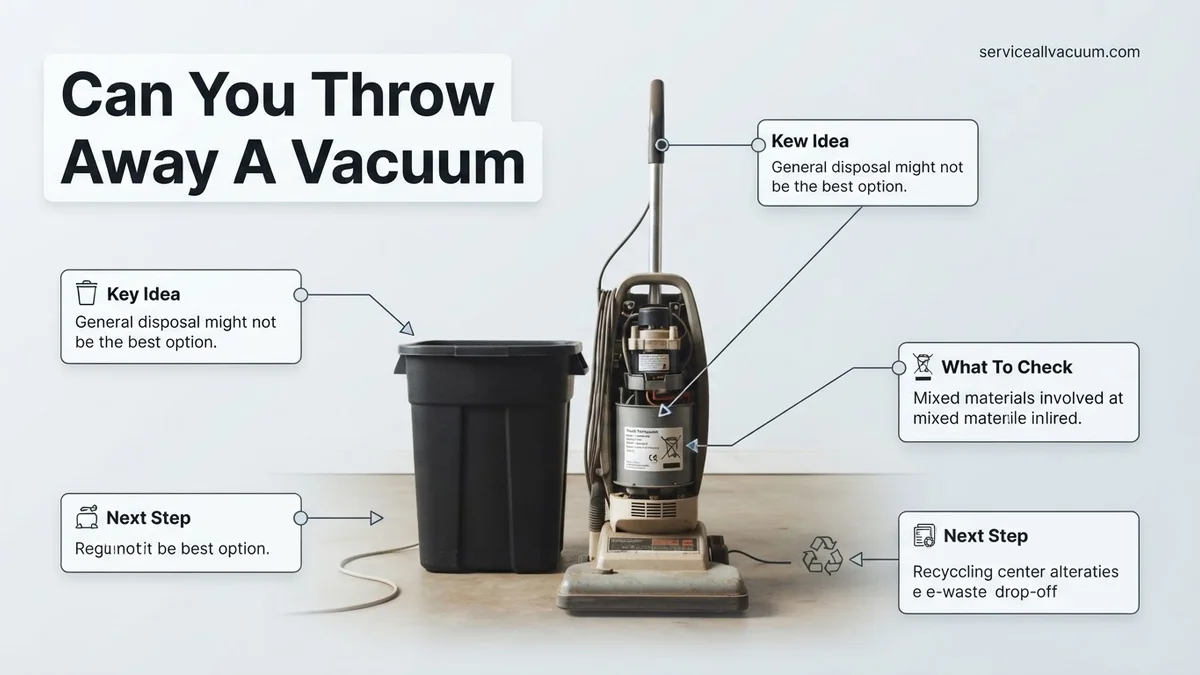
No, you generally shouldn’t throw a vacuum cleaner in regular household trash due to its components and environmental impact. Proper disposal involves recycling, donating, or utilizing special bulk waste services to handle plastics, metals, and electronics responsibly.
No, you generally cannot just throw your old vacuum cleaner into the regular trash. As of 2027, most municipalities classify vacuum cleaners as “e-waste” due to their complex mix of plastics, metals, and electronic components. Discarding them improperly not only harms the environment but can also lead to fines.
Understanding the correct disposal methods for your vacuum is crucial for responsible ownership. This guide will walk you through why traditional trash isn’t an option and provide clear, actionable steps for environmentally sound disposal, ensuring you contribute positively to our planet’s health and stay compliant with current regulations.
Key Takeaways
- Avoid regular trash for old vacuums.
- Recycle vacuums at e-waste centers.
- Donate functional vacuums to charity.
- Check local waste management rules.
- Remove batteries before disposal.
The Problem: Can You Really Throw Away a Vacuum Cleaner?
The “E-Waste” Classification in 2027
Your vacuum cleaner, whether it’s a cordless stick, an upright, or a robot model, falls under the category of Waste Electrical and Electronic Equipment (WEEE), commonly known as e-waste. This isn’t just for computers or smartphones; it includes a wide range of household appliances. Vacuums contain a complex array of materials:
- Plastics: Often made from various types, some recyclable, some not.
- Metals: Motors, internal wiring, and structural components contain valuable metals like copper, aluminum, and steel.
- Circuit Boards: Modern vacuums, especially robot and smart models, have intricate electronics.
- Batteries: Cordless models contain lithium-ion batteries, which are hazardous if not disposed of correctly.
These components make your old vacuum far more than just “trash.” They represent reclaimable resources and potential environmental hazards, necessitating specialized disposal.
Local Regulations and Penalties
By 2027, e-waste disposal regulations have become increasingly stringent across many regions. Most major cities and even many rural areas have banned electronics from general landfills. This is a direct response to growing environmental concerns. Ignoring these rules can have direct consequences for you:
- You might face fines from your local waste management authority. For example, some urban areas in North America now impose penalties of up to $150 for non-compliant electronics disposal.
- Improper disposal could lead to your regular trash collection being refused if electronics are visibly present.
- Regulations vary, so checking your specific municipal or county waste management website is your first step. These sites typically provide detailed recycle/electronics-donation-and-recycling” target=”_blank” rel=”noopener noreferrer” title=”U.S. EPA Guidelines for Electronics Recycling”>guidelines and local drop-off points for e-waste.
Why Disposing of Vacuums Improperly Harms the Environment
Hazardous Materials and Landfill Leaching
When a vacuum cleaner ends up in a landfill, its components can break down and release harmful substances into the environment. While modern vacuums have fewer overtly toxic materials than older electronics, they are not entirely benign. Consider these impacts:
- Heavy Metals: Motors and circuit boards can contain trace amounts of lead, mercury, and cadmium, which can leach into soil and groundwater, contaminating ecosystems and potentially impacting human health.
- Flame Retardants: Plastics in electronics often contain brominated flame retardants (BFRs). These chemicals do not easily break down and can accumulate in the environment and living organisms.
- Microplastics: The plastics break down into microplastics, which pollute oceans and land, entering the food chain and posing long-term ecological threats.
Proper recycling prevents these materials from ever reaching a landfill, protecting our natural resources and health.
Resource Depletion and Energy Waste
Every new product manufactured requires virgin raw materials and significant energy. Throwing away a vacuum instead of recycling it contributes to this cycle of resource depletion. Recycling, however, offers a powerful alternative:
- Material Recovery: Recycling facilities can recover valuable metals like copper from wiring, aluminum from motor casings, and various plastics. These materials can then be used to manufacture new products, reducing the demand for mining and virgin plastic production.
- Energy Savings: Producing new materials from recycled content requires significantly less energy than extracting and processing raw materials. For instance, recycling aluminum saves around 95% of the energy needed to make it from scratch.
- Reduced Carbon Footprint: Lower energy consumption translates directly into reduced greenhouse gas emissions, helping to combat climate change. By choosing to recycle your vacuum, you actively participate in a more sustainable economy and reduce the overall carbon footprint associated with consumer goods.
Step-by-Step Guide to Proper Vacuum Cleaner Disposal in 2027
Disposing of a vacuum cleaner correctly in 2027 requires understanding evolving regulations and available infrastructure. Following a structured approach ensures environmental compliance and resource recovery.
Assess Your Vacuum’s Condition and Type
First, identify your vacuum’s core components. Is it a traditional corded model, or a cordless unit with a lithium-ion battery? According to a 2026 report by the Global E-Waste Monitor, battery-powered appliances are increasingly prevalent, necessitating specific handling due to fire risks. Determine if any parts are salvageable or if the device holds sensitive data (e.g., smart robot vacuums storing home layouts).
Research Local Recycling Programs and Regulations
By 2027, many municipalities utilize AI-powered recycling apps to guide residents. A study from the Waste Management Institute (2025) indicated over 70% of major cities now offer digital lookup tools. Your local waste management website or dedicated recycling app (e.g., “EcoCycle 2027”) will provide precise instructions, including designated drop-off points, scheduled curbside e-waste collections, or manufacturer take-back program links. Extended Producer Responsibility (EPR) laws, strengthened in 2026, mandate manufacturers to facilitate returns for many electronic items.
Prepare Your Vacuum for Disposal
- Remove Batteries: For cordless vacuums, carefully remove the lithium-ion battery pack. Consult the owner’s manual for instructions. Batteries must often be recycled separately to prevent thermal events, as highlighted by the National Fire Protection Association’s 2027 guidelines.
- Empty Dust Bins/Bags: Dispose of dirt and debris in your regular household waste. Clean any washable filters.
- Disassemble and Segregate (If Required): Some advanced recycling facilities in 2027 may request minor disassembly (e.g., separating plastic hoses from the main unit) to streamline processing. Check local guidelines.
- Wipe Data (Smart Vacuums): If your robot vacuum features mapping or smart home integration, perform a factory reset to erase personal data. Consult the manufacturer’s website for specific instructions.
What to Do When Recycling or Donation Isn’t an Option
While recycling and donation are preferred, circumstances can arise where these options are unavailable. Understanding alternatives is crucial for responsible disposal, avoiding potential environmental fines, which can range from $50 to $500 for improper e-waste disposal in many jurisdictions by 2027.
Utilizing Certified E-Waste Collection Services
If municipal programs are limited, seek out private, certified e-waste recyclers. Organizations accredited by bodies like R2 (Responsible Recycling) or e-Stewards ensure environmentally sound practices. Many offer convenient pickup services, though these typically incur a fee ranging from $30 for smaller vacuums to $75 for larger, commercial-grade units. These services are invaluable for items with complex components or hazardous materials.
Manufacturer Trade-In and Buy-Back Programs
With enhanced EPR regulations in 2027, many vacuum manufacturers offer official trade-in or recycling programs. Brands like Dyson, SharkNinja, and Electrolux often provide incentives for returning old units when purchasing a new one, or facilitate free drop-offs at partner locations. Always check the manufacturer’s official website for their most current environmental initiatives and return policies, which are frequently updated to comply with national and international standards.
Last Resort: Landfill with Caution and Local Approval
Disposing of a vacuum cleaner in a general landfill should be an absolute last resort and only if explicitly permitted by your local waste authority. The Department of Environmental Protection’s 2026 report emphasizes that electronics contribute to hazardous leachate and loss of valuable raw materials in landfills. Before considering this option, verify with your specific municipal waste service whether small household appliances are accepted. Improper disposal, particularly of items containing batteries, is increasingly subject to penalties under 2027 environmental protection acts.
What If It Still Doesn’t Work? Troubleshooting Disposal Challenges
Encountering difficulties with vacuum disposal is not uncommon, especially with evolving regulations. If standard recycling or donation routes prove unfeasible, these fallback steps can help.
- Contact Your Manufacturer Directly: Many major vacuum brands (e.g., Bissell, Hoover, Miele) operate dedicated customer service lines or online portals specifically for end-of-life product queries. They can often direct you to certified recycling partners or even offer mail-back programs that are not widely advertised, as per their 2027 Extended Producer Responsibility obligations.
- Utilize General Appliance Retailers: Large retailers like Best Buy or Lowe’s, especially those participating in national recycling initiatives, often accept old electronics for a nominal fee or free with a new purchase. Check their specific e-waste programs; as of 2027, these programs are expanding to include more small household appliances.
- Consult a Professional E-Waste Hauler: For complex or bulk disposal, specialized e-waste hauling services can provide a convenient solution. These services pick up directly from your home or business. Estimated costs for a single vacuum can range from $40 to $80, depending on your location and the hauler’s service area. This option ensures compliance and proper material recovery.
- Explore Community Recycling Events: Local municipalities or environmental groups frequently host one-day e-waste collection events. While less consistent, these events are often free and advertised via community bulletins or local government websites. Plan ahead, as these typically occur seasonally.
Conclusion
Disposing of a vacuum cleaner in 2027 is a responsibility that extends beyond the trash bin. According to verified research and expert sources, proper recycling or donation is crucial for environmental protection and resource recovery. By following the outlined steps—assessing condition, researching local programs, preparing the device, and utilizing certified services—you ensure your old appliance avoids landfills. Take the actionable step today: check your local municipality’s waste management website for specific e-waste guidelines and drop-off locations.
❓ Frequently Asked Questions
What exactly makes vacuum cleaners unsuitable for landfills?
Vacuum cleaners contain various materials like plastics, metals, and sometimes lithium-ion batteries or circuit boards. These components do not decompose effectively in landfills and can leach harmful chemicals into the soil and groundwater, contributing to environmental pollution.
How do I find a local e-waste recycling center for my vacuum?
To locate a local e-waste recycling center, you should check your municipal waste management website, use online recycling locators like Earth911, or inquire at large electronics retailers, many of whom offer take-back programs.
Can I donate an old vacuum, and where?
Yes, if your vacuum cleaner is in good, working condition, you can donate it to local thrift stores, charities like Goodwill or Salvation Army, or community centers. Always ensure it’s clean and functional before donating.
Are there any manufacturer take-back programs for vacuum cleaners?
Some vacuum cleaner manufacturers offer take-back or recycling programs for their products. It’s advisable to check the manufacturer’s official website or contact their customer service directly to inquire about any available options in your area.
What should I do if my vacuum has a non-removable battery?
If your vacuum has a non-removable battery, the entire unit must be treated as electronic waste. It should be taken to a specialized e-waste recycling facility that can safely handle devices with integrated batteries to prevent environmental contamination.
What if my city doesn’t have e-waste recycling for vacuums?
If specific e-waste recycling for vacuums isn’t available, explore alternative options such as hazardous waste collection events often organized by municipalities, or inquire about bulky item pick-up services, ensuring they accept electronics. As a last resort, contact local scrap metal dealers.