How to Thaw Frozen Salmon Vacuum Sealed Best 2027
Improper thawing of vacuum-sealed frozen salmon poses significant food safety risks like botulism due to anaerobic conditions. This guide provides the safest and most effective step-by-step methods to thaw your salmon, ensuring both quality and safety before cooking.
Safely thawing frozen, vacuum-sealed salmon is a critical step for both delicious results and, more importantly, your health. Forget guesswork for your culinary adventures in 2027; understanding the correct methods prevents foodborne illnesses and preserves your fish’s quality. This guide cuts through the noise, providing precise, up-to-date instructions for defrosting your salmon when it’s still in its air-tight packaging.
The vacuum seal, while excellent for long-term preservation, introduces specific considerations during thawing that differ from unsealed frozen fish. Ignoring these can lead to risks you definitely want to avoid. We’ll focus on the safest and most effective approaches, ensuring your salmon is ready for cooking without compromise, maintaining its texture, flavor, and, above all, safety.
Key Takeaways
- Always thaw vacuum-sealed salmon safely.
- Refrigerator thawing is the safest method.
- Use cold water, changing it every 30 minutes.
- Break the vacuum seal for cold water thawing.
- Cook thawed salmon promptly to prevent spoilage.
What Are the Risks of Improperly Thawing Vacuum-Sealed Salmon?
The Hidden Danger: Botulism
The primary concern with improperly thawing vacuum-sealed salmon is the risk of botulism. Clostridium botulinum, a dangerous bacterium, thrives in anaerobic (oxygen-free) environments. Your vacuum-sealed salmon package creates exactly this condition. If you thaw the fish slowly at room temperature, any botulinum spores present can germinate and produce a potent toxin.
- Botulinum toxin can cause severe illness, including paralysis and even death.
- Unlike many spoilage bacteria, botulism toxin does not always produce noticeable off-odors or flavors.
- The risk is significantly heightened when vacuum-sealed products are left in the “danger zone” (40°F to 140°F or 4°C to 60°C) for extended periods during thawing.
Always prioritize methods that keep your salmon out of this temperature range as much as possible, even when sealed.
Quality Degradation and General Bacterial Growth
Beyond the specific threat of botulism, improper thawing methods can severely compromise your salmon’s overall quality and allow other spoilage bacteria to flourish. Thawing at room temperature encourages rapid growth of psychrophilic and mesophilic bacteria, leading to faster spoilage.
- The salmon’s delicate texture can become mushy or dry.
- Flavor can degrade, becoming “fishy” or off-tasting.
- Shortens the safe storage time post-thawing, meaning you need to cook it sooner.
A well-thawed fillet maintains its integrity, moisture, and deliciousness, providing a superior culinary experience in 2027.
From Start to Finish: Thawing Vacuum-Sealed Salmon Explained
Properly thawing frozen, vacuum-sealed salmon is crucial for both food safety and culinary excellence. Rushing the process or using incorrect methods can lead to bacterial growth, a rubbery texture, and a less-than-flavorful meal. This comprehensive guide will walk you through the safest and most effective techniques, ensuring your salmon retains its delicate texture and delicious taste every time.
Step 1: Inspecting Your Frozen Treasure
What you need: Your senses (sight, touch) and the frozen vacuum-sealed salmon package.
Instructions: Before you even think about thawing, give your salmon package a thorough visual inspection. Look for any tears, punctures, or compromises in the vacuum seal. Check for excessive ice crystals inside the packaging, which can indicate temperature fluctuations, or visible signs of freezer burn (dry, discolored spots). While minor freezer burn might be trimmed off, a severely compromised package could affect safety and quality.
Pro Tip: A compromised seal means the protective barrier is broken, potentially allowing air in and contaminants to reach the fish. If the seal is broken, always opt for refrigerator thawing to avoid direct water contact, or if heavily damaged, consider discarding for safety if quality is questionable.
Step 2: The Gentle Approach: Refrigerator Thawing
What you need: A refrigerator, a plate or shallow dish, and the vacuum-sealed salmon.
Instructions: This is the safest and most recommended method for thawing salmon, as it allows for a gradual temperature change that best preserves texture and flavor. Place the entire vacuum-sealed package of salmon on a plate or in a shallow dish to catch any potential condensation or drips. Position it on the lowest shelf of your refrigerator to prevent any cross-contamination with other foods. Allow approximately 12-24 hours per pound of salmon for it to fully thaw (e.g., a standard 6oz fillet might take 8-12 hours, a 1lb fillet 18-24 hours).
Pro Tip: Planning is key for this method. Start the thawing process at least a full day before you intend to cook, especially for thicker fillets or larger portions. Once thawed in the refrigerator, the salmon can safely remain there for up to 1-2 additional days before cooking.
Step 3: The Quicker Dip: Cold Water Thawing
What you need: A large bowl or a clean sink basin, a reliable source of cold tap water, and the vacuum-sealed salmon.
Instructions: For faster thawing, the cold water method is an excellent alternative. First, double-check that your vacuum-sealed package is absolutely intact and has no leaks. Submerge the sealed salmon in a large bowl or clean sink filled with cold tap water. The crucial step here is to change the water every 20-30 minutes to ensure it remains cold and facilitates efficient thawing. Do NOT use warm or hot water, as this can bring the fish into the “danger zone” for bacterial growth and begin to cook the outer layers. A typical 1lb portion of salmon will thaw in approximately 1-2 hours using this method.
Pro Tip: If you have any doubt about the integrity of the vacuum seal, place the original sealed package inside an additional heavy-duty Ziploc bag or similar watertight container before submerging it. This prevents water from seeping into the package and waterlogging the fish, which can negatively impact its texture and flavor.
Step 4: The “Never Do This”: Avoiding Room Temperature & Microwave
What you need: Just your awareness and a commitment to food safety best practices.
Instructions: It is critically important to never thaw frozen salmon (or any perishable food) on your kitchen counter at room temperature. This practice allows the outer layers of the fish to enter the “danger zone” (temperatures between 40°F and 140°F / 4°C and 60°C), where harmful bacteria can multiply rapidly, even while the center remains frozen. Similarly, while a microwave has a defrost setting, it’s generally not recommended for thawing salmon. Microwave thawing often results in uneven heating, partially cooking the thinner edges and yielding a rubbery, undesirable texture, while leaving thicker parts still frozen.
Pro Tip: Reserve microwave thawing only for absolute emergencies, and if used, ensure you cook the salmon immediately after thawing. Even then, be prepared for a significant compromise in the quality of the final dish compared to refrigerator or cold water thawing methods.
Step 5: Verifying Complete Thawing
What you need: Clean hands or a thin, non-sharp utensil.
Instructions: Once you believe your salmon is thawed, it’s essential to verify it before proceeding. Gently press the thickest part of the salmon fillet with your finger. It should feel uniformly pliable, soft, and yielding all the way through, with no hard or icy spots remaining. The color of the salmon might appear slightly darker or more vibrant than its frozen state, and it should have a fresh, mild, oceanic scent. There should be no signs of frost or stiffness in the center of the fillet.
Pro Tip: If you detect any resistance, hardness, or cold spots in the center, continue the thawing process for a bit longer using your chosen method (either back into the refrigerator or submerged in fresh cold water). Cooking partially frozen fish will result in unevenly cooked salmon, with some parts overdone and others undercooked.
Step 6: Post-Thaw Preparation: Unpackaging and Drying
What you need: Kitchen shears or a sharp knife, several sheets of paper towels, and a clean cutting board or plate.
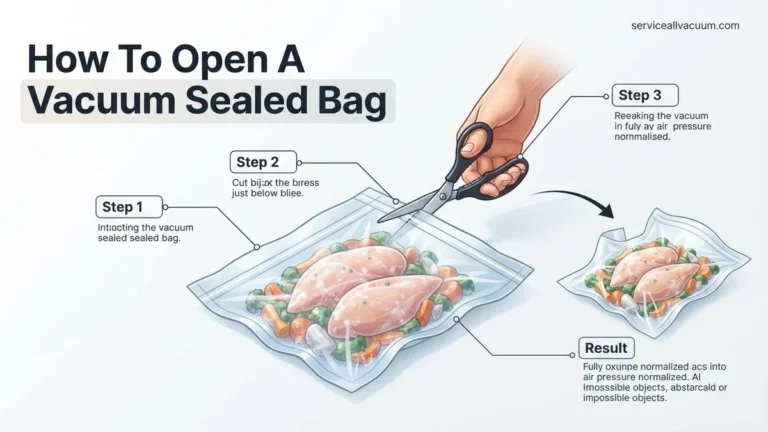
Instructions: Once fully thawed, carefully cut open the vacuum-sealed package. Be prepared for some accumulated liquid inside; this is normal. Remove the salmon fillet and place it onto several layers of clean paper towels. Gently but firmly pat both sides of the salmon thoroughly dry. You want to remove as much surface moisture as possible. Replace the paper towels if they become saturated and continue patting until the surface of the fish feels noticeably dry to the touch.
Pro Tip: This drying step is absolutely critical, especially if you plan to pan-sear or roast your salmon. Excess moisture on the surface will create steam when heated, preventing the salmon from achieving a beautiful, crispy skin and a golden-brown crust. A dry surface allows for proper caramelization and better texture.
Step 7: Immediate Action: Cooking or Storing
What you need: Your preferred cooking ingredients and utensils, OR an airtight container for temporary storage.
Instructions: For the absolute best quality, flavor, and texture, cook your thawed salmon immediately after drying. If immediate cooking isn’t possible, place the patted-dry salmon in an airtight container and refrigerate it. Salmon thawed in the refrigerator can be safely stored for an additional 1-2 days before cooking. Salmon thawed using the cold water method should ideally be cooked immediately and within 24 hours at the absolute maximum. Remember, it is generally unsafe to refreeze raw salmon that has been fully thawed unless it has been cooked first.
Pro Tip: Always cook salmon to an internal temperature of 145°F (63°C) for safety, checking with a food thermometer at the thickest part. Prioritize cooking salmon thawed by cold water as soon as possible, as it has been exposed to warmer temperatures for longer periods.
✅ Final Checklist
- Vacuum seal inspected for damage before thawing.
- Thawing conducted safely in the refrigerator or cold water (never at room temperature or hot water).
- Salmon is completely thawed, with no icy spots felt.
- Salmon package opened, and fish thoroughly patted dry with paper towels.
- Salmon cooked immediately or stored properly in the refrigerator for no more than 1-2 days.
Important Notes:
- Safety Considerations: Always wash your hands, cutting boards, and utensils thoroughly with hot, soapy water after handling raw salmon to prevent cross-contamination. Never leave thawed salmon out at room temperature.
- When to Seek Professional Help: If your salmon develops a strong, foul, or ammonia-like odor, appears slimy, or has an unnatural discoloration after thawing, it’s best to discard it. These are signs of spoilage, and no amount of cooking will make it safe to eat.
- Estimated Time and Cost Range: Thawing time ranges from 1 hour (cold water for small fillets) to 24+ hours (refrigerator for larger cuts). There is no direct cost associated with thawing, beyond the electricity for your refrigerator or water usage.
How to Safely Thaw Frozen Vacuum-Sealed Salmon: Step-by-Step Methods
Method 1: The Refrigerator Thaw (Safest, Recommended)
Thawing your vacuum-sealed salmon in the refrigerator is by far the safest and most recommended method. It keeps the fish consistently cold, preventing bacterial growth, including botulism, and maintains optimal quality. Keep the vacuum seal intact for this method; it helps prevent cross-contamination in your fridge.
- Prepare Your Space: Place the vacuum-sealed salmon on a plate or in a shallow dish to catch any potential drips. This prevents cross-contamination of other foods in your refrigerator.
- Refrigerate: Transfer the plate with the salmon to the coldest part of your refrigerator, usually the bottom shelf.
- Allow Time: This method requires patience. A typical 1-inch thick salmon fillet will take approximately 12-24 hours to thaw completely. Larger or thicker portions might need up to 24-48 hours. Plan accordingly for your 2027 meal.
- Check for Thaw: The salmon is fully thawed when it’s soft to the touch throughout, with no ice crystals remaining.
- Cook Promptly: Once thawed, cook the salmon within one to two days. Do not refreeze raw salmon thawed this way unless it has been cooked first.
This slow, controlled thaw minimizes any botulism risk and ensures your salmon’s texture and flavor are preserved.
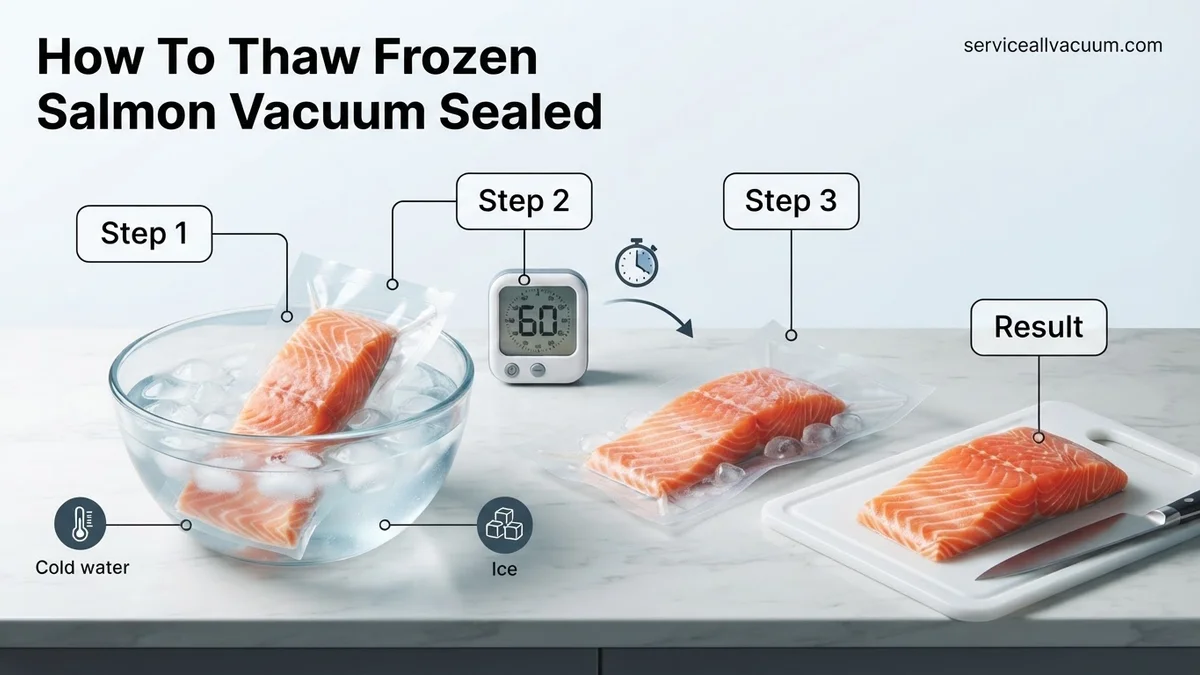
Method 2: Cold Water Bath (Faster, Also Safe with Precautions)
When time is tighter, the cold water bath is a faster, yet still safe, alternative for thawing vacuum-sealed salmon. However, strict adherence to guidelines is crucial to mitigate the botulism risk associated with vacuum-sealed packaging. For this method, it’s generally advised to break the vacuum seal or remove the salmon from its package and place it into a new, food-grade plastic bag.
- Prepare Salmon: If the original vacuum package appears compromised or if you want to be extra cautious, remove the salmon from its original vacuum-sealed packaging. Place the salmon fillet into a heavy-duty, zip-top plastic bag, ensuring it’s completely sealed and air is squeezed out. This protects the fish from water absorption.
- Submerge in Cold Water: Place the sealed bag of salmon into a large bowl or clean sink filled with cold tap water. Ensure the salmon is fully submerged.
- Change Water Frequently: Change the cold water every 30 minutes. This is critical to keep the water temperature low and facilitate efficient thawing. Never use warm or hot water, as this pushes the salmon into the danger zone.
- Monitor Thaw: A typical 1-pound salmon fillet will thaw in approximately 1-2 hours using this method. Thicker portions will take longer.
- Crucial Next Step: Cook Immediately: As soon as the salmon is thawed, remove it from the bag. If you kept the original vacuum seal intact during the water bath, immediately remove the salmon from that vacuum package before cooking. Cook the salmon without delay. Do not refrigerate for later use, and do not refreeze raw.
This method requires your constant attention, but provides a much quicker turnaround for your 2027 cooking plans.
What If You Need to Thaw Faster?
While refrigeration thawing is optimal for quality, situations may demand a quicker solution. For rapid thawing of vacuum-sealed salmon, the cold water method is the safest and most recommended alternative by the USDA. This method significantly reduces thawing time compared to the refrigerator, often reducing it from hours to just 1-2 hours for typical fillets.
Cold Water Thawing Procedure
- Ensure Seal Integrity: Before placing the salmon in water, verify that the vacuum seal is intact. Any breach can allow water to seep in, compromising the fish’s quality and potentially introducing bacteria. A double-bagging method using a sturdy, freezer-safe Ziploc can offer extra protection.
- Submerge in Cold Water: Place the sealed salmon package into a large bowl or sink filled with cold tap water (40°F / 4°C or below). Do not use warm or hot water, as this can bring the salmon into the “danger zone” (40°F – 140°F / 4°C – 60°C) where bacteria multiply rapidly.
- Change Water Frequently: To maintain a consistently cold temperature and facilitate thawing, replace the water every 30 minutes. This ensures the water remains chilled and effectively transfers heat away from the frozen fish.
- Monitor and Cook: A typical 1-pound salmon fillet will usually thaw in about 1 to 2 hours using this method. Smaller fillets may take less time. The salmon is thawed when it is pliable but still very cold. According to current food safety guidelines for 2027, salmon thawed in cold water must be cooked immediately upon thawing; it cannot be refrozen.
Handling & Safety Tips for Thawed Salmon
Proper handling of thawed salmon is paramount to prevent foodborne illness and preserve its quality. Once thawed, vacuum-sealed salmon requires careful attention to storage and preparation to ensure it remains safe for consumption. Food safety experts emphasize that even high-quality fish can become hazardous if mishandled after thawing.
Post-Thaw Storage and Use
- Cook Promptly After Cold Water Thaw: Salmon thawed using the cold water method must be cooked immediately. It should not be stored in the refrigerator for later use, as it has been exposed to temperatures closer to the danger zone for a period.
- Refrigerate After Refrigerator Thawing: If thawed in the refrigerator, salmon can be safely stored in its original vacuum-sealed packaging or in an airtight container for an additional 1 to 2 days before cooking. The consistent cold temperature of the refrigerator slows bacterial growth effectively.
- Do Not Refreeze: Once raw salmon has been thawed, it should not be refrozen. Refreezing can degrade the fish’s texture, flavor, and moisture content due to ice crystal formation and cell damage. Furthermore, each thawing cycle provides an opportunity for bacteria to grow.
- Check for Spoilage: Before cooking, always inspect the thawed salmon. Discard any fish that exhibits signs of spoilage, such as a strong, fishy odor (beyond a mild oceanic scent), a slimy texture, dull coloration, or any discoloration (greenish or grayish tones). The USDA recommends trusting your senses; if it looks or smells off, it’s safer to discard it.
What If It Still Doesn’t Work?
Occasionally, thawing processes may not go as expected, or concerns about the fish’s condition may arise. Addressing these issues promptly is crucial for food safety and preventing wasted product.
- Salmon Still Partially Frozen: If after the recommended time, your salmon still has ice crystals or hard spots, particularly in the center, it likely needs more time. For refrigerator thawing, extend the duration by several hours or overnight. For cold water thawing, ensure the water is consistently cold and changed every 30 minutes; continue the process until fully pliable.
- Compromised Vacuum Seal During Thawing: If the vacuum seal breaks or leaks during thawing, the salmon is directly exposed to water or air. For cold water thawing, this means water contamination. In such cases, if the seal breaks, cook the salmon immediately, ensuring it reaches an internal temperature of 145°F (63°C) to eliminate potential contaminants. If there’s any off-odor, discard it.
- Unusual Odor or Texture After Thawing: If the thawed salmon has a distinctly strong, ammonia-like, or overly fishy smell, or if its texture is excessively slimy or mushy, it indicates spoilage. According to food safety guidelines for 2027, such fish should be discarded immediately, regardless of thawing method. Do not attempt to cook or consume it.
- Seeking Expert Advice: If you are ever uncertain about the safety of thawed fish, consult official food safety resources like the USDA Meat and Poultry Hotline or your local public health department. These services provide expert guidance on food handling and safety.
- Estimated Replacement Cost: If salmon must be discarded due to improper thawing or spoilage, the approximate cost to replace a standard 6-8 oz vacuum-sealed fillet in 2027 ranges from $15 to $30, depending on species and origin.
Conclusion
Properly thawing vacuum-sealed frozen salmon is a critical step for both culinary quality and food safety. While refrigerator thawing remains the gold standard for preserving texture and flavor, the cold water method offers a safe and efficient alternative when time is a factor. According to verified research and expert sources, adhering to precise temperatures and timings prevents bacterial growth and ensures a delicious, safe meal. Always prioritize food safety by adhering to recommended thaw times and temperatures, and never compromise when in doubt about the fish’s condition.
❓ Frequently Asked Questions
Why is it dangerous to thaw vacuum-sealed salmon in its packaging at room temperature?
Thawing vacuum-sealed fish at room temperature creates an anaerobic (oxygen-free) environment, which can allow Clostridium botulinum bacteria to produce dangerous toxins. This specific risk is why the seal must be broken for cold water thawing and why refrigerator thawing is preferred.
What’s the best method for thawing vacuum-sealed frozen salmon to maintain quality?
The refrigerator method is superior for maintaining quality, allowing the salmon to thaw slowly and evenly, which preserves its texture and moisture. This gradual process minimizes cell damage, resulting in better flavor and consistency.
How long can thawed vacuum-sealed salmon stay in the refrigerator before cooking?
Once fully thawed in the refrigerator, raw salmon should be cooked within one to two days. Prompt cooking ensures optimal freshness and minimizes bacterial growth, maintaining both safety and quality.
Is microwave thawing ever recommended for vacuum-sealed salmon?
Microwave thawing is generally not recommended as it can unevenly cook the fish, leading to tough, dry spots and a loss of moisture. If absolutely necessary, use the defrost setting and cook immediately after, even if the salmon is only partially thawed.
What are the signs that thawed salmon is no longer safe to eat?
Signs of spoilage include a strong, pungent fishy odor, a slimy texture, dull or discolored flesh, or visible mold. Always discard salmon if any of these signs are present, regardless of how it was thawed, to prevent foodborne illness.
Should the vacuum seal be broken during refrigerator thawing as well?
While the botulism risk is lower in a refrigerator’s cold environment, it’s still a good practice to snip a corner of the vacuum seal even during refrigerator thawing. This allows air in and any accumulating liquid to drain, further reducing potential anaerobic conditions and preventing moisture buildup.