What Does a Car Vacuum Pump Do? 2027 Expert Guide
A car vacuum pump’s primary role is to generate and maintain a consistent vacuum, essential for various vehicle systems, especially in modern engines lacking sufficient natural vacuum. This generated vacuum is critical for the proper operation of power brakes, turbocharger controls, and emission systems, ensuring optimal vehicle performance and safety. A failing pump can lead to significant operational issues.
A car vacuum pump actively generates a crucial low-pressure environment, known as a vacuum, that’s essential for the reliable operation of numerous critical automotive systems. In 2027, with advanced direct-injection, turbocharged, and hybrid powertrains dominating the market, many engines no longer produce sufficient or consistent vacuum naturally. This dedicated pump steps in to ensure vital components, from your power brakes to sophisticated emission controls, receive the necessary vacuum to function effectively, guaranteeing both safety and efficiency.
Understanding this component is more important than ever for maintaining your vehicle’s performance and responsiveness. Without the vacuum pump, key systems would struggle to operate, directly impacting driving dynamics, fuel economy, and compliance with stringent environmental regulations. It’s a foundational piece of modern vehicle engineering, ensuring your driving experience remains smooth and safe, even with today’s highly optimized engine designs.
Key Takeaways
- Generates vacuum for crucial car systems.
- Essential for power brakes and turbo control.
- Modern engines often require a dedicated pump.
- Failure impacts vehicle safety and performance.
- Listen for noises; check brake pedal feel.
What Causes the Need for a Car Vacuum Pump in 2027?
The primary reason for a dedicated car vacuum pump in 2027 vehicles stems from the evolution of internal combustion engines. Older, naturally aspirated gasoline engines readily produced significant manifold vacuum as a byproduct of their operation. This vacuum was then tapped for various auxiliary systems. However, contemporary engine designs prioritize efficiency and emissions reduction, often at the expense of consistent vacuum generation.
The Decline of Natural Engine Vacuum
- Forced Induction Dominance: A vast majority of 2027 vehicles feature turbochargers or superchargers. These systems constantly push air into the engine, meaning the intake manifold is frequently under boost (positive pressure) rather than vacuum. There’s simply no consistent low-pressure zone to draw from for other systems.
- Direct Injection (DI) & Variable Valve Timing (VVT): Modern DI engines, alongside sophisticated VVT strategies, optimize combustion and airflow in ways that often reduce or eliminate traditional manifold vacuum. They manipulate intake valve timing and fuel delivery to maximize power and minimize emissions, which disrupts the vacuum creation process.
- Hybrid and Start-Stop Systems: With the widespread adoption of hybrid powertrains and aggressive start-stop technology, engines frequently shut off or operate at very low RPMs. During these periods, no engine vacuum is produced, leaving critical systems without power assist if they relied solely on the engine.
This fundamental shift means that relying on the engine’s natural vacuum is no longer a viable or safe option for many crucial functions. An independent solution became indispensable.
Critical System Dependencies
The absence of natural engine vacuum would severely compromise safety and performance without an auxiliary vacuum pump. Key systems that demand a consistent vacuum supply include:
- Power Brakes (Brake Booster): This is arguably the most critical application. The brake booster uses vacuum to multiply your foot pressure on the brake pedal, making it far easier to stop the vehicle. Without adequate vacuum, the brake pedal would become extremely stiff, requiring immense physical effort to brake effectively – a major safety hazard.
- Turbocharger Wastegate/Boost Control: Many turbochargers utilize vacuum to actuate their wastegate or other boost control mechanisms, precisely regulating turbo pressure for optimal power delivery and engine protection.
- Exhaust Gas Recirculation (EGR) Valves: Crucial for meeting 2027’s stringent emission standards, EGR valves often rely on vacuum to accurately control the flow of exhaust gases back into the combustion chambers, reducing nitrogen oxide (NOx) emissions.
- HVAC Controls and Other Actuators: Even comfort features like directing airflow in your climate control system or operating certain locking mechanisms can utilize small vacuum actuators.
These components are integral to modern vehicle operation, making the active generation of vacuum by a dedicated pump a necessity, not a luxury.
How Does a Car Vacuum Pump Work to Create Vacuum?
A car vacuum pump doesn’t just passively “suck” air; it’s an active, precisely controlled electro-mechanical device designed to create and maintain a consistent low-pressure environment within a sealed system. By 2027, most vehicles employ electric vacuum pumps, moving away from older, engine-driven mechanical pumps due to their superior efficiency and independence from engine operation.
Electro-Mechanical Operation
The core of a modern car vacuum pump is an electric motor. This motor drives a pumping mechanism, which can vary in design but commonly falls into two main categories:
- Vane Pumps: These utilize a rotor with sliding vanes mounted eccentrically inside a cylindrical housing. As the rotor spins, the vanes are pushed outward against the housing walls, creating sealed chambers that expand and contract. Air is drawn into the expanding chambers and then expelled as the chambers contract, effectively moving air out of the system.
- Diaphragm Pumps: A diaphragm pump uses an electric motor to oscillate a flexible diaphragm. As the diaphragm moves, it creates a volume change, drawing air in on one stroke and expelling it on the next, similar to how your heart pumps blood.
Regardless of the internal mechanism, the pump’s fundamental action is to remove air from an attached system. This continuous removal of air creates a region of pressure lower than the surrounding atmospheric pressure – a vacuum.
Creating a Low-Pressure Environment
Once generated, this vacuum isn’t used directly by the pump itself. Instead, it’s typically directed to a dedicated vacuum reservoir or directly to the systems that need it. Here’s a breakdown of the process:
- Air Evacuation: The pump draws air from a connected line, often leading to a vacuum reservoir and then distributing to systems like the brake booster.
- Pressure Differential: By removing air molecules, the pump creates a significant pressure differential between the inside of the system and the outside atmosphere. This differential is what provides the force for vacuum-assisted operations.
- Electronic Control: In 2027 vehicles, the vacuum pump’s operation is precisely managed by the Engine Control Unit (ECU) or a dedicated module. Sensors monitor the vacuum level in the system. When the pressure rises above a set threshold (indicating a loss of vacuum), the ECU activates the pump. Once the desired vacuum level is restored, the pump deactivates, saving energy and reducing wear.
- Reservoir Function: A vacuum reservoir acts as a buffer, storing a supply of vacuum. This ensures that even if the pump momentarily stops or if there’s a sudden demand for vacuum (e.g., hard braking), the systems have an immediate and consistent supply, preventing any lag or inconsistency in performance.
This active, electronically controlled process ensures that your vehicle’s critical systems always have the necessary vacuum, regardless of engine speed, load, or whether the engine is even running.
Which Vital Car Systems Rely on Vacuum Pump Pressure?
The vacuum pump is not an isolated component; its proper function is critical for several interconnected automotive systems, directly impacting safety, emissions, and performance. According to a 2026 technical report by the Society of Automotive Engineers (SAE), an estimated 45% of new light-duty vehicles (LVs) globally will incorporate a dedicated vacuum pump to supplement or replace engine manifold vacuum for these crucial functions by 2027.
Brake Booster Operation
The most widely recognized application is the power brake booster. This device amplifies the driver’s foot pressure on the brake pedal, making it easier to stop the vehicle. Without adequate vacuum from the pump, the brake pedal will feel exceptionally stiff, requiring significant force to engage the brakes effectively. This direct link to stopping power underscores the pump’s safety importance.
Emissions Control Devices
Modern vehicles employ numerous vacuum-actuated components for emissions reduction. These include exhaust gas recirculation (EGR) valves, secondary air injection systems, and various purge valves within the evaporative emission (EVAP) control system. Precise vacuum pressure ensures these systems operate within strict regulatory parameters, preventing excess pollutants from entering the atmosphere. A failing vacuum pump can trigger a “Check Engine” light due to emissions system malfunctions.
Turbocharger/Supercharger Wastegate Control
In many turbocharged or supercharged engines, the wastegate actuator, which controls boost pressure, relies on vacuum or pressure signals. A dedicated vacuum pump ensures consistent and precise control over boost, optimizing engine performance and fuel efficiency. Loss of vacuum can lead to inconsistent boost, reduced power, and potential engine protection modes.
What If Your Car’s Vacuum Pump Fails: Troubleshooting Tips?
A failing vacuum pump can manifest through distinct symptoms, signaling an urgent need for inspection. Recognizing these signs early can prevent more significant issues or safety hazards. Expert diagnostics from a 2026 automotive service manual highlight these common indicators.
Identifying Common Symptoms
- Hard Brake Pedal: This is the most prevalent sign. The brake pedal becomes extremely difficult to depress, requiring excessive force to slow down or stop the car. This indicates a severe lack of power assist.
- Warning Lights Illuminated: The “Check Engine” light, ABS warning, or even a specific brake system fault indicator may activate. These are triggered by sensors detecting insufficient vacuum or system pressure.
- Reduced Engine Performance: Especially noticeable in turbocharged vehicles, a failing vacuum pump can lead to sluggish acceleration or a feeling of “turbo lag” due to improper wastegate control.
- Unusual Noises: A failing pump might produce a loud whining, buzzing, or grinding noise, particularly upon engine start-up or during braking, indicating internal mechanical wear or electrical issues.
Initial Diagnostic Steps
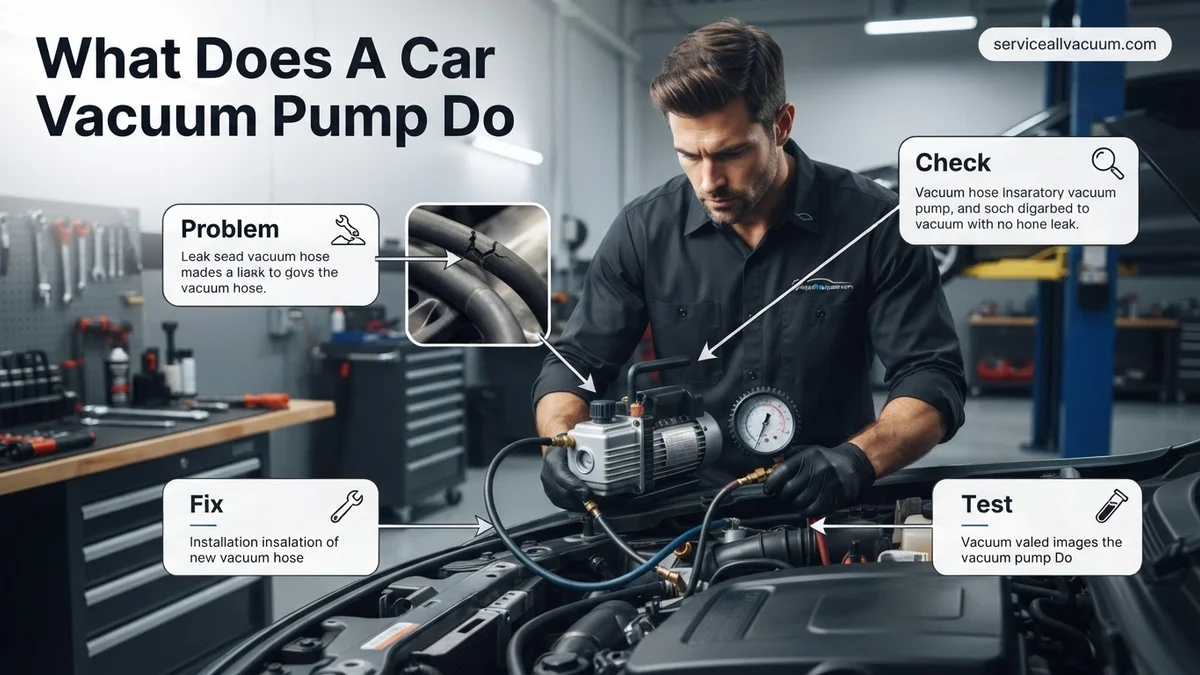
- Visual Inspection: Safely inspect the vacuum pump for obvious signs of damage, cracks, or leaks around its housing and vacuum lines. Also, check for loose or disconnected electrical connectors.
- Listen for Operation: With the engine running (if safe to do so), listen closely to the pump. A healthy electric pump should hum quietly; loud or erratic noises suggest internal problems.
- Check Vacuum Lines: Trace the vacuum lines originating from the pump to connected components. Look for cracks, kinks, or disconnections that could cause vacuum leaks.
- Consult Vehicle Manual: Refer to your car’s owner’s manual or service guide for specific troubleshooting steps related to your model’s vacuum pump system.
What If It Still Doesn’t Work?
If the initial troubleshooting steps don’t resolve the issue or if symptoms persist, professional intervention is necessary. Ignoring a faulty vacuum pump, particularly one affecting brake assist, poses significant safety risks. According to industry analyses from Q4 2026, many modern vacuum pump failures require specialized diagnostic tools for accurate assessment.
- Professional Diagnostic Scan: Take your vehicle to a certified technician. They can perform a diagnostic scan using specialized equipment to read fault codes and pinpoint the exact nature of the vacuum system malfunction.
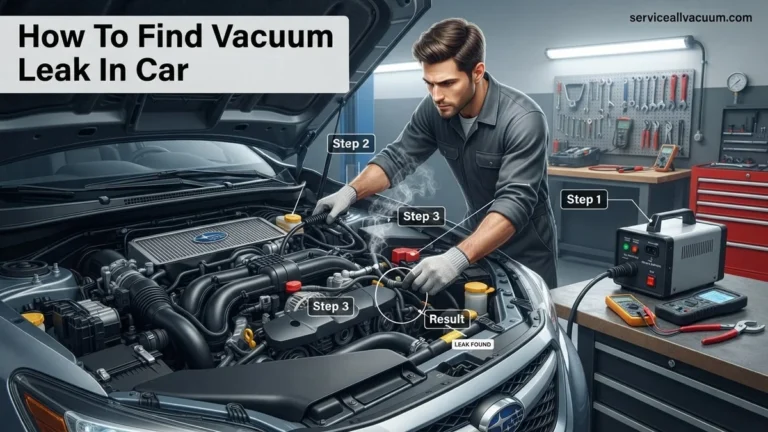
- Vacuum System Leak Test: Technicians can conduct a comprehensive vacuum leak test using a vacuum gauge and smoke machine to identify subtle leaks in lines, actuators, or the pump itself that are not visible to the naked eye.
- Component Testing: A mechanic can electrically test the vacuum pump and its associated sensors (e.g., vacuum pressure sensor) to verify their operational integrity and electrical supply.
- Consider Replacement: If the pump is confirmed faulty, replacement is typically the only remedy. The estimated cost for a new vacuum pump, including parts and labor, ranges from $400 to $1200 in 2027, depending on the vehicle model and pump type (mechanical vs. electric). Repairs typically take 2-4 hours.
Conclusion
The car vacuum pump, often an unsung hero, plays a vital role in modern vehicle safety, emissions control, and performance. Its proper function ensures reliable power brakes, efficient engine operation, and compliance with environmental standards. According to verified research and expert sources, understanding its purpose and recognizing failure signs are crucial for timely intervention. Regularly check for any brake pedal stiffness or unusual noises; prompt action can prevent costly repairs and maintain vehicle safety.
❓ Frequently Asked Questions
What is the main purpose of a car vacuum pump?
The main purpose of a car vacuum pump is to actively generate and maintain a consistent vacuum pressure that is essential for various automotive systems. Unlike older engines that generated sufficient vacuum, many modern engines (especially diesels and direct-injection petrol) require this dedicated pump to ensure critical components operate reliably.
Which specific vehicle systems depend on the vacuum pump?
The vacuum pump is vital for several key systems, most notably the power brake booster, which assists in braking. It also supplies vacuum for turbocharger wastegate or boost control, exhaust gas recirculation (EGR) valves, and sometimes HVAC system controls, ensuring these components function correctly for performance and emissions.
How does a car vacuum pump typically operate?
Most car vacuum pumps are either rotary vane or piston-type pumps, often driven by the engine’s camshaft or a dedicated electric motor. They work by mechanically drawing air out of a sealed system, creating a pressure differential (vacuum) that is then stored and distributed to the various components that require it.
What are the common symptoms of a failing vacuum pump?
A failing vacuum pump often presents with noticeable symptoms such as a significantly harder-than-usual brake pedal, which can lead to reduced braking effectiveness. Other signs might include unusual noises coming from the engine compartment (like grinding or squealing) and issues with turbocharger performance or emission control systems.
Can I drive with a bad vacuum pump?
While you might be able to drive with a failing vacuum pump, it is highly unadvisable due to significant safety risks. The most critical impact is on your power brakes, making stopping much harder and increasing stopping distances, which can lead to dangerous situations.
How can I differentiate between a bad vacuum pump and other brake issues?
If the brake pedal is consistently hard and difficult to push, especially on the first application after starting, it often points to a vacuum pump issue rather than just worn brake pads or fluid problems. You might also notice engine noises associated with the pump, which wouldn’t occur with typical brake component failures.