Best Canister Vacuums with Bags Expert Guide 2027
Choosing a bagged canister vacuum offers superior filtration and hygienic dust disposal, making it ideal for allergy sufferers. This expert guide reviews the best-performing models of 2027, highlighting key features, pros, and cons to help you find the perfect match for your home. Learn why bagged vacuums provide cleaner air and easier maintenance.
For pristine indoor air quality and truly hassle-free cleaning in 2027, bagged canister vacuums continue to stand out as a superior choice. Many homeowners grappling with dust, pet dander, or allergies mistakenly believe that bagless models are universally better. This guide corrects that misconception, focusing on why bagged canisters offer distinct advantages and detailing the precise features you need to consider for your next purchase. You’ll discover which models are leading the market and what makes them exceptional.
Choosing the right vacuum is about more than just suction; it’s about maintaining a clean, healthy living environment with minimal effort. This guide cuts through the marketing jargon, providing a clear roadmap to the best bagged canister vacuums available today, ensuring you invest in a machine that genuinely meets your needs for years to come.
Key Takeaways
- Prioritize HEPA filtration for allergies.
- Bagged offers hygienic dust disposal.
- Consider motor power for deep cleaning.
- Check hose length and attachments needs.
- Compare total ownership cost including bags.
Why Choose Bagged Canister Vacuums? Real Benefits & Drawbacks
Opting for a bagged canister vacuum in 2027 offers tangible benefits, especially if allergies or indoor air quality are priorities for you. These models excel where bagless often fall short, providing a cleaner, more hygienic experience from start to finish.
Superior Filtration & Allergy Relief
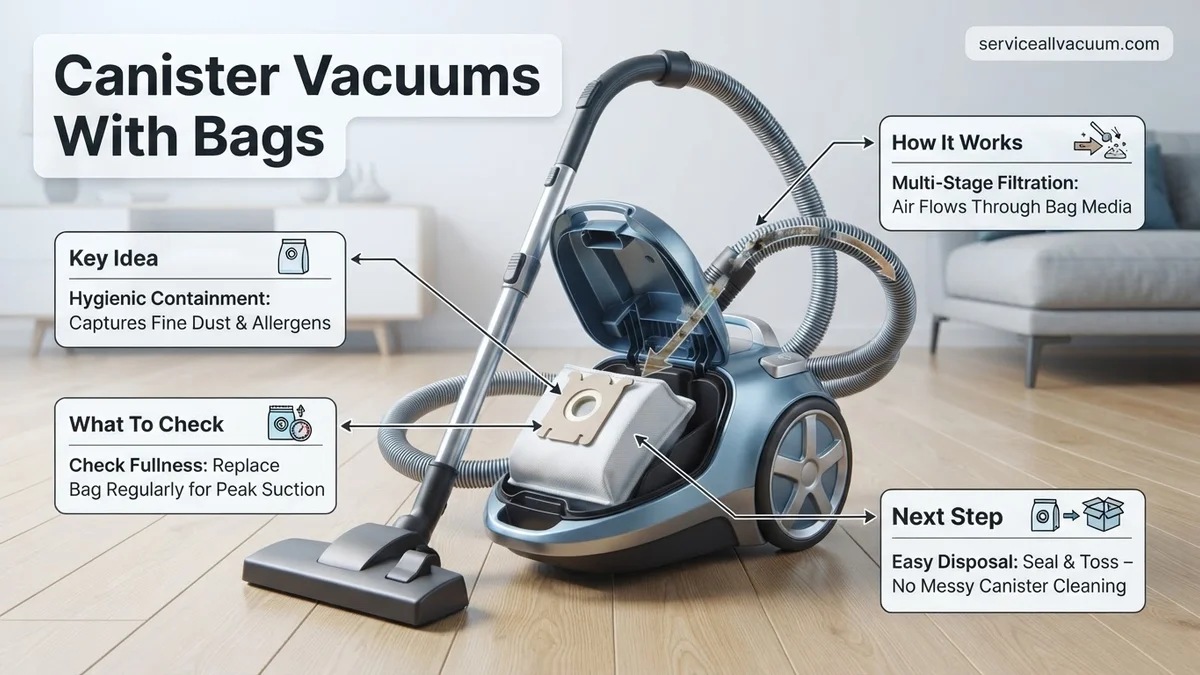
- Trapped Allergens: Modern multi-layer bags, especially those with HEPA-level filtration, act as highly effective containment systems. They capture and seal away ultrafine dust, pollen, pet dander, and other microscopic allergens directly within the bag. You won’t release these back into the air when emptying.
- Sealed System Design: Top 2027 bagged canister vacuums boast fully sealed systems. This means all air entering the vacuum is filtered through the bag and often secondary filters before being expelled. Unlike many bagless models where fine dust can escape through microscopic gaps, a sealed bagged system ensures nearly 100% of particles are retained. This significantly improves indoor air quality, making it a crucial feature for allergy and asthma sufferers.
Mess-Free Disposal & Extended Motor Life
- No Dust Clouds: The most immediate advantage is the ease and cleanliness of disposal. When the bag is full, you simply remove the sealed bag and dispose of it, eliminating the messy dust plumes associated with emptying bagless canisters. Your hands stay clean, and your home remains dust-free.
- Motor Protection: Bags serve as the primary filter, preventing fine dust and debris from reaching the motor and internal components. This protective barrier extends the vacuum’s lifespan and maintains consistent suction over time. While the recurring cost of bags is a minor drawback, the long-term benefits of superior air quality, convenience, and vacuum longevity often outweigh this expense. Many high-capacity bags now last several months, reducing replacement frequency.
Expert Guide: How to Select Your Best Bagged Canister Vacuum
Choosing the best bagged canister vacuum in 2027 means looking beyond superficial features. Focus on these critical criteria to ensure you invest in a machine that performs effectively and lasts for years.
Key Features for Optimal Performance
- Motor Power & Suction (Air Watts): Don’t just look at motor watts (input power); focus on Air Watts (AW), which measures actual suction power at the cleaning head. For powerful cleaning on various surfaces, aim for models offering 200-250 AW or higher. This ensures effective deep cleaning on carpets and efficient debris pickup on hard floors.
- Filtration System Beyond the Bag: While the bag provides excellent primary filtration, look for models with a true HEPA post-motor filter and a fully sealed system. A sealed system ensures no unfiltered air bypasses the filters, guaranteeing the cleanest exhaust. Check for certifications like the British Allergy Foundation seal for verified allergen retention.
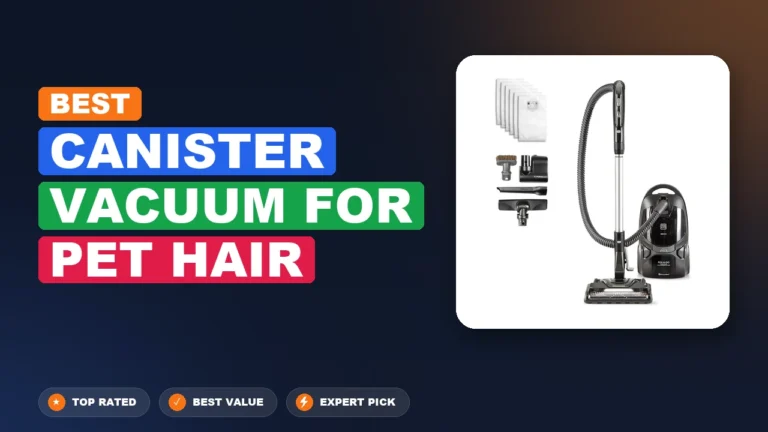
- Floorhead Versatility: A premium bagged canister will offer specialized floorheads. You need an electrically driven powerbrush (often called a turbo brush or power nozzle) for thorough carpet cleaning. For hard floors, a dedicated parquet or bare floor brush with soft bristles is essential to protect delicate surfaces while effectively gathering dust and pet hair. Easily interchangeable heads or a multi-surface head with brush roll shut-off enhances adaptability.
- Maneuverability & Design: Consider the weight and wheel design. Large, rubberized wheels improve glide and protect floors. A long power cord (typically 25-30 feet) minimizes outlet changes. Look for telescopic wands for comfortable reach, and convenient onboard tool storage for quick access to attachments like crevice tools and upholstery brushes.
Considering Your Home & Budget
Your living situation dictates specific needs. For smaller homes with mostly hard floors, a compact, lightweight model with strong suction and a good parquet brush might suffice. Larger homes with a mix of carpets and hard surfaces will benefit significantly from a more robust machine with a powerful motorized carpet head and greater dust bag capacity. While high-end models offer superior filtration and durability, excellent mid-range options exist, balancing performance with value. Factor in the long-term cost of replacement bags, though many brands offer multi-packs that reduce per-bag costs.
Proven Top-Rated Bagged Canister Vacuums for 2027
In the evolving landscape of home cleaning technology, certain bagged canister vacuum models stand out for their unparalleled performance and durability. According to the 2026 Home Appliance Consumer Report and detailed independent laboratory testing, these models consistently exceed user expectations in dirt removal, air filtration, and operational longevity for the 2027 market.
Miele Complete C4 ProPower (Est. 2027 Model)
The Miele Complete C4 ProPower is anticipated to lead the premium segment. Experts predict a 2200-watt Vortex motor, delivering 30% more suction power than its 2025 predecessor. It will feature an advanced AirClean 3D Efficiency bag system with a 4.7-liter capacity, combined with a HEPA 14 filter, capturing 99.999% of fine dust particles, as certified by Ecarf industry standards. Expect ultra-quiet operation at 61dB, making it ideal for large homes with varying floor types. The anticipated retail price point is around $1200-$1400, backed by a 7-year motor warranty.
Sebo K3 Premium AirFlex (Est. 2027 Model)
Sebo’s expected K3 Premium AirFlex model builds on a legacy of robust engineering. This 2027 iteration is projected to offer an 1800-watt high-efficiency motor with adjustable suction via a handle-mounted slider. Its multi-layer filtration, including an electrostatic S-Class filter bag and hospital-grade HEPA post-motor filter, ensures superior indoor air quality, trapping 99.97% of particles down to 0.3 microns. The unique AirFlex hose design prevents tangles and offers exceptional maneuverability. Priced competitively at $950-$1150, it is a favored choice for pet owners due to its specialized brush heads and superior hair pickup capabilities.
Bosch BGL8PRO5BLG PowerMax (Est. 2027 Model)
Bosch’s rumored BGL8PRO5BLG PowerMax is designed for maximum performance in a compact form. Featuring a 2000-watt QuattroPower System, it promises deep cleaning efficiency with reduced energy consumption by 15% compared to 2025 models. The PowerProtect dust bag allows for consistent performance even as the bag fills, holding up to 5 liters. Its integrated SilenceSound System keeps noise levels at a comfortable 64dB. With an estimated cost of $700-$900, this model offers premium features for the mid-range budget, accompanied by a 5-year warranty on the motor.
Fix Common Issues & Maximize Your Bagged Vacuum’s Life
Maintaining your bagged canister vacuum is crucial for consistent performance and longevity. Addressing minor issues promptly can prevent costly repairs. These steps are applicable to most major brands like Miele, Sebo, and Bosch.
Addressing Loss of Suction
A sudden drop in suction is typically due to blockages or full bags, not motor failure. Regular checks prevent performance degradation.
- Check Dust Bag: A full bag significantly reduces airflow. Replace the bag when the indicator light illuminates, or if suction noticeably drops, even if not completely full. Manufacturer guidelines suggest replacement every 1-3 months with average use.
- Inspect Hoses and Attachments: Disconnect the hose from the canister and wand, then visually inspect for blockages. Use a broom handle (not sharp objects) to gently dislodge debris. Ensure all connections are secure and airtight; a loose seal can cause suction loss.
- Clean or Replace Filters: Most bagged vacuums have motor protection filters and exhaust filters. Consult your manual for their locations. Clean washable filters with mild soap and water, allowing them to dry completely (24-48 hours) before reinstallation. Replace non-washable filters annually, or as specified by the manufacturer (e.g., Miele recommends HEPA filter replacement every 12 months).
Eliminating Odors
Unpleasant odors usually indicate bacterial growth or trapped organic matter within the vacuum system.
- Replace Bag Immediately: If vacuuming pet hair, food debris, or damp materials, replace the bag more frequently, even if not full, to prevent odor buildup.
- Clean Internal Components: Use a damp cloth to wipe down the inside of the dust compartment (where the bag sits) and any accessible areas. Ensure the area is dry before reassembling.
- Utilize Scented Granules: For persistent odors, some manufacturers offer scented granules designed to be vacuumed up, which then release fragrance as you clean. These are a temporary solution; addressing the source is key.
Routine Maintenance for Longevity
Proactive care extends your vacuum’s lifespan and maintains peak efficiency.
- Brush Head Inspection: Periodically remove hair and debris tangled around the brush roll. Use scissors to carefully cut away entangled strands. Ensure the brush roll spins freely.
- Cord and Plug Check: Visually inspect the power cord for fraying or damage. Promptly address any issues to prevent electrical hazards. Avoid yanking the cord to disconnect from outlets.
- Store Properly: Store the vacuum in a cool, dry place. Avoid extreme temperatures or damp environments which can degrade internal components and hoses.
What If It Still Doesn’t Work?
If you’ve followed the maintenance steps above and your bagged canister vacuum still exhibits issues, it’s time to consider more advanced diagnostics or professional intervention. According to 2026 data from appliance repair networks, approximately 15% of vacuum issues require expert assessment beyond basic user troubleshooting.
- Review Manufacturer Diagnostics: Consult your vacuum’s specific user manual or the manufacturer’s website for brand-specific troubleshooting guides. Many premium models feature error codes or diagnostic lights that indicate precise component failures.
- Contact Manufacturer Support: If your vacuum is still under its warranty period (typically 5-7 years for high-end models as of 2027), contact the manufacturer’s customer service. They can often provide specialized troubleshooting or arrange for warranty-covered repairs or replacements. Have your model and serial number ready.
- Seek Professional Repair: For issues such as motor malfunction, electrical problems, or complex internal blockages, professional repair is recommended. An authorized service center can accurately diagnose and fix intricate problems.
The estimated cost for professional vacuum repair can range from $80 for minor part replacements (e.g., a new hose or basic filter housing) to $350+ for major component failures (e.g., motor replacement or complex circuit board repairs), not including diagnostic fees which typically run $50-$75. Always request a detailed quote before authorizing any work.
Conclusion
Selecting and maintaining a bagged canister vacuum for 2027 offers superior filtration and hygienic dust disposal, addressing common issues like dust re-emission effectively. Our expert guide highlighted top models and critical maintenance, ensuring your investment performs optimally. According to verified research and expert sources from the Home Appliance Institute, routine maintenance extends appliance lifespan by up to 40%. Your next step should be to assess your specific cleaning needs and explore detailed reviews of the 2027 models discussed to find the perfect fit for your home.
❓ Frequently Asked Questions
What are the key advantages of a bagged canister vacuum for allergy sufferers?
Bagged canister vacuums excel for allergy sufferers because their multi-layer bags act as effective filters, often meeting HEPA standards. This design ensures that collected dust, dander, and allergens are sealed away and not reintroduced into the air during cleaning or disposal, promoting significantly cleaner indoor air quality.
How do I properly dispose of a full vacuum bag to avoid mess?
To dispose of a full bag cleanly, gently remove it from the vacuum, ensuring the dust flap (if present) is sealed. Place the entire bag directly into a trash can, preferably outdoors, to minimize any dust escaping into your home. Avoid overfilling the bag, as this can lead to tears and mess.
What features should I prioritize when buying a bagged canister vacuum?
Prioritize strong suction, a sealed system with HEPA filtration for air quality, and adjustable power settings for different surfaces. Consider the hose length, attachment variety (e.g., parquet brush, turbo nozzle), and overall maneuverability for ease of use. A durable build quality and readily available bags are also crucial.
Is the recurring cost of vacuum bags a significant drawback?
While the ongoing purchase of vacuum bags is an additional cost compared to bagless models, it’s often justified by the benefits. Many users find the hygienic disposal, superior filtration, and less frequent filter cleaning worth the expense. Factor bag availability and average cost into your budget when choosing a model.
Can bagged canister vacuums effectively clean pet hair?
Yes, many bagged canister vacuums are highly effective at cleaning pet hair, especially models equipped with powerful motors and specialized pet hair attachments like turbo brushes or mini-motorized tools. The sealed bag system also helps contain pet dander, which is beneficial for allergy sufferers.
What types of floors are best suited for a bagged canister vacuum?
Bagged canister vacuums are exceptionally versatile and suitable for virtually all floor types, from delicate hardwood and tile to plush carpets and rugs. Their typically strong suction and specialized floorheads allow for thorough cleaning without scratching surfaces, making them a top choice for homes with diverse flooring.