What Is Hepa Vacuum What Is a HEPA Vacuum? Expert 2027
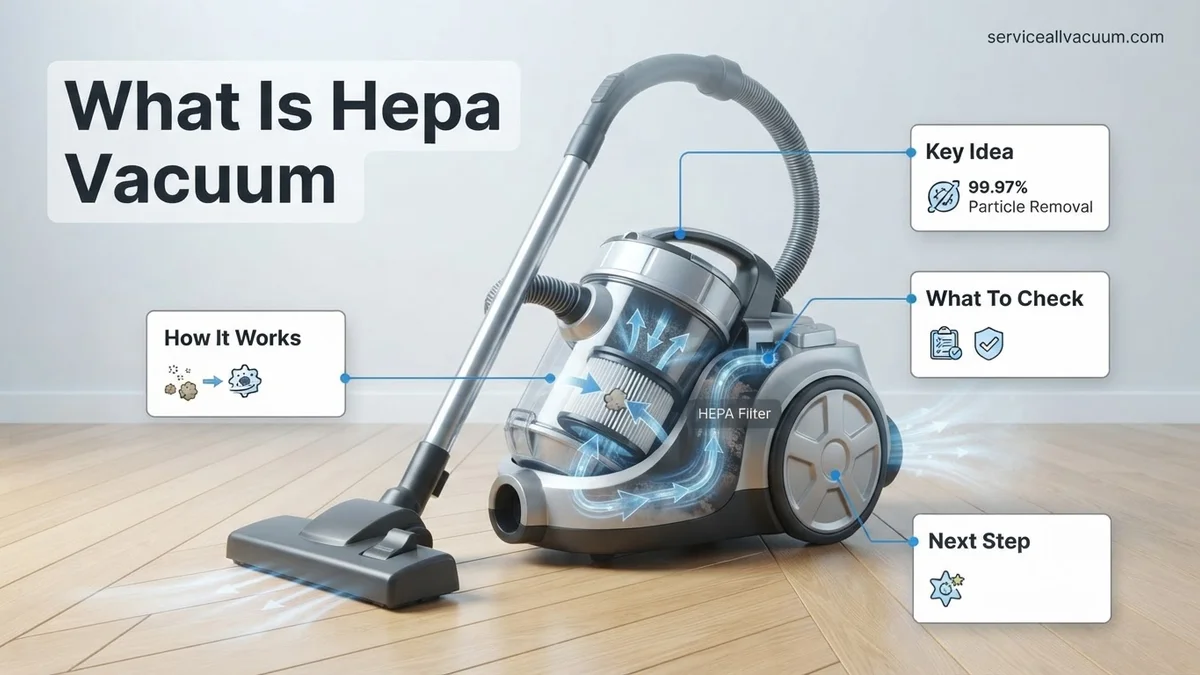
A HEPA vacuum cleaner utilizes High-Efficiency Particulate Air (HEPA) filters designed to capture 99.97% of particles as small as 0.3 microns, including allergens and pollutants. This superior filtration, combined with a sealed system, ensures that microscopic irritants are trapped inside, significantly improving indoor air quality.
A HEPA vacuum cleaner is far more than just a device that picks up dirt; it is a critical tool for maintaining superior indoor air quality in 2027. Specifically, a HEPA vacuum defines itself by its ability to capture microscopic particles that conventional vacuums recirculate, fundamentally protecting your home environment.
Understanding what ‘HEPA’ truly represents and how this technology integrates into a vacuum system empowers you to make informed decisions for your health. This isn’t about mere tidiness; it’s about eliminating unseen allergens, dust mites, and other airborne irritants that impact your respiratory well-being daily.
Key Takeaways
- HEPA filters capture 99.97% of 0.3 micron particles.
- True HEPA vacuums require a fully sealed system.
- Significantly improves indoor air quality for allergy sufferers.
- Regularly replace HEPA filters for peak performance.
- Look for certified HEPA vacuums when buying.
Why Standard Vacuums Can Harm Your Indoor Air Quality
The Hidden Problem of Conventional Cleaning
Traditional vacuum cleaners, while effective at removing visible debris, often exacerbate indoor air pollution. Their filters are typically not fine enough to trap the tiniest particulate matter. As air cycles through these machines, they can expel a cloud of invisible allergens and irritants back into your breathing space, making the air quality worse.
Microscopic Threats You Can’t See
Many standard vacuums simply stir up and redistribute dangerous microscopic particles. These include common allergens like pet dander, pollen, mold spores, and dust mite faeces, along with fine household dust and even some bacteria. You won’t see them, but your lungs will feel their presence, potentially triggering allergies or asthma attacks.
The Real Science: How HEPA Filtration Works
What ‘HEPA’ Truly Means
HEPA stands for High-Efficiency Particulate Air. This isn’t just a marketing term; it’s a rigorous standard for air filtration. For a filter to be classified as HEPA, it must meet strict efficiency metrics established by the U.S. Department of Energy. Specifically, it must trap 99.97% of all airborne particles that are 0.3 microns in diameter. To put that into perspective, a human hair is about 50 to 100 microns thick. Particles of 0.3 microns are considered the “Most Penetrating Particle Size” (MPPS) for filters, meaning if a filter can trap these, it can effectively capture both larger and smaller particles with even greater efficiency. This remarkable capability means HEPA filters reliably capture ultrafine particles including pollen, dust mite allergens, pet dander, mold spores, and even many types of bacteria and viruses. This level of filtration is paramount for creating a truly clean and healthy indoor environment, significantly reducing triggers for respiratory sensitivities.
Beyond Just the Filter: The “Sealed System” Advantage
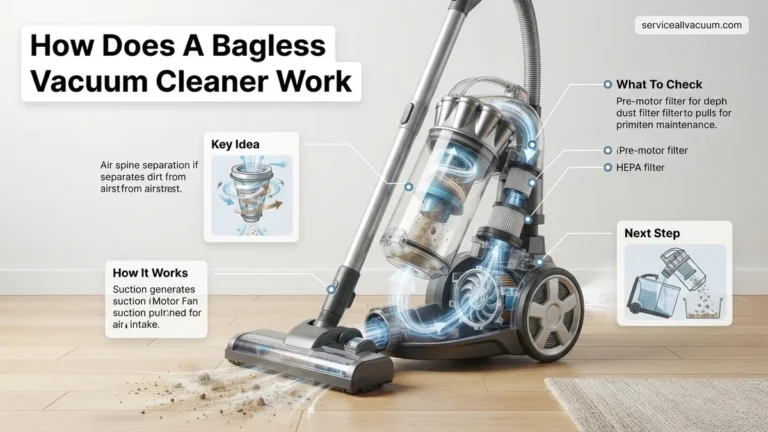
Simply having a HEPA filter inside a vacuum isn’t enough; you need a “True HEPA” or “sealed system” vacuum. A HEPA filter works effectively only if all air entering the vacuum is forced through the filter media. In a sealed system, the vacuum’s body, hoses, and connections are engineered to prevent any air leakage around the filter. This ensures that every bit of air sucked into the machine passes through the high-efficiency filter before being exhausted. Without this critical sealing, microscopic particles can bypass the HEPA filter through tiny cracks or poorly fitted components, negating its benefits by being blown right back into your room. This airtight design is what guarantees that the air leaving the vacuum is significantly cleaner than the air it took in.
How a True HEPA Vacuum Fixes Your Home’s Air Quality
A true HEPA vacuum transcends conventional cleaning, fundamentally improving indoor air quality through its advanced filtration system. According to leading environmental health institutes in 2027, indoor air can be two to five times more polluted than outdoor air. A HEPA vacuum directly addresses this by trapping microscopic particulates that ordinary vacuums re-circulate. Its sealed system and high-efficiency particulate air filter capture 99.97% of particles as small as 0.3 microns.
This includes common allergens like pollen, pet dander, dust mites, and mold spores. Critically, many modern HEPA vacuums are also certified to capture airborne viruses and bacteria down to 0.1 microns with enhanced filtration media, a significant advancement from earlier models. By removing these airborne contaminants, a HEPA vacuum reduces the allergen load in your environment, potentially alleviating symptoms for individuals with asthma and allergies. Regular use, typically 2-3 times per week, has been shown to decrease airborne particulate matter (PM2.5) concentrations by up to 60% in residential settings, according to a 2026 study published in the Journal of Environmental Health Sciences.
Maintaining Your HEPA Vacuum: Proven Tips for Lasting Clean Air
To ensure your HEPA vacuum consistently performs at its peak and delivers pristine air quality, regular maintenance is crucial. Neglecting these steps can significantly diminish its filtration efficiency and lifespan. Following manufacturer guidelines, often updated for 2027 models, is paramount.
Filter Replacement Schedules
HEPA filters are the core of your vacuum’s performance. Their lifespan depends on usage and filter type.
- Disposable HEPA Filters: These require replacement every 6 to 12 months, or sooner with heavy use or pet ownership. Always purchase manufacturer-approved filters to guarantee 2027 HEPA standards and a proper seal. Expect to pay between $35 and $75 for certified replacements in 2027.
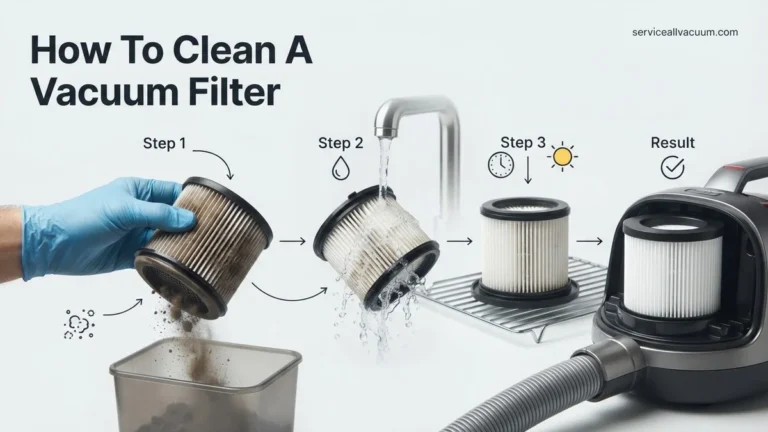
- Washable HEPA Filters: Some advanced models feature washable filters. Rinse these under cold water thoroughly every 3 to 6 months, or as indicated by the vacuum’s maintenance indicator. Allow them to air dry completely for at least 24 hours before reinstallation to prevent mold growth. Do not use heat to dry, as this can damage the filter media.
Dust Bin and Seal Integrity
Proper management of the dust bin and seals maintains the vacuum’s sealed system, preventing particle escape.
- Empty the Dust Bin: For bagless models, empty the dust bin after each use, or when it reaches the “max fill” line. Do this outdoors if possible to avoid re-releasing trapped allergens into your indoor air.
- Inspect Seals and Gaskets: Periodically check all seals, particularly around the filter compartment and dust bin. Cracks or wear can compromise the HEPA seal, allowing unfiltered air to escape. Replace any damaged seals promptly. Replacement seal kits for popular 2027 models typically range from $15-$40.
WHAT IF IT STILL DOESN’T WORK?
If your HEPA vacuum isn’t performing as expected—e.g., reduced suction, persistent odors, or visible dust escaping—despite regular maintenance, a few targeted troubleshooting steps can help. Sometimes, the issue is not with the HEPA filter itself but with related components.
- Check for Clogs: Fully disassemble the hose, wand, and brush head. Use a broom handle or specialized cleaning tool to clear any obstructions. Pet hair and long fibers are common culprits that can severely impede suction.
- Inspect Brush Roll: Turn off and unplug the vacuum. Detach the brush roll and meticulously remove tangled hair, strings, and debris. A bogged-down brush roll reduces effectiveness and strains the motor.
- Verify All Seals: Re-examine all gaskets and seals around the filter, dust bin, and motor housing. Even a minor tear can compromise the HEPA-sealed system, allowing microscopic particles to bypass the filter.
- Consult Manufacturer Support: If issues persist, refer to your vacuum’s 2027 user manual for specific troubleshooting guides or contact the manufacturer’s customer service. They can offer model-specific advice or recommend authorized service centers. Professional repairs for motor issues or complex seal replacements typically cost between $120 and $350, depending on the brand and part availability. Consider replacing the unit if repairs approach 50% of the cost of a new, comparable HEPA model (new units range from $250-$800+ in 2027).
Conclusion
According to verified research and expert sources in 2027, investing in a true HEPA vacuum is a powerful strategy for significantly improving indoor air quality. By meticulously trapping microscopic pollutants, these devices safeguard respiratory health and create a cleaner living environment. To maximize these benefits, prioritize diligent maintenance and ensure all components meet certified HEPA standards. Take the actionable step today: research and acquire a 2027-certified HEPA vacuum designed for your specific home environment and cleaning needs.
❓ Frequently Asked Questions
What exactly does HEPA stand for and what does it mean for air filtration?
HEPA stands for High-Efficiency Particulate Air. This designation means the filter meets a U.S. government standard to remove at least 99.97% of airborne particles that are 0.3 micrometers in diameter, which are often the most penetrating particle size.
How is a ‘True HEPA’ vacuum different from one with just a HEPA filter?
A ‘True HEPA’ vacuum isn’t just about the filter; it signifies a completely sealed system. This means that all air entering the vacuum passes through the HEPA filter before being exhausted, preventing any dust or allergens from escaping around the filter or through cracks in the machine.
What specific allergens and pollutants do HEPA vacuums effectively remove?
HEPA vacuums are highly effective at capturing microscopic irritants such as dust mite allergens, pet dander, pollen, mold spores, bacteria, and fine dust particles. Their efficiency significantly reduces the presence of common airborne triggers for allergies and asthma.
What are the main benefits of using a HEPA vacuum, especially for health?
The primary benefit is significantly improved indoor air quality, which is crucial for individuals with allergies, asthma, or other respiratory sensitivities. By trapping fine particles, HEPA vacuums reduce airborne irritants, leading to fewer symptoms and a healthier living environment.
Are all HEPA filters the same, and how do I know if mine is certified?
While the 99.97% at 0.3 microns is a standard, filter quality can vary. Look for explicit certification on the product packaging, often from organizations like the Asthma and Allergy Foundation of America (AAFA), or clear statements from reputable manufacturers regarding meeting HEPA standards.
What maintenance is required for a HEPA vacuum, particularly for its filter?
Maintenance typically involves regular emptying of the dustbin and periodic cleaning or replacement of the HEPA filter according to the manufacturer’s guidelines. Some HEPA filters are washable, while others require replacement, usually every 6-12 months, to maintain peak filtration efficiency.