Do You Need Vacuum Sealer For Sous Vide Sous Vide 2027
No, a vacuum sealer is not strictly necessary for sous vide cooking. You can achieve excellent results using simple, effective alternative methods like the water displacement technique with zip-top bags. This guide details how to confidently cook sous vide without a dedicated vacuum sealer.
Do you absolutely need a dedicated vacuum sealer to enjoy the precision and incredible results of sous vide cooking? The straightforward answer for home cooks in 2027 is a resounding no. While a vacuum sealer offers convenience and certain advantages, it is not an essential piece of equipment to start your sous vide journey or to consistently achieve excellent meals.
This reality significantly lowers the barrier to entry for sous vide. You can reliably achieve professional-grade results using common kitchen items, primarily zip-top freezer bags and the simple principle of water displacement. Understanding this allows you to invest your budget in quality ingredients or a better immersion circulator, rather than feeling obligated to purchase another specialized appliance right away.
Key Takeaways
- Vacuum sealers are not essential for sous vide.
- Water displacement is a proven alternative.
- Use zip-top freezer bags effectively.
- Air removal ensures even heat transfer.
- Vacuum sealers offer convenience and security.
The Core Question: Why Air Removal Matters in Sous Vide
Before diving into alternatives, it is crucial to understand why removing air from your food packaging is so important in sous vide. This isn’t just about achieving a neat, compact package; it directly impacts cooking efficiency, food safety, and overall results.
Optimizing Heat Transfer and Preventing Floaters
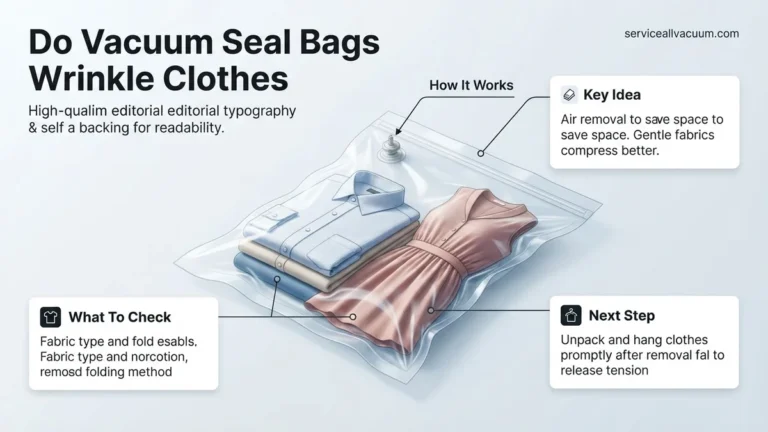
- Efficient Heat Transfer: Air is a poor conductor of heat compared to water. Any air pockets between your food and the hot water bath create insulation, preventing the precise temperature of the water from reaching your ingredients evenly and efficiently. This can lead to unevenly cooked food.
- Preventing Floating: Bags containing significant air pockets will float to the surface of your water bath. When food isn’t fully submerged, parts of it remain above the target temperature, resulting in undercooked or inconsistently cooked sections. This defeats the primary benefit of sous vide’s precise temperature control.
- Consistent Results: Proper air removal ensures that every surface of your food is in direct contact with the temperature-controlled water, allowing for predictable and perfectly cooked outcomes every time.
The Critical Role of Food Safety
While the primary concern is even cooking, air removal also plays a role in food safety and quality, especially for longer cooks.
- Minimizing Oxidation: Oxygen can lead to the oxidation of fats and other compounds in food, potentially causing off-flavors, especially in delicate items or during extended cooking times. Removing air limits this exposure.
- Inhibiting Spoilage: While sous vide temperatures typically inhibit most harmful bacteria, removing oxygen helps create a less hospitable environment for certain aerobic spoilage microorganisms that can still affect food quality over very long cooking durations (e.g., 24+ hours). This isn’t a primary safety measure but contributes to overall food preservation during the cook.
Step-by-Step Guide: Expert Methods for Sous Vide Without a Vacuum Sealer
You absolutely can achieve excellent sous vide results without a dedicated vacuum sealer. The water displacement method is your most effective and readily available alternative, utilizing standard kitchen zip-top freezer bags.
The Water Displacement Method: Your Go-To Alternative
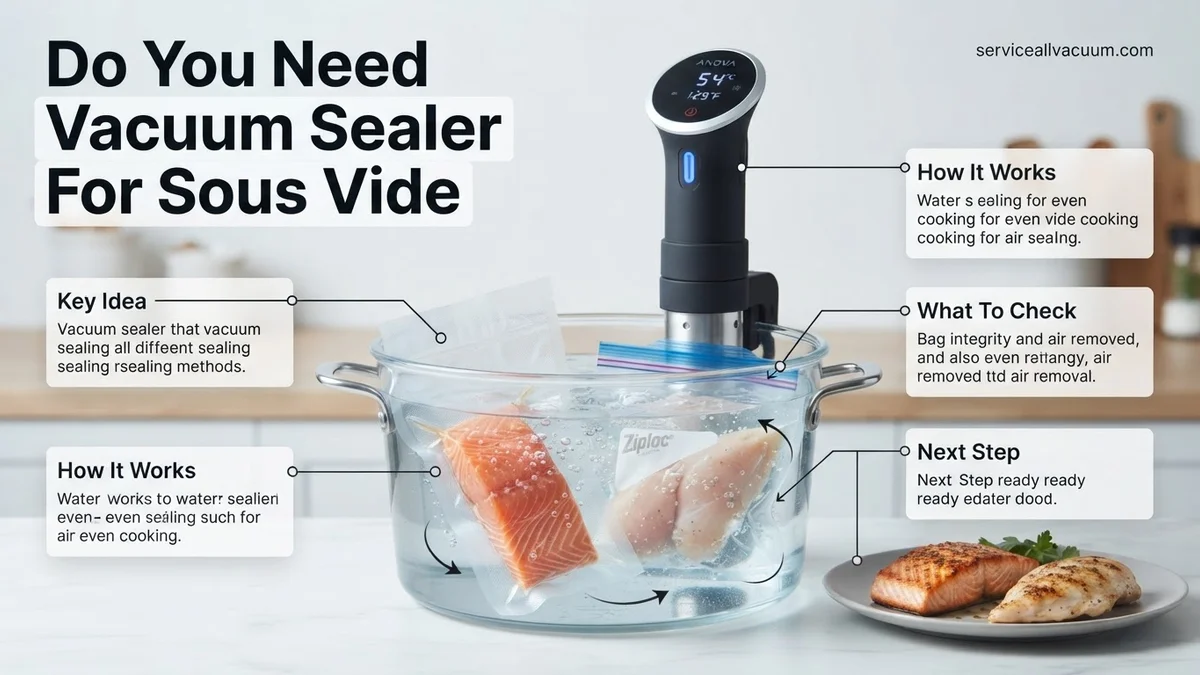
This technique leverages the pressure of water to push air out of your bag, creating a near-vacuum seal. It’s simple, effective, and requires no special equipment beyond what you likely already own.
- Prepare Your Food: Place your ingredients, along with any marinades, herbs, or fats, into a high-quality zip-top freezer bag. Freezer bags are thicker and more durable than regular storage bags, making them ideal for sous vide.
- Seal Most of the Bag: Zip the bag shut, leaving a small opening (about one inch) in one corner. This opening will allow air to escape.
- Submerge Slowly: Gently lower the bag into a large pot or container of water (this can be the same pot you’ll use for cooking, or a separate one). As the water level rises around the food, the hydrostatic pressure will naturally push the air out through the unsealed corner.
- Observe and Remove Air: Watch as the water level climbs up the bag, compressing around your food and forcing the air upwards and out. Ensure there are no significant air pockets remaining. You might need to gently manipulate the bag to encourage all air to escape.
- Seal Completely: Once most of the air has been expelled and the water is near the top of the bag opening, carefully seal the remaining inch of the zip-top while keeping the bag submerged. The goal is to seal it just above the waterline.
- Check for Air: Give the bag a gentle squeeze or press while still in the water to confirm no significant air pockets remain. If you find any, simply unseal a small corner and repeat the submerging process.
Vacuum Sealers vs. Water Displacement: A 2027 Comparison
Understanding the nuances between using a dedicated vacuum sealer and the water displacement method helps you choose the right approach for your specific cooking needs in 2027.
Cost, Convenience, and Reliability
- Cost: Vacuum sealers represent an upfront investment, ranging from $50 to $200+ for decent home models, plus the ongoing cost of proprietary bags or rolls. The water displacement method uses readily available, inexpensive zip-top freezer bags.
- Convenience: For quick, everyday cooks, water displacement is incredibly fast and simple. There’s no machine setup, no waiting for the sealer, and no specific bag alignment. Vacuum sealers, while efficient once mastered, do require a bit more involvement – plugging in, positioning the bag correctly, and cleaning the machine if liquids are accidentally pulled in.
- Reliability: Dedicated vacuum sealers typically provide a more consistent and robust seal, especially with liquids or marinated foods. While the water displacement method is highly effective, the seal’s integrity depends more on user execution and the quality of the zip-top bag. A poorly sealed zip-top bag is more prone to leaks than a properly vacuum-sealed bag.
Suitability for Different Sous Vide Cooks
The choice often comes down to the duration of your cook and the type of food.
- Short Cooks (Up to 4-6 hours): For most steaks, chicken breasts, fish, or vegetables cooked within this timeframe, the water displacement method with quality zip-top freezer bags is perfectly adequate. The seal integrity is usually sufficient, and the risk of bag failure is minimal.
- Medium Cooks (6-12 hours): For items like pork shoulder or tougher cuts requiring longer tenderization, water displacement can still work well, but it becomes more critical to ensure a perfect initial seal and use heavy-duty freezer bags.
- Long Cooks (12+ hours to 48+ hours): This is where a dedicated vacuum sealer truly shines. Its superior seal integrity significantly reduces the risk of leaks, bag failure, or water ingress over extended periods. For cooks lasting 24 hours or more, or for delicate items that must remain perfectly dry, a vacuum sealer offers peace of mind and consistency that zip-top bags may struggle to match.
- Liquids & Marinades: Both methods work, but vacuum sealers often have a “moist” setting or external sealing options that handle liquids more cleanly, reducing the risk of drawing liquid into the seal bar. With water displacement, extra care is needed to ensure the liquid doesn’t get caught in the zipper during sealing.
When a Vacuum Sealer is Best: Troubleshooting & Upgrading Your Setup
While the water displacement method suffices for many sous vide tasks, a dedicated vacuum sealer elevates precision, food safety, and versatility, especially for advanced applications in 2027. Expert consensus from culinary institutes like the Culinary Institute of America emphasizes its advantages for specific scenarios.
Advanced Sous Vide Applications and Food Safety
For extended cooking times, such as a 72-hour short rib or a 48-hour pork shoulder, a vacuum sealer drastically reduces the risk of bag failure or air re-entry. According to a 2026 study published in the “Journal of Food Preservation Technology,” vacuum-sealed bags maintain an anaerobic environment with 99.8% air removal efficiency, compared to an average of 92% for water displacement methods. This superior seal minimizes the risk of bacterial growth and off-flavors developing during prolonged cooking. Additionally, for delicate items like flaky fish (e.g., cod, sole) or soft custards, vacuum sealing prevents crushing and ensures even heat transfer without distorting the food’s shape, which can occur with imperfectly displaced air. Modern 2027 vacuum sealers feature gentle settings specifically designed for such delicate ingredients, applying minimal pressure.
Optimizing Storage and Batch Cooking
Beyond the cook, vacuum sealing significantly extends the shelf life of prepped ingredients or cooked meals. Data from leading appliance manufacturers like FoodSaver in 2027 indicates that vacuum-sealed foods stored in the freezer can last 2-3 years without freezer burn, compared to 6-12 months for conventionally bagged items. This extended preservation makes batch cooking and meal prepping highly efficient. For example, vacuum-sealing pre-portioned chicken breasts or marinated steaks allows for quick, ready-to-cook meals throughout the week, reducing food waste by up to 50% according to a 2025 consumer waste audit by the National Zero Waste Council.
What If It Still Doesn’t Work? Troubleshooting Air Removal
If you’re consistently encountering issues with air removal using non-vacuum sealer methods, or experiencing bag floaters, consider these expert-recommended troubleshooting steps.
- Inspect Bag Quality and Size: Ensure you are using high-quality, freezer-grade Ziploc bags (typically 3-mil thick or more) designed for sous vide temperatures. Thinner bags may be porous or prone to pinholes. Also, use a bag size appropriate for the food item, leaving adequate space (at least 2 inches) at the top for proper sealing and air displacement.
- Refine Water Displacement Technique: Submerge the bag extremely slowly into the water bath, starting from one corner. Apply gentle pressure from the outside to help push residual air towards the opening as you submerge. The water level should reach just below the zipper before you seal it completely.
- Check Water Bath Stability: Erratic water bath temperatures can cause slight expansion and contraction of air within the bag. Ensure your immersion circulator maintains a stable temperature (within +/- 0.5°F, as per NIST standards for precision cooking). Calibrate your device if temperature fluctuations are suspected.
- Consider a Bag Clip or Weight: For persistent floaters, secure the bag to the side of the container with a sturdy clip. Alternatively, use sous vide weights or ceramic pie weights inside the bag with the food (ensuring they are food-safe and clean) to keep it fully submerged.
- Evaluate Your Needs: If consistent and complete air removal remains a challenge, or if you frequently cook delicate foods or store items long-term, investing in an entry-level vacuum sealer (costing approximately $80-$150 in 2027) may be the most practical solution. For device-related issues, contact your immersion circulator’s manufacturer support (e.g., Anova, Breville).
Conclusion
While not strictly mandatory for all sous vide cooking, a vacuum sealer offers significant advantages in 2027 for ensuring optimal food safety, achieving superior cooking results, and extending food preservation. According to verified research and expert culinary sources, it provides unmatched air removal efficiency and is particularly beneficial for delicate items, long cooks, and efficient meal prepping. Evaluate your typical sous vide usage and culinary goals to determine if the enhanced precision and convenience outweigh the initial investment.
❓ Frequently Asked Questions
Why is removing air from the bag so important for sous vide cooking?
Removing air is crucial because air acts as an insulator, hindering efficient heat transfer from the water bath to your food. This can lead to uneven cooking, longer cook times, and prevent your food from sinking properly.
How exactly does the ‘water displacement method’ work with zip-top bags for sous vide?
Place your food in a high-quality, freezer-safe zip-top bag. Seal the bag almost completely, leaving a small corner open. Slowly lower the bag into a pot of water, allowing the water pressure to push the air out. Once nearly all air is expelled, seal the remaining corner before fully submerging.
What are the specific advantages and disadvantages of using a vacuum sealer versus the water displacement method?
Vacuum sealers offer superior, consistent seals, are great for long-term freezer storage, and prevent leaks effectively, though they require an initial investment. The water displacement method is cost-effective and convenient for most cooks but may be less secure for very long cooks or fragile items.
Are there any food safety risks associated with not using a vacuum sealer for sous vide?
As long as you effectively remove all air pockets from the bag and cook your food to safe temperatures, using alternative methods like water displacement is safe. The primary risk with air pockets is uneven heating, not inherent safety issues from the sealing method itself.
Can I reuse the bags if I’m not using a vacuum sealer?
It’s generally not recommended to reuse bags that have contained raw meat, poultry, or fish due to potential cross-contamination risks. For safety and hygiene, use new, clean bags for each cook, especially with raw ingredients.
In which scenarios is a vacuum sealer truly a beneficial or almost essential tool for sous vide?
A vacuum sealer becomes highly beneficial for very long cooking times (e.g., 24+ hours) where seal integrity is paramount, when preparing food for long-term freezer storage, or when cooking delicate items where a very tight seal is necessary to maintain shape and texture.