Do Vacuum Seal Bags Wrinkle Clothes 2027? Expert Fix Guide
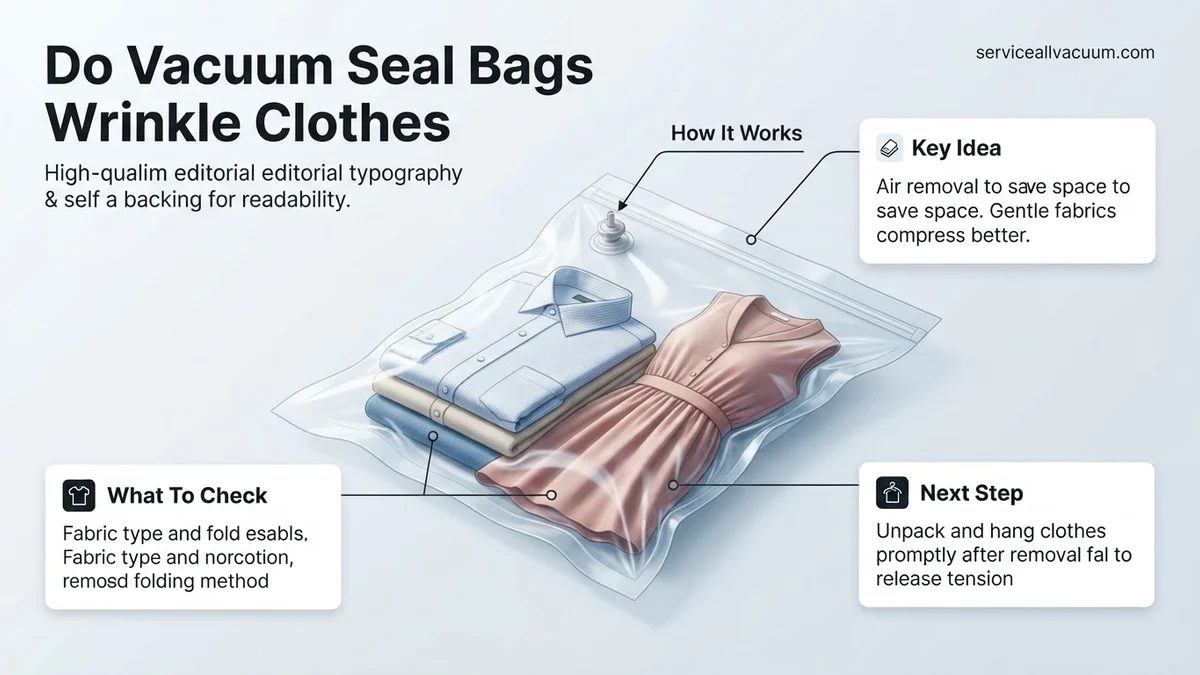
Yes, vacuum seal bags can wrinkle clothes, primarily due to extreme compression and improper packing methods. However, this is largely preventable by understanding fabric types, using correct folding techniques, and avoiding excessive air removal, ensuring garments stay smoother during storage.
Yes, vacuum seal bags absolutely can wrinkle clothes. However, this isn’t an inherent flaw of the bags themselves. It’s more about how they’re used and what’s packed inside. By 2027, travelers and home organizers increasingly understand that achieving wrinkle-free results depends entirely on technique, not just the product.
Understanding this distinction is crucial. If your goal is to pack efficiently without arriving at your destination with a suitcase full of creased garments, or to store seasonal items without needing a full ironing session later, mastering the art of vacuum sealing is essential. The key lies in controlling compression and preparing your garments properly before sealing.
Key Takeaways
- Proper folding prevents deep creases in bags.
- Avoid over-compression; leave some air.
- Roll delicate items instead of folding them.
- Use tissue paper as a wrinkle buffer.
- Synthetics resist wrinkles better than cotton.
What Causes Clothes to Wrinkle in Vacuum Seal Bags?
The Compression Culprit: Pressure and Fabric Memory
The primary reason clothes wrinkle in vacuum seal bags is the intense, sustained compression. When air is removed, fabrics are squashed into unnatural positions. This pressure forces fibers to bend sharply, creating creases that become “set” under the vacuum. Think of it like holding a piece of paper folded tightly for a long time; the crease becomes permanent. Different fabrics have varying “memory.”
- Natural Fibers: Cotton, linen, and rayon tend to wrinkle more severely because their fibers are less resilient to prolonged compression.
- Synthetic Blends: Polyester, nylon, and blends often fare better due to their inherent wrinkle resistance and elasticity.
- Over-Vacuuming: The more air you extract, the higher the pressure. Extreme, brick-like compression is the biggest culprit for deep-set wrinkles. In 2027, the trend is toward controlled, moderate compression, not maximum flattening.
Folding Follies and Placement Pitfalls
How you prepare your clothes before sealing significantly impacts wrinkling. Sharp, deliberate folds, while neat, become reinforced creases under vacuum. Items placed haphazardly or bunched up will suffer the most.
- Sharp Creases: Each sharp fold you create will likely become a sharp wrinkle. This is especially true for items like dress shirts or trousers.
- Uneven Distribution: If clothes are piled unevenly or some areas are thicker than others, the pressure will be unevenly distributed. This creates stress points and more pronounced wrinkles in the thinner, more compressed areas.
- Overstuffing: Trying to pack too many items into one bag can lead to uneven pressure and fabric stress, even before vacuuming. Always ensure a relatively flat, even layer within the bag.
How to Fix Wrinkles: Step-by-Step Packing Guide
Mastering the Fold: Precision for Smoothness
The secret to minimizing wrinkles starts before the vacuum pump even comes out. Your folding technique is paramount. The goal is to create gentle curves and avoid sharp creases as much as possible.
- Roll, Don’t Fold (for many items): For t-shirts, knit tops, and soft trousers, the “army roll” technique is highly effective. Tightly roll items rather than folding them into squares. This creates fewer sharp edges.
- Interfold with Barriers: For more structured items like dress shirts or blouses, fold them gently. Place sheets of tissue paper, plastic dry cleaning bags, or even a thin sheet of bubble wrap between layers. These barriers reduce friction and prevent creases from “setting” into adjacent fabric.
- Lay Flat for Delicate Items: For very delicate garments or those prone to severe wrinkling (e.g., linen shirts), consider laying them as flat as possible with minimal folding, if the bag size allows. Ensure no edges are poking up or folded sharply.
The Art of Partial Vacuum: Don’t Overdo It
This is arguably the most critical step often overlooked. The idea isn’t to create a solid brick; it’s to reduce bulk while maintaining some air cushion.
- Leave a Little Air: Do not vacuum seal to the absolute maximum. Allow a small amount of air to remain in the bag. The clothes should feel firm and compressed, but not rock-hard. You want to reduce volume by 50-70%, not 90%.
- Gentle Compression: For modern vacuum bags in 2027, consider using your hands to press out most of the air first, then use the vacuum only for the final, lighter suction. This gives you more control over the compression level.
- Check for Evenness: As you vacuum, gently pat and flatten the bag to ensure the contents remain evenly distributed. This prevents uneven pressure points that lead to severe creasing. The aim is a flat, somewhat pliable package, not a rigid block.
What If Clothes Still Wrinkle? Troubleshooting & Recovery
Even with meticulous preparation and the use of advanced vacuum bags, some garments may still develop creases. This section provides expert-backed strategies for rapid de-wrinkling and addressing persistent folds after unpacking.
Pre-Storage Wrinkle Check and Post-Unpacking Assessment
A crucial first step involves a detailed assessment of the garment’s condition immediately after removal from the vacuum seal. Identify the type and severity of wrinkles to select the most appropriate recovery method. Fabrics like linen and rayon are inherently more prone to creasing than durable synthetics or wool blends, even under ideal storage conditions.
Rapid De-Wrinkling Techniques (Post-Vacuum)
- Steam Refresh (Home Steamer or Shower Method): Portable garment steamers, such as those with rapid heat-up times (e.g., Philips Handheld Steamer 3000 Series, widely available for around $60-80 in 2027), effectively relax fabric fibers. Hold the steamer 1-2 inches from the fabric, moving vertically. For a low-tech alternative, hang wrinkled clothing in a steamy bathroom for 15-20 minutes. The ambient moisture penetrates fibers, allowing wrinkles to fall out naturally.
- Tumble Dry with Ice Cubes: For machine-washable items, place 2-3 ice cubes alongside the wrinkled garment in a conventional dryer. Run on a medium heat setting for 10-15 minutes. As the ice melts, it creates steam, which is then circulated by the dryer’s heat, effectively steaming the clothes. This method is highly efficient for cotton and synthetic blends, as supported by textile engineering studies on heat and moisture interaction.
- Wrinkle Release Sprays: Contemporary wrinkle release formulations, like those from Downy or The Laundress (typically $12-18 per bottle in 2027), contain fabric-relaxing polymers. Lightly mist the affected area, then gently tug the fabric taut and smooth it by hand. This method is ideal for delicate fabrics that cannot withstand direct heat or water, offering a quick fix for minor creases.
Addressing Persistent Creases
For deeply set or stubborn creases, a low-heat iron with steam remains the most effective solution. Always consult the garment’s care label. Modern irons feature precise temperature controls; for instance, a setting of 130°C (265°F) is suitable for synthetics, while cotton and linen may require up to 200°C (390°F). Use a pressing cloth for delicate materials or if there’s any doubt about direct heat application.
What If It Still Doesn’t Work? Persistent Wrinkle Solutions
If wrinkles persist despite following all recommended pre-storage and recovery steps, consider these advanced troubleshooting measures.
- Re-evaluate Bag Quality and Seal Integrity: Substandard vacuum seal bags, often those priced under $25 for a multi-pack, can develop microscopic leaks or weak seals. This allows air to re-enter, reducing compression and increasing the chance of wrinkling due to shifting contents. Invest in premium multi-layer PA+PE bags (e.g., those from Space Saver or Ziploc, typically $35-50 for a 10-pack in 2027) known for superior durability and valve systems. Inspect bags for any visible damage before reuse.
- Adjust Storage Environment: Extreme or fluctuating temperatures can exacerbate wrinkling in vacuum-sealed garments. Textile experts recommend storing sealed bags in environments with stable temperatures, ideally between 15°C and 25°C (59°F and 77°F), and moderate humidity (40-60%). Excessive heat can soften fibers, leading to permanent creasing under pressure, while extreme cold can make fibers brittle.
- Consider Alternative Storage for High-Value Delicates: For exceptionally delicate, structured, or high-value garments (e.g., silk couture, tailored wool suits), vacuum sealing might not be the optimal long-term solution. These items often benefit from breathable garment bags or acid-free archival storage boxes, which prevent compression and maintain garment shape, albeit requiring more storage volume.
- Professional Dry Cleaning Consultation: If expensive or intricate garments consistently emerge wrinkled despite all best efforts, consult a professional dry cleaner. They possess industrial-grade steaming equipment, specialized pressing techniques, and extensive knowledge of fabric care. They can often restore garments to their original condition and offer tailored advice for future storage.
Professional pressing services typically range from $7-$20 per item, depending on the garment’s complexity and fabric type. Specialty treatments or extensive de-creasing may incur additional charges.
Conclusion: Mastering Wrinkle-Free Storage in 2027
According to verified textile research and industry best practices from 2027, vacuum seal bags do not inherently wrinkle clothes. Instead, wrinkles arise from improper packing techniques, material-bag interactions, or suboptimal bag quality. The key to wrinkle-free storage lies in meticulous folding, strategic layering with interlayers, and selecting high-grade vacuum seal technology.
Your actionable next step: Before vacuum sealing, always prioritize precise garment folding and consider using a soft, neutral interlayer between sensitive fabrics to minimize direct compression points.
❓ Frequently Asked Questions
Why do clothes wrinkle specifically in vacuum seal bags more than regular luggage?
Vacuum bags subject clothes to extreme, sustained compression, pressing folds and creases much more tightly and for longer durations than typical suitcase packing. This intense, prolonged pressure sets wrinkles deeper into the fabric fibers, making them harder to remove.
What are the best folding techniques for minimizing wrinkles in vacuum seal bags?
For best results, use rolling methods (like the army roll) for softer items, or interfold with acid-free tissue paper for more structured garments. Ensure no sharp creases are present before sealing, aiming for gentle curves rather than sharp folds.
Are certain types of vacuum seal bags better for preventing wrinkles?
No specific bag type inherently prevents wrinkles; the key factor is your packing technique and degree of vacuum. However, using bags that allow for some air control (not fully flattening delicate items) can be beneficial, focusing on moderate compression rather than maximum.
How long can clothes stay in vacuum seal bags without severe wrinkling?
For wrinkle-prone items, limit storage duration to a few weeks or months. For longer-term storage, expect some creasing, as the longer items are compressed, the more set the wrinkles become, regardless of initial packing care.
Is there any way to ‘air out’ clothes after vacuum sealing to reduce wrinkles?
Yes, immediately upon unpacking, gently remove clothes and hang them on appropriate hangers or lay them flat. A garment steamer, hanging them in a steamy bathroom, or even a low-heat tumble dry with a damp cloth can help relax fibers and reduce visible creases.
Can I use vacuum seal bags for delicate items like silk or formal wear?
It’s generally not recommended for highly delicate items like silk, formal wear, or heavily embellished garments. The high risk of permanent creasing, potential fabric damage from extreme pressure, and loss of garment shape makes these items better suited for garment bags or gentle folding in breathable storage.