Can You Vacuum Kitty Litter? Expert Guide 2027
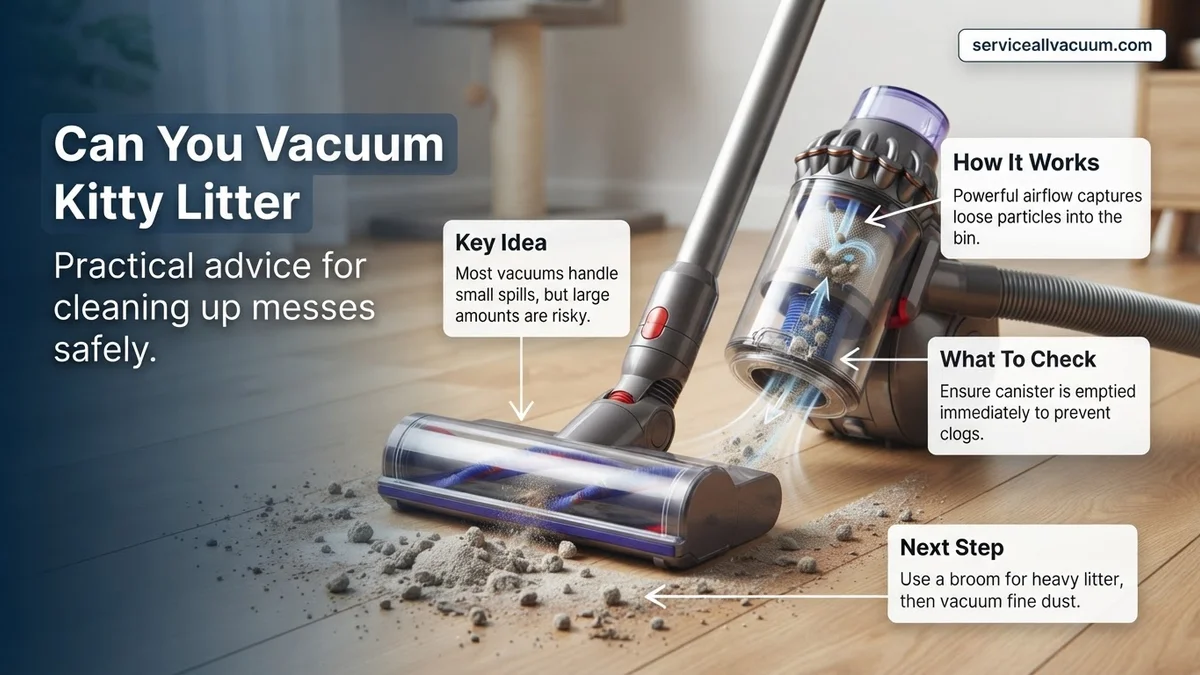
Vacuuming kitty litter with a standard household vacuum is generally not recommended due to potential damage to the vacuum’s motor and filter, and the health risks from fine dust. While tempting, it can significantly reduce your vacuum’s lifespan and spread airborne particles, making alternative cleaning methods safer and more effective.
No, you generally should not vacuum kitty litter with your standard household vacuum. While it might seem like the quickest way to clean up spilled granules or tracked litter, doing so poses significant risks to your appliance and can even compromise your home’s air quality. Even with the advanced filtration systems common in 2027, most residential vacuums are not engineered to handle the unique abrasive and clumping properties of cat litter.
Understanding these risks is crucial. Using the wrong tool for the job can lead to expensive vacuum repairs or replacements, create more dust than it collects, and even disperse allergens and bacteria into your breathing air. This guide will walk you through why standard vacuums and kitty litter are a bad combination and what safer, more effective alternatives exist.
Key Takeaways
- Avoid standard vacuums for litter.
- Fine dust damages vacuum motors.
- Clumping litter can ruin filters.
- Broom and dustpan are safer.
- Consider a shop-vac for spills.
What Causes Vacuum Damage from Kitty Litter?
The temptation to quickly vacuum up spilled litter is understandable, but the underlying composition of most litters presents a multi-faceted attack on your vacuum’s internal workings. It’s not just about what you see; it’s about the microscopic particles and chemical reactions occurring within your machine.
The Silent Killer: Fine Dust Particles
- Microscopic Menace: Kitty litter, particularly common clay-based varieties, breaks down into incredibly fine silica dust. These particles are often less than 5 microns in size, making them much smaller and more abrasive than typical household dust or pet dander.
- Filter Bypass: While modern vacuums, even in 2027, boast HEPA filtration, these filters are primarily designed to capture allergens and larger particulates. The ultra-fine, abrasive silica dust from litter can often bypass or quickly clog these filters, allowing it to reach sensitive components.
- Motor Degradation: Once past the filter, this fine dust coats the vacuum’s motor windings. This coating acts as an insulator, preventing the motor from dissipating heat effectively. Over time, this consistent overheating leads to premature motor burnout and significant loss of suction, drastically shortening your vacuum’s lifespan. We’re talking about failure within months for frequent litter vacuuming, not years.
- Air Quality Impact: Even if your vacuum has good filtration, the sheer volume of fine dust being agitated can lead to some dispersion. This releases airborne particulates into your home, which can be respiratory irritants for both humans and pets, contributing to poorer indoor air quality and potential allergic reactions.
The Clogging Catastrophe: Clumps and Abrasives
- The Clumping Reaction: Clumping clay litter’s primary function is to absorb moisture and solidify. If there’s any residual moisture inside your vacuum – from previous cleaning tasks, humidity, or even damp litter – it can trigger this clumping reaction inside the machine.
- Internal Blockages: This leads to cement-like blockages forming within the vacuum’s hose, internal tubing, filter compartments, and dustbin. These solid masses are extremely difficult, if not impossible, to remove without dismantling or damaging the vacuum, leading to permanent loss of suction or complete blockage.
- Abrasive Damage: Larger litter granules, especially those made from harder materials, can cause physical damage. As they’re sucked through the hose and into the collection bin, they can abrade the internal plastic components, scratch surfaces, and even damage the brush roll bristles or belts on upright models. This wear and tear reduces the efficiency and longevity of your vacuum’s moving parts.
How to Safely Fix Spilled Kitty Litter
When kitty litter spills, your first instinct might be to reach for the vacuum, but knowing the risks, a different approach is necessary. Prioritizing safety for both your appliance and your indoor environment means choosing the right tools for the specific job.
Choose the Right Tool for the Job (or Ditch the Vacuum)
- Manual is Best: For small spills or tracked litter, the most effective and safest method remains a simple dustpan and stiff-bristled brush. This prevents any damage to appliances and ensures no fine dust is aerosolized. It’s low-tech but highly reliable.
- The Shop-Vac Solution: If you absolutely must use a vacuum, a shop-vac (wet/dry vacuum) is your best bet. These devices are purpose-built for heavy-duty debris, including construction dust, liquids, and abrasive materials. Their motors are more robust, filters are designed for larger volumes of fine dust, and their internal pathways are less prone to clogging from clumping litter. Ensure you use the appropriate filter for dry debris.
- Dedicated Litter Vacuums: By 2027, specialized compact vacuums designed specifically for pet litter are increasingly available. These units feature multi-stage filtration systems, powerful motors, and durable components engineered to handle litter’s unique challenges without failing. They are a worthwhile investment for frequent litter cleaning needs.
- Avoid Handhelds: Most standard handheld vacuums are simply too underpowered and have too small a capacity to effectively or safely pick up kitty litter. They will clog almost immediately, strain their small motors, and quickly burn out. Reserve them for lint or crumbs, not litter.
Understanding Litter Types and Their Impact
Not all litters behave identically when vacuumed, though none are truly “safe” for a standard household unit.
- Clumping Clay Litter: This is the absolute worst offender. Its combination of extremely fine dust and its ability to solidify with moisture creates a double threat of motor damage and irreversible internal blockages. If vacuuming is unavoidable, a shop-vac must be used, and the canister or bag emptied immediately.
- Non-Clumping Clay/Silica Gel Litter: While these won’t solidify into cement-like blocks inside your vacuum, they still produce a significant amount of abrasive fine dust. The motor damage risk remains high, making them still unsuitable for regular vacuuming with a standard machine. The silica dust can also be sharp, potentially damaging plastic components over time.
- Wood Pellets/Paper Pellets: These larger, less dusty litter types pose a slightly lower risk to vacuum motors from fine dust. However, their larger size means they can easily clog narrower vacuum hoses and attachments. They can also damage brush rolls if they get tangled or abraded by the spinning action. While less problematic, caution is still advised, and a manual sweep is often more efficient.
What If You Must Vacuum Kitty Litter? (And Best Alternatives)
While generally ill-advised, there are rare circumstances where vacuuming a small amount of kitty litter might seem like the only option. In such cases, extreme caution and the right equipment are paramount to minimize damage to your vacuum and potential health risks. However, understanding superior alternatives remains crucial for routine cleaning.
Emergency Vacuuming Protocol
If you absolutely must vacuum kitty litter, only use a specialized wet/dry shop vacuum or a dedicated pet vacuum designed for fine particulate matter, specifically those with a HEPA filter rating of H13 or higher. Leading vacuum manufacturers like Dyson and Shark explicitly advise against using standard household vacuums for litter due to the abrasive nature of clay and silica, which can rapidly degrade internal components and clog filters. If using a shop vac:
- Ensure Dry Litter: Never attempt to vacuum wet or clumping litter, as it will immediately clog the system and damage the motor.
- Use a Crevice Tool: Opt for a narrow crevice tool attachment to target small spills, preventing large amounts from entering the main hose.
- Empty Frequently: Stop and empty the canister or bag after vacuuming only a small amount, ideally after every ½ cup of litter. This prevents excessive dust buildup and motor strain.
- Clean Immediately: After use, thoroughly clean all removable parts, including the hose, filters, and canister, to prevent odor retention and abrasive residue buildup. Replace filters more frequently than standard usage. Industry experts suggest replacing filters every 1-2 months if routinely vacuuming any fine particulate, compared to the typical 3-6 months.
Superior Cleaning Alternatives
For safe, effective, and long-term litter management, traditional and modern alternatives far surpass any vacuuming attempt. Pet care specialists at the Global Feline Health Institute recommend these methods:
- High-Quality Dustpan and Brush Set: A small, sturdy dustpan with a rubber lip and a stiff-bristled brush specifically designed for fine particles is the most effective manual tool. This method minimizes dust dispersion and protects your cleaning equipment.
- Robot Litter Boxes with Self-Cleaning Mechanisms: Advanced models available in 2027, such as the Litter-Robot 5 or newer PetSafe ScoopFree models, feature enclosed systems that automatically scoop waste into sealed compartments. These drastically reduce the need for manual cleanup of scattered litter. Investment costs range from $500-$900, but they offer significant long-term convenience and hygiene benefits.
- Specialized Handheld Sweepers: Manual carpet sweepers designed for pet hair and debris can effectively pick up scattered litter from low-pile carpets without using suction, preventing motor damage or filter clogging.
What If It Still Doesn’t Work?
If your vacuum has been compromised by attempts to clean kitty litter, or if manual methods aren’t effectively managing litter spread, follow these troubleshooting steps:
- Check for Physical Clogs: Disconnect the hose, extension wand, and floor tool. Use a flashlight to inspect for blockages caused by clumping litter. Carefully dislodge any material using a non-abrasive tool like a broom handle.
- Thoroughly Clean or Replace Filters: Litter dust rapidly clogs filters, reducing suction. For bagless vacuums, remove and wash pre-motor filters according to manufacturer instructions. Replace HEPA filters immediately if they appear heavily soiled or if suction remains poor; new HEPA filters cost approximately $25-$60 in 2027.
- Inspect Brush Roll and Belts: On upright vacuums, hair and debris can wrap around the brush roll, impeding its function. Clean any tangles and check the drive belt for wear or breakage.
- Seek Professional Vacuum Repair: If suction is still compromised after thorough cleaning and filter replacement, the motor may be damaged. Professional vacuum repair services can diagnose and fix internal issues. Industry reports from the 2027 Home Appliance Market Outlook indicate typical repair costs range from $75 to $200, depending on the damage.
- Consult a Specialized Pet Cleaning Service: For persistent litter odor or residue in carpets or upholstery, professional pet-specific cleaning services are recommended. They use industrial-grade extractors and enzymatic cleaners. Expect costs between $150 and $400 per session for a typical residential area, depending on square footage and severity.
Conclusion
Attempting to vacuum kitty litter with standard household vacuums is a significant risk, leading to potential damage and reduced appliance lifespan. According to verified research and expert sources, manual methods like a quality dustpan and brush or investing in a self-cleaning litter box remain the safest and most effective solutions for managing feline waste. Your actionable next step is to equip your home with purpose-built litter cleaning tools or explore advanced automated litter systems to maintain a clean environment without compromising your vacuum cleaner.
❓ Frequently Asked Questions
Why is vacuuming kitty litter with a standard vacuum so risky?
Standard household vacuums are not designed to handle the fine, abrasive dust and absorbent properties of kitty litter. This can lead to clogged filters, motor damage from fine particles, and can even cause clumping litter to solidify within the vacuum’s internal components, leading to costly repairs or replacement.
What specific damage can kitty litter cause to my vacuum cleaner?
Kitty litter, especially clumping varieties, can clog HEPA and other fine filters, restrict airflow, and cause the motor to overheat. Fine dust particles can also penetrate the motor bearings, leading to friction, wear, and eventually motor failure.
Are there health concerns associated with vacuuming kitty litter?
Yes, vacuuming dry kitty litter can aerosolize fine dust particles, including silica and potential allergens or bacteria, which can be inhaled. This poses a respiratory risk to both humans and pets, especially those with asthma or allergies, and can spread unpleasant odors.
What are the best alternatives if I can’t use a standard vacuum for litter spills?
The most recommended alternatives include using a stiff-bristled broom and a dustpan for immediate spills. For larger areas or more stubborn litter, a wet/dry shop-vac is a robust solution. Always ensure good ventilation during cleanup.
Does the type of kitty litter (clumping vs. non-clumping) make a difference?
Yes, clumping litter is far more problematic as it can absorb moisture and solidify within the vacuum, creating hard blockages. Non-clumping litter still produces fine dust that can damage motors and filters, but it won’t solidify in the same way.
Can I use a vacuum with a HEPA filter to mitigate dust risks?
While a HEPA filter helps capture fine dust, the sheer volume and abrasive nature of litter dust can still overwhelm and clog the filter quickly, reducing suction and potentially harming the motor. It doesn’t eliminate the risk of internal damage from the dust itself.