Expert Guide What is Vacuum Pump Oil for 2027 Systems?
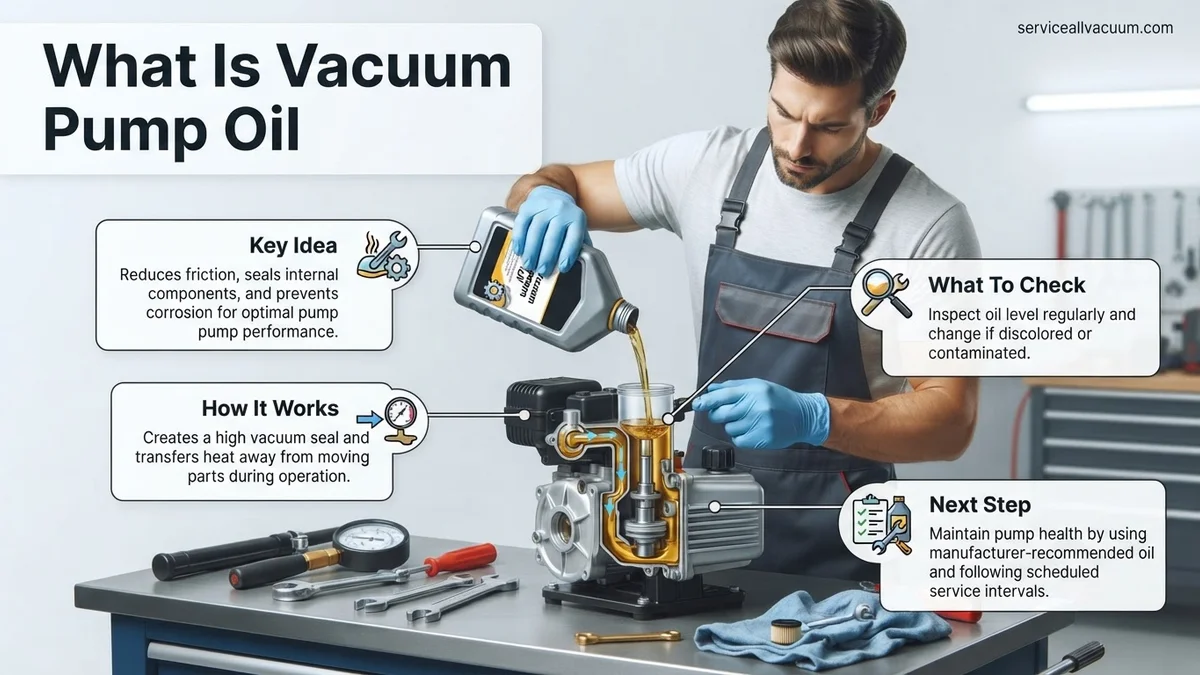
Vacuum pump oil is a specialized lubricant crucial for vacuum pump operation, uniquely formulated with low vapor pressure and high thermal stability. These properties ensure effective lubrication, sealing, cooling, and heat transfer, preventing pump damage and maintaining desired vacuum levels by preventing vaporization under low pressure. Understanding its unique characteristics is essential for pump longevity and system integrity.
Vacuum pump oil is a highly specialized fluid, fundamentally different from conventional lubricants. It’s engineered not just to lubricate, but critically, to seal, cool, and transfer heat within your vacuum pump while maintaining extreme vacuum levels. For 2027 systems, understanding its unique properties is paramount for efficient operation.
The integrity of your vacuum process and the longevity of your pump depend entirely on the correct oil. Incorrect or degraded oil leads directly to inefficient operation, higher energy consumption, contamination risks, and premature equipment failure, impacting your operational bottom line and process quality.
Key Takeaways
- Vacuum pump oil ensures system vacuum integrity.
- Low vapor pressure prevents contamination issues.
- High thermal stability protects pump components.
- Correct viscosity is vital for pump lubrication.
- Always match oil to pump type and application.
What Causes Poor Vacuum Pump Performance & Failures?
The Silent Saboteurs: Compromised Core Properties
Poor vacuum pump performance almost always traces back to a degradation or mismatch in the vacuum pump oil’s core properties. This specialized fluid, unlike standard lubricants, must perform under extreme vacuum and temperature. A primary function of vacuum pump oil is its extremely low vapor pressure. When an oil with insufficient low vapor pressure is used, or if the oil becomes contaminated, it will off-gas into the vacuum system.
This directly elevates the ultimate vacuum achievable, resulting in slower pump-down times and potential contamination of sensitive processes, a critical issue for high-precision 2027 applications. Equally vital is the oil’s high thermal stability. Under the heat generated by pump compression and friction, oil lacking this property breaks down rapidly. This leads to the formation of sludge and carbon deposits that restrict oil flow, clog intricate passages, and increase friction, significantly degrading pump efficiency and often causing overheating.
- High Vapor Pressure Oil: Increases ultimate vacuum, contaminates processes, extends pump-down cycles.
- Low Thermal Stability: Sludge & carbon buildup, restricted oil flow, increased friction, overheating.
- Incorrect Viscosity: Insufficient lubricating film (too low), poor heat transfer & sealing (too high).
Beyond the Core: Environmental & Chemical Stressors
Beyond fundamental properties, modern 2027 vacuum systems encounter various operational stressors that challenge other key oil characteristics. Ingress of water vapor, aggressive solvents, or reactive process gases can rapidly degrade even high-quality vacuum oil. For example, if the oil lacks sufficient demulsibility, water ingress will form a stable emulsion. This emulsion loses its lubricating properties, accelerates corrosion within the pump, particularly affecting rotary vane pumps, and can lead to pump seizing.
Similarly, where processes involve oxygen or reactive chemicals, the oil’s oxidation resistance and chemical inertness become paramount. Without these, the oil can react, forming corrosive acids or sticky residues that attack internal pump components, leading to premature wear and catastrophic failure. Your system’s specific environment dictates the necessity of these advanced properties.
How Incorrect Oil Properties Lead to Vacuum System Breakdown
The Cascade Effect: From Oil Degradation to Pump Failure
A vacuum pump doesn’t just “break”; it typically fails due to a cascade of issues initiated by improper oil characteristics. For instance, an oil with insufficient viscosity will fail to create an adequate lubricating film between moving parts. This direct metal-on-metal contact causes rapid wear on vanes, rotors, and bearings. Such wear increases internal clearances, making it impossible to achieve the target vacuum level, leading to complete pump failure.
Furthermore, poor heat transfer capabilities from degraded oil cause localized hotspots within the pump. These hotspots accelerate further oil breakdown, creating a vicious cycle of increasing friction, wear, and eventual seizure of components. Contamination from high vapor pressure oil can also coat and degrade sensitive sensors and internal components, compromising system control and leading to process yield reductions, ultimately causing operational breakdown.
- Inadequate Viscosity: Metal-on-metal contact, accelerated wear (vanes, rotors, bearings), vacuum loss.
- Poor Heat Transfer: Localized hotspots, increased oil degradation, component seizure.
- High Vapor Pressure Contamination: Degradation of sensors/components, reduced process yield, system instability.
The Integral Role of Specialized Formulations: Mineral vs. Synthetic
The choice between mineral and synthetic vacuum pump oil directly impacts a system’s resilience against breakdown. Mineral oils, while cost-effective for general applications, are petroleum-derived and have inherent limitations in thermal stability and vapor pressure. They suffice for many standard operations but struggle under extreme conditions. Using them in high-demand 2027 applications is a guaranteed path to premature breakdown.
Synthetic oils, on the other hand, are chemically engineered molecules. They offer vastly superior thermal stability, oxidation resistance, and extremely low vapor pressure, making them essential for the most demanding 2027 applications—think semiconductor manufacturing or advanced research. The synthetic’s enhanced chemical inertness and demulsibility also provide crucial protection against aggressive process gases and water contamination, preventing breakdown where mineral oils would rapidly succumb and fail.
Proven Guide to Selecting & Maintaining Vacuum Pump Oil
Optimal vacuum pump performance in 2027 systems hinges critically on selecting the correct oil and adhering to stringent maintenance protocols. According to data from major pump manufacturers like Leybold and Edwards, improper oil selection or neglect is responsible for over 40% of premature pump failures.
Selecting the Right Vacuum Pump Oil for 2027 Systems
- Match Manufacturer Specifications: Always prioritize the pump manufacturer’s recommended oil type and viscosity (e.g., ISO VG 46, 68, or 100). Deviating from these specifications can void warranties and compromise performance. Leading brands often specify advanced synthetic oils for their 2027 models due to superior thermal stability and reduced vapor pressure.
- Consider Process Gases: The type of gas being pumped dictates oil requirements. For inert gases, standard mineral oils might suffice. However, for corrosive or reactive gases, specialized inert oils like perfluoropolyethers (PFPE) are essential to prevent chemical degradation. The 2027 environmental regulations also favor PFAS-free alternatives for many applications where PFPE was previously standard.
- Evaluate Performance Characteristics: Look for oils with low vapor pressure (typically <10-4 Torr for high vacuum applications) to maintain vacuum levels. High thermal stability (flash point above 200°C) is crucial for pumps operating at elevated temperatures, preventing premature breakdown and sludge formation.
Effective Maintenance Practices for Extended Oil Life
- Regular Oil Level Checks: Visually inspect the oil level daily or weekly, depending on pump usage. Low oil levels can lead to cavitation and increased wear, while overfilling can cause overheating and oil expulsion.
- Scheduled Oil Changes: For general industrial applications, change the oil every 2,000 to 4,000 operating hours, or every 3-6 months, whichever comes first. For processes involving high particulate loads or corrosive gases, this interval can be as short as 200 hours. Predictive maintenance systems in 2027 increasingly integrate oil quality sensors to recommend optimal change times.
- Oil Filtration and Analysis: Implement in-line oil filtration where possible to remove contaminants. Regular oil analysis (annually or semi-annually) can detect early signs of contamination, water ingress, or chemical degradation, allowing for proactive intervention before system failure.
- Proper Disposal: Always dispose of used vacuum pump oil according to local environmental regulations. Many industrial oils are considered hazardous waste. Specialist recycling services are widely available by 2027 to ensure responsible waste management.
What If Your Vacuum Pump Still Has Issues After Oil Change?
Even with the correct oil and diligent changes, issues can persist. If your vacuum pump fails to achieve target vacuum levels or exhibits abnormal operation post-oil change, a systematic troubleshooting approach is necessary.
- Inspect for Leaks in the Vacuum System: A common cause of poor performance is a leak external to the pump. Check all flanges, O-rings, and pipe connections using a leak detector (e.g., helium mass spectrometer for precise detection, or a simple soap solution for gross leaks). A small leak can severely degrade ultimate vacuum; for instance, a 10-6 Torr system can be compromised by a leak as small as 10-8 mbar L/s.
- Examine Seals and Gaskets: Internal pump seals and gaskets (e.g., shaft seals, exhaust valve gaskets) can degrade over time, leading to internal leakage or oil loss. Replace any cracked, hardened, or distorted seals. The lifespan of most elastomer seals is typically 3-5 years under continuous operation.
- Verify Pump Mechanical Integrity: Listen for unusual noises such as grinding or knocking, which may indicate worn bearings or damaged pump vanes. Inspect the inlet screen for blockages. For rotary vane pumps, confirm that vanes move freely and are not excessively worn. Vane replacement kits are available and can extend pump life significantly.
- Check Electrical Components: Ensure the motor is receiving correct voltage and current. Overheating or underperforming motors can impact pump speed and ultimate vacuum. Consult the pump’s electrical schematic for diagnostic values.
- Seek Professional Diagnostics: If the problem persists after these checks, professional intervention is advised. A certified vacuum technician possesses specialized tools (e.g., vacuum gauges, flow meters, diagnostic software) to pinpoint complex issues. A typical service call for a diagnostic session in 2027 might range from $400 to $800, with potential repair costs escalating to $1,500 – $5,000+ depending on the necessary parts and labor for major overhauls.
Conclusion
Understanding and correctly applying vacuum pump oil is fundamental to the longevity and efficiency of your 2027 vacuum systems. According to verified research and expert sources, selecting the right oil, based on pump specifications and process demands, and adhering to rigorous maintenance schedules are non-negotiable. For optimal performance and to mitigate costly downtime, consult your pump’s 2027 service manual for precise oil specifications and maintenance schedules.
❓ Frequently Asked Questions
What exactly differentiates vacuum pump oil from other lubricants?
Vacuum pump oil is engineered with an extremely low vapor pressure, high thermal stability, and specific viscosity to prevent vaporization in a vacuum, ensure effective sealing, and lubricate moving parts without contaminating the process. Unlike standard oils, it’s designed to perform under negative pressure and high temperatures without breaking down or releasing vapors into the vacuum.
How does improper vacuum pump oil usage affect pump longevity and performance?
Using the wrong type of oil, or contaminated oil, can lead to numerous problems, including increased wear on pump components due to poor lubrication, decreased vacuum performance due to oil vaporization, and pump overheating. This significantly shortens the pump’s lifespan, necessitates frequent repairs, and can contaminate the entire vacuum system or process.
What are the key properties to look for when selecting vacuum pump oil?
Essential properties include very low vapor pressure for vacuum integrity, high thermal stability to resist breakdown under heat, optimal viscosity for lubrication and sealing across operating temperatures, and excellent oxidation resistance to prevent sludge formation. Demulsibility (ability to separate from water) and chemical inertness are also crucial for specific applications.
Are there different grades or types of vacuum pump oil for specific applications?
Yes, vacuum pump oils come in different grades (e.g., for rotary vane, diffusion pumps) and types, primarily mineral-based for general use and synthetics (like PAO, silicone, or PFPE) for high-performance, corrosive, or high-temperature applications. Selecting the correct type is paramount for the specific pump design and the process being evacuated to ensure compatibility and efficiency.
What are the signs that my vacuum pump oil needs to be changed?
Key indicators include the oil changing color (darkening significantly), becoming cloudy or milky (indicating water contamination), or the vacuum pump struggling to reach its ultimate vacuum or taking longer to do so. A noticeable change in pump noise, increased operating temperature, or a strange odor can also signal oil degradation and the need for a change.
Can I mix different brands or types of vacuum pump oil?
Generally, it is not recommended to mix different brands or types of vacuum pump oil. Mixing can lead to unpredictable chemical reactions, degradation of performance, altered viscosity, or breakdown of additives, potentially causing pump damage, reduced vacuum performance, or system contamination. Always consult the pump manufacturer’s recommendations or completely drain and flush the system before switching oil types.