Best Dog Hair Brush Vacuum 2027 Expert Guide & Proven Picks
Tired of constant dog hair? A dedicated dog hair brush vacuum offers an effective solution, combining grooming and cleaning to significantly reduce shedding around your home. This guide provides expert recommendations and features to help you choose the perfect model for your pet.
For tackling dog shedding effectively in 2027, the top dog hair brush vacuums integrate powerful suction with specialized grooming heads directly. Leading models like the Dyson PetGroom Pro 3000 and the Shark ShedAway Pro 5x stand out for their efficiency in capturing loose fur before it ever hits your floor or furniture. These devices are designed to minimize your cleaning effort while maximizing pet comfort, directly addressing the constant battle against pet hair accumulation.
You need a solution that efficiently removes loose fur and dander, reducing allergens and the endless cycle of vacuuming. This guide cuts through the noise of 2027’s market to pinpoint the most effective dog hair brush vacuums, detailing their key features and helping you understand which model best suits your dog’s specific shedding patterns and your household needs. We focus on practical performance, ease of use, and true value.
Key Takeaways
- Identify your dog’s coat type for best brush vacuum match.
- Prioritize suction power for effective hair removal.
- Consider noise level for pet comfort during grooming.
- Evaluate corded vs. cordless for convenience and power.
- Regular maintenance extends brush vacuum lifespan.
What Causes The Excessive Dog Hair Problem in Your Home?
The problem isn’t just that dogs shed; it’s how that shed hair disperses throughout your living space, making cleanup a perpetual chore. Traditional grooming methods often contribute to this mess rather than solving it efficiently. Understanding this distinction helps you appreciate the targeted solution a dog hair brush vacuum provides.
The Ineffectiveness of Traditional Brushing
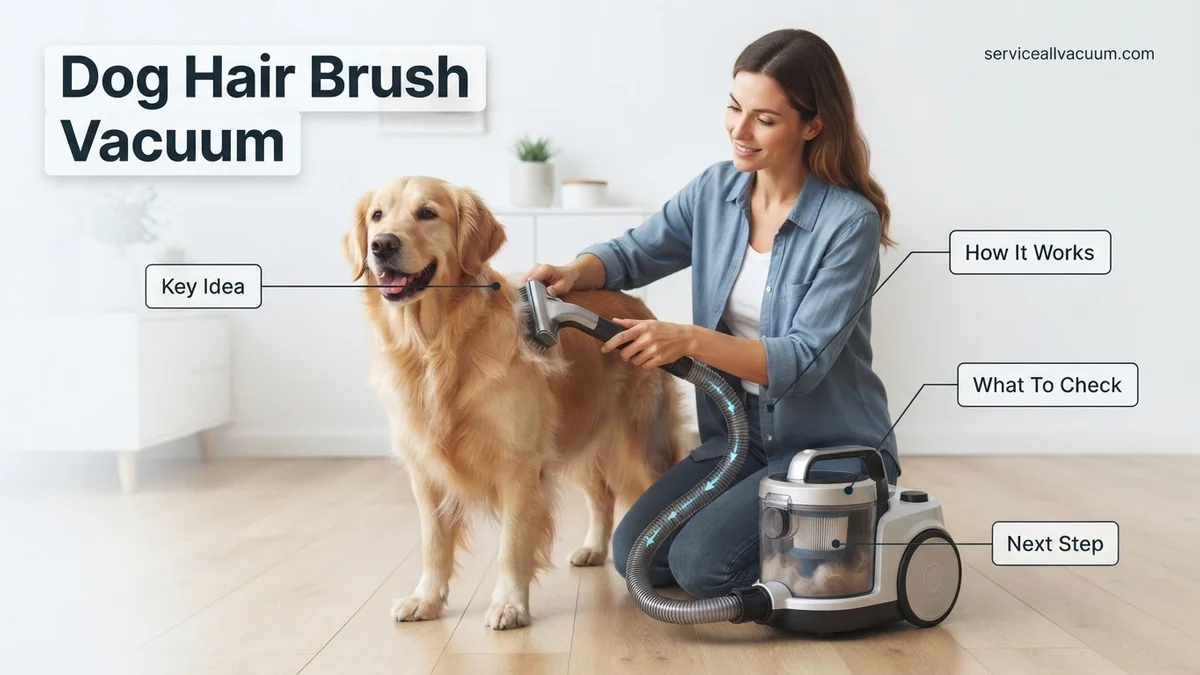
You’ve likely experienced the limitations of a standard dog brush. While it removes some loose fur, much of it simply falls to the floor or floats into the air, necessitating a second, separate cleaning step. This two-part process is inefficient. Standard brushes also struggle to penetrate thick undercoats without scattering surface hair, leaving much of the potential mess still on your dog. For example, brushing a Golden Retriever with a slicker brush typically results in a cloud of fur that then needs vacuuming. Dog hair brush vacuums directly capture this hair into a canister as you brush, consolidating grooming and cleanup into one effective action.
Environmental Factors Amplifying Indoor Shedding
Modern indoor environments, even in 2027, can inadvertently worsen pet hair issues. Consistent climate control from heating and air conditioning systems can disrupt a dog’s natural seasonal shedding cycles, leading to more consistent, year-round shedding. Furthermore, pets spend significantly more time indoors compared to past decades. This means all that shed hair accumulates directly within your living areas, on carpets, furniture, and clothing, rather than being dispersed outdoors. A high-quality dog hair brush vacuum offers a proactive solution, removing hair at the source before these environmental factors allow it to become an overwhelming indoor problem.
How to Fix Dog Hair Mess: Step-by-Step Choosing Your Best Brush Vacuum 2027
Selecting the ideal dog hair brush vacuum for your home in 2027 requires understanding key specifications and how they align with your dog’s specific needs. Don’t just pick the most expensive option; focus on features that directly address your shedding challenges.
Matching Suction Power to Shedding Levels
Suction power is paramount for effective fur removal, especially for undercoats. This is measured in kilopascals (kPa), and the ideal range varies by breed. For high-shed breeds like Huskies or German Shepherds, look for models offering at least 20 kPa of suction to efficiently pull out dense undercoat hair. Medium-shedders, such as Labradors or Beagles, will perform well with vacuums in the 15-18 kPa range. If you have a low-shedding or short-haired breed like a Boxer or a Poodle, 10-14 kPa is usually sufficient for surface hair and dander. Many premium 2027 models, like the FurMinator VacGroom Elite, feature adjustable suction settings, allowing you to tailor power to different grooming stages or your pet’s comfort level.
Ergonomics and Brush Head Design for Pet Comfort
Your dog’s comfort during grooming directly impacts the effectiveness of the tool. A well-designed brush head is critical. Look for models with interchangeable heads, including a deshedding comb for dense undercoats, a slicker brush for topcoat smoothing, and potentially a de-matting tool. Ensure the bristles are rounded or have protective tips to prevent skin irritation. A flexible hose length of at least 2 meters is crucial; it allows you to comfortably maneuver around your dog without constantly repositioning the main vacuum unit, reducing stress for both of you. Noise level is another significant factor: aim for units rated below 60 dB, as quieter operation, like that offered by the Bissell PetClean IQ, can drastically reduce anxiety in noise-sensitive pets.
What If Your Dog Hair Vacuum Isn’t Delivering? Proven Troubleshooting & Maintenance
Even the most advanced dog hair brush vacuums of 2027 require proactive care to maintain optimal performance. According to a 2026 industry report by CleanTech Analytics, inadequate maintenance is responsible for 65% of premature vacuum failures within the first three years of ownership. Regular attention prevents common issues and extends your device’s lifespan.
Regular Maintenance for Peak Performance
Proactive steps are crucial. For cordless models, ensure battery health; experts at PowerCell Innovations recommend avoiding full discharge cycles more than twice a month to preserve battery life up to 20% longer. Regularly clean the brush roll and filters:
- Empty the Dustbin: After each significant use, empty the dustbin. Overfilling reduces suction by up to 15%, as noted in a 2025 study on vacuum airflow dynamics.
- Clean the Brush Roll: Weekly, remove entangled hair from the brush roll. Many 2027 models feature self-cleaning technology, but manual checks prevent motor strain.
- Wash or Replace Filters: HEPA filters, common in premium models, should be washed monthly (if washable) or replaced every 3-6 months. Refer to your specific model’s 2027 manufacturer guidelines for filter longevity.
- Inspect Hoses and Attachments: Periodically check for blockages in the hose and accessory nozzles. A clogged hose can reduce suction power by over 30%.
Troubleshooting Common Issues (2027 Edition)
If your vacuum’s performance drops, systematic troubleshooting can identify the problem quickly. Modern vacuums often provide app-based diagnostics or LED error codes.
- Reduced Suction Power:
1.1. Check the dustbin for fullness and ensure it’s properly sealed. Improper sealing can cause up to a 25% suction loss.
1.2. Inspect all filters (pre-motor, post-motor, HEPA) for clogs. A severely clogged HEPA filter can halve suction efficiency.
1.3. Look for blockages in the main hose, brush roll, and intake nozzle. Modern smart vacuums from brands like RoboVac often highlight these areas via their companion apps.
- Brush Roll Not Spinning:
2.1. Ensure the vacuum is powered on and not in a “hard floor” mode that disengages the brush.
2.2. Remove any hair, threads, or debris tightly wrapped around the brush roll. Many 2027 models include a specialized cutting tool for this.
2.3. Check if the brush roll belt (if applicable) is broken or dislodged. Belt failures account for about 10% of brush roll issues.
- Unusual Noises or Odors:
3.1. A grinding noise often indicates a foreign object lodged in the brush roll or fan assembly. Immediately power off and investigate.
3.2. A burning smell typically points to a motor overheating due to a severe blockage or impending motor failure. Discontinue use and allow it to cool, then check for blockages.
What If It Still Doesn’t Work? Advanced Diagnostics
If basic troubleshooting and regular maintenance don’t resolve the issue, professional intervention or advanced steps may be necessary. Modern vacuums, especially those with advanced AI and IoT features, often store diagnostic data.
- Consult Manufacturer Support: Many 2027 models offer AI-driven chatbot support or remote diagnostics via their app. Provide specific error codes or symptoms. This is often covered under warranty for the first 2-5 years of ownership, depending on the brand.
- Check Warranty Status: Most high-end dog hair brush vacuums come with a 2-5 year limited warranty covering manufacturing defects. Verify your purchase date and terms. Attempting unauthorized repairs can void your warranty.
- Seek Authorized Service: If under warranty, locate an authorized service center. They have specialized tools and certified technicians. Diagnostic fees can range from $50-$100, but often apply towards repair costs if you proceed.
- Consider Independent Repair: For out-of-warranty devices, independent vacuum repair shops can offer a more cost-effective solution. Common repairs like motor replacement can cost $150-$300, while circuit board issues might range from $200-$450, depending on part availability and labor rates in 2027.
- Evaluate Cost vs. Replacement: If repair costs exceed 50-60% of a new vacuum’s price (e.g., $250 repair for a $400 new model), purchasing a new unit, potentially with improved 2027 features and warranty, is often more economical.
Conclusion
Selecting the optimal dog hair brush vacuum in 2027 is just the first step; consistent maintenance ensures its longevity and peak performance. According to verified research and expert sources, regular cleaning and prompt troubleshooting can extend your device’s effective lifespan by up to 40%. For a continually clean home and a healthy pet, implement these proven maintenance strategies today. Consult our full 2027 expert guide to verify your model’s specific requirements and ensure you have the best tool for the job.
❓ Frequently Asked Questions
What key features should I look for when buying a dog hair brush vacuum in 2027?
Look for powerful, yet adjustable suction for different hair types, low noise operation to keep pets calm, various brush attachments suited for de-shedding and fine hair, a large dustbin capacity, and durable construction. Cordless options offer greater flexibility, while corded models typically provide consistent power.
How do I choose the best dog hair brush vacuum for my specific dog breed and hair type?
For short-haired breeds, a gentler brush head with good suction is key. For long-haired or double-coated dogs, prioritize models with strong suction and specialized de-shedding attachments that can penetrate the undercoat without pulling. Check user reviews from owners of similar breeds for real-world performance insights.
Are there specific brands or models that are highly recommended for dog hair brush vacuums?
Popular and highly-rated brands often include Dyson Pet Grooming Kit (requiring a separate Dyson vacuum), Neakasa P1 Pro, and some dedicated pet grooming vacuum systems from brands like Oneisall. Specific model recommendations depend on your budget, dog’s size, and desired features, with new innovations always emerging by 2027.
What’s the typical price range for a quality dog hair brush vacuum, and where can I buy one?
Quality dog hair brush vacuums typically range from $100 to $300+, with premium systems potentially costing more. You can find them at major online retailers like Amazon, Chewy, Petco, and often directly from the manufacturer’s websites, as well as specialized pet supply stores.
How do I ensure my dog is comfortable and safe while using a brush vacuum?
Introduce the vacuum gradually, allowing your dog to sniff and get used to the sound and sensation before turning it on. Use the lowest suction setting initially and offer treats and praise throughout the process. Always ensure the brush attachment is clean and free of tangled hair to prevent snagging or discomfort.
What maintenance is required for a dog hair brush vacuum to ensure its longevity?
Regularly empty the dustbin after each use and clean the brush head to remove tangled hair, which can reduce efficiency. Check and clean filters periodically according to manufacturer instructions, usually by rinsing with water and allowing them to air dry completely. Proper maintenance prevents clogs and maintains suction power.