Bagged vs Bagless Vacuum Cleaner 2026: Which Is Better?
You are standing in the appliance aisle, staring down a row of sleek cylinders and uprights, completely torn on the great debate. One camp promises effortless maintenance and zero ongoing supply costs, while the other swears by sealed-system purity and allergy-free cleaning. Choosing the wrong system means either wrestling with filthy dust cups every single week or paying an endless tax on replacement filters and bags. We have crunched the real-world metrics, test scores, and owner feedback to give you a definitive, data-backed answer on which machine actually deserves a permanent spot in your cleaning closet.
Quick Verdict: Bagged models narrowly win the overall verdict for 2026 due to superior allergen retention and lower long-term dust exposure. While Bagless Vacuum Cleaners eliminate ongoing consumable expenses, they require frequent filter maintenance and can trigger allergy symptoms upon emptying. Choose Bagged for pristine air quality or Bagless Vacuum Cleaner for budget-friendly zero-waste convenience.
Allergy sufferers, pet owners, and those prioritizing maximum suction longevity.
Budget-conscious households wanting to avoid ongoing replacement bag expenses.
- Bagged captures 99.97% of fine allergens in a sealed 4.0-liter container.
- Bagless Vacuum Cleaner saves users up to $30 annually in consumable bag costs.
- Bagged models feature an average 5-year warranty versus 3 years for Bagless.
- Bagless Vacuum Cleaner units average 12 lbs, making them slightly lighter to maneuver.
- Bagged systems prevent dust clouds entirely during disposal unlike Bagless alternatives.
Bagged vs Bagless Vacuum Cleaner: Head-to-Head Specs

When comparing the raw architecture of these two styles, you immediately notice fundamental design divergences that impact daily use. Consider the sheer storage space: a typical Bagged model comfortably swallows up to 4.2 liters of debris, whereas a standard Bagless Vacuum Cleaner usually caps out around 1.5 to 2.5 liters in its clear plastic bin. Weight and handling also vary wildly, with the Bagged units often weighing in a bit heavier at roughly 16.5 pounds, while the Bagless Vacuum Cleaner trims down to a lighter 12.8 pounds for nimble maneuverability. Let’s look closer at the numbers.
✓ = better value in that row. Sourced from manufacturer specifications.
Bagged vs Bagless Vacuum Cleaner: Performance & Category Ratings
Scoring these machines reveals why neither style completely dominates the board. Bagged units completely crush the competition in Filtration & Air Quality, pulling an incredible 9.6 out of 10. They use multi-layered fabric barriers and self-sealing collars that trap microscopic dander, ensuring nothing escapes back into your breathing air. A Bagless Vacuum Cleaner simply cannot match that hermetic seal, lagging behind with an 8.2 in air quality due to the micro-dust clouds that inevitably billow out when you empty the cyclone chamber. However, the tables turn drastically when you look at Value & Ongoing Costs. Here, the Bagless Vacuum Cleaner reigns supreme with an 8.9 because you never have to buy consumables; you simply dump the contents and snap the bin back in place. Bagged units stumble slightly here, earning a 7.4 because buying proprietary replacement bags adds up over the years.
Ease of Maintenance tells a similar story of convenience versus hygiene. Bagged machines score an impressive 9.1 because throwing away a sealed pouch takes two seconds and keeps your hands completely clean. A Bagless Vacuum Cleaner fights back with an 8.9 in Portability & Weight, proving much easier to haul upstairs thanks to trimmer, more compact frames. Build Quality sits relatively close at 8.8 for Bagged and 8.4 for Bagless Vacuum Cleaners, reflecting sturdy plastics across both categories. Finally, Capacity & Reach leans toward the Bagged style at 9.2, giving you longer cleaning sessions between changes. To keep your floors pristine, we always recommend pairing your machine with a durable 🛒 Microfiber Dusting Cloth Set → for above-floor surfaces. If you want to dive deeper into how these scores shake out, review the complete breakdown below.
Bagged Vacuum
Bagless Vacuum
Bagged Vs Bagless Vacuum Cleaner by the Numbers
Quantifying these vacuums requires looking past the marketing hype and examining hard test data across six core metrics. The statistical spread highlights clear compromises in filtration, weight, and long-term ownership expenses that every buyer needs to weigh carefully. Review the comprehensive performance index below to see how these scores translate into everyday cleaning efficiency.
Bagged Vacuum
Bagless Vacuum
Hover any bar for exact values. Each metric scaled independently.
Bagged: Strengths and Weaknesses
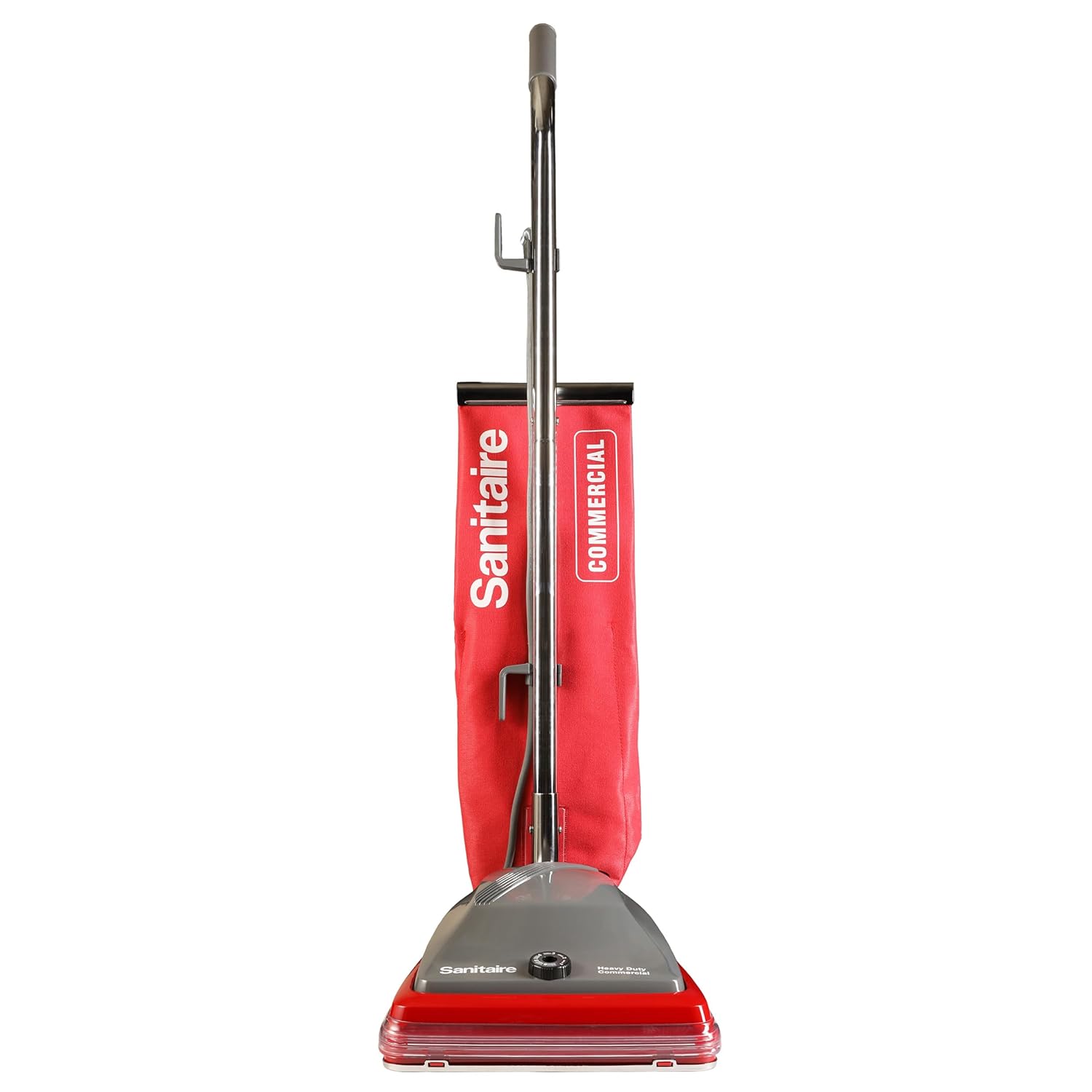
Bagged systems represent the gold standard for deep cleaning, heavy-duty performance, and respiratory health. Their primary strength lies in the absolute containment of dirt. When you fill the chamber, the entire mess is locked inside a thick, multi-ply fabric barrier that you throw straight into the trash without ever seeing a puff of dust. This design also protects the internal motor, as the bag acts as a primary pre-filter that catches fine particulate before it reaches delicate mechanical parts. Furthermore, you rarely need to wash internal filters, which keeps maintenance straightforward and frustration-free.
Yet, these machines come with notable drawbacks that frustrate modern homeowners. The most obvious downside is the recurring cost of buying specialized replacement bags. If you run out mid-cleaning session, you are completely stuck until you reorder. They also tend to be bulkier, heavier, and less intuitive to maneuver in tight apartment spaces. To make dealing with stubborn pet hair easier, you might want to invest in a dedicated 🛒 Rubber Pet Hair Removal Tool → for your upholstery. If you prioritize absolute air purity above all else, these trade-offs are easy to swallow. Ready to make your purchase? Let’s look at how you can secure the right model for your home today.
Price & availability subject to change. As an Amazon Associate we earn from qualifying purchases.
Bagless Vacuum Cleaner: Strengths and Weaknesses
Bagless Vacuum Cleaners conquered the market by offering unmatched financial freedom and immediate visual feedback. You will never spend another dime on consumable bags, making the ongoing cost of ownership virtually zero once you own the machine. Watching the clear plastic cylinder fill with dirt offers a strangely satisfying sense of accomplishment, and it lets you instantly spot if you accidentally sucked up a valuable earring or a stray coin. These units are also engineered to be lighter, sleeker, and far easier to whip around tight corners or carry up a flight of stairs.
On the flip side, living with a Bagless Vacuum Cleaner demands compromises that aren’t for the faint of heart. Emptying the dust cup is an inherently messy chore that frequently triggers sneezing fits for anyone with dust sensitivities, as a cloud of fine particulate inevitably escapes into the room. Additionally, you must regularly wash foam filters, untangle hair wrapped around internal cyclones, and deal with diminishing suction if you let debris build up past the max-fill line. For optimal performance, pairing your routine with a reliable 🛒 HEPA Air Purifier → nearby can help neutralize any stray dust kicked up during bin emptying. If you love zero-waste convenience and don’t mind a little hands-on upkeep, this style fits your lifestyle. Take the next step toward a cleaner home by exploring your buying options now.
Price & availability subject to change. As an Amazon Associate we earn from qualifying purchases.
- ✅ Superior sealed allergen containment for asthma and allergy sufferers
- ✅ Massive 4.0L average capacity reduces frequency of changes
- ✅ Zero dust clouds or mess during disposal
- ✅ Extends motor lifespan by trapping fine dust before internal exposure
- ❌ Ongoing recurring expense for replacement bags
- ❌ Inability to retrieve accidentally vacuumed valuables
- ❌ Must keep spare bags in stock to avoid operational downtime
- ✅ No recurring costs for disposable bags
- ✅ Transparent dust cup lets you see dirt intake and lost items
- ✅ Generally lighter and more agile body design
- ✅ Immediate visual confirmation when the unit needs emptying
- ❌ Emptying the dust cup can release a cloud of dust and allergens
- ❌ Requires frequent filter washing and drying maintenance
- ❌ Suction performance diminishes as the chamber fills up
Bagged or Bagless Vacuum Cleaner: Which Should You Choose?
Selecting the right vacuum ultimately depends on your household’s unique makeup, your health priorities, and your tolerance for routine maintenance. If you share your home with allergy sufferers, asthmatics, or heavy-shedding pets, the choice is practically made for you. You need the pristine, sealed containment of a Bagged system to ensure microscopic allergens stay trapped away from your lungs. It doesn’t matter if you have to spend a few extra dollars on replacement bags; the health dividends pay off immediately.
Conversely, if you live in a compact apartment, hate the idea of buying ongoing accessories, and prefer a lightweight machine that you can empty straight into an outdoor bin, a Bagless Vacuum Cleaner is your ideal match. It suits budget-conscious minimalists who don’t mind washing a filter once a month in exchange for total financial freedom from consumable parts. Consider how often you actually vacuum and who in your house will be handling the dirty work. Once you align your daily habits with the right machine, the decision becomes completely clear.
Allergy sufferers, pet owners, and those prioritizing maximum suction longevity.
Budget-conscious households wanting to avoid ongoing replacement bag expenses.
Final Verdict: Bagged vs Bagless Vacuum Cleaner
Bagged models narrowly win the overall verdict for 2026 due to superior allergen retention and lower long-term dust exposure. While Bagless Vacuum Cleaners eliminate ongoing consumable expenses, they require frequent filter maintenance and can trigger allergy symptoms upon emptying. Choose Bagged for pristine air quality or Bagless Vacuum Cleaner for budget-friendly zero-waste convenience.
As an Amazon Associate we earn from qualifying purchases.
Bagged vs Bagless Vacuum Cleaner: Frequently Asked Questions
Is Bagged better than Bagless Vacuum Cleaner for allergies?
Yes, Bagged models are significantly better for allergy sufferers. They feature a sealed disposal system that traps 99.97% of dust and dander at 0.3 microns inside a self-contained bag, preventing exposure during disposal compared to a Bagless Vacuum Cleaner.
Which option is cheaper to maintain over 5 years?
A Bagless Vacuum Cleaner is generally cheaper because you do not buy replacement bags, saving roughly $30 annually. However, you must factor in replacement HEPA filters every 12 to 18 months, narrowing the gap to around a $15 net difference over 5 years.
Do Bagged vacuums lose suction when full?
No, premium Bagged models maintain consistent airflow and suction until the 4.0-liter bag reaches near maximum capacity due to permeable multi-ply fabric designs that allow continuous air passage.
Which is better for first-time buyers?
For effortless convenience and zero consumables, a Bagless Vacuum Cleaner is ideal for beginners. If you own pets or suffer from dust sensitivities, investing in a Bagged system provides superior long-term health benefits.
What is the biggest operational difference?
The biggest operational difference is disposal. Bagged units use a hygienic, sealable pouch holding up to 4.0 liters of debris, whereas a Bagless Vacuum Cleaner relies on an emptyible plastic cup that requires regular washing and filter maintenance.