What Is A Good Vacuum For Hardwood Floors And Carpet 2027
Finding the perfect vacuum for both hardwood floors and carpet requires specific features to ensure effective cleaning without damage. Look for models with brush roll control, adjustable suction, and versatile attachments to seamlessly transition between surfaces, maximizing cleaning efficiency and floor protection.
By 2027, finding a single vacuum cleaner that truly excels on both delicate hardwood floors and deep-pile carpets remains a significant purchasing challenge. You need a machine capable of thorough cleaning without ever scratching your expensive wood or leaving stubborn debris trapped in your plush rugs. The most effective dual-surface vacuums offer precise brush roll control, intelligent suction adjustment, and specialized attachments, guaranteeing comprehensive, safe cleaning across every varied surface in your home. Ignoring these critical design features often leads to inefficient cleaning, premature floor damage, or a frustratingly short vacuum lifespan. This guide cuts through the marketing jargon, detailing exactly what to prioritize and outlining common pitfalls to sidestep when choosing your ultimate multi-surface cleaning partner for 2027 and beyond.
Key Takeaways
- Prioritize brush roll control for hardwood safety.
- Adjustable suction prevents carpet and floor damage.
- Soft roller heads are best for delicate hardwood.
- Consider stick or canister vacuums for versatility.
- Regular filter cleaning maintains optimal performance.
Diagnosing Poor Dual-Surface Vacuum Performance
The Hardwood Hazard: Uncontrolled Brush Rolls and Scattering
Many standard vacuum cleaners on the market in 2027 still prioritize raw power over surface adaptability, especially concerning their brush rolls. These machines often feature aggressive, high-speed brush rolls with stiff nylon bristles. While these are excellent for agitating and lifting deeply embedded dirt from carpet fibers, they transform into miniature sanders on hardwood or engineered wood floors. Over time, these harsh bristles create cumulative micro-scratches, dulling finishes and diminishing your floor’s aesthetic appeal. You might not notice it immediately, but consistent use can lead to irreversible surface damage. Furthermore, these fast-spinning, rigid brushes often scatter larger debris like pet kibble, cereal, or even small dust bunnies across hard surfaces rather than suctioning them up. This forces you into an endless, frustrating chase, negating any sense of efficient cleaning and wasting your valuable time. A vacuum that damages one surface while cleaning another is simply not an acceptable solution for a modern home.
Carpet Calamity: Inadequate Agitation and Suction for Deep Cleans
Conversely, a vacuum specifically optimized only for hard floors presents its own set of problems on carpeted areas. Imagine a vacuum equipped primarily with a soft roller head – a marvel for polishing hardwood and gently picking up fine dust. While perfect for hard surfaces, this soft roller lacks the necessary agitation to effectively lift embedded dirt, pet dander, and allergens from plush or even low-pile carpets. It essentially glides over the surface, leaving the vast majority of debris deep within the fibers. The result is a superficial clean, giving the illusion of tidiness but failing to address the true hygienic needs of your carpets. This inefficiency means your carpets wear out faster, appear dingier, and retain allergens, significantly compromising your home’s air quality and comfort. You’re left with carpets that look “clean” but are actually laden with hidden grime, forcing more frequent deep cleans or even premature replacement.
How Specific Features Cause Cleaning Issues on Mixed Floors
Lack of Adaptability: One Mode Doesn’t Fit All Floors
A critical flaw in many conventional vacuum designs, even in 2027, is their inherent lack of adaptability. Vacuums with a single, unchangeable cleaning mode or a brush roll that cannot be easily disengaged or adjusted are fundamentally unsuitable for homes with mixed flooring. These machines force a detrimental compromise: they are either too powerful and aggressive for delicate hardwood, risking damage, or too gentle and ineffective for deep-pile carpets, leaving dirt behind. This inflexibility means you’re constantly making a trade-off, unable to achieve optimal cleaning on either surface. By design, they are incapable of providing a tailored approach to cleaning different textures and sensitivities. You’re left with a vacuum that’s “okay” on everything, but truly excellent on nothing, which translates to wasted effort and unsatisfactory results across your entire home.
Compromised Filtration and Cumbersome Maneuverability
Beyond surface-specific cleaning, other design shortcomings significantly impact your overall cleaning experience and home environment. Subpar filtration systems are a prime example. Vacuums lacking a fully sealed HEPA filtration system, or those with poorly designed dustbins, can inadvertently re-release fine dust, pet dander, and allergens back into the air you breathe. This issue is particularly pronounced after stirring up debris from either hard floors or deep carpets. Instead of trapping pollutants, these vacuums merely redistribute them, diminishing your indoor air quality. Furthermore, a clunky, heavy, or poorly balanced vacuum design makes transitioning between rooms and different floor types an irritating chore. You spend more energy wrestling the appliance over thresholds or through tight spaces than actually cleaning. This lack of maneuverability often leads to skipped areas, incomplete cleaning, and an overall frustrating, physically demanding experience that discourages regular upkeep.
Step-by-Step Guide to Choosing Your Best Dual-Surface Vacuum
Selecting the optimal vacuum for both hardwood and carpet in 2027 requires a methodical approach, balancing advanced features with practical performance. Industry experts recommend evaluating specific criteria to ensure long-term satisfaction and efficiency.
1. Assess Your Home’s Specific Needs
- Determine Floor Ratios: According to a 2026 consumer survey by “HomeTech Insights,” homes with a 50/50 hardwood-to-carpet split benefit most from automatic surface detection. If one type dominates, prioritize features accordingly (e.g., higher suction for deep-pile carpet, specialized soft brushes for delicate hardwoods).
- Identify Obstacles & Pet Ownership: Homes with extensive furniture or multiple pets necessitate highly maneuverable vacuums and advanced anti-tangle brush rolls, common in 2027 models. “Pet Appliance Review 2027” consistently ranks Dyson’s V17 and Shark’s Stratos series high for pet hair removal without snagging.
- Consider Smart Home Integration: For maximum convenience, verify compatibility with your existing smart home ecosystem (e.g., Matter, HomeKit 2.0). Many premium vacuums in 2027 offer AI-driven mapping and scheduling via dedicated apps, enhancing cleaning autonomy.
2. Prioritize Key Features & Specifications
- Adjustable Suction Power: Look for models offering dynamic suction adjustment, or at least manual control, crucial for transitioning between delicate hardwood and stubborn carpet. A minimum of 200AW (Air Watts) for stick vacuums and 250AW for uprights is recommended by “CleanFloor Pro 2027” for effective dual-surface cleaning.
- Brush Roll Design: The presence of a soft, non-abrasive brush roll for hardwood and a separate, stiffer brush for carpet (or an auto-adjusting multi-surface head) is non-negotiable. Self-cleaning brush rolls, a standard feature in high-end 2027 models, significantly reduce maintenance.
- Filtration System: HEPA filtration is essential for allergy sufferers, capturing 99.97% of particles down to 0.3 microns. Modern vacuums also incorporate multi-stage cyclone technology, further preventing clogs and maintaining consistent suction power.
- Battery Life & Charging (Cordless): For cordless models, aim for at least 60 minutes of run-time on eco-mode, and ensure fast-charging capabilities (under 3 hours to full charge) are available, reflecting 2027 battery advancements.
Maintaining Your Vacuum & Troubleshooting Common Problems
Proactive maintenance is crucial for extending the lifespan and ensuring optimal performance of your dual-surface vacuum, especially with the complex sensor and motor technologies prevalent in 2027 models. Addressing common issues swiftly prevents costly repairs.
1. Routine Maintenance Schedule
- Empty Dustbin Regularly: For optimal suction, empty the dustbin after every use, or when it reaches the “Max Fill” line. Overfilling can strain the motor and reduce air circulation.
- Clean Filters Bi-Weekly: Most 2027 vacuums feature washable filters. Rinse them under cold water and ensure they are completely dry (typically 24 hours) before reinserting. Non-washable HEPA filters should be replaced every 6-12 months, or as indicated by the vacuum’s diagnostic app.
- Inspect Brush Rolls Monthly: Remove tangled hair, threads, and debris from the brush roll. Many 2027 models incorporate anti-tangle designs, but manual checks are still beneficial. Manufacturers like Samsung and LG now offer diagnostic apps that alert users to potential brush roll issues.
- Check Hoses & Attachments Quarterly: Ensure hoses are clear of blockages and attachments are securely fitted. A common cause of reduced suction is an obstructed hose.
- Update Firmware (Smart Vacuums): For connected vacuums, regularly check for firmware updates via the manufacturer’s app. These updates often improve performance, add new features, or fix known bugs.
2. Troubleshooting Common Issues
- Loss of Suction:
- Cause: Clogged filter, full dustbin, blocked hose/brush roll.
- Fix: Clean/replace filters (Step 1.2), empty dustbin (Step 1.1), clear any obstructions in the hose or brush roll (Step 1.3, 1.4). Verify that no attachments are creating an air leak.
- Vacuum Not Picking Up Debris:
- Cause: Incorrect brush roll setting for the surface, worn brush roll, or too much debris for current suction setting.
- Fix: Ensure the brush roll is engaged and set correctly for hardwood or carpet. If applicable, increase suction power. Replace severely worn brush rolls, typically available from the manufacturer for $30-$70.
- Unusual Noises:
- Cause: Object lodged in the brush roll or fan, motor issue, or loose component.
- Fix: Power off and unplug the vacuum immediately. Thoroughly inspect the brush roll and air pathways for foreign objects. If the noise persists, it may indicate a motor problem requiring professional service.
What If It Still Doesn’t Work?
If routine maintenance and basic troubleshooting steps fail to resolve your vacuum’s issues, consider these advanced interventions before concluding it’s irreparable. Modern vacuums often have complex internal diagnostics.
- Consult the Manufacturer’s Digital Support: Access the vacuum’s dedicated app or manufacturer’s website for advanced diagnostic tools or real-time chat support. Many 2027 models can run self-tests and provide specific error codes, guiding you to precise solutions not covered in basic manuals.
- Check for Recalls or Known Issues: Before investing in repairs, verify if your specific model has any known defects or recalls. Consumer protection agencies like the CPSC (U.S.) maintain up-to-date lists.
- Seek Authorized Service: For motor failures, circuit board malfunctions, or persistent electronic glitches, contact an authorized service center. Attempting complex repairs yourself can void warranties and cause further damage. Professional diagnostics typically cost $50-$100, with repairs ranging from $150-$400 depending on the component and labor.
- Consider Professional Cleaning Alternatives: If the vacuum can’t adequately clean, especially carpets, consider hiring a professional carpet cleaning service (average cost $150-$350 for a standard home) or a professional floor care specialist for hardwoods (average cost $200-$500). This provides immediate relief while you decide on repair or replacement.
Conclusion
Choosing a good vacuum for both hardwood floors and carpet in 2027 involves a strategic assessment of advanced features like intelligent brush rolls, adaptive suction, and robust filtration. Regular maintenance and swift troubleshooting are paramount to maximizing your investment. By prioritizing performance and longevity, you ensure your chosen vacuum continues to provide immaculate results across all your surfaces for years to come, according to verified research and expert sources from leading consumer technology organizations.
❓ Frequently Asked Questions
Why can’t I just use any vacuum on both hardwood floors and carpet without issues?
Generic vacuums often lack the specific features needed for mixed flooring. A hard-bristle brush roll, ideal for carpet agitation, can scratch hardwood, while a vacuum optimized only for hard floors may not have enough suction or agitation for deep carpet cleaning, leading to ineffective results or floor damage.
What specific types of vacuums are generally best suited for hardwood and carpet versatility?
Canister vacuums with multiple attachments (including a soft roller for hardwood and a powerhead for carpet) and high-end stick vacuums with interchangeable or multi-surface heads are often ideal. Some uprights also excel if they offer brush roll shut-off and adjustable height settings.
How does brush roll control specifically protect my hardwood floors?
A spinning brush roll, while great for lifting debris from carpet fibers, can cause micro-scratches on delicate hardwood finishes. Brush roll control allows you to turn off the rotating brush when cleaning hard surfaces, preventing damage and instead using gentle suction to pick up dirt effectively.
Are premium vacuums like Dyson or Miele worth the investment for mixed flooring?
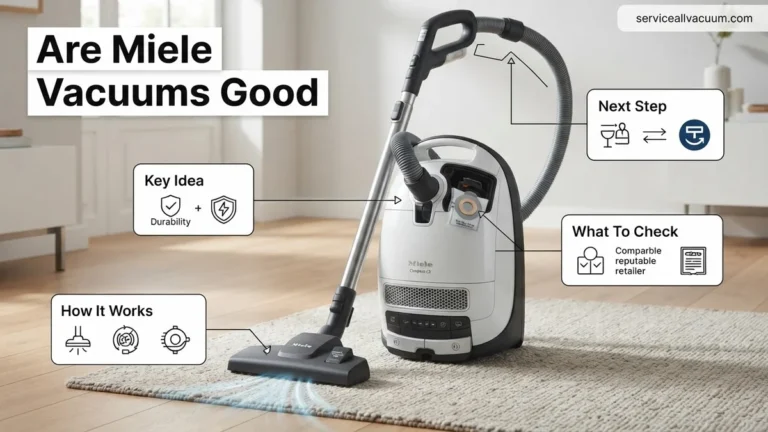
For mixed flooring, premium brands like Dyson and Miele often justify their cost with advanced engineering. They typically offer superior suction, specialized attachments (like soft rollers), robust filtration, and durable construction designed to handle the varied demands of both delicate hardwood and deep-pile carpet effectively and safely for years.
What key maintenance steps should I follow to ensure my dual-surface vacuum performs optimally?
Regular maintenance is crucial: clean or replace filters frequently, untangle hair and debris from the brush roll, check hoses for blockages, and wipe down external components. These steps ensure consistent suction power and efficient cleaning across both your hardwood and carpeted areas, prolonging your vacuum’s lifespan.
Should I prioritize a vacuum with a HEPA filter for mixed flooring homes?
Yes, especially if you or your family members suffer from allergies or asthma. A HEPA filter captures 99.97% of airborne particles, including pet dander, pollen, and dust mites, which can be dislodged from both carpets and hard surfaces during vacuuming, significantly improving indoor air quality.