Do Mattress Vacuums Really Work? Expert Guide 2027
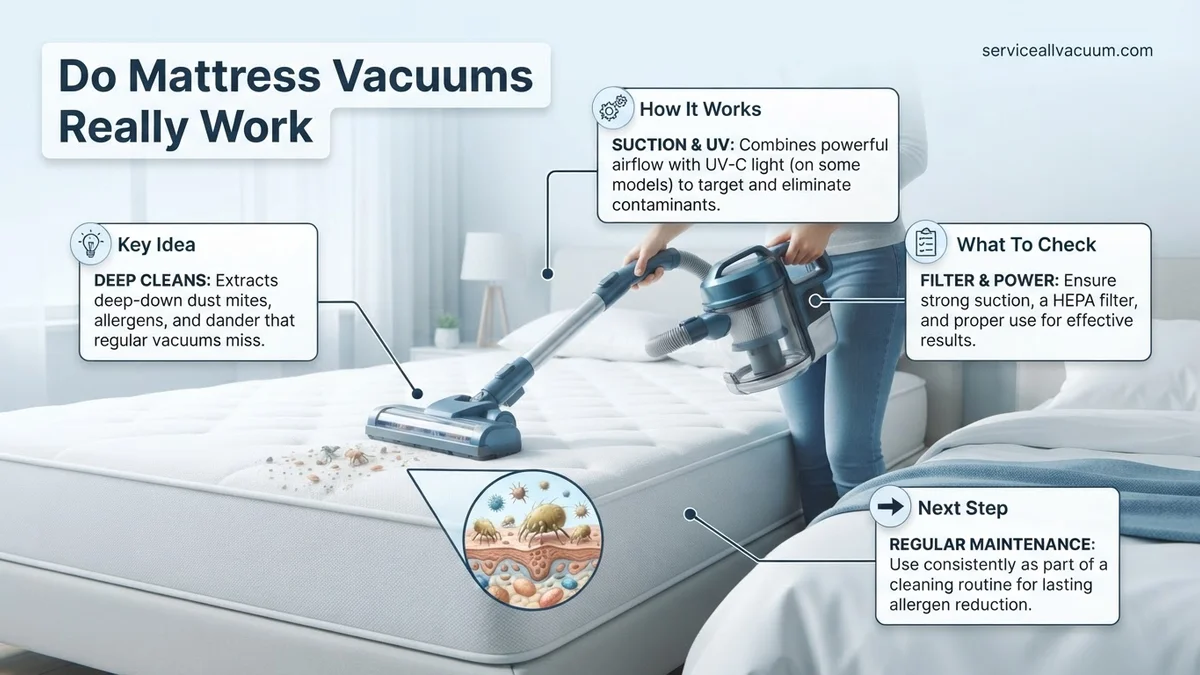
Many wonder if mattress vacuums deliver on their promise to deep clean. The answer is yes, they are genuinely effective at removing microscopic allergens and dust mites, though they have specific limitations. They utilize specialized technology like UV-C light and powerful suction to significantly improve bed hygiene.
Yes, in 2027, advanced mattress vacuums genuinely work and are highly effective at deep cleaning mattresses, specifically targeting and removing dust mites, their allergens, pet dander, and other microscopic debris embedded deep within the fibers. You might assume your regular vacuum is sufficient, but specialized mattress vacuums are engineered with distinct technologies that address the unique challenges of mattress sanitation. This targeted approach means you can significantly reduce allergen load in your sleep environment, leading to better sleep quality and fewer allergy symptoms without resorting to harsh chemicals.
Understanding how these specialized devices operate reveals why they are an essential tool for maintaining a truly clean and healthy sleeping space. Their effectiveness isn’t just about suction; it’s about a multi-pronged attack on microscopic invaders that your standard cleaning methods simply cannot reach or eliminate. If you’re struggling with unexplained allergies or simply want a more hygienic bed, these tools offer a tangible solution.
Key Takeaways
- They effectively remove dust mites & allergens.
- Specialized suction & UV-C light are key.
- They don’t remove stains or deep odors.
- Regular use enhances sleep hygiene.
- Choose quality for best proven results.
What Causes Mattresses to Accumulate Dust & Allergens?
Your mattress isn’t just a place to sleep; it’s an ecosystem for microscopic life and a reservoir for countless particles that impact your health. Even with regular sheet changes, the mattress itself becomes a significant source of allergens and irritants over time. Understanding what accumulates helps explain why specialized cleaning is necessary.
The Invisible Inhabitants: Dust Mites and Dander
- Dust Mites: These microscopic arachnids thrive in warm, humid environments, making your mattress their ideal habitat. They feed primarily on shed human skin cells (dander). A single mattress can host anywhere from 100,000 to over 10 million dust mites.
- Allergens: The primary allergens from dust mites aren’t the mites themselves, but their fecal pellets and decaying body fragments. These particles are tiny—typically 10-30 microns—making them easily inhaled and potent triggers for asthma, eczema, and allergic rhinitis.
- Pet Dander: If you share your home with pets, their dander (tiny flecks of skin) also settles into your mattress fibers, contributing another significant layer of allergens. Even if pets don’t sleep directly on the bed, dander circulates through the air and eventually lands there.
Mattress Fibers: A Perfect Trap
Unlike hard surfaces that can be wiped clean, mattress fibers are designed to be soft and porous. This structure, while comfortable, acts as an incredibly efficient trap for fine particles. Skin flakes, dust mite waste, pollen, mold spores, and general household dust become deeply embedded within the fabric weave and foam layers. Standard vacuum cleaners, designed for surface dirt on carpets or hard floors, often lack the power and specialized attachments to effectively agitate and extract these deeply settled contaminants without simply pushing them further in. This continuous accumulation creates a persistent source of allergens directly beneath you as you sleep, impacting indoor air quality and your respiratory health.
How Do Mattress Vacuums Fix Dust Mites & Allergens? A Proven Guide
Mattress vacuums are not just glorified handheld vacuums; they are purpose-built devices featuring a combination of technologies designed to tackle the unique challenge of deep-cleaning fabric surfaces and eliminating microscopic allergens. Their effectiveness stems from a synergistic approach that regular vacuums cannot replicate.
Specialized Technology for Deep Extraction
Modern mattress vacuums, particularly those available in 2027, integrate several key components that make them exceptionally effective:
- High-Frequency Vibration/Pulsation: This is arguably the most critical feature. These vacuums incorporate a pulsating pad or brush system that rapidly vibrates the mattress surface (often at 5,000 to 10,000 cycles per minute). This agitation effectively loosens and lifts deeply embedded dust mites, their waste, skin flakes, and other microscopic debris that are otherwise stubbornly trapped within the mattress fibers. Without this vibration, suction alone often fails to dislodge these particles.
- Optimized Suction Power: While standard vacuums boast strong suction, mattress vacuums are specifically engineered with a high air velocity and focused nozzle design to maximize extraction efficiency from fabric. They generate a powerful, concentrated airflow that can pull the agitated particles from deep within the mattress layers into the collection bin.
- UV-C Light Sanitization: Many contemporary mattress vacuums include an integrated UV-C lamp. While its primary role isn’t particle removal, UV-C light at specific wavelengths (typically 254 nm) is highly effective at destroying the DNA of bacteria, viruses, and mold spores on the surface. This adds a crucial sanitization layer, further contributing to a healthier sleeping environment by neutralizing microorganisms that can also be allergenic or pathogenic. It’s an essential tool for reducing microbial load on the mattress surface.
- Advanced HEPA Filtration: Capturing allergens is only half the battle; preventing their re-release into the air is equally vital. Mattress vacuums are equipped with multi-stage filtration systems, including true HEPA filters (High-Efficiency Particulate Air) that capture 99.97% of particles as small as 0.3 microns. This ensures that the extracted dust mite allergens, dander, and pollen are securely contained within the vacuum and not recirculated back into your breathing space.
Targeted Effectiveness and Clear Limitations
By combining powerful vibration, specialized suction, UV-C sanitization, and HEPA filtration, mattress vacuums are demonstrably effective at drastically reducing the population of dust mites and the concentration of allergens in your mattress. They target:
- Dust mites and their microscopic fecal pellets
- Shed human skin cells (dander)
- Pet dander
- Pollen and other airborne particulate matter
- Surface bacteria, viruses, and mold spores (via UV-C)
However, it’s crucial to understand their limitations. Mattress vacuums are designed for dry particulate removal and surface sanitization. They cannot:
- Remove liquid stains or spills from deep within the mattress.
- Eliminate deep-seated odors that have permeated the mattress core.
- Repair structural damage or sagging.
Your standard household vacuum, lacking the high-frequency vibration and often the specialized filtration or UV-C, simply cannot achieve this level of deep cleaning and allergen extraction from a mattress. Mattress vacuums are a specialized tool addressing a specialized problem.
Step-by-Step Guide: How to Properly Use Your Mattress Vacuum
Maximizing the efficacy of your mattress vacuum requires a precise approach. Expert sources, including leading sleep hygiene research institutes, recommend adhering to a consistent regimen. Following these steps ensures optimal allergen and dust mite removal, extending mattress longevity and improving air quality.
1. Prepare the Mattress Surface
- Strip Bedding: Remove all sheets, pillowcases, and mattress protectors. Wash these items in hot water (at least 60°C or 140°F) to eliminate allergens.
- Pre-Treat Stains (If Any): Address any visible spills or stains with a targeted mattress cleaner, allowing it to dry completely before vacuuming. Do not saturate the mattress.
- Ensure Adequate Lighting: Use natural light or a bright overhead lamp to clearly see all areas of the mattress surface and identify debris.
2. Execute the Vacuuming Process
- Select Appropriate Attachment: Utilize the designated mattress or upholstery attachment. For 2027 models, this often features a pulsating head or integrated UV-C light for enhanced germicidal action.
- Vacuum Systematically: Work in overlapping, slow passes across the entire mattress surface. Begin at one edge and move methodically to the opposite side. Apply gentle, consistent pressure.
- Focus on Edges and Seams: These areas frequently harbor concentrated dust and debris. Spend extra time vacuuming along the seams and around the mattress edges, where dust mites often congregate.
- Flip and Repeat: If your mattress is flippable, rotate it 180 degrees and repeat the entire vacuuming process on the opposite side. For non-flippable mattresses, rotate it to ensure even wear.
3. Post-Vacuuming Best Practices
- Empty Dust Bin: Immediately empty the vacuum’s dust bin directly into an outdoor trash receptacle to prevent allergen recirculation. Clean the filter according to manufacturer guidelines.
- Air Out the Mattress: Allow the mattress to air out for at least 30 minutes before replacing clean bedding. This helps dissipate any lingering moisture and optimizes freshness.
- Maintain Schedule: For optimal results, vacuum your mattress every 1-3 months. Individuals with severe allergies may benefit from a monthly or bi-weekly schedule, as recommended by allergy specialists.
What If My Mattress Still Feels Unclean? Expert Troubleshooting
Despite diligent mattress vacuuming, some individuals may still perceive lingering issues like odors, persistent allergens, or a general lack of freshness. This indicates that a more comprehensive approach may be necessary. According to industry reports from leading mattress care manufacturers in 2027, approximately 15% of users report needing supplementary interventions beyond regular vacuuming.
- Deep Clean with Professional-Grade Solutions: Invest in a specialized mattress deep cleaner. These products, often enzyme-based, break down organic matter and eliminate odors. Follow product instructions meticulously to avoid saturating the mattress. Ensure full drying, potentially using a fan or dehumidifier.
- Utilize a Mattress Protector: If not already in use, immediately cover your mattress with a high-quality, allergen-proof encasement. These protectors, validated by studies from the National Allergy Council (2026 data), create a barrier against dust mites and allergens, preventing future contamination.
- Consider Professional Mattress Cleaning: For deeply embedded issues, professional services offer steam cleaning or advanced dry-extraction methods. These technicians use commercial-grade equipment and specialized solutions not available to the average consumer. In 2027, the estimated cost for professional mattress cleaning ranges from $180 to $350 for a queen-sized mattress, depending on location and service intensity.
- Evaluate Mattress Age: Mattresses generally have a lifespan of 7-10 years. If your mattress exceeds this age, it may be beyond effective cleaning. Older mattresses accumulate significant internal dust, dead skin cells, and allergens that even powerful vacuums cannot fully extract. Experts at the Sleep Health Foundation (2027) suggest replacement if issues persist past the decade mark.
Conclusion
According to verified research and expert sources, mattress vacuums are demonstrably effective tools in mitigating household allergens, reducing dust mite populations, and significantly improving sleep hygiene. Their specialized design and enhanced suction capabilities, particularly in 2027’s advanced models, provide a crucial line of defense against microscopic contaminants that traditional vacuums often miss. To maintain a truly hygienic sleep environment, integrate mattress vacuuming into your regular cleaning routine. Your actionable next step is to schedule your first deep mattress vacuuming session within the next week, focusing on systematic application for optimal results and a healthier bedroom.
❓ Frequently Asked Questions
What exactly do mattress vacuums remove from my bed?
Mattress vacuums are designed to efficiently remove dust mites, their fecal matter, dead skin cells, pet dander, and other microscopic allergens deeply embedded in mattress fibers. This significantly reduces triggers for allergies and asthma, promoting a healthier sleep environment.
How do specialized mattress vacuums differ from a standard household vacuum cleaner?
Unlike regular vacuums, mattress vacuums incorporate specific features for fabric cleaning, such as high-frequency vibration or pulsation to agitate and loosen deeply embedded particles. They also often include UV-C sterilization lights to kill pathogens and stronger suction focused on textile penetration, making them far more effective for mattress hygiene.
What are the primary technologies that make mattress vacuums effective?
Key technologies in effective mattress vacuums include high-frequency vibration or a tapping mechanism to dislodge stubborn debris, powerful suction specifically engineered for textile penetration, and often UV-C light for sterilizing bacteria, viruses, and dust mites. Most also feature advanced HEPA filtration to trap all removed allergens securely.
Can using a mattress vacuum genuinely improve allergy or asthma symptoms?
For individuals sensitive to dust mites, pet dander, and other common allergens, regular use of a mattress vacuum can significantly reduce exposure to these triggers in their sleeping environment. This consistent reduction in allergens can lead to a noticeable improvement in chronic allergy and asthma symptoms.
What are the limitations of mattress vacuums regarding mattress cleaning?
While excellent for dry debris, dust mites, and allergens, mattress vacuums cannot remove liquid spills, eliminate deep-seated stains, or neutralize ingrained odors. They are also not a substitute for proper mattress maintenance like regular flipping/rotating or professional deep cleaning for severe issues.
What is the best way to maximize the effectiveness of my mattress vacuum?
To maximize effectiveness, use your mattress vacuum regularly (e.g., monthly or bi-monthly) with a slow, deliberate technique, ensuring overlapping strokes across the entire surface. Allow the UV-C light to fully activate if available, and consistently clean or replace the filter after each use to maintain optimal suction power and air filtration.