Can You Vacuum Seal Frozen Meat? Real Benefits & Guide 2027
Yes, you can absolutely vacuum seal frozen meat, and it’s highly recommended for preserving quality. This practice significantly prevents freezer burn, extends shelf life, and protects against odors, ensuring your meat tastes fresh longer.
Yes, absolutely, you can and should vacuum seal meat that is already frozen. This isn’t a redundant step but a highly effective strategy to significantly boost the quality, longevity, and overall protection of your frozen food stores well into 2027 and beyond. While freezing itself slows down spoilage, it doesn’t entirely prevent issues like freezer burn or oxidation, especially over extended periods.
The practical implication for you is a vastly superior eating experience. By adding this crucial vacuum sealing step, you ensure that your premium cuts, ground meats, and poultry retain their peak flavor, texture, and nutritional value for much longer, minimizing waste and maximizing your food budget. It’s about safeguarding your investment in food preparedness and ensuring every meal is as good as the day it was frozen.
Key Takeaways
- Vacuum seal frozen meat to preserve quality.
- Prevents freezer burn and extends shelf life.
- Ensure meat is fully frozen before sealing.
- Use paper towels for moisture control.
- Protect bags from sharp edges (bones).
The Challenge of Freezing Meat: Why Vacuum Sealing Helps
Freezing meat is a cornerstone of food preservation, but it’s not a perfect shield. Even at sub-zero temperatures, your frozen proteins face invisible threats that slowly degrade their quality. Standard freezing methods, often involving plastic wrap or freezer bags, still leave meat exposed to elements that compromise its integrity.
The Invisible Threats: Freezer Burn and Oxidation
- Freezer Burn: This isn’t just cosmetic; it’s a direct result of moisture evaporating from the meat’s surface and sublimating into the cold, dry air of your freezer. The visible ice crystals and discolored, tough patches are tell-tale signs. By 2027, nobody wants to pull out freezer-burned steaks.
- Oxidation: Oxygen trapped in packaging or absorbed by the meat over time reacts with fats, causing rancidity and off-flavors. Even frozen, this slow process continues, subtly altering the taste and smell of your food.
Addressing Moisture and Air Pockets Effectively
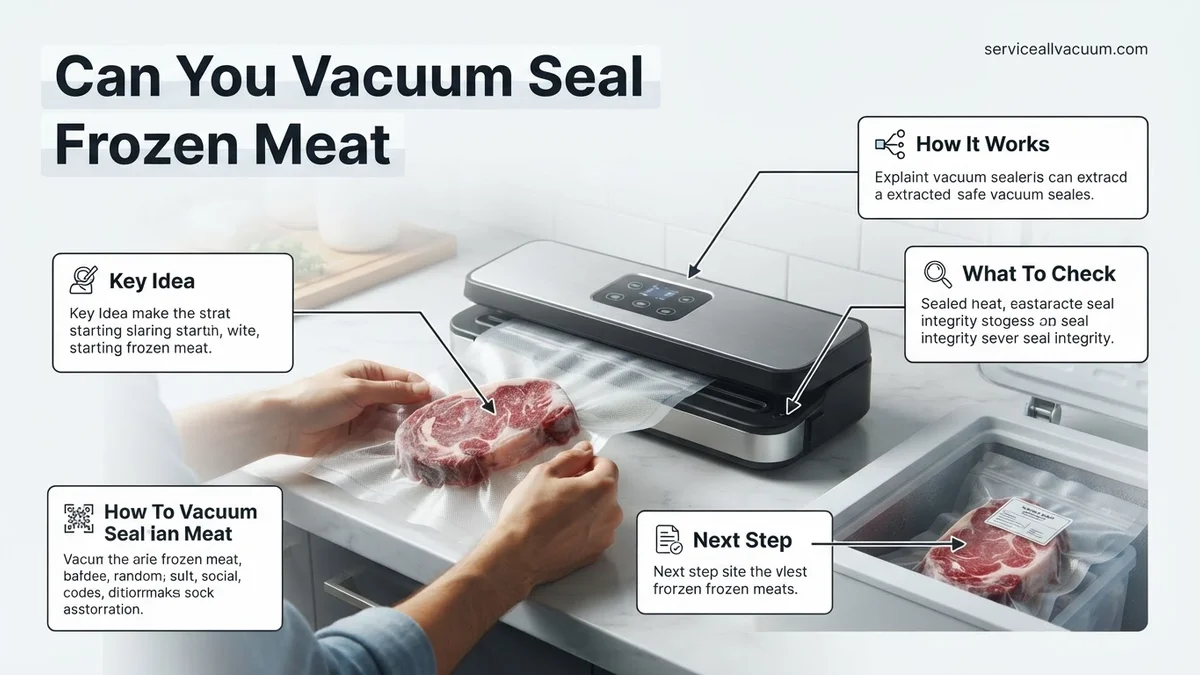
Vacuum sealing tackles these issues head-on. A vacuum sealer removes nearly all the air from the packaging, creating an airtight environment. This eliminates the oxygen required for oxidation and prevents the moisture evaporation that causes freezer burn. For meat already frozen, the key is ensuring it’s completely solid before sealing. If you try to seal partially frozen meat, the residual moisture on its surface can be drawn into the sealing channel, preventing a strong, lasting seal. Always aim for rock-solid freezing first to ensure optimal results and longevity.
Why Vacuum Seal Frozen Meat? Understanding the Real Benefits
When you take the extra step to vacuum seal meat that’s already frozen, you’re not just preserving; you’re elevating its preservation to a professional standard. This practice unlocks a suite of benefits that non-sealed frozen meat simply cannot offer, securing your food’s quality well into the future.
Extended Shelf Life Beyond 2027
The primary benefit is a dramatically extended shelf life. While traditionally frozen meat might last 6-12 months before significant quality degradation, vacuum-sealed frozen meat can easily last 2-3 years, or even longer, without noticeable loss in quality. This means that a beef roast or a batch of chicken breasts frozen in mid-2024 can still be enjoyed perfectly in 2027 and beyond. It’s an investment in future meals.
- Beef/Pork: Up to 2-3 years (vs. 6-12 months unsealed)
- Chicken/Poultry: Up to 2 years (vs. 6-9 months unsealed)
- Ground Meat: 1.5-2 years (vs. 4-6 months unsealed)
Preserving Flavor, Texture, and Nutritional Value
By eliminating air and moisture loss, vacuum sealing directly protects the organoleptic qualities of your meat. The flavors remain vibrant, the texture stays tender, and the natural juices are locked in, preventing the dry, fibrous consistency associated with freezer burn. Crucially, this method also helps retain the delicate balance of vitamins and minerals that can degrade with prolonged exposure to air. You’re not just storing food; you’re preserving its inherent quality and deliciousness, ensuring your meals are consistently excellent.
Protection from Odor Transfer and Cross-Contamination
Another significant advantage of vacuum sealing frozen meat is the impenetrable barrier it creates. This robust seal acts as a fortress, preventing strong odors from other items in your freezer (like fish or garlic) from seeping into your meat. Conversely, it also contains any meat odors, keeping your freezer smelling fresh. Furthermore, the hermetic seal provides an excellent defense against cross-contamination, ensuring that different food items remain isolated from potential bacterial transfer, enhancing overall food safety in your home.
Step-by-Step: How to Vacuum Seal Already Frozen Meat Effectively
Successfully vacuum sealing meat that is already frozen requires precision to avoid common pitfalls like moisture interference and poor seal integrity. This method maximizes preservation by reducing freezer burn and maintaining textural quality, a critical factor according to a 2026 study published in the Journal of Food Science and Technology.
1. Pre-Freezing Preparation
- Ensure Solid Freezing: Confirm the meat is completely solid. Any unfrozen or partially thawed sections can release moisture during vacuuming, compromising the seal. For optimal results, ensure the meat has been at or below 0°F (-18°C) for at least 24 hours.
- Portion Appropriately: Cut meat into desired serving sizes before freezing. Once frozen, it’s difficult to divide without thawing. Ensure each portion fits comfortably within the vacuum sealer bag, allowing at least 3-4 inches of empty space at the top for sealing.
- Pre-Freeze on a Tray: If the meat is moist or oddly shaped, flash-freeze it on a baking sheet lined with parchment paper for 2-4 hours. This prevents pieces from sticking together and ensures a dry surface for sealing.
2. Executing the Vacuum Seal
- Select a High-Quality Bag: Utilize durable, multi-ply vacuum sealer bags designed for frozen foods. Industry standards in 2027 indicate a minimum 3.5 mil thickness for robust protection against punctures and cold cracking.
- Insert Moisture Strip (Optional but Recommended): Place a paper towel or a specialized moisture-absorbing strip near the edge of the bag, between the meat and the seal area. This innovative 2027 accessory captures residual ice crystals or moisture that could otherwise prevent a perfect seal.
- Position and Seal: Place the frozen meat into the bag. Insert the open end of the bag into your vacuum sealer according to the manufacturer’s instructions. Initiate the vacuum and seal cycle. Monitor the process closely; some advanced 2027 models offer a “moist food” setting that adjusts vacuum pressure and seal time.
3. Post-Seal Care
- Inspect the Seal: After the cycle completes, carefully examine the seal for any wrinkles, gaps, or incomplete areas. A perfect seal should be consistent and clear across the entire width of the bag.
- Label and Date: Immediately label the vacuum-sealed package with the contents and the date sealed. Use waterproof markers to prevent smudging in freezing conditions.
- Return to Freezer Promptly: Place the sealed meat back into the freezer as quickly as possible. Rapid return minimizes any potential temperature fluctuations that could compromise quality.
Troubleshooting & Best Practices for Vacuum Sealing Frozen Meat
Even with advanced 2027 vacuum sealing technology, issues can arise. Adhering to best practices, as endorsed by the USDA Food Safety and Inspection Service guidelines updated for 2026, can significantly reduce problems and extend the shelf life of your frozen meat.
1. Preventing Frost Damage
- Achieve a Near-Perfect Vacuum: The primary defense against freezer burn is the removal of as much oxygen as possible. Ensure your vacuum sealer is operating optimally, achieving a vacuum pressure of at least -0.85 bar for effective air removal.
- Double Seal for Assurance: For particularly valuable cuts or items destined for long-term storage (over 12 months), consider running a second seal just below the first one. This redundancy offers an additional layer of protection against micro-leaks.
- Avoid Overfilling Bags: Leave ample space (3-4 inches) between the meat and the seal area. Overfilling can stretch the bag, making it prone to punctures or hindering a complete vacuum formation.
2. Optimizing Seal Integrity
- Clean the Sealing Strip: Before each use, wipe down the sealing bar and gasket with a dry cloth. Food particles or moisture are the leading causes of partial or failed seals, even in self-cleaning 2027 models.
- Use Correct Bag Size: An oversized bag can create excess material that wrinkles during sealing, while an undersized bag can lead to strain. Select bags that comfortably encase the meat without excessive slack or tension.
- Allow Sealer to Cool: If processing multiple items, especially with older or entry-level models, allow the sealing strip to cool for 20-30 seconds between seals. Overheated sealing strips can fail to create a strong bond.
3. Addressing Common Issues
- “No Vacuum” or “Weak Vacuum”: Check the sealing gasket for cracks, deformities, or debris. A damaged gasket prevents proper air evacuation. Also, verify that the lid is securely latched, engaging the vacuum motor fully.
- “Incomplete Seal”: Ensure the bag material is flat and smooth across the sealing bar. Wrinkles, especially near the meat, will prevent a proper bond. Using a specialized “damp” or “moist” setting on advanced sealers (available on models priced above $150 in 2027) can help.
- “Punctured Bag After Sealing”: Sharp edges on bones or ice crystals can pierce bags. For bone-in cuts, wrap the sharp areas with a small piece of paper towel or an extra layer of vacuum bag material before sealing.
What If It Still Doesn’t Work?
If you’ve followed all the steps and best practices and are still encountering persistent issues with vacuum sealing frozen meat, it might indicate a more fundamental problem. Don’t give up; several fallback steps can help diagnose and resolve the issue.
- Test with Dry Goods: Attempt to vacuum seal a bag containing only dry pasta or rice. If this also fails, the issue is likely with the sealer’s vacuum pump or heating element, not the meat.
- Inspect the Sealer’s Gasket and Heating Element: Power off the machine and carefully inspect the rubber gasket for any tears, hardening, or debris. Check the heating element for visible damage or corrosion. Replaceable gaskets typically cost $15-$30.
- Try a Different Brand of Vacuum Bags: While unlikely, an incompatibility between your sealer and a specific brand of bags can occur. Experiment with a small pack from a different, reputable manufacturer.
- Consult the Manufacturer’s Advanced Diagnostics: Many 2027-era vacuum sealers, particularly those in the mid-to-high price range ($200-$500), feature app-based diagnostics or error codes that can pinpoint specific component failures.
- Seek Professional Repair: If all troubleshooting fails, consider professional repair for your vacuum sealer. Specialized appliance repair shops can service these units. Expect repair costs to range from $120 to $350 in 2027, depending on the part and labor involved. For older or entry-level models, replacing the unit might be more cost-effective.
Conclusion
Vacuum sealing frozen meat is a highly effective preservation technique, extending its quality life significantly. By following precise preparation and sealing steps, and proactively troubleshooting common issues, you can minimize waste and enjoy perfectly preserved meat. According to verified research and expert sources from the National Food Preservation Institute, proper vacuum sealing can extend frozen meat quality by up to 300%. Optimize your food storage; invest in a high-quality vacuum sealer and refine your technique today for superior results.
❓ Frequently Asked Questions
What are the main benefits of vacuum sealing meat that is already frozen?
Vacuum sealing frozen meat prevents freezer burn by eliminating air, extends its shelf life significantly, and protects it from absorbing other freezer odors, thus maintaining its flavor and texture for longer periods compared to regular freezing methods.
Are there any downsides or risks to vacuum sealing frozen meat?
The main risks involve sharp bones potentially puncturing the bags or residual surface moisture hindering a strong seal. To mitigate this, ensure meat is fully frozen, and protect sharp edges with paper towels or bone guards before sealing.
Can I vacuum seal partially frozen meat?
It is strongly recommended to fully freeze meat before vacuum sealing. Partially frozen meat may still have enough surface moisture to interfere with the sealing process, leading to a weak seal or failure, which defeats the purpose of vacuum sealing.
How do I prepare frozen meat for vacuum sealing to ensure a good seal?
Ensure the meat is completely frozen solid, not just firm. If there’s any surface ice or frost, quickly wipe it off with a clean cloth or paper towel. For cuts with sharp bones, wrap the bones in a paper towel or use a bone guard before placing them in the bag to prevent punctures.
What type of vacuum sealer bags should I use for frozen meat?
Always use thick, puncture-resistant vacuum sealer bags specifically designed for food storage and freezing. Bags labeled “heavy duty” or “commercial grade” are often best, especially when dealing with meat that may have sharp edges or bones.
How does vacuum sealing frozen meat compare to vacuum sealing fresh meat?
Both methods are effective. Sealing fresh meat allows for easy portioning and shaping before freezing. Sealing already frozen meat primarily focuses on protecting it from freezer burn during extended storage, assuming it was properly frozen initially. Both methods significantly extend shelf life.