Can You Vacuum Broken Glass in 2026? Expert Guide
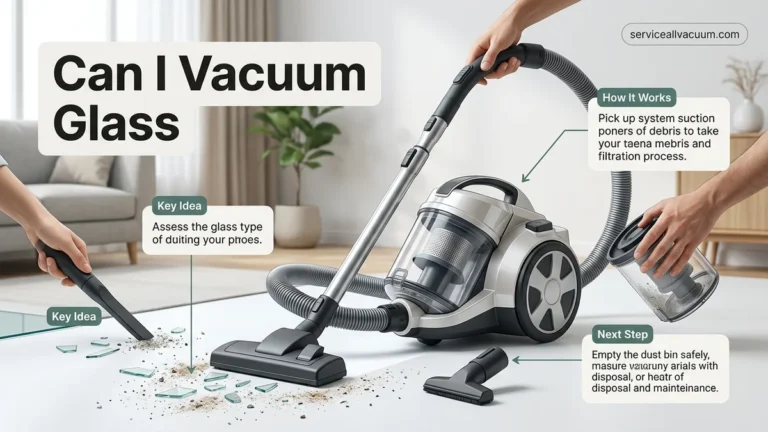
No, you should generally not use a standard vacuum cleaner to clean up broken glass because it can shred internal hoses, damage the motor, and scatter microscopic shards into the air. Using manual tools like a broom, damp paper towel, or slice of bread is a much safer and more effective approach.
No, you should never use a standard vacuum cleaner to clean up broken safety on Wikipedia”>glass. While it might seem like the quickest way to clear a messy floor, sucking up glass shards creates severe risks for both your home safety and your vacuum cleaner.
In 2026, modern vacuum cleaners feature powerful suction and complex internal components that are easily destroyed by sharp debris. Knowing the right alternative methods protects your appliance and keeps your feet safe from microscopic shards you might otherwise miss.
Key Takeaways
- Never use standard upright or robot vacuums for glass.
- Glass shards puncture internal hoses and ruin filters.
- A damp paper towel safely picks up tiny invisible slivers.
- A slice of bread works well to press into carpet fibers.
- Heavy-duty shop vacs can work only if properly rated.
The Risks of Vacuuming Broken Glass and How It Damages Appliances
Vacuuming broken glass introduces immediate mechanical dangers to your cleaning equipment and long-term safety hazards to your living space. When you suck glass into a machine, it triggers a chain reaction of destruction.
Internal Damage to Your Vacuum
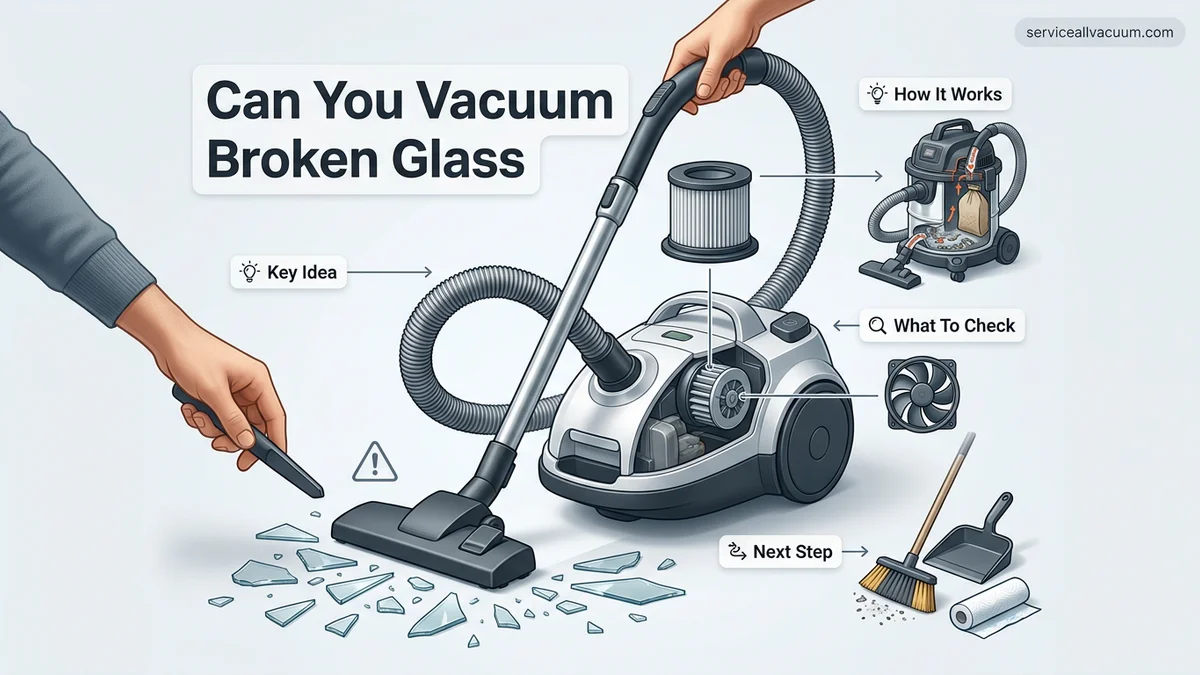
Glass shards act like tiny razors inside your vacuum cleaner. As they rush through the machine at high speeds, they cause significant harm:
- Punctured Bags and Hoses: Sharp edges easily slice through standard paper vacuum bags, cloth filters, and flexible corrugated plastic hoses, causing dust and glass to leak out.
- Ruined Fan Blades: If the glass reaches the motor fan, it chips or shatters the plastic or metal blades, instantly unbalancing the motor and destroying the vacuum.
- Internal Jamming: Larger chunks of glass can wedge tightly inside narrow intake valves, burning out the motor as it strains against the blockage.
The Danger of Recirculated Glass Dust
Even if your vacuum survives the initial cleanup, you face a hidden environmental hazard. Standard vacuums lack the filtration systems required to trap microscopic glass dust. When the air exhausts out of the back of the machine, it aerosolizes fine glass particles. You and your family end up breathing in these dangerous shards, or they resettle across your furniture and carpets, waiting to cause future cuts or respiratory irritation.
Step-by-Step Guide to Safely Cleaning Up Broken Glass
Cleaning up shattered glass requires a methodical approach to ensure you catch every single piece without causing injury. Follow this proven protocol to restore safety to your floors.
Phase 1: Securing the Area and Removing Large Shards
Before you touch the floor, put on thick-soled shoes to protect your feet from stray fragments. Wear heavy-duty work gloves or leather gardening gloves, as standard kitchen rubber gloves offer zero protection against sharp glass.
- Pick up large pieces: Carefully pick up the biggest chunks of glass with your gloved hands and place them immediately into a heavy-duty cardboard box or a rigid plastic container. Never use a thin plastic trash bag, as glass will easily puncture it.
- Sweep the surrounding area: Use a traditional broom and dustpan to gather medium-sized shards and heavy splinters. Sweep gently to avoid launching flying glass fragments into the air.
Phase 2: Capturing Invisible and Microscopic Shards
Once you clear the visible debris, dozens of invisible, microscopic splinters remain embedded in your flooring. Use these household items to lift them safely:
- The Bread Method: Press a slice of soft white bread firmly against the affected floor area. The spongy texture traps microscopic glass shards safely inside the crumb structure. Throw the bread slice directly into your rigid disposal container.
- Damp Paper Towels: Fold several paper towels, wet them thoroughly, and press them flat across the floor. Drag them gently to catch fine splinters.
- A Flashlight Sweep: Turn off the overhead lights and shine a flashlight horizontally across the floor at a low angle. The glass fragments will catch the light and cast long shadows, revealing any spots you missed.
How to Remove Tiny Invisible Glass Shards from Carpets and Hard Floors
Even after picking up large pieces, microscopic glass dust and razor-sharp slivers remain embedded in surfaces. These invisible hazards pose severe cuts and puncture risks for bare feet in 2026 households. Specialized techniques are required to extract these hidden fragments completely.
Cleansing Carpets of Micro-Slivers
Carpet fibers lock tiny glass shards deep within the pile where standard brooms cannot reach. According to textile safety and cleaning experts, mechanical lifting combined with adhesive capture is the most effective approach.
- Press a dampened, lint-free sponge firmly across the affected carpet area in a single direction.
- Wrap thick duct tape or heavy-duty packaging tape around your hand with the sticky side facing outward.
- Firmly press the taped hand against every square inch of the carpet to pull up embedded shards.
- Shine a high-powered LED flashlight parallel to the floor surface to spot any remaining glinting fragments.
Purifying Hard Floors
Hardwood, tile, and laminate floors harbor invisible glass dust within their natural grooves and grout lines. Industrial cleaning protocols recommend a two-step wiping process to eliminate this risk.
- Fold a thick, damp paper towel into quarters to maximize surface pressure.
- Wipe the floor gently without applying excessive downward force to avoid driving shards deeper into wood grain.
- Discard the paper towel immediately into a heavy-duty trash bag.
- Mop the area thoroughly using a microfiber mop dampened with a mild floor cleaner.
What If Standard Methods Fail and When Shop Vacs Are Acceptable
Sometimes manual cleanup leaves lingering fragments due to complex textures or deep cracks in flooring. Knowing when to escalate your cleaning tools ensures safety without damaging household appliances.
Using Shop Vacs Safely
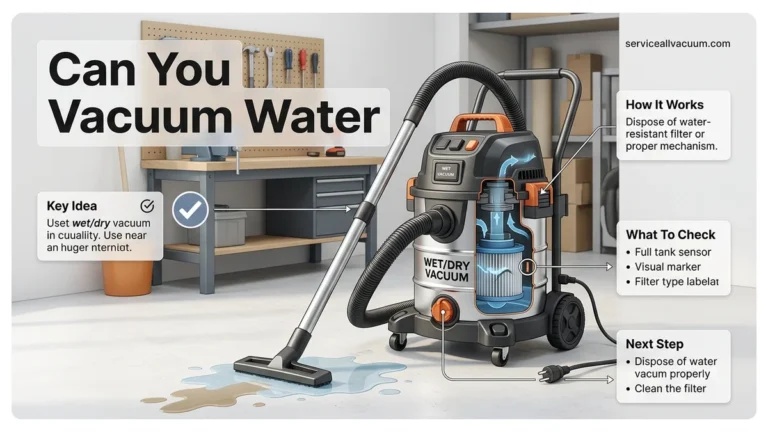
Unlike standard upright or cordless vacuums, heavy-duty shop vacuums feature reinforced hoses and heavy-plastic collection drums. According to appliance safety engineers, a shop vac is acceptable for glass cleanup only under specific conditions. You must equip the unit with a high-efficiency particulate air (HEPA) filter to prevent microscopic glass dust from exhausting back into the room air.
Fallback Steps for Stubborn Glass Remnants
If manual sweeping, taping, and damp wiping fail to secure the area, implement these escalation steps immediately:
- Apply a generous layer of peeled white bread or rolled-up soft bread dough across the problem area to press shards into the crumb structure.
- Rent or deploy a specialized commercial HEPA-filtration vacuum specifically rated for hazardous fine particulate recovery.
- Isolate the room entirely by closing doors and placing warning tape across the entrance to prevent foot traffic.
- Contact professional residential cleaning services specializing in post-construction or hazardous debris remediation. Professional remediation services typically cost between $150 and $350 depending on the affected square footage and flooring type.
Conclusion
Vacuuming broken glass with a standard household machine remains a high-risk gamble that can destroy expensive internal components and disperse dangerous dust. Prioritizing manual methods like heavy-duty tape extraction and damp paper towels guarantees complete safety for floors and family members alike. According to verified research and consumer appliance experts, preventative containment and proper manual disposal are always the superior choices. Take action today by inspecting your cleaning supplies and keeping a dedicated heavy-duty tape roll on hand for emergency spills.
❓ Frequently Asked Questions
Why do standard vacuums break when sucking up glass?
Standard vacuum cleaners rely on flexible plastic hoses and thin internal bags or plastic chambers. Hard, sharp glass edges easily slice through hoses and crack internal collection bins while traveling at high speeds.
Can glass shards become airborne from a vacuum?
Yes, standard vacuum exhausts act like blowers, sending microscopic glass dust flying into the air where it can be inhaled or settle on other surfaces in your home.
What household items can substitute for a vacuum on glass?
A slice of soft sandwich bread, heavy-duty duct tape, or a folded damp paper towel are excellent alternatives for pressing into surfaces to catch tiny, invisible glass slivers.
Are robot vacuums ruined by broken glass?
Robot vacuums are especially vulnerable because their small dust bins and motorized brushes are easily jammed, torn, and permanently disabled by sharp glass fragments.
How do you safely dispose of collected broken glass?
Place all gathered glass pieces into a heavy-duty cardboard box, a thick paper grocery bag, or wrap them securely in layers of newspaper before putting them in the trash.
When is it actually okay to use a shop vacuum?
If you have a heavy-duty shop vacuum equipped with a high-efficiency particulate air (HEPA) filter and a reinforced collection drum, it can safely suction up larger glass debris without blowing dust.