How To Use Bissell PowerForce PowerBrush: Step-By-Step
Press trigger on wet passes, release on dry passes, and keep tanks clean.
If you want a fast, safe, and deep clean, you need a simple plan. I’ve cleaned hundreds of rooms with this machine, and I’ll show you exactly how to use Bissell PowerForce PowerBrush for great results without guesswork. Stick with me to learn how to use Bissell PowerForce PowerBrush like a pro, avoid common mistakes, and protect your carpets at the same time.
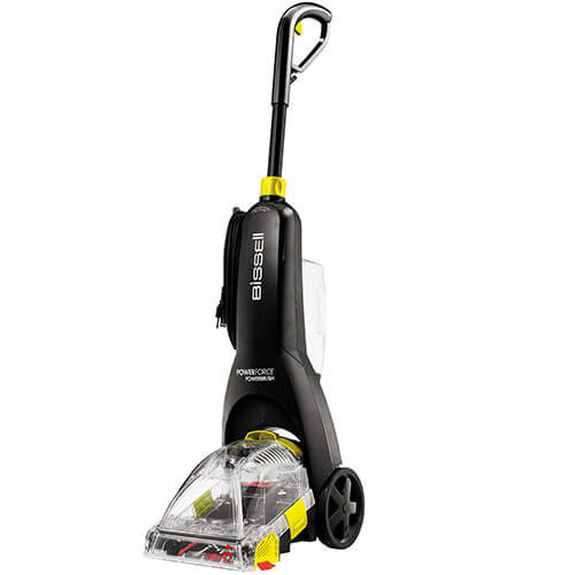
What the Bissell PowerForce PowerBrush Does and Why It Matters
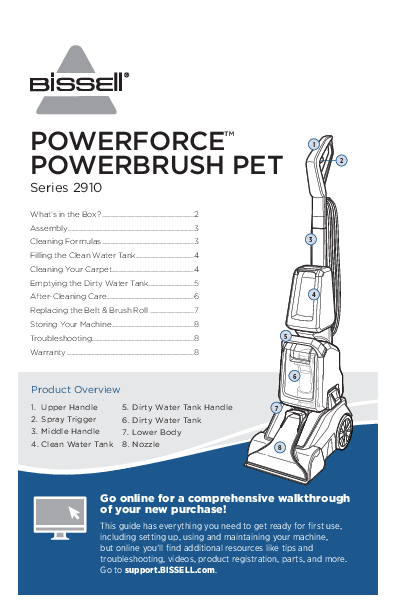
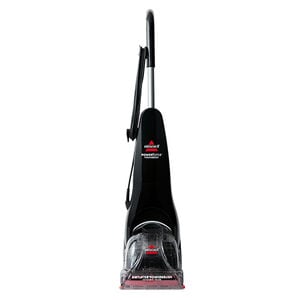
The Bissell PowerForce PowerBrush is an upright carpet cleaner with rotating brushes and strong suction. It sprays solution, scrubs fibers, and lifts dirty water in one motion. When you know how to use Bissell PowerForce PowerBrush the right way, you pull more soil, cut dry time, and extend carpet life.
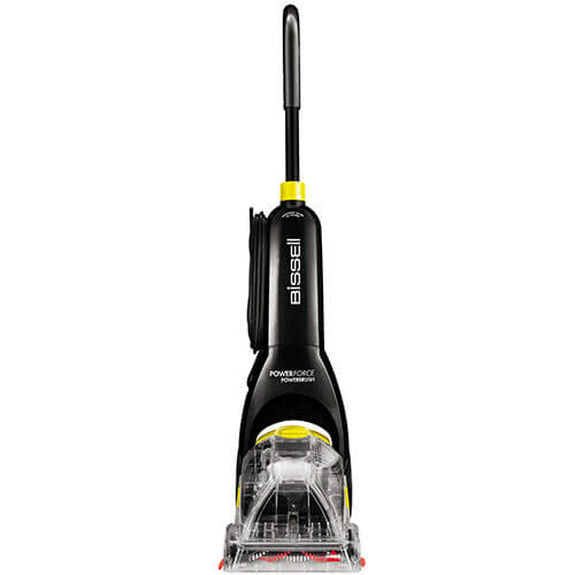
It has two tanks, a trigger to release solution, a brush roll, and a clear nozzle so you can see soil lift. It is great for pet stains, traffic lanes, and general refresh.

Prep Checklist: Set Up Before You Clean
Good prep makes the job easy and safe. I never skip this stage when I show someone how to use Bissell PowerForce PowerBrush at home.
- Clear the area. Pick up toys, cords, and small items.
- Vacuum first. Pull dry soil so the cleaner can focus on stains.
- Test a small spot. Check colorfastness in a hidden area.
- Mix solution. Use warm tap water and the right Bissell formula. Follow the fill line.
- Open windows or run fans. Good airflow speeds drying.
- Treat tough spots. Apply a pre-treat to pet stains or high traffic paths. Let it dwell 5–10 minutes.
Step-by-Step: How to Use Bissell PowerForce PowerBrush
This is the core method I teach clients. It is safe, simple, and repeatable.
- Fill the clean water tank. Use warm water and measured formula. Do not overfill.
- Seat the tank. Make sure it clicks in. Check the dirty tank is empty and locked.
- Plug in. Start in a far corner so you work back toward the door.
- Wet pass. Squeeze the trigger and push the machine forward slowly.
- Return pass. Keep holding the trigger and pull back at the same speed.
- Dry passes. Release the trigger. Make 2–3 slow passes over the same path.
- Overlap edges. Overlap each row by a few inches for even cleaning.
- Watch the tank. When dirty water looks clear or suction sound changes, empty it.
- Refill and repeat. Keep solution fresh. Do not run the pump dry.
- Final dry passes. Do a room-wide dry pass session with no trigger to speed drying.
Key rule when you learn how to use Bissell PowerForce PowerBrush: wet passes are slow and few, dry passes are slow and many. That balance stops overwetting and keeps pads from wicking stains back up.

Technique Tips for Carpets, Rugs, Stairs, and Upholstery
Not every surface behaves the same. Adjust your pace and passes to match the fabric.
- Wall-to-wall carpet. Two wet passes, then three dry passes. Add more dry passes if pile is dense.
- Area rugs. Reduce solution flow. One wet pass only. Many dry passes. Avoid fringe.
- Low-pile office carpet. Very light solution, fast wet pass, extra dry passes to avoid ripples.
- Stairs. Use the tool, not the base unit, if your model supports it. Short strokes. More dry passes.
- Upholstery. If your unit has a tool, mist lightly. Blot with towels. Keep airflow high.
If you wonder how to use Bissell PowerForce PowerBrush on delicate rugs, the answer is care and control. Less water and more suction time helps protect backing and dye.
Water, Solution, and Safety Best Practices
A good mix is the secret to clean fibers and low residue. Here is the simple approach I trust.
- Use only Bissell-approved formulas. Wrong soaps foam too much and can clog.
- Warm, not hot, water. Hot water can set some stains.
- Measure every time. Follow the tank line. More soap does not mean more clean.
- No bleach. It can damage fibers and void warranties.
- Mind electricity. Keep wet hands off plugs. Do not clean near live outlets.
When clients ask how to use Bissell PowerForce PowerBrush without sticky residue, I tell them to measure, avoid extra soap, and make more dry passes. Residue attracts soil and shortens time between cleans.

Drying, Rinsing, and Post-Clean Care
Dry time makes or breaks the job. Fast dry means less odor and better texture.
- Extra dry passes. Do a final room sweep with no trigger.
- Fans and airflow. Point fans across the carpet. Open windows when weather allows.
- Optional rinse pass. Fill tank with clean water only. One wet pass, two dry passes. This cuts residue.
- Protect the area. Keep foot traffic off until fully dry. Use foil tabs under furniture legs.
A strong practice when you learn how to use Bissell PowerForce PowerBrush is to finish with a rinse on high-traffic lanes. It keeps fibers soft and fresh longer.
Maintenance: Keep Your PowerBrush Running Like New
Good care keeps suction high and brushes smooth. It also prevents odors.
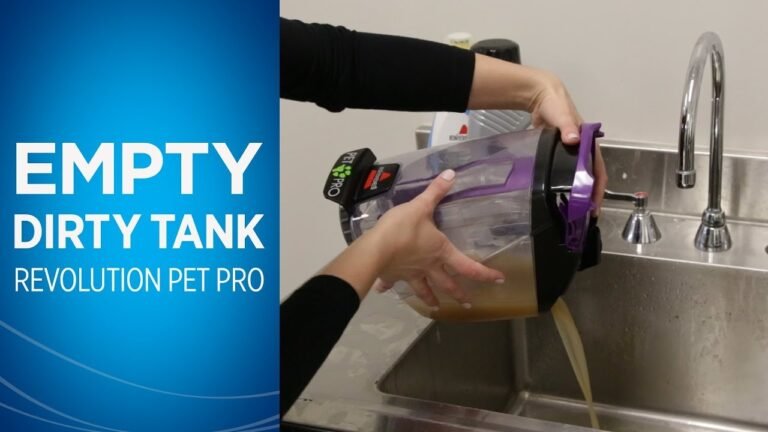
- Empty the dirty tank after every job. Rinse with warm water.
- Rinse the nozzle. Remove lint, hair, and grit from the clear front.
- Clean the brush roll. Cut and pull hair with scissors.
- Wipe seals and gaskets. A damp cloth keeps them from sticking.
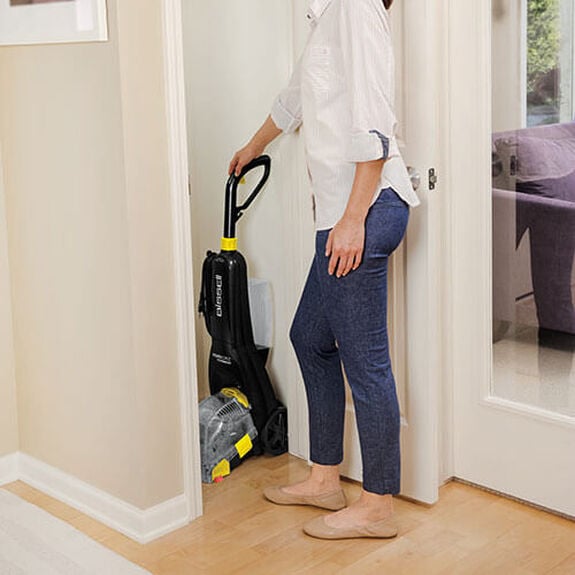
- Dry tanks before storage. Store with caps off for airflow.
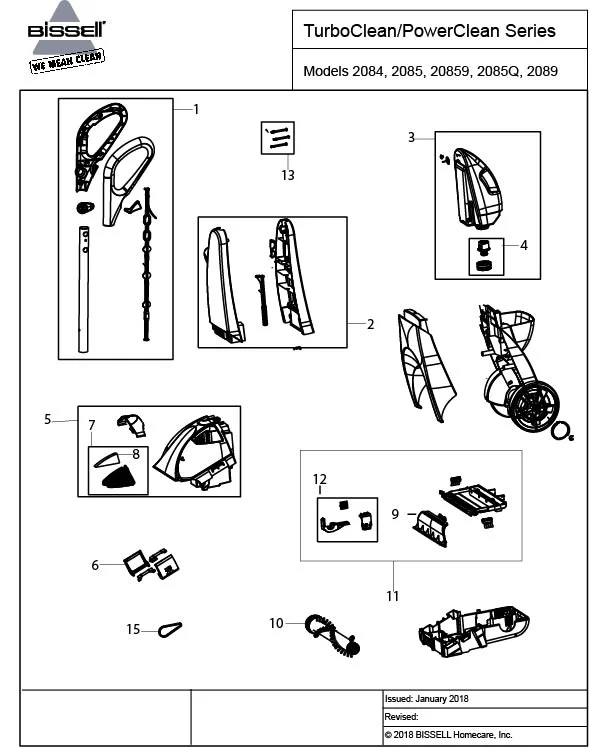
- Check belts and filters. Replace if worn or stretched.
I show every new user how to use Bissell PowerForce PowerBrush and then how to clean it the same day. Machines that get cleaned right away last longer and smell better.

Troubleshooting Common Issues
Most problems are quick fixes you can do at home in minutes.
- Low or no spray. Re-seat the clean tank. Check for kinks. Prime by holding the trigger 30 seconds.
- Weak suction. Empty the dirty tank. Reseat it firmly. Clean the nozzle and check seals.
- Streaks or lines. Remove the nozzle and wash. Check brush for hair wrap.
- Foaming tank. Use defoamer or reduce soap. Empty the dirty tank and rinse.
- Overwet carpet. Fewer wet passes. Many slow dry passes. Boost airflow with fans.
If you still struggle with how to use Bissell PowerForce PowerBrush after trying these, check the user guide and contact support. A worn belt or cracked seal can cut performance fast.
Pro Tips, Mistakes to Avoid, and Real-World Lessons
After years of use, these are the habits that deliver pro-grade results at home.
Pro tips
- Move slow. A slow 1-foot-per-second pass cleans deeper.
- Edge first. Run along baseboards, then fill in rows.
- Pre-treat wisely. Dwell time breaks stains so you use less solution.
- Towel assist. Step on a clean towel after dry passes to pull extra moisture.
Mistakes to avoid
- Too much soap. It leaves residue and attracts dirt.
- Rushing dry passes. Moisture left in the pad can cause odors.
- Skipping a vacuum. Dry soil turns to mud and spreads.
- Ignoring tanks. A loose tank kills suction and spray.
Anecdote from the field
I once cleaned a rental with heavy pet stains. The owner had tried to “soak” stains with extra solution. The carpet smelled worse. I showed him how to use Bissell PowerForce PowerBrush with one slow wet pass, enzyme pre-treat, and many dry passes. The odor dropped in one visit, and the pile stood up again.
Frequently Asked Questions of how to use bissell powerforce powerbrush
How often should I deep clean with this machine?
High-traffic homes do well with a clean every 3–4 months. For pets or kids, plan every 1–2 months, plus quick spot cleans.
Can I use vinegar or dish soap in the tank?
Do not use vinegar or dish soap. Use only Bissell formulas to protect internal parts and avoid residue.
How long does the carpet take to dry?
With good technique and airflow, expect 2–6 hours. Thick pile and cool rooms may take longer.
What passes should I use for tough stains?
Use a pre-treat, then one slow wet pass and several dry passes. Blot between passes if needed.
Is tap water fine, or should I use distilled?
Warm tap water is fine in most areas. If you have heavy mineral water, distilled can reduce scale over time.
Can I clean stairs without attachments?
It is safer to use the proper hose and tool if your model supports it. Keep the base on a flat surface and work one step at a time.
Why is my machine leaving streaks or fuzz?
Hair wrap or a dirty nozzle often causes streaks. Clean the brush and nozzle, then slow your passes.
Conclusion
You now have a clear, simple plan to get pro results at home. Fill the tank right, make slow wet passes, follow with more dry passes, and keep the machine clean. That is the heart of how to use Bissell PowerForce PowerBrush the right way.
Try one room with this method today. Watch how much soil you pull and how fast it dries. Share your results, ask questions, or subscribe for more step-by-step home care guides.