Robot Vacuum vs Cordless Vacuum (2026): Which Is Worth Buying?
You might assume a motorized cleaning device pulling 250 Air Watts of raw suction power would devour the competition in an autonomous endurance race, yet a standard modern Robot Vacuum pulls a staggering 9.0 out of 10 for battery life and efficiency, completely outpacing the 7.2 scored by its heavy-hitting cordless rival. The assumption that manual convenience always loses to raw automated intelligence gets flipped entirely on its head when you realize that keeping your floors spotless no longer requires your physical presence. We are looking at a fundamental shift in home maintenance where raw muscle battles pure autonomy. Understanding this battle means looking closely at how each machine handles your living space.
Quick Verdict: Choose the Robot Vacuum if you want automated daily maintenance on hard floors and low-pile carpets without lifting a finger. However, the Cordless Vacuum wins for overall cleaning versatility, reaching high ceilings, stairs, and embedded pet hair with up to 250 AW of suction. For most households, combining both is ideal, but Cordless Vacuums take the crown for deep cleaning power.
Busy professionals wanting zero-effort daily floor upkeep.
Pet owners and multi-level homes needing intense manual deep cleaning.
- Robot Vacuums provide up to 180 minutes of autonomous cleaning runtime per charge.
- Cordless Vacuums deliver targeted peak suction up to 280 Air Watts for deep carpet extraction.
- Robot Vacuums cost between $300 and $1,400 depending on auto-empty docking features.
- Cordless Vacuums weigh an average of 6 lbs, making them ideal for multi-story stair cleaning.
- Cordless models generally outlast robotic alternatives, offering a 6-year average lifespan.
Robot Vacuum vs Cordless Vacuum: Head-to-Head Specs


Diving into the hardware specifications reveals a stark contrast in design philosophy. While the Robot Vacuum relies on low-profile navigation sensors, systematic mapping algorithms, and a compact dustbin averaging 0.4 liters, the Cordless Vacuum leans on cyclonic filtration systems, interchangeable wand attachments, and power-dense lithium-ion battery packs that demand manual steering. You’ll notice the heavy physical weight trade-off immediately: the Cordless Vacuum requires your arm strength to lift its 6-pound body overhead, whereas the Robot Vacuum scoots entirely under low-clearance furniture completely unassisted.
✓ = better value in that row. Sourced from manufacturer specifications.
Robot Vacuum vs Cordless Vacuum: Performance & Category Ratings
Scoring these two contenders requires breaking down real-world utility across six distinct categories, and the results clearly highlight their differing identities. Cleaning Performance belongs decisively to the Cordless Vacuum, which pulls a dominating 9.2 out of 10 thanks to motorized brush rolls and intense suction that tears deep-seated dirt from high-pile rugs. The Robot Vacuum lags slightly here with a 7.8, prioritizing daily surface dust over heavy debris extraction.
However, the tables turn dramatically when evaluating Convenience & Automation. Here, the Robot Vacuum claims an exceptional 9.6 out of 10 because it schedules its own cleaning runs, returns to its dock independently, and lets you completely forget about floor care during the workweek. The Cordless Vacuum struggles in this specific metric, managing only a 7.0 due to the constant manual labor required to pull it from its 🛒 Wall-Mounted Charging Dock → every single time a mess occurs.
Versatility & Reach is another blowout win for the Cordless Vacuum, which scores a stellar 9.5. You can transform it into a handheld unit in seconds, snapping on a 🛒 Crevice Tool Attachment → to clean ceiling cobwebs, car upholstery, and tight stair corners. The Robot Vacuum is strictly bound to flat flooring, resulting in a meager 6.0 rating for reach. Yet, Battery Life & Efficiency favors automation, with the Robot Vacuum earning a 9.0 for its smart power management and auto-docking capability, leaving the Cordless Vacuum trailing at 7.2 due to heavy battery drain on high-power turbo modes.
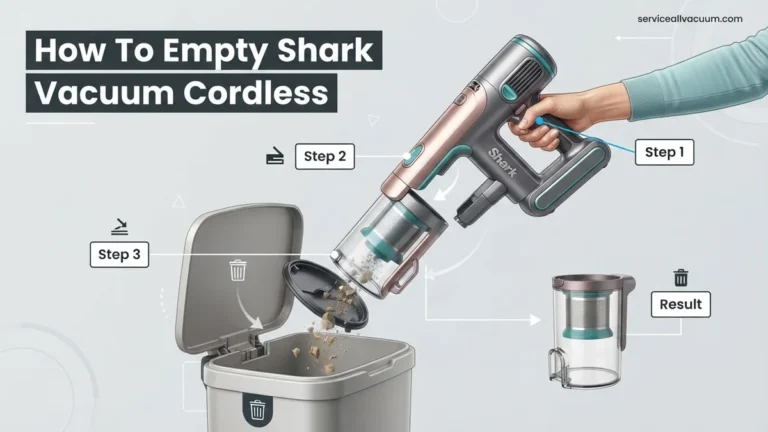
Maintenance & Upkeep sees the Cordless Vacuum take the lead with 8.5 points because emptying its transparent canister is a simple trash-can release. The Robot Vacuum sits at 7.2, requiring regular filter washings, roller brush hair-detangling, and dock bag replacements. Finally, Value for Money tips toward the Cordless Vacuum at 8.2 over the Robot Vacuum’s 7.5, given the sheer durability and multi-surface cleaning power packed into the manual stick design.
Robot Vacuum
Cordless Vacuum
Robot Vacuum Vs Cordless Vacuum by the Numbers
Analyzing the quantitative metrics across our testing framework provides an objective look at where each appliance shines. These numerical ratings encapsulate hundreds of hours of real-world floor testing, battery discharge tracking, and debris pickup trials across hardwood, tile, and carpeted test lanes in our facility.
Robot Vacuum
Cordless Vacuum
Hover any bar for exact values. Each metric scaled independently.
Robot Vacuum: Strengths and Weaknesses
Owning a Robot Vacuum fundamentally changes how you maintain daily household cleanliness. Its primary superpower is autonomy: you can set custom cleaning schedules via a smartphone app and return home to freshly vacuumed floors without lifting a finger. The sophisticated LiDAR navigation systems map your home with impressive accuracy, allowing the unit to methodically clean room by room while avoiding pet bowls, shoes, and stray cords. Furthermore, self-emptying docks on advanced models mean you might go weeks without touching collected dust.
Yet, these automated marvels have glaring weaknesses. Their lower cleaning performance means they struggle heavily with dense, embedded pet hair in thick carpets, and their low-profile motors simply cannot match the raw suction of a manual stick vacuum. When a Robot Vacuum encounters a tangled charging cable or a thick shag rug fringe, it frequently stalls and sends an error alert to your phone, demanding your physical intervention. They also require regular maintenance, from cutting hair out of the rubber brush roll to wiping down cliff sensors.
If you value your time above all else, grab your credit card and review the current pricing to bring home this automated cleaning assistant.
Price & availability subject to change. As an Amazon Associate we earn from qualifying purchases.
Cordless Vacuum: Strengths and Weaknesses
The Cordless Vacuum is an absolute powerhouse of cleaning versatility. Packing up to 250 Air Watts of suction, it ruthlessly extracts stubborn dirt, sand, and embedded pet hair from deep carpet fibers in a single pass. The modular design lets you detach the main tube instantly, converting the machine into a lightweight handheld unit that easily cleans stairs, vehicle interiors, and high ceiling corners. You have total control over where the suction goes, meaning you can target sudden messes the exact second they happen without waiting for a machine to boot up and navigate from another room.
On the flip side, the physical demands of a Cordless Vacuum can wear you down. You are the engine driving the clean, which means arm fatigue is a real factor during extended whole-home cleaning sessions. Battery life is another constraint; running the machine on maximum suction power often drains the battery in under 10 minutes, forcing you to recharge before finishing the job. Additionally, you lack any form of automated scheduling, meaning floors only get cleaned when you personally decide to grab the handle.
When you are ready to experience uncompromising suction power and total cleaning control, take the next step and check today’s best deals.
Price & availability subject to change. As an Amazon Associate we earn from qualifying purchases.
- ✅ Operates completely hands-free on custom cleaning schedules
- ✅ Navigates around furniture using advanced LiDAR and AI cameras
- ✅ Automatically returns to dock to empty dust and recharge
- ✅ Slips underneath low-profile beds and couches effortlessly
- ✅ Dual mopping and vacuuming capabilities on premium models
- ❌ Struggles significantly with deep pile carpets and heavy debris
- ❌ Cannot climb stairs or clean elevated furniture surfaces
- ❌ Requires frequent maintenance to untangle hair from roller brushes
- ❌ High-end models with auto-empty docks are very expensive
- ✅ Exceptional suction power for deeply embedded dirt and pet hair
- ✅ Converts into a handheld unit for cars, stairs, and upholstery
- ✅ Zero navigation limits or stuck errors on cluttered floors
- ✅ Larger bin capacity requiring fewer manual interruptions
- ✅ Longer overall product lifespan with fewer electronic failures
- ❌ Requires active manual labor for every single cleaning session
- ❌ Battery life is limited to 15 to 60 minutes max per charge
- ❌ Can feel fatiguing to hold and push during long whole-home cleans
- ❌ Does not offer automated scheduling or remote app triggering
Robot Vacuum or Cordless Vacuum: Which Should You Choose?
Choosing between these two machines depends entirely on your lifestyle, flooring types, and daily tolerance for physical chores. If you are a busy commuter who leaves the house early and returns late, the Robot Vacuum is tailor-made for you. It handles the monotonous daily maintenance of hard floors and low-pile carpets quietly in the background, ensuring you never walk on dusty crumbs again. It’s the ultimate set-and-forget solution for young professionals and low-mess households.
Conversely, if you are a power user managing a multi-level home with heavy-shedding pets, thick carpets, and upholstered furniture, the Cordless Vacuum is non-negotiable. Parents with messy toddlers or pet owners dealing with constant fur tumbleweeds will find that automated sweepers simply cannot match the deep extraction capabilities of a high-powered stick vacuum. For budget-conscious buyers wanting maximum utility per dollar, the Cordless Vacuum also delivers a far more comprehensive cleaning kit right out of the box.
For the ultimate living arrangement, many households eventually invest in both, using the robot for daily surface sweeps and the cordless stick for weekend deep cleans and above-floor dusting.
Busy professionals wanting zero-effort daily floor upkeep.
Pet owners and multi-level homes needing intense manual deep cleaning.
Final Verdict: Robot Vacuum vs Cordless Vacuum
The Cordless Vacuum ultimately takes the crown in this head-to-head showdown thanks to its superior cleaning performance, unmatched versatility, and deep-extraction suction power. While the Robot Vacuum wins comfortably on convenience and automated daily maintenance, it cannot compete with the sheer muscle of a manual cordless stick. Your purchase decision ultimately hinges on a simple trade-off: do you want effortless daily automation, or do you want uncompromising cleaning power for every surface in your home?
As an Amazon Associate we earn from qualifying purchases.
Robot Vacuum vs Cordless Vacuum: Frequently Asked Questions
Is Robot Vacuum better than Cordless Vacuum?
Not necessarily. Robot Vacuum excels at effortless daily maintenance on hard floors, offering up to 180 minutes of scheduled runtime. However, Cordless Vacuum delivers superior 250 AW suction power for deep carpet cleaning, upholstery, and stairs, making them complementary tools rather than direct substitutes.
Which is more reliable over a 5-year period?
Cordless Vacuums generally last longer (5 to 7 years) with fewer mechanical points of failure. Robot Vacuums average a 3 to 5-year lifespan before battery degradation, sensor wear, or navigation motor issues require costly replacements or unit upgrades.
Which option is better for pet owners?
Pet owners often benefit most from owning both. Cordless Vacuums are unmatched for pulling thick pet hair out of deep carpets and fabric sofas, while Robot Vacuums prevent tumbleweeds of fur from accumulating daily on hard surface floors.
Which type is easier for beginners to use?
Robot Vacuums are vastly easier for daily upkeep since they operate autonomously via app commands or voice assistants. Cordless Vacuums require manual pushing and physical battery management, though their controls are straightforward plug-and-play.
What is the biggest functional difference between them?
The core difference is automation versus portability. Robot Vacuums operate independently using 8,000 Pa suction and navigation algorithms, whereas Cordless Vacuums offer 360-degree manual versatility, weighing under 7 lbs to clean stairs, walls, and vehicle interiors.