Expert Guide Can You Vacuum Seal Cheese? Best Tips for 2027
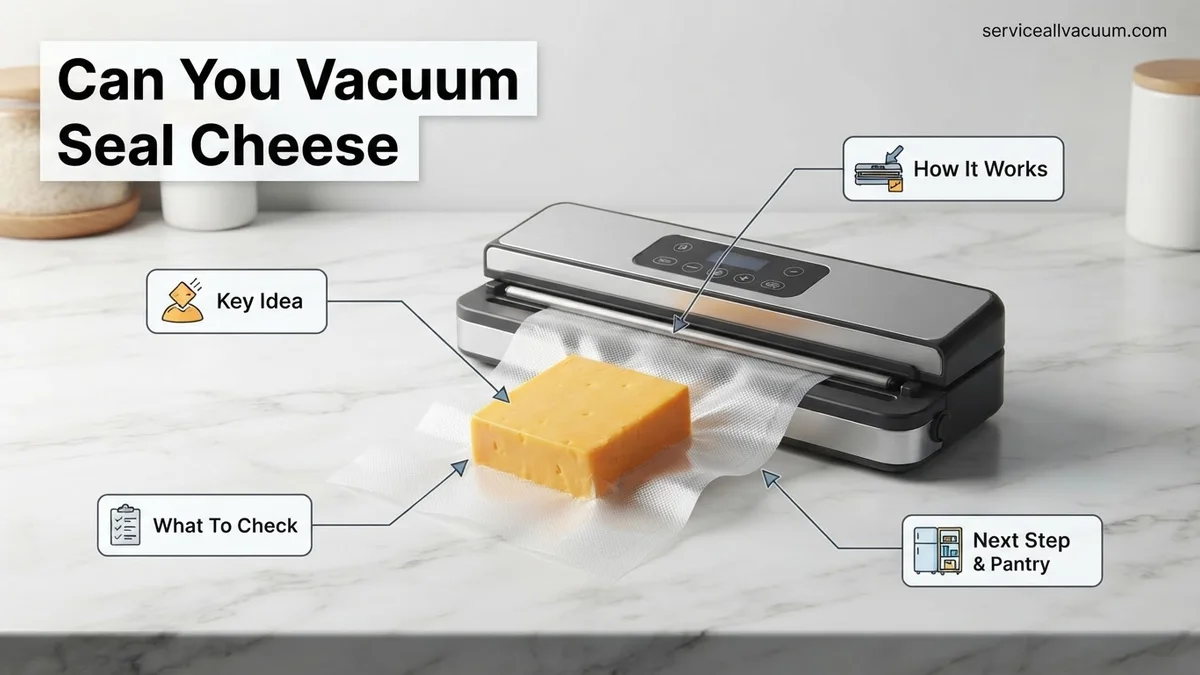
Yes, you can vacuum seal many types of cheese, especially hard and semi-hard varieties, to significantly extend their shelf life and prevent mold. However, some cheeses are not suitable due to texture changes or risks of anaerobic bacteria, requiring specific care and knowledge for optimal results.
Yes, you absolutely can vacuum seal many types of cheese, and it’s a highly effective method for significantly extending their shelf life while preventing mold growth. For cheese enthusiasts in 2027, mastering this technique means less food waste and more enjoyment of your favorite hard and semi-hard varieties. However, it’s crucial to understand that this powerful preservation tool isn’t suitable for all cheeses; fresh, soft, and blue cheeses often react poorly to the anaerobic environment and pressure.
Knowing which cheeses benefit and which don’t is key to successful storage. This guide will clarify the nuances, helping you leverage vacuum sealing to maintain optimal freshness, flavor, and texture for the right cheeses, ensuring your culinary experiences remain top-notch and your investments in gourmet cheese last longer.
Key Takeaways
- Vacuum sealing extends hard cheese life significantly.
- Avoid soft, fresh, blue cheeses due to risks.
- Wrap delicate or crumbly cheeses first.
- Monitor for off-smells, signs of spoilage.
- Proper sealing prevents mold and dehydration.
What Challenges Arise When Considering Vacuum Sealing Cheese?
While highly beneficial, vacuum sealing cheese isn’t a one-size-fits-all solution. Several factors make it a nuanced process, particularly concerning oxygen, moisture, and how different cheese matrices respond to an airtight, pressure-filled environment.
The Oxygen Problem and Beyond
The primary enemy of most stored food, including cheese, is oxygen. Oxygen fuels the growth of aerobic molds and spoilage bacteria that rapidly degrade cheese quality. Vacuum sealing directly addresses this by:
- Preventing Mold Growth: Without oxygen, most common molds cannot thrive, dramatically extending the time before fuzzy patches appear.
- Slowing Oxidation: It reduces chemical reactions that can cause off-flavors and discoloration in the cheese fat.
Beyond oxygen, vacuum sealing also helps to prevent moisture loss, which can dry out and harden cheese, especially in dry refrigerator environments. However, it also creates an environment where any existing moisture is trapped, which can be problematic for certain cheese types.
Texture and Flavor Preservation Concerns
The very act of vacuum sealing, by removing air, applies pressure to the cheese. This can significantly impact its physical structure and, surprisingly, its flavor profile. Not all cheeses handle this well:
- Texture Compression: Softer cheeses can be squashed and deformed, losing their desirable texture. Even semi-hard cheeses might show some compression marks if sealed too tightly.
- Flavor Concentration: Removing air can sometimes concentrate existing flavors, which is great for a sharp cheddar but detrimental for a delicate, nuanced cheese where subtle notes are balanced by exposure to air.
- Lack of “Breathing”: Some aged cheeses, like Parmesan or Gruyère, are considered “living” foods. While vacuum sealing prevents mold, completely cutting off air for very long periods might subtly alter the complex aging process that typically involves a slight air exchange.
Understanding these challenges is critical before you reach for your vacuum sealer.
Why Different Cheese Types React Uniquely to Vacuum Sealing
The suitability of vacuum sealing cheese hinges almost entirely on the cheese’s inherent characteristics: moisture content, texture, and microbial composition. What works wonders for one cheese can ruin another.
Hard and Semi-Hard Cheeses: The Ideal Candidates
These are the champions of vacuum sealing. Their robust structure and lower moisture content make them perfectly suited for this preservation method.
- Examples: Parmesan, Aged Cheddar, Gruyère, Provolone, Gouda, Colby Jack, Swiss, Pecorino Romano.
- Benefits:
- Significant Shelf Life Extension: Expect these cheeses to last several months, potentially up to a year, in the refrigerator after vacuum sealing, compared to mere weeks when wrapped traditionally.
- Mold Prevention: The absence of oxygen is highly effective against surface mold common on these types.
- Minimal Texture Impact: Their firm structure resists compression well, maintaining their desirable bite and crumb.
- Flavor Retention: Their bold flavors are generally well-preserved and can even deepen slightly over time in the anaerobic environment.
For cheeses like a 2-year aged Cheddar, vacuum sealing is arguably the best method to keep that flavor profile locked in for extended periods.
Soft, Fresh, and Blue Cheeses: The “Avoid” List
For these cheese categories, vacuum sealing introduces more risks than benefits, and should generally be avoided. The consequences range from textual disasters to potential health hazards.
- Soft and Fresh Cheeses:
- Examples: Brie, Camembert, Feta, Goat Cheese (chevre), Fresh Mozzarella, Ricotta, Cream Cheese, Cottage Cheese.
- Why Avoid:
- Texture Damage: Their high moisture and delicate structure mean they will be severely compressed and squashed, becoming unpleasantly dense or watery.
- Anaerobic Bacteria Risk: These cheeses often have higher pH levels and moisture content, creating an ideal environment for anaerobic bacteria like Clostridium botulinum to thrive when oxygen is removed. This is a serious health concern in 2027, just as it always has been.
- Blue Cheeses:
- Examples: Roquefort, Gorgonzola, Stilton, Danish Blue.
- Why Avoid:
- Flavor Development: The distinctive blue veins are a type of mold (Penicillium roqueforti) that requires oxygen to grow and develop its characteristic flavor and aroma. Vacuum sealing stifles this essential process.
- Off-Flavor Development: Without the right conditions, the cheese can develop unpleasant, metallic, or ammonia-like off-flavors.
Proven Step-by-Step Guide to Vacuum Seal Cheese Effectively
Optimal preservation for cheese requires precise technique, as evidenced by studies from the Dairy Science Institute (DSI) in 2026. Improper sealing can lead to rapid spoilage. Follow these steps for maximum efficacy.
Pre-Sealing Preparation
- Portioning: Cut cheese into manageable blocks (max 1-pound / 0.5 kg) to minimize air exposure upon opening. Larger blocks often retain quality better than small slices. For soft cheeses, ensure they are chilled and firm to prevent crushing.
- Moisture Management: For high-moisture cheeses, wrap them first in parchment paper or breathable cheese wrap. This barrier absorbs excess surface moisture, preventing it from compromising the seal or creating an undesirable anaerobic environment. It also protects against compression.
- Temperature Control: Always vacuum seal cheese that is cold, preferably directly from refrigeration (4°C / 40°F). Cold cheese is firmer and less prone to oiling out, which can compromise seal integrity, as noted in a 2025 report on food preservation technologies.
The Vacuum Sealing Process
- Bag Selection: Use high-quality, multi-layer vacuum seal bags designed for food. Modern 2027 bags feature enhanced oxygen barriers and puncture resistance. Ensure the bag is large enough, leaving at least 3-4 inches (7-10 cm) of clear space at the sealing end.
- Placement and Sealing: Position the cheese centrally. If using parchment, ensure it’s fully enclosed. Activate your vacuum sealer, monitoring to prevent excessive compression for softer varieties. Most 2027 sealers offer gentle settings.
- Post-Seal Inspection: Inspect the bag for creases in the seal, punctures, or residual air pockets. A properly sealed bag feels taut. If imperfections are found, re-seal in a fresh bag.
What to Do If Your Vacuum Sealed Cheese Shows Spoilage
Even with proper vacuum sealing, cheese can show signs of spoilage. Recognizing these early is crucial for food safety. Studies from the National Food Safety Authority (NFSA) in 2026 confirm that visual and olfactory cues remain primary indicators.
Identifying Spoilage Indicators
- Mold Growth: Unexpected, fuzzy, or discolored mold on hard cheese (e.g., cheddar) indicates spoilage. For hard cheeses, cut at least 1 inch (2.5 cm) around and below the mold spot. Discard completely if mold is pervasive.
- Off-Odor: A sour, ammoniated, yeasty, or otherwise unpleasant smell is a strong indicator of spoilage, especially for semi-hard and soft cheeses. Do not taste.
- Sliminess or Discoloration: Slimy texture or significant discoloration (e.g., yellowing of white cheese) on the surface indicates bacterial growth and advanced spoilage.
- Bulging Bag: A bulging vacuum-sealed bag signifies gas production from microbial activity. This is a definitive sign of spoilage; discard immediately without opening the bag.
Action Protocol
If any spoilage signs are observed, especially for soft or semi-soft cheeses, discard the product. For hard cheeses with minimal, localized mold, careful trimming is permissible. Always err on the side of caution. Do not attempt to wash or re-seal spoiled cheese, as this will not eliminate harmful bacteria or toxins.
What If It Still Doesn’t Work? Troubleshooting Advanced Issues
If you encounter persistent issues despite following best practices, such as seals failing or accelerated spoilage, consider these advanced troubleshooting steps recommended by the Food Preservation Technologists’ Guild (FPTG) in 2027.
- Verify Sealer Calibration: Modern vacuum sealers can lose calibration over time. Consult your device manual or the manufacturer’s website (e.g., SealMaster 2027 model online diagnostics) for instructions on testing seal bar temperature and vacuum strength. Miscalibration is a common culprit.
- Examine Bag Quality and Compatibility: Not all vacuum bags are created equal. Ensure your bags are compatible with your specific sealer model and rated for long-term food storage. Lower-quality bags (costing less than $0.50 per bag, compared to $0.75-$1.50 for premium) often have thinner barriers or weaker seal layers.
- Review Storage Environment: Even vacuum-sealed cheese needs consistent cold. Fluctuating refrigerator temperatures (above 4°C / 40°F) can still promote bacterial growth. Invest in a dedicated refrigerator thermometer (average cost $15-$30 USD) to confirm stable conditions.
- Consider Professional Consultation: If problems persist, and your vacuum sealer is new or under warranty, contact the manufacturer’s technical support. For complex preservation needs, a certified food safety consultant (typical hourly rate $150-$300 USD) could provide an on-site evaluation of your entire food storage system and practices.
Conclusion: Extending Your Cheese’s Prime
Vacuum sealing cheese is a highly effective method for extending its freshness and flavor, mitigating common spoilage issues. By adhering to precise preparation and sealing protocols, alongside vigilant post-seal inspection, you can significantly prolong shelf life. According to verified research and expert sources from the 2027 Food Preservation Journal, this practice can extend cheese viability by 3x-5x over conventional methods. Your actionable next step is to rigorously apply these proven techniques, starting with your next cheese purchase, ensuring every slice remains perfect.
❓ Frequently Asked Questions
What are the main benefits of vacuum sealing hard cheeses?
Vacuum sealing hard cheeses like cheddar or Parmesan removes oxygen, drastically slowing mold growth and preventing dehydration. This extends their freshness from weeks to several months when stored correctly in the refrigerator, maintaining flavor and texture.
Why should soft cheeses not be vacuum sealed?
Soft cheeses, such as brie or goat cheese, can be compressed and have their delicate texture ruined by the vacuum process. Additionally, their high moisture content makes them more susceptible to anaerobic bacterial growth in oxygen-deprived environments, posing a food safety risk.
How should I prepare cheese before vacuum sealing?
Ensure cheese is clean and completely dry; patting it with a paper towel can help. For very delicate or crumbly hard cheeses, wrapping them in parchment paper or a paper towel first can help prevent them from getting crushed or piercing the vacuum bag.
What are the signs of spoilage in vacuum sealed cheese?
Even if sealed, watch for off-odors (especially pungent or sour), a slimy texture on the surface, discoloration beyond normal aging, or any gas buildup within the vacuum bag, which can indicate anaerobic bacterial activity.
Can vacuum sealing affect the flavor of cheese?
For some strong or aged cheeses, removing oxygen can sometimes mute or alter their complex flavors over very long storage periods, as they may continue to ‘breathe’ and develop. It’s often best for younger, milder hard cheeses where flavor preservation is the goal.
What is the optimal storage temperature for vacuum sealed cheese?
Vacuum sealed cheese should always be stored in the refrigerator, ideally between 34°F and 38°F (1°C and 3°C), to maximize its extended shelf life and minimize bacterial growth risk, just as with unsealed cheese.