How To Clean A Bissell Vacuum Cleaner: Pro Tips 2026
Unplug the unit, empty the bin, wash filters, clean brush, and dry fully.
If you want your floors to stay clean and your vacuum to last, you need to know how to clean a Bissell vacuum cleaner the right way. I maintain dozens of units in homes and small offices, and I’ve learned what works from real use. In this guide, I’ll show you how to clean a Bissell vacuum cleaner step by step, avoid common mistakes, and keep it running like new with simple, proven habits.

Why cleaning your Bissell vacuum matters
A clean vacuum cleans better. Dust, hair, and oil build up in the bin, filters, and brush. This cuts airflow and lowers suction. It can also create odors and strain the motor.
Regular care keeps suction strong and reduces wear. In my experience, most loss of power comes from clogged filters and brush wraps. Learning how to clean a Bissell vacuum cleaner prevents all that and saves money on repairs and replacements.
Know your Bissell: parts you will clean
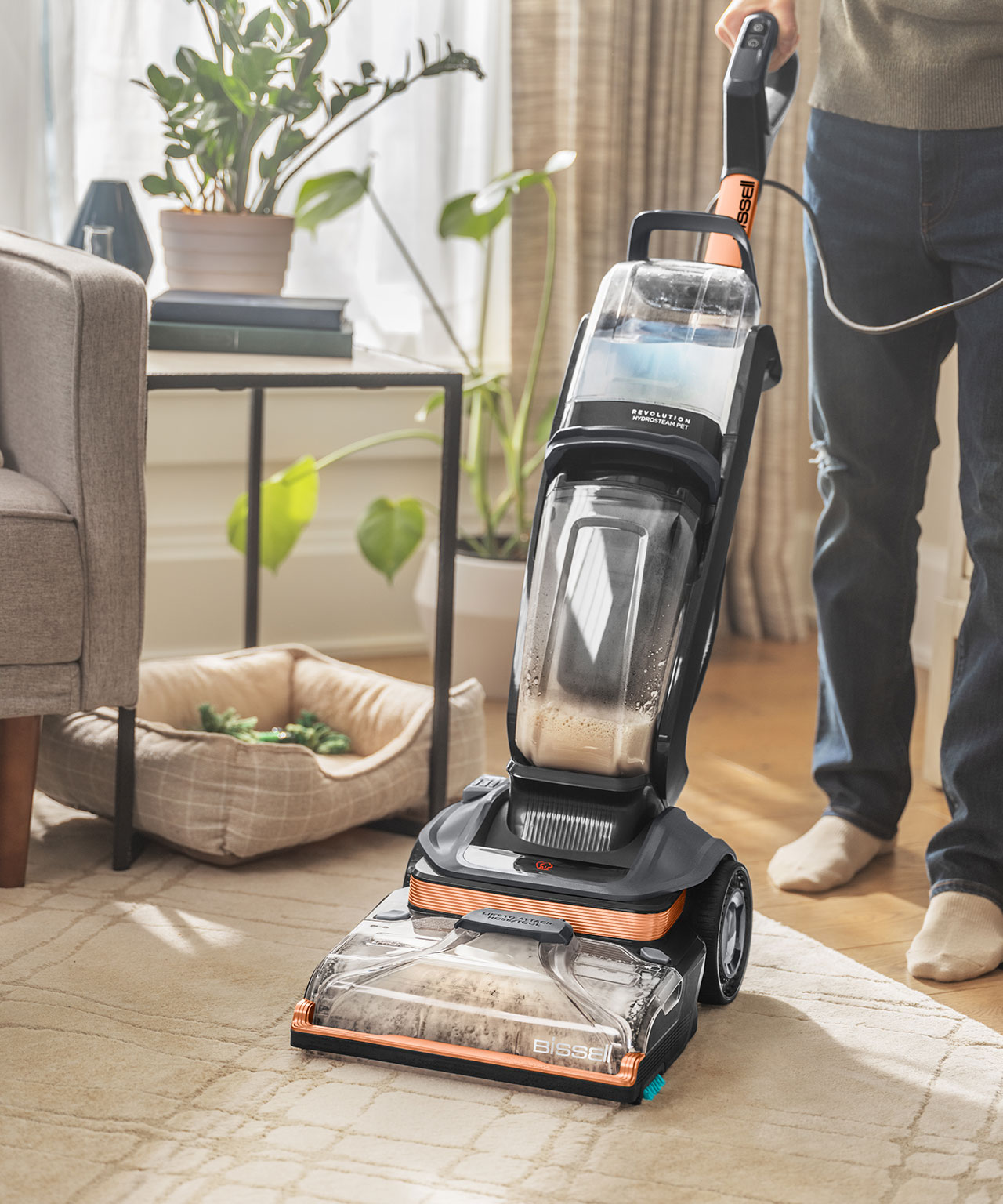
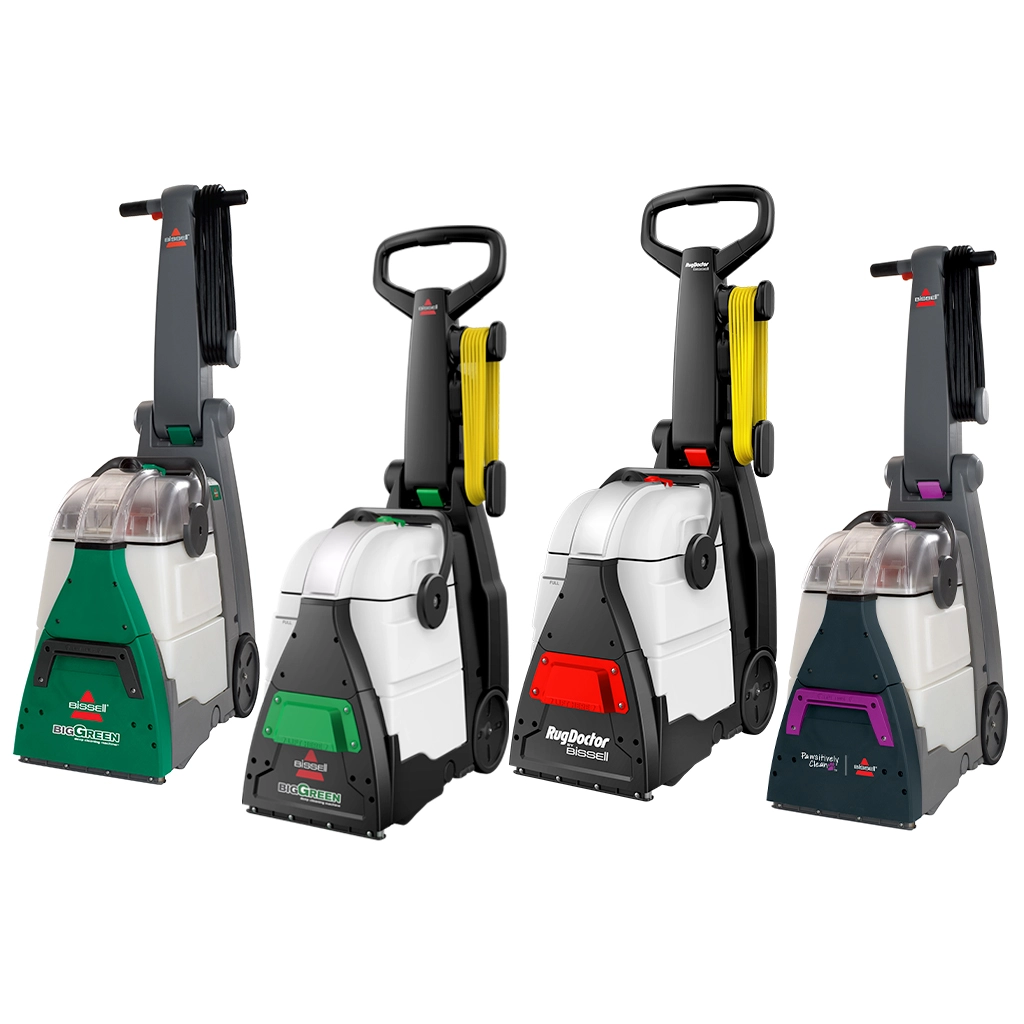
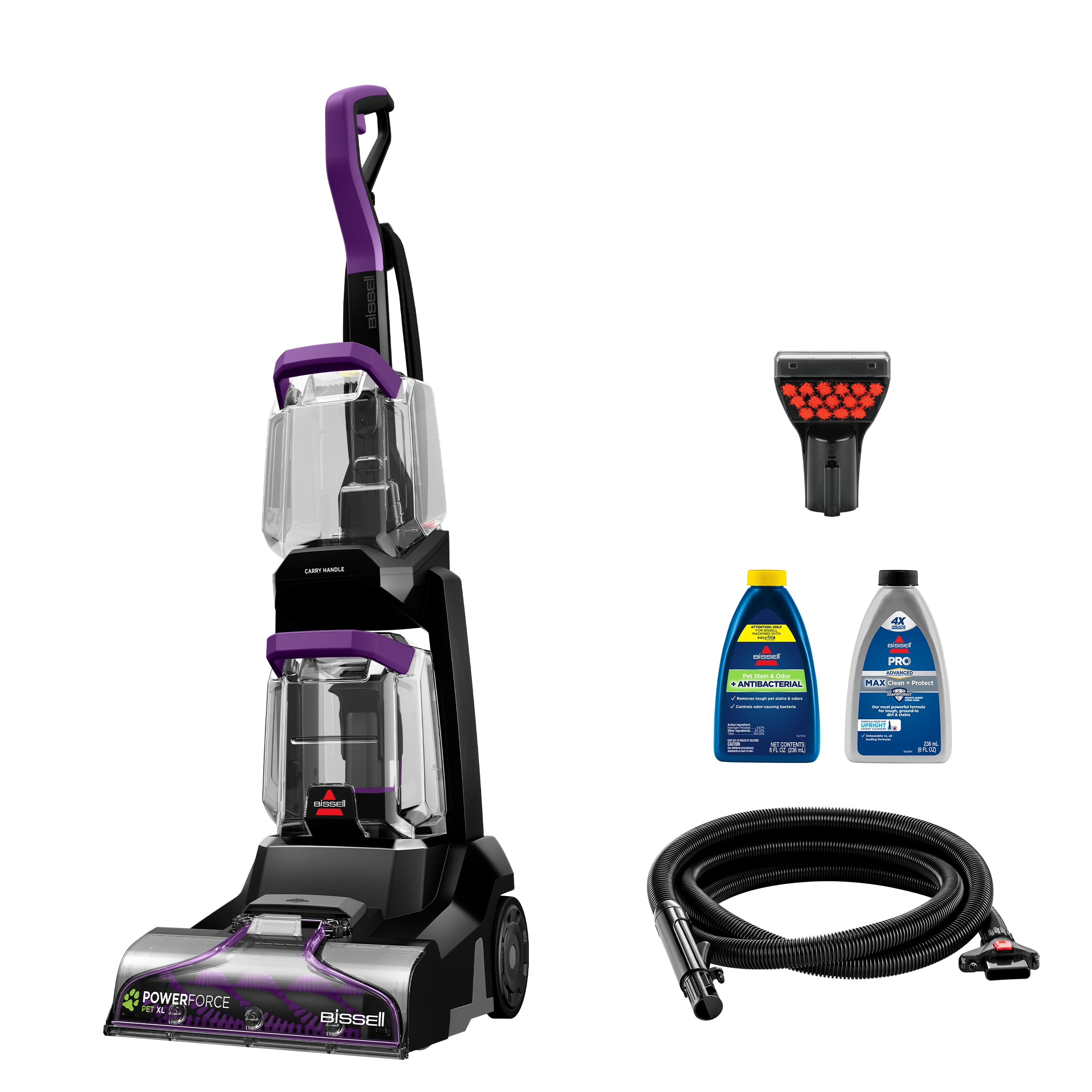
Bissell designs vary, but most share the same core parts. When you learn how to clean a Bissell vacuum cleaner, you will handle these pieces:
- Dust bin or bag holds debris and needs emptying before each deep clean.
- Pre-motor filter protects the motor and often is washable foam or felt.
- HEPA or post-motor filter traps fine dust and may be washable or replaceable.
- Brush roll or PowerBrush lifts hair and fiber from carpet.
- Nozzle, floor head, and end caps collect strings and lint.
- Hose and wand can clog with popcorn kernels, pet hair, and dust bunnies.
Check your model’s manual for what is washable. Some HEPA filters are not washable. When in doubt, replace them. This is key when planning how to clean a Bissell vacuum cleaner safely.
Tools and safety prep
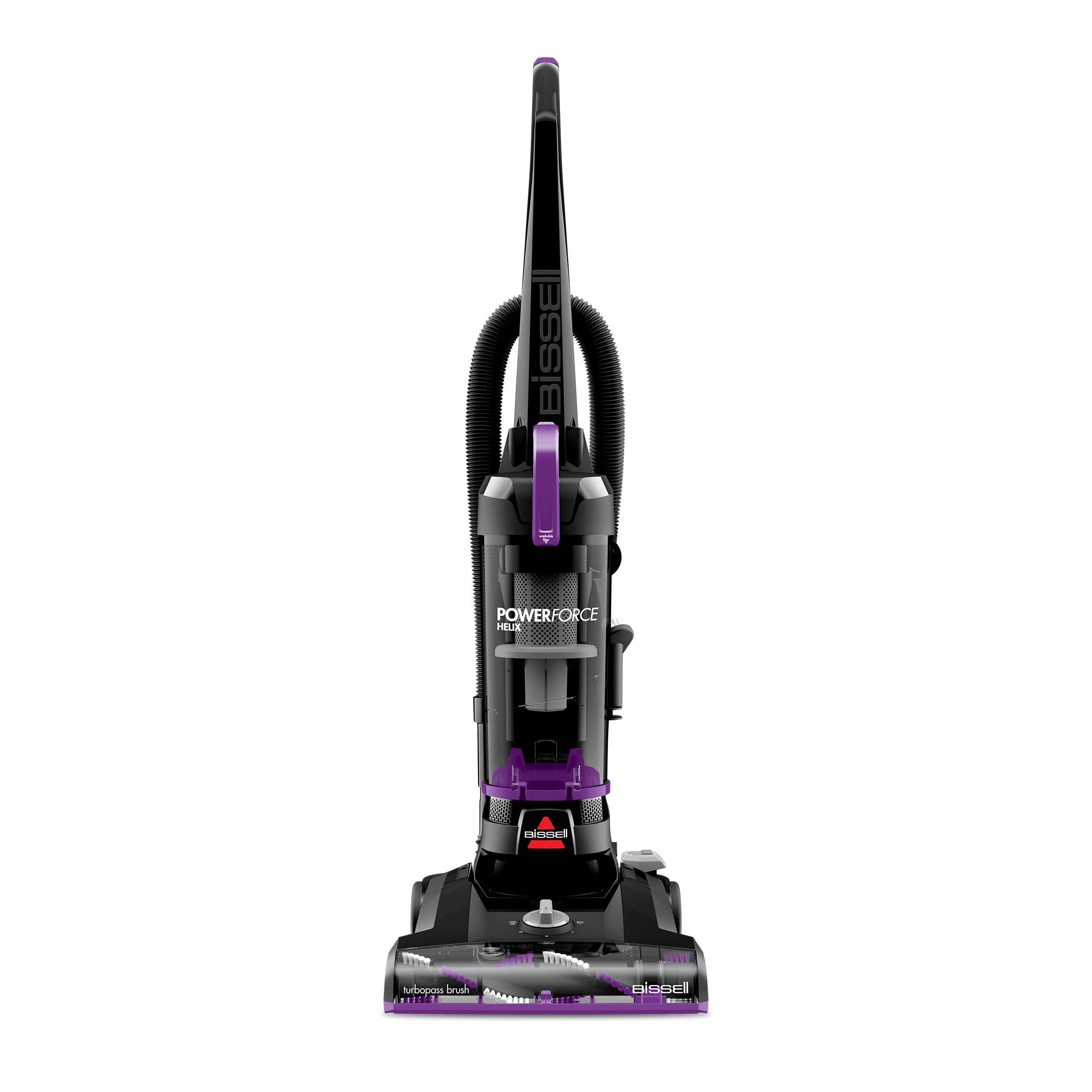
Safety and the right tools make the job fast and clean. Before you start on how to clean a Bissell vacuum cleaner, gather:
- A soft brush, old toothbrush, or small detailing brush
- Microfiber cloths and paper towels
- Mild dish soap and warm water
- Scissors for hair wraps
- A straightened coat hanger or long zip tie to clear hoses
- Compressed air (optional) for crevices
Always unplug the vacuum. Remove the battery on cordless units. Let washable parts air-dry for 24 hours before reassembly. Manufacturer guidance and industry best practice warn that damp filters can grow mold and damage motors.

Step-by-step: how to clean a Bissell vacuum cleaner
Follow this simple order for best results. I use this sequence in client homes to save time and mess.
- Empty the dust bin
- Press the release and empty the bin into a trash bag.
- Tap the bin gently to dislodge fine dust.
- Wash the bin with warm, soapy water if allowed. Rinse and air-dry fully.
- Clean the filters
- Remove the pre-motor filter. If washable, rinse until water runs clear. Do not wring.
- Check the HEPA or post-motor filter. If washable, rinse gently. If not, tap out dust or replace.
- Let all washable filters dry for at least 24 hours. This point matters in how to clean a Bissell vacuum cleaner without causing odor or motor failure.
- Detangle and wash the brush roll
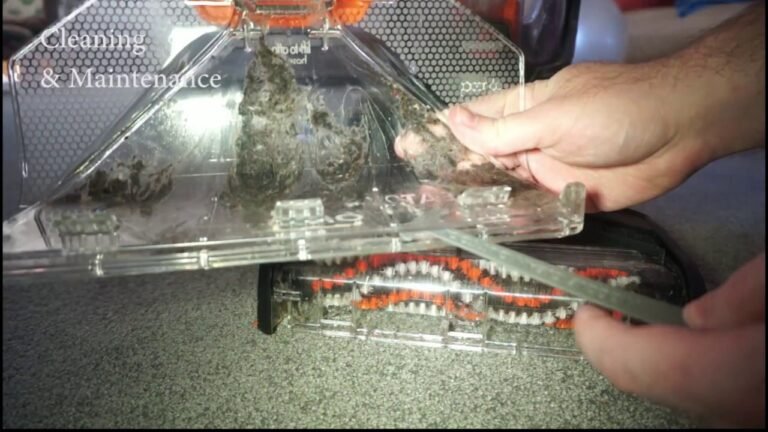
- Take off the floor head cover. Pull out the brush roll if it is removable.
- Cut hair with scissors along the groove. Slide hair off the bristles and end caps.
- Wipe the brush roll and housing with a damp cloth. Allow to dry fully before reinstalling.
- Clear the nozzle, hose, and wand
- Check the inlet for clogs. Remove visible debris by hand.
- Feed a zip tie or coat hanger through the hose to push out blockages. Be gentle to avoid punctures.
- Rinse the hose with warm water if the manual allows. Hang it to drip-dry until no moisture remains.
- Wipe down the body and seals
- Clean gaskets, seals, and the bin rim. Dust on seals reduces suction.
- Wipe the exterior to remove fingerprints and fine dust.
- Reassemble and test
- Once all parts are dry, reassemble in reverse order.
- Power on and test suction. Listen for smooth sound. If airflow is weak, revisit the hose or filters.
Tip from the field: When you master how to clean a Bissell vacuum cleaner, set a timer. I aim for 20 minutes per full clean. Quick and thorough wins.
Brush roll care by floor type
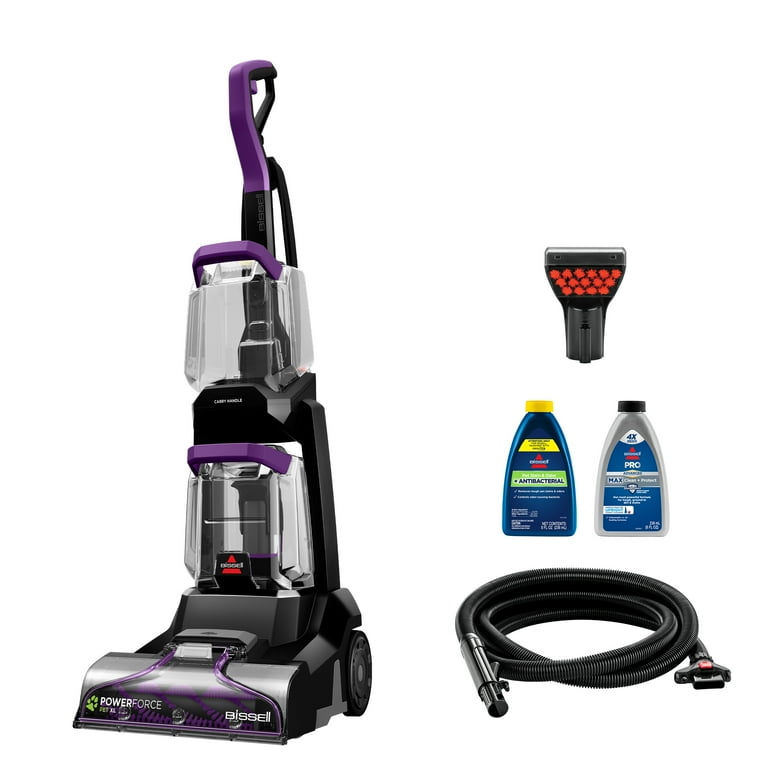
- For long carpet, clean the brush every two weeks if you have pets.
- For hard floors, check the soft roller monthly to avoid streaks and fine dust trails.
- Replace worn belts or stripped brush rolls when bristles look flat.
Filter replacement timing
- Foam or felt pre-motor filters: wash monthly, replace every 6–12 months.
- HEPA filters: replace every 6–12 months, or wash if your model allows.
Deep-clean schedules and filter care
Frequency depends on floors, pets, and use. If you are searching how to clean a Bissell vacuum cleaner for a busy home, use this plan:
- Light use and no pets: quick clean monthly, deep clean every 3 months.
- One to two pets or high-traffic areas: quick clean every 2 weeks, deep clean monthly.
- Grooming or long hair in the home: brush roll check weekly.
Airflow is the heart of suction. A clean pre-motor filter can restore lost power fast. Based on manufacturer guidance and field data, dry time is critical. Filters must be fully dry to avoid mildew and damage.

Troubleshooting cleaning issues and odors
Even after you learn how to clean a Bissell vacuum cleaner, you may face snags. Try these fixes.
-
Weak suction after cleaning
- Re-seat the bin and filters. A misaligned gasket leaks air.
- Check the hose for a missed clog. Shine a flashlight through it.
-
Odor from the vacuum
- Wash the bin and hose if allowed. Let them dry in sunlight for faster odor control.
- Replace the HEPA filter if smells linger. Sprinkle baking soda in the bin liner between uses.
-
Brush not spinning
- Remove hair from end caps. Hair there can lock the roller even if bristles look clear.
- Confirm the belt is intact and routed right.
-
Dust puff on startup
- Filters may be dusty or damp. Clean and dry them again.
- Seal the bin lid tightly. Inspect the rubber gasket for damage.
If these do not solve the issue, consult your model manual. Some problems look like clogs but are belt or motor related.
Mistakes to avoid and pro tips from the field
I have seen the same errors again and again. Learning how to clean a Bissell vacuum cleaner the smart way avoids damage.
- Do not put wet filters back in. This can cause bad odor and short motor life.
- Do not use strong cleaners on filters. Mild soap and water are enough.
- Do not cut bristles while removing hair. Pinch the hair up before snipping.
Practical tips I use with clients:
- Keep two pre-motor filters. Wash one and use the spare while it dries.
- Label your calendar for monthly deep cleans. Small, steady care beats big, rare jobs.
- After beach trips or dry yard work, clean the bin and pre-filter the same day. Fine grit wears parts fast.
By following these steps, you will not only know how to clean a Bissell vacuum cleaner, you will also extend its life and keep noise down.
Frequently Asked Questions of how to clean a bissell vacuum cleaner
How often should I clean my Bissell vacuum?
For busy homes or pets, deep clean monthly. For light use, every 2–3 months is fine.
Can I wash every Bissell filter?
No. Many pre-motor filters are washable, but some HEPA filters are not. Check your model manual.
What causes bad smells after cleaning?
Damp filters and dirty hoses cause most odors. Dry parts fully for 24 hours and replace a smelly HEPA filter.
Is vinegar safe for cleaning the bin and hose?
Use mild dish soap and warm water instead. Vinegar can affect rubber seals over time.
How do I know the hose is fully clear?
Shine a light through it and check for shadows. Airflow should feel strong at the handle when the head is removed.
Conclusion
A little routine care keeps suction strong, stops odors, and protects your motor. You now know how to clean a Bissell vacuum cleaner from bin to brush and filter to hose. Set a simple schedule, keep spare filters on hand, and stay ahead of clogs.
Take action today. Pick a 20-minute slot this week and do a full clean. If this guide helped, subscribe for more home care tips or leave a comment with your model and results.



One Comment