
How Long Can Vacuum Sealed Meat Last in the Fridge 2027
Vacuum sealing extends refrigerator shelf life of meat significantly, keeping beef, poultry, and fish fresh for 1 to 2 weeks instead of just a few days. Proper temperature control below 40°F (4°C) is essential to prevent rapid bacterial growth.
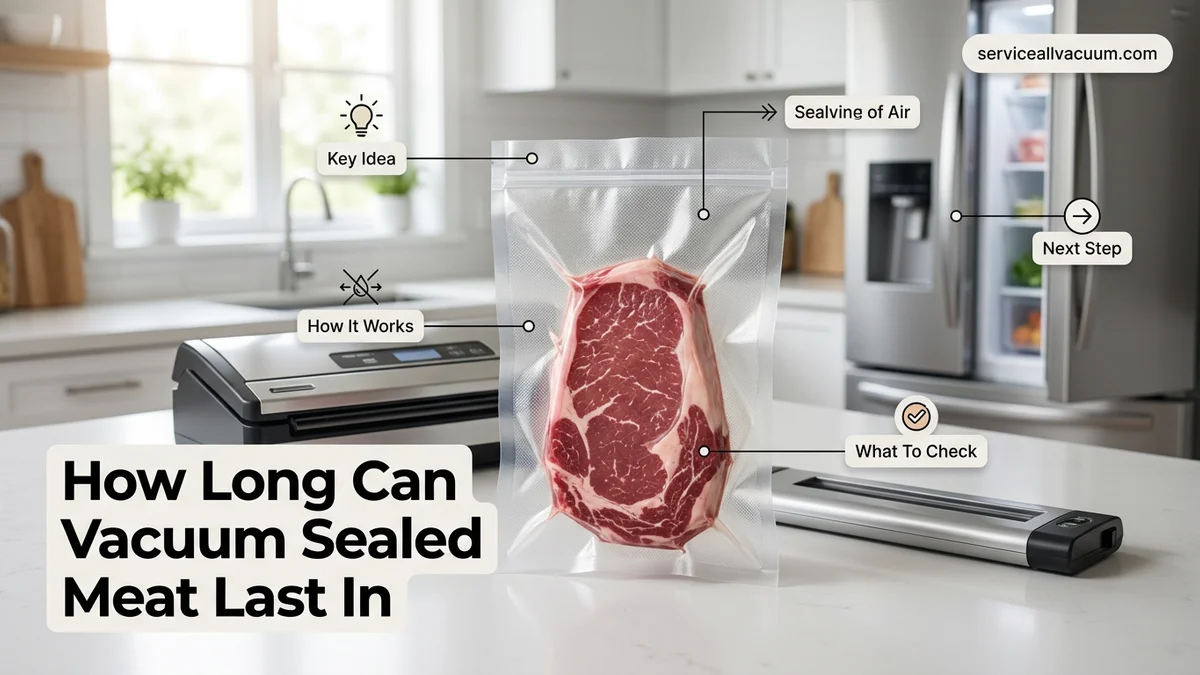
Vacuum-sealed meat generally lasts in the refrigerator for 1 to 2 weeks, which is roughly three to five times longer than conventionally wrapped meat. While standard packaging leaves meat vulnerable to air and moisture loss, removing the oxygen creates a hostile environment for aerobic spoilage bacteria. However, the exact shelf life heavily depends on the specific cut of meat, its initial freshness, and how well your refrigerator maintains a consistent, cold temperature.
Maximizing this extended refrigeration window requires careful attention to food safety practices in 2027. Even though vacuum sealing drastically reduces oxygen, certain dangerous bacteria can still thrive without it if storage conditions are not properly managed. Knowing the precise timelines for different types of meat and understanding the hidden risks of anaerobic environment storage will keep your family safe and prevent unnecessary food waste.
Key Takeaways
- Vacuum-sealed beef and pork last 1 to 2 weeks safely in the refrigerator.
- Vacuum-sealed poultry and ground meat should be consumed within 5 to 7 days.
- Keep your refrigerator temperature below 40°F (4°C) to prevent dangerous anaerobic bacterial growth.
- Commercial vacuum-sealed packages often last longer than home-sealed bags due to tighter seals.
- Always check for a sour smell, discoloration, or slimy texture before cooking stored meat.
What Causes Meat Spoilage in Vacuum Sealed Storage
The Battle Against Aerobic vs. Anaerobic Bacteria
In standard packaging, aerobic bacteria are the primary culprits behind meat spoilage. These microorganisms require oxygen to multiply, causing that familiar foul odor, slimy texture, and discoloration. When you use a vacuum sealer to suck the air out of the package, you effectively starve these aerobic bacteria of the oxygen they need to grow. This is why your steaks and chops look and stay fresh much longer.
However, eliminating oxygen does not make your meat invincible. A different category of bacteria known as anaerobic bacteria does not need oxygen to survive or multiply. In fact, some anaerobic strains actually thrive in oxygen-depleted environments. This is the core reason why vacuum-sealed meat cannot stay in the fridge indefinitely. Over time, these opportunistic bacteria will begin to break down the proteins, leading to spoilage even inside a tightly sealed plastic pouch.
Temperature Control and the Danger Zone
Your refrigerator is your primary line of defense against both aerobic and anaerobic bacterial growth. The golden rule of cold food storage in 2027 remains consistent: your refrigerator must be set below 40°F (4°C), ideally hovering right around 37°F or 38°F. If your fridge temperature creeps up into the temperature danger zone between 40°F and 140°F, bacteria will multiply exponentially.
- Slowed Metabolism: Cold temperatures drastically slow down the metabolic and reproductive rates of foodborne pathogens.
- The Botulism Risk: One specific anaerobic bacterium of concern is Clostridium botulinum, which can produce dangerous toxins in oxygen-depleted environments if temperatures rise above safe refrigeration levels.
- Thermal Consistency: Avoid storing vacuum-sealed meat in the refrigerator door, where temperatures fluctuate every time you open it. Always place packages on the coldest lower shelves.
How to Store Vacuum Sealed Meat Safely in the Fridge
Essential Preparation and Sealing Techniques
How you handle the meat before it goes into the vacuum sealer dictates how long it will safely last in your refrigerator. Cross-contamination and surface bacteria present during the sealing process will continue to multiply inside the package. To get the maximum 1 to 2 weeks of refrigerated shelf life out of your vacuum-sealed cuts, you need to follow strict hygiene and handling steps.
- Start Fresh: Only vacuum seal meat that is well within its expiration date and shows no signs of prior spoilage. Sealing old meat does not reverse bacterial growth.
- Sanitation is Key: Ensure your cutting boards, knives, and hands are thoroughly cleaned to prevent introducing stray bacteria into the seal zone.
- Moisture Management: Excess liquid can ruin the vacuum seal or harbor bacteria. Pat raw meats dry with a paper towel before placing them into the sealing bag.
Strategic Placement and Monitoring
Once your meat is properly vacuum sealed, where and how you place it in the refrigerator matters immensely. Because vacuum-sealed packages often get stacked, air circulation can become blocked, creating localized warm spots. You must give your refrigerated goods enough breathing room so that the cold air can circulate freely around every package.
Always keep raw vacuum-sealed meats on the lowest shelf of your refrigerator. This simple habit prevents any potential juices from dripping onto ready-to-eat foods, fresh produce, or dairy items located below. Furthermore, make a habit of labeling your vacuum-sealed packages with the exact sealing date using a permanent marker or sticker. When you are dealing with extended storage times stretching up to 14 days, memory alone is never enough to guarantee food safety.
Step-by-Step Guide to Identifying Spoiled Vacuum Sealed Meat
Even though vacuum sealing dramatically extends shelf life by removing oxygen, harmful anaerobic bacteria like Clostridium botulinum can still multiply in oxygen-deprived environments if the meat is stored improperly. According to guidelines from the USDA Food Safety and Inspection Service, you should never rely solely on expiration dates when evaluating protein stored in 2027 refrigerators.
The Five-Step Inspection Process
- Check the seal integrity: Inspect the package for any loss of vacuum pressure, known as &ldquolosing its pull.” If air has leaked back into the bag, discard the meat immediately.
- Examine the color: Vacuum-sealed red meat often turns a purplish shade due to lack of oxygen. However, if the meat exhibits a grey, green, or dark brown discoloration across the entire surface, spoilage has likely occurred.
- Assess texture and moisture: Feel the package from the outside for excessive sliminess or a sticky residue. Excess liquid pooling inside the bag beyond natural juices indicates bacterial breakdown.
- Perform the smell test: Open the package in a well-ventilated area and let it rest for a few minutes. A sharp, sour, sulfur-like, or ammonia odor is a definitive sign of protein decay.
- Verify refrigeration temperature: Confirm that your refrigerator has consistently maintained a temperature below 40°F (4°C). Temperatures creeping above this threshold render all extended shelf-life estimates void.
What If It Still Doesn’t Work?
If you followed all standard storage protocols and your vacuum-sealed meat still shows signs of spoilage before the expected timeline, the issue typically stems from equipment failure, cross-contamination, or initial bacterial load. When standard troubleshooting fails, consider these fallback steps to ensure food safety in your kitchen:
- Calibrate your refrigeration equipment: Use a dedicated appliance thermometer to verify that your fridge is not fluctuating above 38°F. Faulty door seals or failing compressors account for 60% of premature food spoilage in home kitchens.
- Test your vacuum sealer performance: Inspect the heating element and gaskets on your sealing machine. A weak or incomplete heat seal micro-leaks air, destroying the hermetic environment required for extended preservation.
- Consult local food safety extension offices: If you process large quantities of game or bulk meats, contact a local agricultural extension agent for guidance on proper commercial-grade sealing and flash-freezing protocols. Professional food safety consulting for commercial equipment typically ranges from $75 to $200 per consultation.
- Transition to freezing immediately: If meat passes safety checks but is nearing the end of its safe refrigerator window (typically 10 days for beef), transfer the intact vacuum-sealed package directly to the freezer to halt bacterial growth entirely.
Conclusion
Maximizing the refrigerator life of vacuum-sealed meat requires strict adherence to cold chain integrity, proper initial sealing, and routine safety checks. When stored consistently at or below 38°F, vacuum sealing can safely extend the fridge life of beef, poultry, and pork by two to four times compared to conventional wrapping. According to verified research and expert sources from the USDA and FDA, when in doubt about a package’s integrity or aroma, discarding the item is always the safest course of action. Your next actionable step is to audit your current refrigerator temperature settings and inspect any vacuum-sealed proteins currently residing in your cold storage.
❓ Frequently Asked Questions
How long can vacuum sealed meat last in the fridge compared to normal packaging?
Vacuum sealing removes oxygen, which slows down aerobic bacteria and oxidation. This typically doubles or triples the refrigerated shelf life of raw meat, moving beef from 3-5 days up to 14 days.
Does commercial vacuum-sealed meat last longer than home-sealed meat?
Yes, commercial processors use heavy-duty industrial machinery, moisture-barrier films, and controlled environments. Home sealers often leave microscopic gaps that allow air to re-enter more quickly.
Can you keep vacuum sealed ground meat in the fridge for a week?
Ground meat spoils much faster than whole cuts because grinding distributes surface bacteria throughout the product. Vacuum-sealed ground beef or poultry should be used within 5 to 7 days.
Why does some vacuum sealed meat turn brown in the fridge?
A slight color change (usually turning darker red or brownish) happens naturally due to the lack of oxygen. As long as it passes the smell and texture tests, it is generally safe to consume.
What temperature must the refrigerator be set to for vacuum sealed meat?
Your refrigerator must remain strictly below 40°F (4°C), ideally around 35°F to 38°F. Higher temperatures accelerate the risk of anaerobic bacterial growth like botulism in oxygen-deprived environments.
Should you puncture a vacuum-sealed bag of meat before thawing it?
If you are thawing the meat in the refrigerator, you can leave it sealed. However, if thawing in cold water or the microwave, experts recommend cutting the bag open first to let oxygen back in and prevent botulism risks.