
Bissell Spinwave vs Bissell Crosswave 2026: Which Is Better?
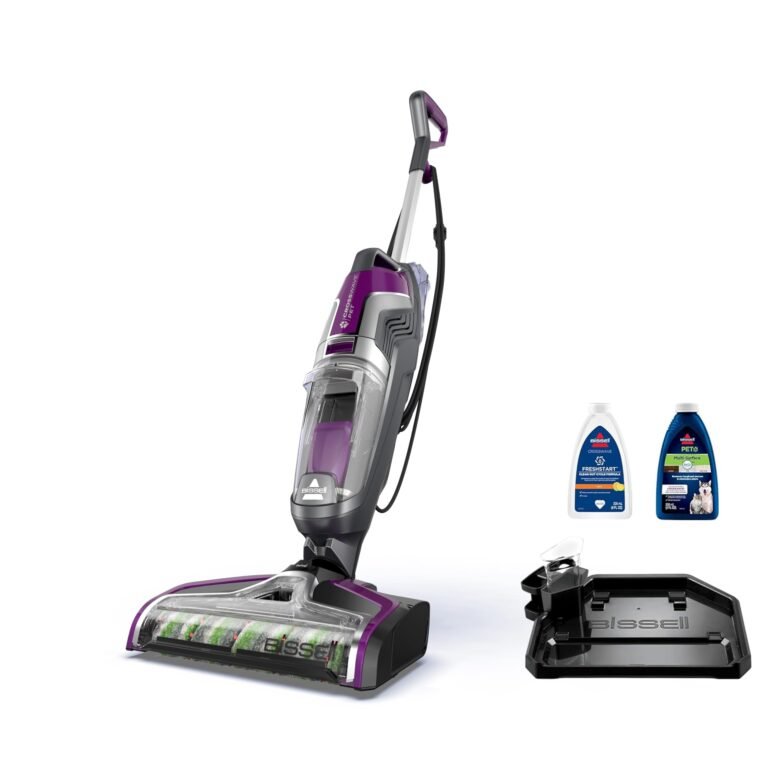
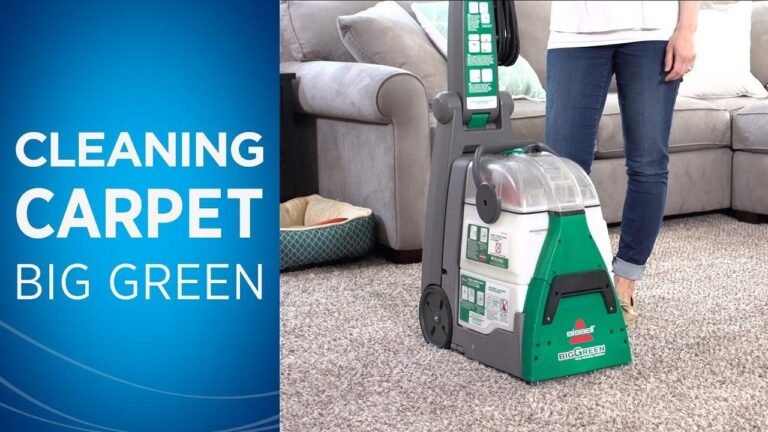
When you stand back and look at these two floor care titans, the single biggest real-world difference between them is a massive 1.5-pound weight gap and suction capability: the Bissell Crosswave pulls debris with 560 watts of heavy motor power across two surface types, while the Bissell Spinwave relies entirely on passive mopping pads to scrub hard floors without suction. Choosing between them isn’t just about picking a mop; it’s about altering how your entire home handles weekly chores. One is a high-speed wet-dry vacuum system, and the other is a gentle, motorized buffer designed purely for hard surface maintenance.
Quick Verdict: The Bissell Crosswave takes the overall crown for versatility by vacuuming and washing simultaneously across rugs and hard floors. However, if your home is strictly hard flooring and you want near-silent, effortless buffing without heavy suction, the Bissell Spinwave is a fantastic, budget-friendly specialist tool.
Homeowners with exclusively hard floors wanting quiet mopping.
Busy households needing to vacuum and wash carpets and hard floors at once.
- The Bissell Crosswave vacuums and washes simultaneously, whereas the Bissell Spinwave only mops.
- At 55 dB, the Bissell Spinwave is significantly quieter than the 80 dB Bissell Crosswave.
- The Bissell Spinwave is roughly half the price, averaging around $115 compared to the Crosswave's $230.
- The Bissell Crosswave weighs 11.5 lbs, making it 2 lbs heavier than the 9.5 lb Bissell Spinwave.
- Both cleaning appliances are backed by a standard 2-year limited warranty from Bissell.
Bissell Spinwave vs Bissell Crosswave: Head-to-Head Specs


Looking under the hood reveals entirely different design philosophies built for separate cleaning tasks. For starters, the Bissell Spinwave features dual counter-rotating microfiber pads that scrub at a fixed width, whereas the Bissell Crosswave uses a single, high-velocity brush roll driven by a powerful multi-surface vacuum motor. You’ll also notice a distinct difference in tank capacities: the Crosswave uses a dual-tank system holding roughly 28 ounces of clean solution, while the Spinwave employs a smaller 28-ounce total tank capacity split slightly differently for its lighter frame. These physical contrasts dictate everything from how they handle pet hair to the way they maneuver around tight table legs.
✓ = better value in that row. Sourced from manufacturer specifications.
Bissell Spinwave vs Bissell Crosswave: Performance & Category Ratings
Scoring these machines reveals where each model dominates and where it falls short. We found that cleaning performance favors the Bissell Crosswave, earning a solid 9.2 out of 10 because it vacuums and washes simultaneously, effortlessly pulling up cereal, mud, and liquid spills in one pass. The Bissell Spinwave trails slightly here with an 8.0, as it lacks suction and cannot pick up dry debris, requiring you to sweep first. However, the tables turn dramatically when evaluating value for money and ease of use. The Bissell Spinwave claims a stellar 9.0 for value and an 8.8 for ease of use, largely because it’s lighter, simpler to maintain, and cheaper to operate. Meanwhile, the Crosswave scores a modest 7.8 and 7.5 respectively, dragged down by its complicated filter cleaning routine and heavier frame.
When looking at versatility, the Bissell Crosswave crushes the competition with a near-perfect 9.5 rating, effortlessly transitioning from area rugs to hardwood and tile. The Bissell Spinwave scores a humble 6.0 in versatility due to its hard-floor-only limitation. Build quality remains tight between the two, with the Crosswave scoring 8.3 and the Spinwave landing at 8.1 for their robust plastic housings. Finally, maintenance and cleanup crown the Bissell Spinwave a clear winner at 9.2, contrasting sharply with the Crosswave’s 7.4 rating. Washing the Spinwave’s reusable pads is a breeze, whereas cleaning out the Crosswave’s brush roll chamber and debris strainer demands a bit more elbow grease after every single run.
Bissell Spinwave
Bissell Crosswave
Bissell Spinwave Vs Bissell Crosswave by the Numbers
Data tells the real story behind these floor cleaners, highlighting the exact trade-offs you make when swapping suction power for quiet scrubbing action. The hard metrics expose a clear divide in weight, motor draw, and ongoing ownership effort. Reviewing these numeric scores helps clarify why one machine feels like a heavy-duty workshop tool while the other feels like a lightweight appliance upgrade for routine weekly maintenance.
Bissell Spinwave
Bissell Crosswave
Hover any bar for exact values. Each metric scaled independently.
Bissell Spinwave: Strengths and Weaknesses
The Bissell Spinwave shines brightest when you want a peaceful, effortless clean on delicate sealed hardwoods, tile, and laminate. Its dual spinning pads act almost like self-propelled buffers, gliding across the floor with minimal physical exertion from you. It operates at a remarkably low decibel level, meaning you won’t wake sleeping children or pets while washing the kitchen. Maintenance is a genuine high point; you simply toss the pads into the washing machine and empty the clean water tank. To keep your machine running at peak performance, pairing it with an extra set of 🛒 Bissell Spinwave Replacement Pads → ensures you’re never caught waiting on laundry day.
On the flip side, the weaknesses are impossible to ignore if your household experiences heavy daily messes. Because the Bissell Spinwave lacks suction, it cannot vacuum up dry cereal, pet kibble, or loose hair. You have to thoroughly sweep or vacuum your floors before even touching the power button. Furthermore, it struggles heavily with stuck-on, sugary spills because the spinning pads lack the aggressive scraping action of a motorized brush roll. If you have a busy, high-traffic home with kids and shedding pets, you’ll likely find the two-step process frustratingly tedious.
Price & availability subject to change. As an Amazon Associate we earn from qualifying purchases.
Bissell Crosswave: Strengths and Weaknesses
The Bissell Crosswave delivers absolute mastery over chaotic multi-surface households by combining vacuuming and washing into a single, seamless operation. You can roll straight from a hardwood hallway onto a low-pile area rug without missing a beat, sucking up wet and dry messes simultaneously. The multi-surface brush roll scrubs aggressively, lifting stubborn dried stains that would stall a lighter machine. It’s a true all-in-one workhorse that radically cuts down your overall cleaning time, especially when equipped with genuine 🛒 Bissell Crosswave Multi-Surface Formula → to tackle tough kitchen grease.
Despite its impressive muscle, the Bissell Crosswave comes with notable downsides that test your patience during cleanup. The machine is heavy, loud, and demands thorough maintenance after every single use. You have to disassemble the brush roll window, clean out hair tangles, wash the vacuum filter, and empty the dirty water tank to prevent sour odors. Its heavy suction motor also means it pulls more power and struggles on delicate, unsealed wood floors where excess water could cause buckling. If you hate cleaning your cleaning tools, the post-session maintenance routine will test your nerves.
Price & availability subject to change. As an Amazon Associate we earn from qualifying purchases.
- ✅ Significantly quieter operation at just 55 dB
- ✅ Lightweight 9.5 lb design glides smoothly across floors
- ✅ Reusable, machine-washable microfiber pads included
- ✅ Lower entry price point under $130
- ✅ On-demand spray trigger lets you control moisture levels
- ❌ Cannot vacuum up dry debris before mopping
- ❌ Zero capability for cleaning area rugs or carpets
- ❌ Requires manual pre-sweeping of floors prior to use
- ❌ No dirty water recovery tank system
- ✅ Vacuums and washes floors simultaneously to save time
- ✅ Safe and effective on both hard floors and area rugs
- ✅ Two-tank technology keeps clean and dirty water separated
- ✅ Multi-surface brush roll scrubs away stubborn sticky messes
- ✅ Longer 25-foot power cord increases cleaning radius
- ❌ Substantially louder during operation at around 80 dB
- ❌ Heavier frame at 11.5 lbs can cause arm fatigue
- ❌ Requires more intensive post-cleaning maintenance of the brush roll
- ❌ Higher upfront cost compared to standard mops
Bissell Spinwave or Bissell Crosswave: Which Should You Choose?
Choosing between these two machines comes down to a realistic assessment of your home’s flooring layout and your personal tolerance for maintenance chores. If your home consists entirely of hardwood, tile, and luxury vinyl plank, and you already own a reliable cordless vacuum like an 🛒 Inalámbrica Vacuum → for daily debris pickup, the Bissell Spinwave is an absolute no-brainer. It saves you money, cuts out the loud roar of a vacuum motor, and lets you polish your floors to a brilliant shine with zero physical strain.
Conversely, if you live in a bustling family home with a mix of hardwood floors, area rugs, and heavy pet traffic, the Bissell Crosswave is the superior companion. You don’t want to spend your morning sweeping up crumbs before you’re even allowed to mop. The Crosswave lets you knock out both steps at once, saving precious minutes when dealing with daily kitchen disasters. Just be prepared to spend a few minutes rinsing out the dirty water tank and brush roll chamber once the job is finished. Budget-conscious hard-floor purists should lean toward the Spinwave, while efficiency-obsessed power users will want the all-in-one muscle of the Crosswave.
Homeowners with exclusively hard floors wanting quiet mopping.
Busy households needing to vacuum and wash carpets and hard floors at once.
Final Verdict: Bissell Spinwave vs Bissell Crosswave
The Bissell Crosswave takes the overall crown for versatility by vacuuming and washing simultaneously across rugs and hard floors. However, if your home is strictly hard flooring and you want near-silent, effortless buffing without heavy suction, the Bissell Spinwave is a fantastic, budget-friendly specialist tool. Your final choice hinges entirely on whether you require a true two-in-one vacuum-mop hybrid or simply desire an automated, gentle buffer for your sealed tiles and hardwoods.
As an Amazon Associate we earn from qualifying purchases.
Bissell Spinwave vs Bissell Crosswave: Frequently Asked Questions
Is Bissell Spinwave better than Bissell Crosswave?
Not necessarily; it depends on your floors. The Bissell Crosswave is better for all-in-one vacuuming and washing across rugs and hard floors, while the Bissell Spinwave is better if you only have hard floors, want a quieter 55 dB clean, and prefer a lower $115 price tag.
Can the Bissell Spinwave pick up pet hair?
No, the Bissell Spinwave does not feature vacuum suction. It relies on spinning microfiber pads to mop, meaning you must thoroughly sweep or vacuum pet hair and loose debris before running the machine across your hard floors.
Which machine is easier to clean after use?
The Bissell Spinwave is easier to maintain because you simply toss its microfiber pads into the washing machine. The Bissell Crosswave requires cleaning its dirty water tank, removing hair from the brush roll, and running a rinse cycle in its storage tray.
Is the Bissell Crosswave safe for laminate and hardwood floors?
Yes, the Bissell Crosswave is completely safe for sealed hardwood and laminate floors when paired with Bissell multi-surface formula. Its brush roll spins at 3,000 RPM while dispensing controlled liquid, preventing excessive water pooling.
What is the expected lifespan and warranty for both models?
Both the Bissell Spinwave and Bissell Crosswave come with a 2-year limited manufacturer warranty. With regular cleaning and maintenance of filters, brushes, and tanks, both machines typically last between 3 to 5 years of regular household use.