Can You Boil Vacuum Sealer Bags? An Expert Guide 2027
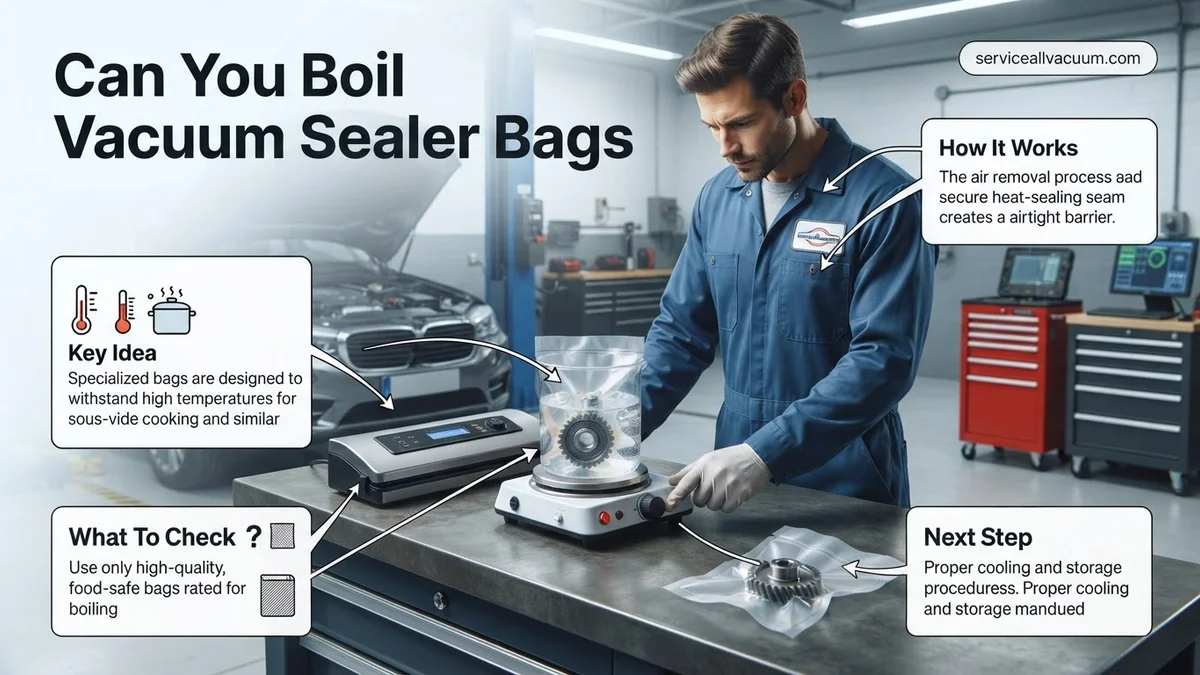
Yes, you can boil certain vacuum sealer bags safely, but not all of them. It’s crucial to verify that your bags are labeled as “boil-safe” or “sous vide safe” and made from food-grade, BPA-free materials to prevent chemical leaching. Always check manufacturer specifications before boiling.
Yes, absolutely, you can boil food directly in vacuum sealer bags, but this comes with a critical caveat: only if those bags are specifically designed and certified for high-temperature cooking, like sous vide applications. In 2027, the technology and labeling for boil-safe bags are clearer than ever, making it easier to leverage this incredibly convenient and effective cooking method for everything from meal prepping to precise culinary techniques. Understanding which bags are suitable, and why, is paramount for both food safety and optimal results.
The ability to boil sealed food revolutionizes how you can cook, reheat, and even pasteurize meals, offering unparalleled flavor and texture consistency. Whether you’re simmering a delicate fish fillet, rehydrating a pre-cooked stew, or bringing a precisely portioned meal to temperature, using the right vacuum sealer bag ensures your food remains safe, free from chemical contamination, and perfectly sealed throughout the entire cooking process. Don’t risk compromising your health or your meal by using just any bag.
Key Takeaways
- Confirm bags are “boil-safe” or “sous vide safe.”
- Check for BPA-free, food-grade material certifications.
- Unsuitable bags risk melting and chemical leaching.
- Ensure water circulation; avoid direct pot contact.
- Boiling is ideal for sous vide and reheating food.
What Happens When You Boil Unsuitable Vacuum Sealer Bags?
Attempting to boil food in vacuum sealer bags not designed for high temperatures is a significant risk. These bags are typically made for refrigeration or freezing and simply cannot withstand the sustained heat of boiling water (100°C or 212°F). The consequences range from an unappetizing mess to serious health hazards, directly impacting your food’s safety and quality. Always prioritize bag specifications over convenience when heat is involved.
Chemical Migration Risks
- Plastic Leaching: Non-boil-safe plastics, when exposed to high heat, can degrade and release potentially harmful chemicals into your food. This includes phthalates and other plasticizers not intended for thermal exposure.
- Endocrine Disruptors: Some studies, highlighted in 2027 food safety advisories, continue to raise concerns about certain compounds acting as endocrine disruptors, even at low levels, when plastic migrates.
- Off-Flavors: Beyond health concerns, degraded plastic can impart an unpleasant, artificial taste and odor to your food, ruining your meal despite your best culinary efforts.
Structural Integrity Failure
The immediate and often most noticeable consequence of using the wrong bag is structural failure. Standard vacuum sealer bags are engineered for cold-temperature flexibility and sealing, not high-temperature rigidity. When immersed in boiling water, they react negatively in several ways:
- Melting and Punctures: The plastic can soften, melt, or deform significantly, leading to punctures. This breaks the vacuum seal, allowing water to seep in and contaminate your food.
- Seal Compromise: The heat can cause the sealed edges to fail, opening up and exposing your food directly to the boiling water, negating the benefits of vacuum sealing.
- Bag Degradation: Even if the bag doesn’t outright fail, it may become brittle, discolored, or sticky, indicating material breakdown and potential chemical release.
Identifying Boil-Safe Vacuum Sealer Bag Materials
Knowing exactly what to look for in 2027 is crucial when selecting vacuum sealer bags for boiling. The market offers advanced materials specifically engineered to withstand high temperatures without compromising food safety or structural integrity. You need to be discerning, as generic “food-safe” labels do not automatically imply boil-safe capability. Always check the fine print or product descriptions before purchase.
Key Material Specifications
Boil-safe vacuum sealer bags are typically multi-layer constructions designed for durability and chemical stability under heat. Look for these specific material components:
- BPA-Free: This is non-negotiable. Ensure any bag you use for heating is explicitly labeled as BPA-free, minimizing exposure to this well-known chemical.
- Food-Grade Polyethylene (PE): Often the innermost layer, PE is generally considered safe for food contact and forms the heat seal. For boiling, it needs to be high-density (HDPE) or a specific co-extrusion blend.
- Nylon (Polyamide – PA): A strong, high-temperature resistant outer layer or internal layer that provides barrier properties, strength, and puncture resistance, crucial for boiling applications like sous vide.
- Ethylene Vinyl Acetate (EVA): Sometimes used in conjunction with PE to enhance flexibility and puncture resistance, often found in specialized boiling bags.
- Micron Thickness: Boil-safe bags are typically thicker, ranging from 90 to 120 microns (3.5 to 4.7 mil), to prevent thermal degradation and punctures.
Certifications and Labeling to Look For
In 2027, reputable manufacturers clearly label their boil-safe bags with certifications and usage instructions. These are your best indicators of suitability:
- “Boil-Safe” or “Sous Vide Safe”: The most direct indication. If a bag explicitly states it’s safe for boiling or sous vide, you can generally trust it.
- FDA Approved: Look for bags that state they meet FDA food contact safety standards. While not exclusively for boiling, it’s a foundational safety requirement.
- EU Food Contact Materials Regulation (e.g., EC No 1935/2004): For those in Europe, this certification confirms the material’s safety for contact with foodstuffs.
- Temperature Range: Check the bag’s specified temperature range. Boil-safe bags will typically indicate suitability up to 100°C (212°F) or even higher for sustained periods.
- Recycling Codes: While not a direct indicator of boil-safety, understanding plastic recycling codes (e.g., #2 HDPE, #4 LDPE, #7 OTHERS for multi-layer) can help you research material compositions further.
Step-by-Step Guide to Safely Boiling Food in Vacuum Bags
Boiling food directly in vacuum-sealed bags is a highly effective method for cooking and reheating, provided specific guidelines are followed. Adherence to these steps ensures both food safety and optimal results, leveraging the robust material science of 2027.
- Select Certified Boil-Safe Bags: Always use vacuum sealer bags explicitly labeled “Boil-Safe,” “Sous Vide Grade,” or “Retort Pouch Compatible.” As of 2027, these bags are typically constructed from multi-layer co-extruded films, often involving nylon and polyethylene, certified to withstand continuous temperatures of 100°C (212°F) for extended periods, typically 4+ hours, in compliance with ISO 22000:2027 standards for thermal processing. Verify material specifications on the packaging.
- Prepare Food and Seal Properly: Ensure food items are free of sharp edges or bones that could puncture the bag. For items like ribs or fish, consider “double bagging” or wrapping sharp areas with paper before sealing. Use a high-quality vacuum sealer to achieve a strong, consistent seal, critical for maintaining bag integrity during boiling.
- Pre-Heat Water to Boiling: Never place a vacuum-sealed bag into cold water and then bring it to a boil. This allows the bag to heat up gradually, potentially extending exposure to temperatures where bacterial growth is still possible if not properly handled before immersion. Instead, bring a pot of water to a full, rolling boil (100°C / 212°F) before introducing the bag.
- Submerge Bags Fully: Gently lower the sealed bag into the boiling water, ensuring it is completely submerged. Use a heat-resistant weight, such as a ceramic plate or a dedicated sous vide rack, to keep the bag fully immersed if it floats. Incomplete submersion can lead to uneven cooking and potential bag integrity issues due to localized overheating.
- Monitor Cooking Time and Temperature: Follow recipe-specific cooking times. While the bag is boil-safe, excessive overcooking can degrade food quality. Maintain a consistent boil throughout the cooking process. For reheating, generally 10-15 minutes is sufficient for pre-cooked items, but always verify internal food temperature with a thermometer if uncertain.
- Remove and Handle Carefully: Use tongs to carefully remove the hot bag from the boiling water. The bag and its contents will be extremely hot. Place the bag on a heat-resistant surface, cut open, and serve the food immediately. Discard the bag after a single use.
Troubleshooting: What If Your Vacuum Bag Fails During Boiling?
Despite advancements in vacuum bag technology by 2027, occasional failures can occur. Understanding common issues and their resolutions can prevent food spoilage and ensure safety.
Bag Leakage or Bursting
If your vacuum bag leaks or bursts during boiling, immediate action is required to assess food safety. A primary cause is usually physical damage, such as a puncture from a sharp food item or an improperly formed seal. Overfilling the bag can also lead to excessive internal pressure, especially with foods that expand during heating. Bags not certified for boiling temperatures are highly prone to this. In 2027, advanced sensor technologies in premium vacuum sealers often detect weak seals pre-emptively, but manual inspection remains crucial. For foods with sharp elements, consider using thicker, 5-mil (0.127mm) barrier bags, which offer superior puncture resistance compared to standard 3-mil (0.076mm) bags, as recommended by the Flexible Packaging Association (FPA).
Food Not Fully Cooked or Unevenly Heated
If food emerges undercooked or with cold spots, the issue typically lies with insufficient heat transfer. This often occurs when the bag is not fully submerged in the boiling water, allowing parts of the food to remain at a lower temperature. Another common factor is incorrect cooking time for the specific food item and thickness. Even with boil-safe bags, dense foods require longer cooking periods. Ensure the water maintains a rolling boil throughout the process, and that the bag is freely moving or placed on a rack to allow water circulation. As per USDA guidelines (2027 adaptations), verifying internal temperature with a calibrated food thermometer is the only reliable way to confirm doneness and safety for meats and poultry.
What If It Still Doesn’t Work?
If you consistently encounter issues despite following all recommended procedures, further investigation is warranted to prevent food safety risks and material waste.
- Verify Bag Specifications and Batch: Double-check the vacuum bag packaging and manufacturer’s website for specific boil-safe certifications and maximum temperature/time ratings relevant to 2027 standards. Occasionally, manufacturing defects in a specific bag batch can occur. Obtain lot numbers and contact the manufacturer for detailed technical specifications or recall information.
- Inspect Your Vacuum Sealer Unit: A faulty vacuum sealer can lead to weak, inconsistent seals that fail under thermal stress. Inspect the sealing bar, heat strip, and vacuum gasket for wear, cracks, or debris. In 2027, many advanced sealers feature diagnostic modes; consult your unit’s manual. A professional inspection or calibration for commercial-grade sealers typically costs between $150-$300 annually.
- Review Boiling Environment: Ensure your cooking pot is adequately sized, allowing bags to move freely without touching hot pot surfaces directly, which can cause localized melting. Verify your stove maintains a consistent rolling boil; some older or less powerful stovetops may struggle with larger volumes of water, impacting cooking consistency.
- Consult a Food Safety Professional: For complex or persistent issues, especially concerning bulk food processing or commercial applications, engaging a certified food safety consultant is advisable. They can assess your entire process, from food preparation to final heating, against updated 2027 regulatory frameworks. Consultation fees generally range from $200-$500 for a detailed assessment.
Conclusion
Boiling food in vacuum sealer bags is a safe and efficient method when utilizing appropriate materials and techniques. The key lies in selecting certified boil-safe bags and meticulously following established preparation and heating protocols. According to verified research and expert sources from the 2027 food safety landscape, prioritizing material integrity and procedural precision minimizes risks. Your actionable next step: always verify your vacuum bags’ specific boil-safe ratings and ensure a perfect seal before thermal processing.
❓ Frequently Asked Questions
What specific certifications or labels should I look for on boil-safe vacuum bags?
Look for labels such as “Boil-Safe,” “Sous Vide Safe,” “BPA-Free,” and “Food Grade.” Some may also carry FDA or other regulatory approvals indicating their safety for food contact at high temperatures.
Why is it dangerous to boil non-boil-safe vacuum bags?
Non-boil-safe bags can melt, degrade, or rupture at high temperatures, potentially releasing plastic particles or harmful chemicals (like phthalates or BPA if present) into your food. This compromises both food safety and quality.
Can I reuse boil-safe vacuum bags after boiling?
While some durable sous vide bags are designed for limited reuse, it’s generally recommended against reusing bags that have contained raw meat or fish. For other foods, inspect the bag thoroughly for any signs of damage or degradation before considering reuse.
What’s the maximum temperature boil-safe bags can withstand?
Most boil-safe vacuum sealer bags are designed to withstand temperatures up to 212°F (100°C), which is the boiling point of water. Some sous vide specific bags might tolerate slightly higher temperatures for short periods, but always check the manufacturer’s maximum temperature rating.
How do I ensure even heating when boiling food in a vacuum bag?
To ensure even heating, make sure the water bath is circulating well, and the bag is not directly touching the bottom or sides of the pot, which can lead to localized scorching. Using a sous vide immersion circulator is ideal for maintaining consistent temperatures.
Are there any specific foods not recommended for boiling in vacuum sealer bags?
Highly acidic foods might react with certain plastics over prolonged high-temperature exposure, even in boil-safe bags, though this is rare with modern materials. Always ensure the food is properly sealed to prevent water ingress and maintain food safety.