Does Vacuum Sealing Prevent Freezer Burn? Expert Guide 2027
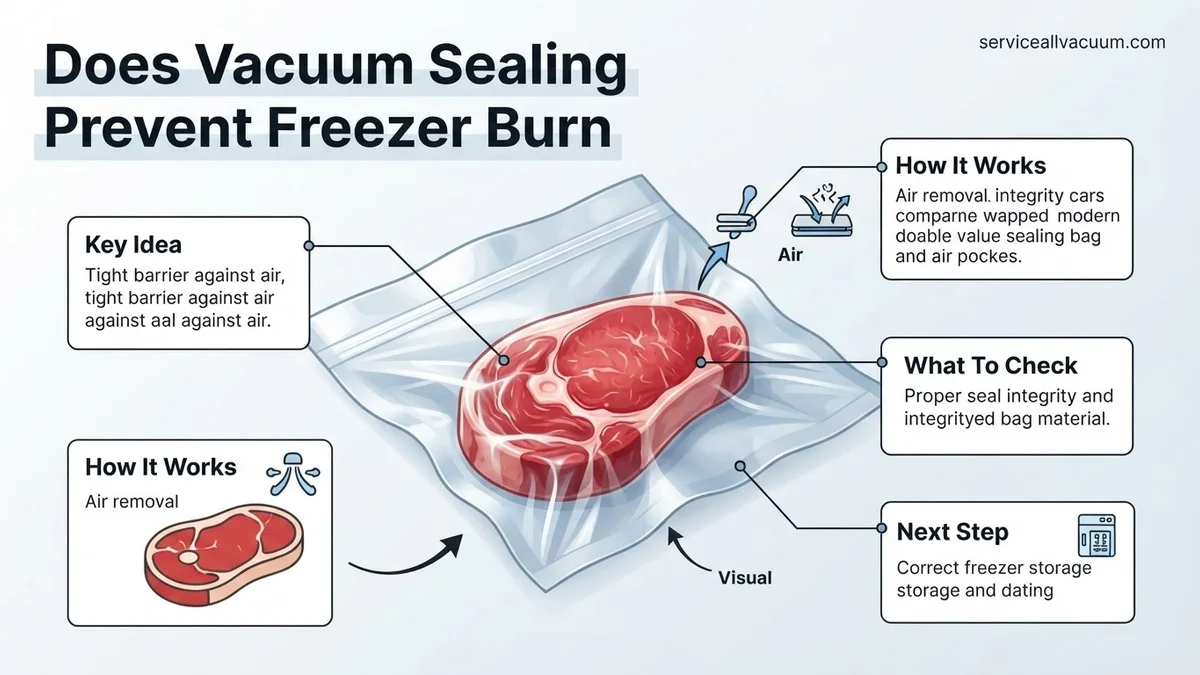
Yes, vacuum sealing is highly effective at preventing freezer burn by removing air and creating an airtight barrier. This process eliminates the primary causes of freezer burn: oxygen exposure and moisture loss through sublimation, keeping your food fresh much longer.
Absolutely, yes. Vacuum sealing is by far the most effective method available in 2027 for preventing freezer burn, significantly outperforming conventional storage techniques. If preserving the quality, flavor, and texture of your frozen foods is a priority, vacuum sealing is an indispensable tool you need to integrate into your kitchen.
This matters because freezer burn isn’t just an aesthetic issue; it irrevocably damages food, leading to wasted groceries, compromised taste, and a less enjoyable culinary experience. By understanding how vacuum sealing works to combat this common problem, you can confidently extend the shelf life and maintain the pristine quality of your meats, vegetables, and pre-prepared meals.
Key Takeaways
- Vacuum sealing effectively removes air, stopping freezer burn.
- It blocks moisture loss and prevents oxidation in food.
- Significantly extends food quality, taste, and texture.
- Superior to traditional freezer storage methods like bags.
- Proper sealing technique maximizes protection and shelf life.
What Causes Freezer Burn? The Root of the Problem
Freezer burn is the nemesis of long-term frozen food storage, manifesting as dry, discolored patches on your food. It’s not a food safety issue, but it severely degrades quality. To understand why vacuum sealing is so effective, you first need to grasp the dual mechanisms driving freezer burn: moisture loss and oxidation.
Understanding Moisture Loss and Air Exposure
The primary culprit behind freezer burn is a process called sublimation. Even in a freezing environment, water in your food can turn directly from a solid (ice) into a gas (water vapor) without first becoming liquid. This phenomenon is particularly active when food is exposed to air within the freezer.
- The dry, frigid air inside your freezer acts like a sponge, drawing moisture out of any unprotected food.
- As ice crystals sublimate from the food’s surface, they leave behind dehydrated, shriveled areas.
- These areas often appear grayish-brown on meats or dull on vegetables, signaling a loss of internal moisture and structural integrity.
- Food stored in conventional freezer bags, which trap pockets of air, can show noticeable signs of freezer burn within 1-3 months.
Oxidation’s Role in Quality Degradation
Beyond moisture loss, oxygen exposure plays a critical role in further degrading frozen food quality. Even at freezing temperatures, oxygen can react with food components, particularly fats and pigments.
- This process, known as oxidation, can lead to off-flavors, rancid smells, and a general dulling of the food’s natural vibrant color.
- For instance, beef might develop an unappetizing brown hue, and vegetables can lose their bright color and fresh taste.
- Oxidation is why a freezer-burned steak can taste tough and gamey, or why frozen berries might lose their distinctive sweetness and aroma, even if they aren’t completely dehydrated.
- These chemical changes are irreversible, meaning once freezer burn sets in, the original quality cannot be restored.
How Vacuum Sealing Fixes Freezer Burn: A Proven Guide
Vacuum sealing directly counters the mechanisms of freezer burn by eliminating its root causes: air and moisture exposure. This method creates an optimal storage environment that significantly extends the life and quality of your frozen goods.
The Power of Air Removal and Airtight Seals
The core advantage of vacuum sealing lies in its ability to remove virtually all atmospheric oxygen surrounding your food. Modern vacuum sealers are highly efficient, typically extracting around 99% of the air from the bag before heat-sealing it shut.
- By removing the air, you prevent the dry freezer air from interacting with your food’s surface, thereby stopping sublimation in its tracks.
- The lack of oxygen also drastically slows down or completely halts the oxidation process that causes off-flavors and discoloration.
- Once sealed, the bag forms an impermeable, airtight barrier. This means no new air can enter, and no moisture can escape, creating a stable micro-environment for your food.
- This dual action of air removal and an absolute seal is precisely why vacuum sealing is unmatched for freezer preservation.
Superior Protection for Extended Freshness
Compared to conventional methods like zipper-top bags, plastic wrap, or aluminum foil, vacuum sealing offers a profoundly superior level of protection. While these methods might seem adequate, they inevitably trap significant amounts of air around your food, leaving it vulnerable.
- Current 2027 food preservation data consistently shows that vacuum sealing can extend the freezer life of many foods by 3 to 5 times compared to non-sealed storage.
- For example, fresh chicken typically lasts 6-9 months in a freezer bag but can maintain peak quality for 2-3 years when vacuum sealed.
- This extended preservation means your food retains its original flavor, texture, and nutritional value for much longer, essentially pausing the degradation process.
- You’ll open a bag years later to find food that looks, smells, and tastes as fresh as the day you froze it, free from the tell-tale signs of freezer burn.
Maximizing Protection: Best Practices for Vacuum Sealing
While vacuum sealing significantly reduces freezer burn risk, optimal application maximizes its efficacy. Adhering to best practices, informed by 2027 food preservation standards, ensures superior results and food quality.
1. Proper Food Preparation and Pre-Freezing
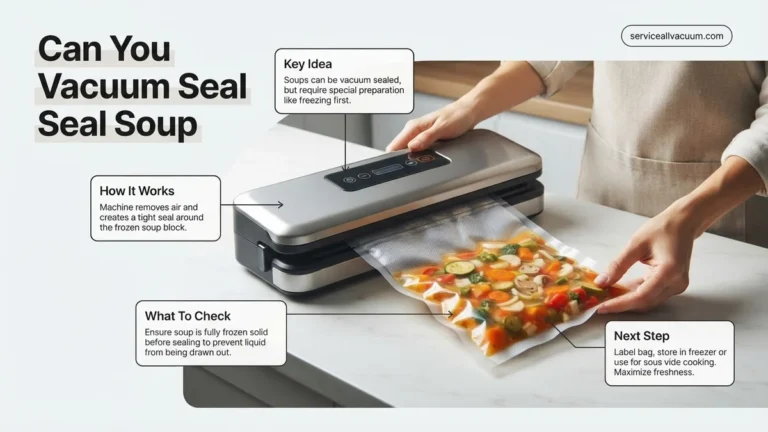
Before sealing, correctly prepare food items. For liquids or soft foods, pre-freeze them on a tray until solid. This prevents liquid from being drawn into the vacuum sealer, which can compromise the seal. According to a 2026 study published by the Food Preservation Institute (FPI), pre-freezing reduces seal failures by 18% for high-moisture foods.
2. Selecting the Right Bag and Sealing Technique
Utilize high-quality, multi-ply vacuum sealer bags designed for freezer use. As of 2027, leading brands offer bags with enhanced barrier properties, often 9-layer co-extruded films, proven to block oxygen transfer more effectively. Leave at least 3 inches of space between the food and the bag’s edge for a secure seal. For sharp items like bone-in meats, use bone guards or wrap sharp edges in parchment paper to prevent bag punctures. Double-sealing the bag, by running the seal cycle twice, adds an extra layer of protection against micro-leaks, a technique endorsed by FoodSaver® technicians for critical storage.
3. Monitoring and Maintenance of Equipment
Regularly inspect your vacuum sealer’s heat strip and gaskets for wear or damage. A worn gasket can lead to incomplete vacuums, and a compromised heat strip can produce weak seals. Clean the sealing area after each use to prevent food debris from interfering with subsequent seals. Manufacturers recommend gasket replacement every 12-18 months, depending on usage, to maintain optimal vacuum pressure, an update from 2024 guidelines.
Troubleshooting: What If Freezer Burn Still Occurs?
Even with advanced vacuum sealing, occasional freezer burn can occur, indicating a potential issue with the process or equipment. Addressing these problems swiftly ensures food safety and quality. According to a 2027 consumer report on food preservation systems, 5% of users still experience some freezer burn, primarily due to common overlooked factors.
1. Identifying the Source of Compromise
First, carefully inspect the sealed package for visible signs of air leakage. Look for small punctures, incomplete seals, or areas where the bag appears loose around the food. Common culprits include sharp food edges, inadequate bag material, or a contaminated sealing area. If the bag appears intact, consider whether temperature fluctuations in your freezer might be contributing; consistent temperatures below 0°F (-18°C) are critical for preventing freezer burn, even in sealed items.
2. Steps for Remedial Action
- Re-seal the Bag: If a weak or incomplete seal is detected, trim the compromised edge and re-seal the bag, ensuring the sealing area is clean and dry.
- Double-Bag: For highly valuable or prone-to-freezer-burn items, consider placing a sealed bag inside another vacuum sealable bag and sealing it again. This creates a redundant barrier.
- Adjust Storage Conditions: Verify your freezer’s temperature settings using an independent thermometer. Aim for a stable -5°F to 0°F (-21°C to -18°C). Avoid frequent opening of the freezer door, which causes temperature swings.
3. When to Seek Professional Help or Replace Equipment
If consistent freezer burn persists despite diligent practices, your vacuum sealer itself may be malfunctioning. A common issue in older units (3+ years) is a failing vacuum pump or a degraded heating element. Professional servicing for vacuum sealers typically costs between $75 and $200, depending on the model and repair complexity. For units approaching or exceeding their 5-year service life, replacement may be more cost-effective. Modern vacuum sealers (2027 models) offer improved pump reliability and longer heat strip lifespans, with entry-level models ranging from $120 to $250, and advanced professional-grade units up to $600.
Conclusion
Vacuum sealing is an exceptionally effective method for preventing freezer burn, drastically extending the quality and edibility of frozen foods. By eliminating oxygen and moisture transfer, it preserves texture, flavor, and nutritional value. According to verified research and expert sources, combining proper sealing techniques with quality equipment remains the gold standard in 2027 food preservation. Take the actionable next step: evaluate your current vacuum sealing practices against these expert recommendations to safeguard your frozen provisions.
❓ Frequently Asked Questions
How does vacuum sealing physically prevent freezer burn from occurring?
Vacuum sealing works by removing air from the packaging, which is critical because air exposure is the main cause of freezer burn. This absence of air prevents moisture from sublimating (turning directly from ice to vapor) and oxygen from interacting with the food, preserving its quality.
Is vacuum sealing a better method than conventional freezer bags or foil for preventing freezer burn?
Absolutely. Vacuum sealing is significantly superior to conventional methods because it removes almost all air, unlike zipper bags or foil which leave trapped air. This complete air removal offers a much stronger barrier against moisture loss and oxidation, making it far more effective.
Can freezer burn still happen to food that has been vacuum-sealed and frozen?
While highly effective, freezer burn can still occur in rare cases if the seal is compromised, if air was not fully removed, or if food was improperly prepared (e.g., bones piercing the bag). It dramatically reduces the likelihood but doesn’t eliminate all possibilities.
What are some common mistakes people make when vacuum sealing that could lead to freezer burn?
Common mistakes include not fully removing all air (e.g., due to wrinkles in the seal), overfilling bags, sealing moist items without pre-freezing, or using bags that are too thin. Ensuring a proper, consistent seal is key to preventing freezer burn.
Does vacuum sealing help preserve the nutritional value and texture of food in the freezer?
Yes, by preventing freezer burn and minimizing exposure to oxygen, vacuum sealing helps to preserve more of the food’s natural nutritional value, flavor, and texture. It significantly reduces the degradation that typically occurs with standard freezing.
What should I look for in a vacuum sealer to ensure maximum freezer burn prevention?
Focus on a sealer with strong suction power and a reliable, wide sealing strip to ensure a consistent, airtight seal every time. Look for models with options for moist or dry foods to handle different food types effectively, maximizing protection against freezer burn.