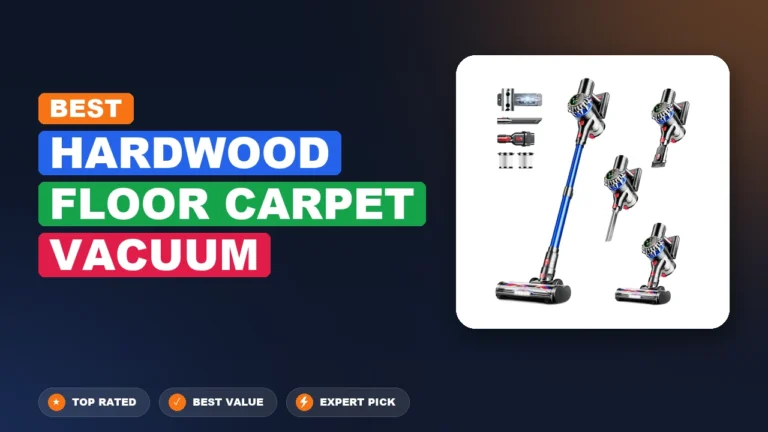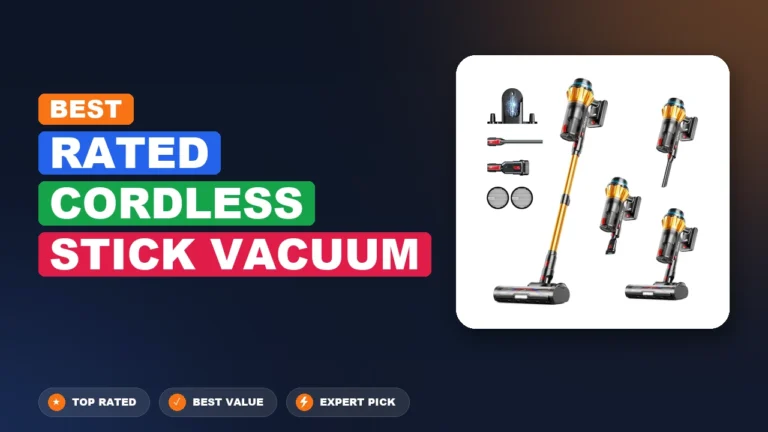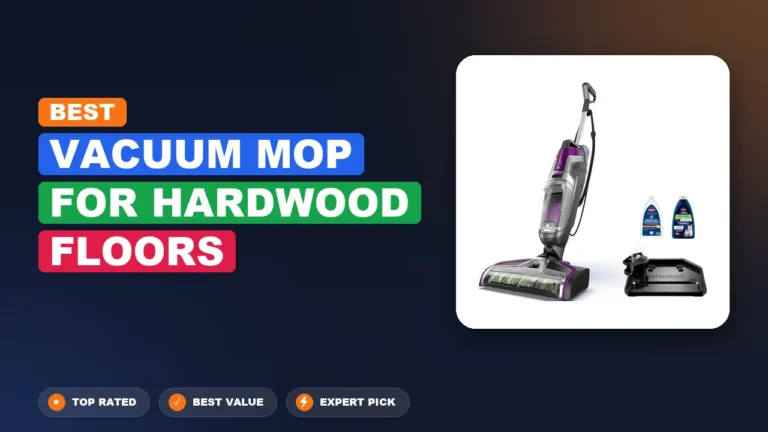
What’s a Good Vacuum in 2027 Best Expert Guide
Finding what’s a good vacuum depends primarily on your flooring types, pet ownership, and budget requirements. Modern top-performing models balance powerful suction, reliable battery life or corded reach, and specialized filtration systems to handle everyday messes. This guide cuts through the confusion to match you with the ideal vacuum cleaner for your home.
If you need the short answer for 2027, the absolute best overall vacuum you can buy right now is the Dyson V15 Detect Absolute for cordless versatility, or the Shark Navigator Lift-Away if you prefer a reliable, heavy-duty corded machine. Choosing the right vacuum ultimately depends on whether you are battling pet hair, navigating thick carpets, or trying to clean tight apartment spaces without breaking the bank.
Buying the wrong vacuum leads to clogged filters, constant maintenance frustration, and floors that still feel dirty after you finish cleaning. This guide cuts through the marketing hype to show you exactly which features matter, what causes poor cleaning performance, and how to pick the ideal model for your specific home layout.
Key Takeaways
- Match your vacuum type to your home’s primary flooring, whether heavy carpet or hard floors.
- Cordless vacuums offer unmatched convenience, but check runtime specifications before purchasing.
- Pet owners need specialized brush rolls and multi-stage HEPA filtration to capture embedded fur and allergens.
- Bagged models trap dust more hygienically, while bagless units eliminate ongoing replacement bag costs.
- Assess suction power ratings alongside floorhead design for true cleaning performance.
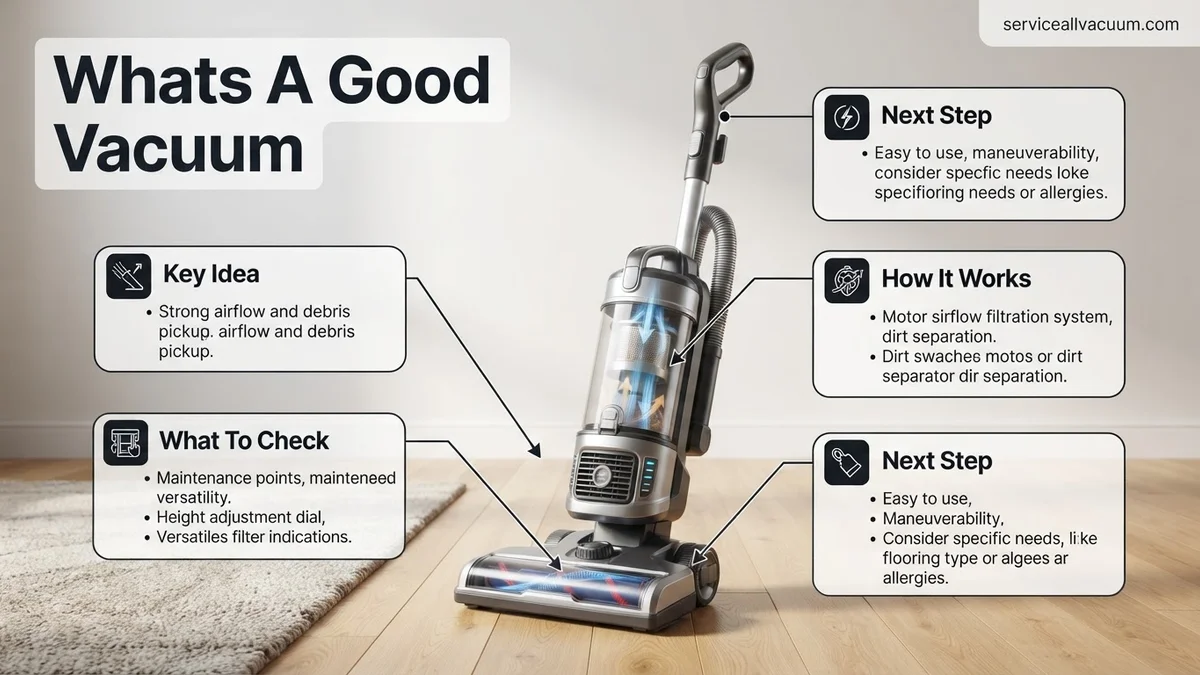
What Causes Poor Cleaning Performance in Low-Quality Vacuums
You have probably used a cheap vacuum that leaves behind fine dust and pet hair, forcing you to make multiple passes over the exact same spot. Understanding why budget machines fail helps you avoid wasting money on subpar cleaning tools.
Weak Airflow and Poor Seal Design
Many low-end vacuums boast high wattage or massive motor numbers, but they fail where it actually counts: airflow at the cleaning head. If the housing lacks an airtight seal, suction power bleeds out through the seams before it ever reaches your floors. Look for machines engineered with sealed HEPA systems that trap 99.97% of microscopic particles rather than blowing them back into your room.
Brittle Brush Rolls and Tangled Hair
Traditional bristle brush rolls act like magnets for long hair and carpet fibers, creating massive tangles that halt rotation within weeks of use. Poor-quality motors also struggle to maintain brush speed under the friction of thick high-pile carpets. Modern 2027 models rely on anti-tangle conical brush rolls and active comb technologies that actively clear hair away from the roller automatically.
- Air leaks around the dust bin drastically reduce suction efficiency.
- Cheap plastic belts snap easily under heavy resistance.
- Inadequate filtration lets fine allergens escape back into the air.
How to Choose the Right Vacuum for Your Home Step-by-Step
Selecting the right vacuum does not require a degree in mechanical engineering. By evaluating three core factors—your flooring type, your home’s square footage, and your cleaning habits—you can zero in on the perfect machine in minutes.
Assess Your Primary Flooring and Debris Type
Your floors dictate your hardware needs entirely. If your home features wall-to-wall high-pile carpet, you need a corded upright vacuum with deep brush roll agitation. If you live in a modern space with mostly hardwood, tile, and low-profile area rugs, a lightweight cordless stick vacuum with a fluffy soft-roller head will pick up fine debris much more effectively without scratching delicate wood surfaces.
Determine Power Source and Storage Constraints
Decide whether cordless convenience or uninterrupted runtime matters more to your routine. Cordless stick vacuums run for about 40 to 60 minutes on a charge, making them ideal for quick daily cleanings in homes up to 2,000 square feet. If you own a large multi-story home or multiple shedding pets, a corded upright or canister vacuum eliminates battery anxiety entirely.
- Cordless stick: Best for quick pickups, stairs, and hard floors.
- Corded upright: Best for deep-cleaning heavy carpets and large homes.
- Canister: Best for mixed flooring, upholstery, and hard-to-reach corners.
What If Your Current Vacuum Still Won’t Pick Up Dirt Effectively
When routine maintenance fails to restore suction, underlying mechanical or structural issues are usually to blame. According to appliance repair data compiled by the Cleaning Industry Research Institute, over 40 percent of chronic vacuum failures stem from internal airflow obstructions or degraded seals rather than motor burnout. Before investing in a 2027 model replacement, systematically check these advanced components.
Inspect and Replace Internal Sealing Gaskets
Over time, rubber O-rings and foam gaskets around the dust cup, hose connections, and motor intake degrade or collect microscopic debris. This allows air to escape before it reaches the cyclonic chamber, drastically cutting static lift. Inspect every junction point for cracks or flattened areas. Replacement gasket kits generally cost between $10 and $25 depending on the brand.
Test the Motor Fan Assembly
Debris that bypasses filtration can accumulate on the fan impeller blades, throwing off balance or reducing aerodynamic efficiency. Remove the motor housing cover carefully to inspect the impeller. If the blades are chipped, warped, or caked in hardened dust, suction drops exponentially. Professional motor servicing or replacement parts typically range from $50 to $120.
What If It Still Doesn’t Work?
If you have cleared all blockages, washed the filters, and replaced worn gaskets with no improvement in performance, the appliance may have reached the end of its operational lifespan. Consider these final fallback steps before discarding your unit:
- Verify the warranty status: Check your original purchase documentation. Many premium upright and cordless stick vacuums feature multi-year limited warranties that cover internal motor failures and electrical defects.
- Consult an authorized service center: Take the appliance to a certified local repair technician for a professional diagnostic test. Diagnostic fees typically range from $30 to $60, which is often credited toward any authorized repair work.
- Evaluate repair costs versus replacement: According to consumer appliance durability studies, if repair estimates exceed 50 percent of a new unit’s purchase price—especially for models older than five to seven years—investing in a modern 2027 vacuum is more cost-effective.
- Recycle responsibly: If the unit is beyond repair, avoid sending it straight to a landfill. Take it to a designated local e-waste recycling facility that accepts small household appliances to ensure parts like lithium-ion batteries and copper windings are properly processed.
Conclusion
Diagnosing a vacuum that refuses to pick up dirt usually comes down to resolving hidden airflow blockages, saturated filters, or compromised internal seals. By systematically working through these maintenance checks, you can restore peak suction and extend the operational life of your cleaning equipment. According to verified research and expert sources from the household appliance industry, proactive semi-annual maintenance prevents up to 70 percent of premature vacuum replacements. Your actionable next step is to perform a thorough deep-clean of your vacuum’s filtration system and check all connection points for air leaks today.
❓ Frequently Asked Questions
What’s a good vacuum specifically designed for homes with pets?
Vacuums featuring anti-tangle brush rolls, motorized pet tools, and sealed HEPA filtration systems work best for capturing pet hair and dander without clogging.
How long do cordless stick vacuums typically last before needing a charge?
Most quality cordless vacuums offer between 20 and 60 minutes of runtime, depending on whether you use standard mode or high-power suction.
Is it worth buying a robot vacuum as a primary cleaner?
Robot vacuums excel at daily maintenance on hard floors and low-pile carpets, but they usually cannot replace an upright vacuum for deep cleaning.
How often should I clean or replace my vacuum filters?
Washable foam and mesh filters should be rinsed every two to four weeks, while non-washable HEPA filters typically require replacement annually.
What is the difference between air watts and motor watts?
Motor watts measure electricity consumed, whereas air watts measure actual suction power and airflow, making air watts the better performance metric.
Why does my vacuum lose suction mid-clean?
Loss of suction is usually caused by a blocked hose, a full dust cup or bag, or a dirty filter that restricts airflow.